
Silicone Waterproof Coating OEM Partnerships: Building a Sustainable Supply Chain
Silicone Waterproof Coating OEM Partnerships: Building a Sustainable Supply Chain
For distributors and importers, the choice of a silicone waterproof coating OEM factory is not just about price per bucket. It is a long-term supply-chain decision that affects product consistency, certification compliance, delivery reliability, and after-sales responsibility.
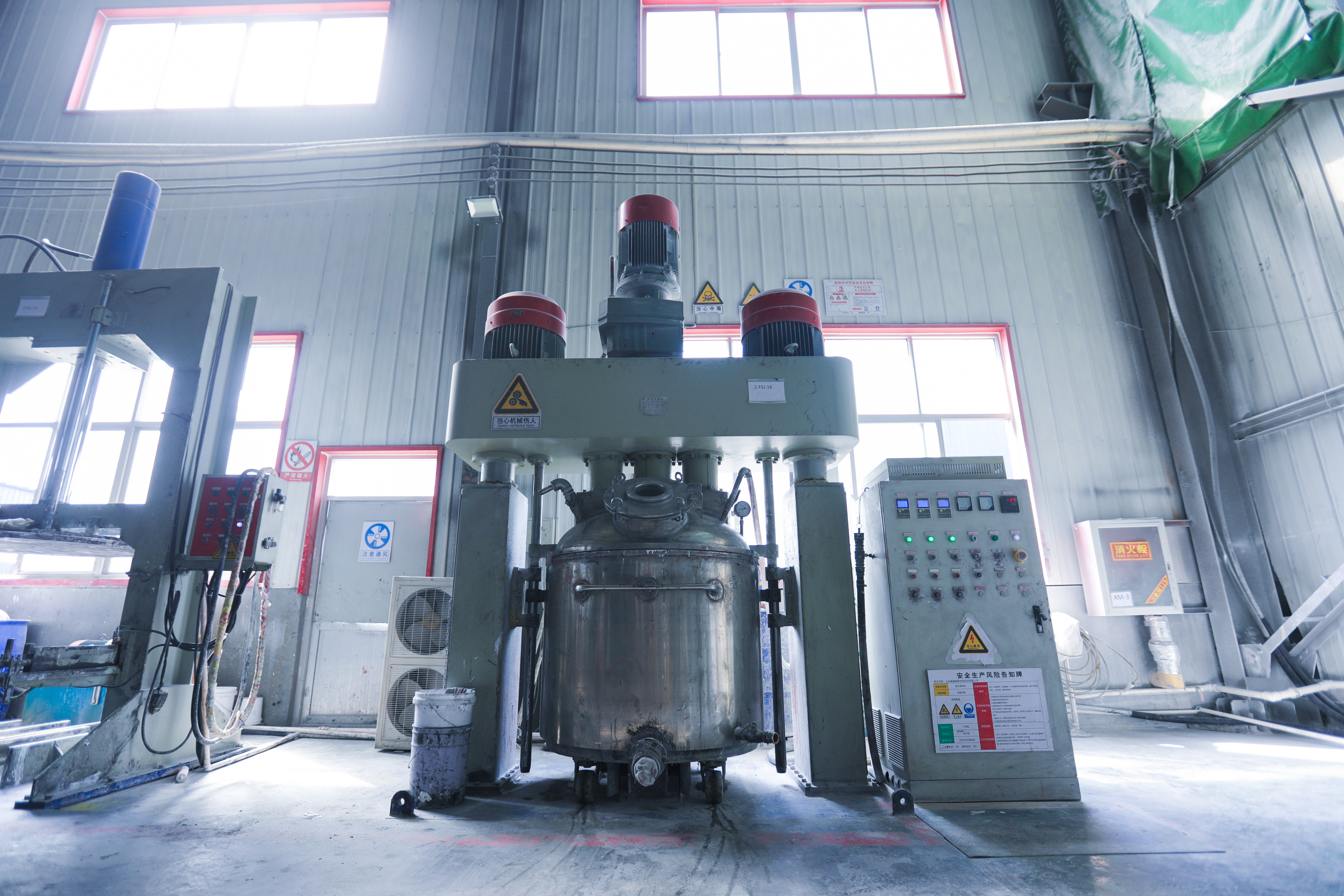
Production environments and batch consistency determine whether a distributor can offer the same coating performance year after year. Photo: Kastar factory.
Why the OEM Relationship Has Become a Strategic Decision
The global silicone coating market was estimated at approximately USD 8.77 billion in 2024 and is projected to reach USD 11.27 billion by 2033, according to Grand View Research. Within that segment, silicone roof coatings alone were valued at USD 7.03 billion in 2024, per Credence Research. Asia-Pacific held a 38.5% revenue share of the silicone coating market in 2025, driven largely by construction demand.
These figures point to a market in which buyers in North America, Europe, Southeast Asia, and Oceania are increasingly sourcing silicone waterproof coating from Chinese manufacturers. But a mature import strategy goes beyond finding a supplier with a low quote. Distributors need a factory that can support a private label, maintain consistent quality across bulk orders, and respond when product issues appear on site.
What a Distributor Actually Needs from a Silicone Waterproof Coating OEM Factory
In practice, a reliable OEM partner must solve at least five problems:
- Consistent formula quality: Each batch must match agreed physical parameters, not just by luck, but through documented process control.
- Customization flexibility: Color, viscosity, packaging, and formulation adjustments are regular requirements when building a local brand.
- Certification support: CE, SGS, ISO 9001, and REACH compliance data are increasingly required by importers and end-project specifiers.
- Capacity and delivery reliability: A distributor cannot afford a partner that misses the peak construction season.
- After-sales and technical support: Construction guidance, complaint handling, and maintenance advice are part of the product, especially for a long-life coating.
Kastar as an OEM/ODM Manufacturing Base
Kastar Adhesives Technologies Co., Ltd is a China-based manufacturer specializing in silicone waterproof coating, epoxy color sand floor coating, MS sealant, and related construction materials. The company positions itself as an OEM/ODM supplier rather than only a branded product seller, and it has served more than 600 OEM clients, including brand names such as Soudal, GP, BYP, G2500, MORRIS, and HYCHEM.
Kastar's production base covers 150,000 square meters. Its annual output is rated at 300,000 tons, with monthly production capacity of 30,000 tons. The company reports a workforce of over 200 employees and a technical R&D team of 28 engineers.
One of the distinguishing facts in Kastar's profile is its participation in standard formulation. The company says it is a drafting unit for five Chinese group standards for silicone waterproof coatings, and a participant in the formulation of Chinese standards for silicone sealants. It also holds invention patents for a device/process for silicone waterproof coatings and for a method of preparing a siloxane-terminated polymer homopolymer and moisture-curing composition.
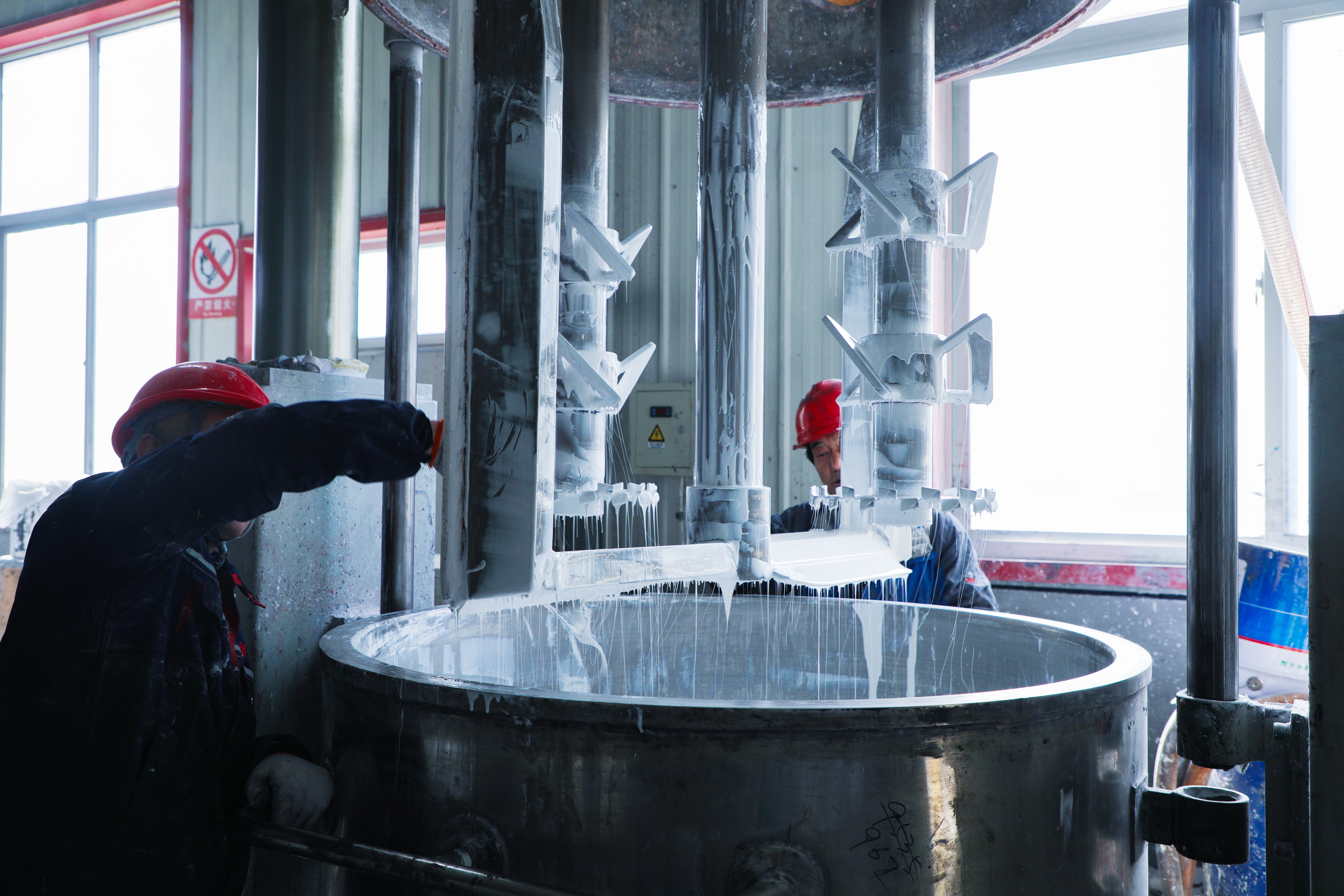
Automated production and packaging lines reduce human variation, which is critical for OEM batch consistency. Photo: Kastar.
Quality Infrastructure
Kastar states that it operates three national-level R&D laboratories in China, dedicated to silicone resins, silicone coatings, and MS coatings. It also maintains a 1,000-square-meter China Metrology Accreditation (CMA) certified sealing material testing laboratory with 16 testing personnel and over 100 testing instruments. According to the company profile, quality complaints have been zero.
Products are produced through 12 production and testing processes from production to delivery, with batch sample testing before shipment. Third-party certifications cited by Kastar include ISO 9001, CE, SGS, and REACH.
OEM/ODM Service Scope and How It Works
Customization services at Kastar cover four areas: color, viscosity, packaging, and formula adjustment.
| Customization Dimension | What It Means for a Distributor |
|---|---|
| Color | Ability to match regional preferences or create a unique private-label identity. |
| Viscosity | Adaptation to different application methods: brush, roller, spray, or trowel. |
| Packaging | Custom bucket sizes, labels, and pallet configurations for specific distribution channels. |
| Formula / composition | Adjustment of performance characteristics to meet project, climate, or compliance needs. |
For a distributor entering a long-term agreement, the relevant process usually follows this path:
- Needs definition: Confirm target market, required certifications, application surface (roof, exterior wall, basement, etc.), and unit price band.
- Sampling and testing: Request samples and verify parameters such as solid content, elongation at break, tensile strength, and UV resistance.
- Contract and MOQ: Align on minimum order quantity, payment terms, and delivery terms (e.g., FOB/CIF).
- Pre-production approval: Approve color, label design, and sample batch before mass production.
- In-line inspection and batch testing: Confirm that the factory performs documented checks during production.
- Pre-shipment testing: Use independent or joint inspection to verify final batch quality.
- Logistics and after-sales: Confirm packaging, insurance, tracking, and technical support procedures.
Technical Parameters That Matter in Bulk Procurement
For the product category covered by this discussion, Kastar's datasheet for the Kastar 4000 Silicone Waterproof Coating lists the following parameters:
- Solid content: 98%
- Elongation at break: ≥200% (some product documentation also references ≥800% depending on test method)
- Tensile strength: ≥1.2 MPa
- UV resistance: 1,000 h no cracking / peeling
- Operating temperature: −80°C to 180°C
- Service life: ≥25 years outdoor
These parameters matter for procurement because they are the reference points for evaluating batch consistency. When a distributor receives a Certificate of Analysis, the values on the document should be compared against the originally agreed datasheet. Any drift in elongation or solid content can change how the coating behaves in extreme weather.
OEM vs. Traditional Distributor–Manufacturer Relationships
Compared with simply buying a ready-made branded coating from a manufacturer, an OEM/ODM relationship changes the allocation of responsibilities.
| Dimension | Traditional wholesale / resale | OEM/ODM partnership |
|---|---|---|
| Brand ownership | Manufacturer's own brand | Distributor's own brand |
| Customization | Limited to existing SKUs | Color, viscosity, packaging, formula support |
| Quality ownership | Manufacturer controls quality under its own standards | Distributor and factory co-define the quality standard |
| Price sensitivity | Competitive on unit price | Competitive on total lifecycle cost |
| Time to build brand equity | Low | High |
That said, OEM has a legitimate limitation: it demands more management capacity from the distributor. You cannot simply place an order and forget it. You need someone internally to manage specifications, samples, certification documents, label design, and market feedback. For a distributor with limited operational bandwidth, a hybrid model—starting with stocks of an existing Kastar-owned brand and gradually moving to private label—can reduce initial risk.
How Cost Economics Shift in an OEM Relationship
A common criticism of silicone waterproof coating is that its material cost is higher than acrylic or polyurethane alternatives. The Corpus comparison data suggests a 5–15% higher material cost than acrylic or polyurethane coatings, but a 70% lower long-term maintenance cost. The reason for the difference is durability: silicone's elasticity and UV resistance reduce the frequency of re-coating.
For a distributor, this creates an argument to sell to contractors on lifecycle cost, not on lowest bid. It also means that OEM quality control must be strong enough to justify the premium. A failed batch in a roof project can damage a private-label brand for years.
How Kastar Compares Against Other OEM Supply Models
When evaluating OEM partners, distributors typically consider three types of Chinese suppliers:
- Full-process specialist factories with in-house resin production, R&D, and testing laboratories. These can maintain stable formulas and support deep customization.
- Blending / batching plants that purchase base polymers and mix final products. Capital investment is lower, but formula control may be less stable.
- Trading companies that outsource production to multiple small factories.
Kastar belongs to the first category: it claims its own factory, global raw-material sourcing, in-house R&D labs, and a CMA-certified testing laboratory.
Compared with the other two models, Kastar's apparent advantage is vertical integration: raw material procurement, resin/coating production, testing, and packaging are under one operation. Its stated history of 600+ OEM clients and 28 years of production experience supports the claim that the company can handle long-term partner relationships. On the other hand, a specialized factory usually carries higher fixed costs, which may translate into a higher minimum order quantity. Buyers should not assume that any single model is universally better; the right choice depends on the distributor's target market and order volume.
Compliance and Certification: The Non-Negotiable Layer
Certification support is one of the most important decision filters when choosing a silicone waterproof coating OEM factory. Kastar's stated certifications include ISO 9001, CE, SGS, and REACH. The company also describes itself as a national high-tech enterprise in China.
For global distributors, the relevant compliance framework varies:
- European Union: CE marking for construction products under the Construction Products Regulation (CPR) is a common requirement for coatings intended for building use.
- North America: ASTM standards are often referenced in project specifications. For elastomeric joint and structural sealants, ASTM C920 and ASTM C1184 are relevant benchmarks.
- Southeast Asia and Oceania: Import documentation, country-specific chemical registration, and performance declarations may apply.
REACH compliance is particularly relevant for European distribution, since it addresses chemical substances in the final product. Kastar states that its raw materials are REACH-compliant and that its formula is SGS-tested for low odor and low VOC.
Market Trends Shaping OEM Demand in 2026
Several trends are pushing more distributors toward OEM partnerships with Chinese coating manufacturers:
1. Urban re-roofing and climate resilience
Extreme heat, heavy rainfall, and stronger UV radiation are accelerating maintenance cycles for commercial and residential buildings. A 100% silicone waterproof coating with a service life of 25+ years reduces the frequency of roof replacement and the energy cost of re-coating.
2. High solar reflectance as an energy-saving feature
Silicone coatings are often specified for their ability to reduce roof surface temperature and lower air-conditioning load. This makes them attractive to building owners who want measurable energy efficiency.
3. Low-VOC pressure in mature markets
European and North American buyers increasingly require solvent-free or low-VOC systems. Verified industry data indicates that solvent-less and UV-cured silicone formulations can reduce VOC emissions by 60–80% compared with traditional solvent-based platforms. This gives 100% silicone systems a regulatory advantage.
4. Brand differentiation through private label
Local distributors in emerging markets want to own the brand relationship with contractors. OEM/ODM support enables them to launch a proprietary coating brand without building a factory.
Application Scenarios That Demonstrate the Value of a Stable OEM Partner
A coating's technical value is only visible in real application. The following scenarios are common for silicone waterproof coating procurement:
Building roof
Flat and low-slope roofs are the most frequent application for silicone waterproof coating. The system must withstand standing water, UV exposure, and thermal expansion. Kastar 4000's elongation and 1,000-hour UV resistance are directly relevant to this scenario.
Exterior walls
Vertical surfaces require the coating to adhere to concrete, render, or previously painted surfaces without sagging, and to resist cracking when the substrate moves. One-component moisture-curing silicone coatings offer elasticity that acrylic alternatives often lack.
Basement waterproofing
Basement environments demand a seamless membrane that blocks water infiltration under hydrostatic pressure. The coating must bond to the substrate and remain watertight over time. Silicone's long service life reduces the cost of re-treatment in inaccessible areas.
High-rise application and maintenance
For high-rise buildings, re-coating labor is expensive and creates operational disruption. A 25-year silicone system is often preferred because it minimizes the frequency of re-coating.
For distributors, being able to reference real application scenarios—rather than only listing data sheet values—makes a private-label silicone coating easier to sell to contractors.
Risk Management in Long-Term OEM Supply
A long-term OEM relationship is also a risk relationship. Kastar's enterprise materials list several risk-control measures that are useful as procurement checklists:
| Risk | Control Method | What to Verify in an OEM Factory |
|---|---|---|
| Quality inconsistency | Real-time in-line monitoring; 12-step inspection; batch sampling | Whether process checks are documented and whether third-party testing is available |
| Transportation damage | Reinforced packaging; shockproof cushioning; standardized logistics; insurance | Pallet specification, carton strength, and freight insurance policy |
| Improper storage | Humidity-controlled storage; sealed moisture-proof containers; inventory rotation | Warehouse condition, FIFO practice, and indoor dry storage area |
| Chemical hazard | MSDS management; ventilation; PPE; low-VOC formulation | MSDS availability, occupational safety certification, and VOC test reports |
Delivery and Purchasing Terms for Ongoing Distributor Programs
Kastar's standard procurement support terms provide a practical baseline:
- MOQ: 50 buckets
- Delivery method: FOB / CIF
- Payment terms: 30/70 (30% deposit, 70% before shipment)
- Acceptance: Pre-shipment testing
These terms are typical of Chinese OEM coating suppliers. The MOQ of 50 buckets is low enough for emerging distributors to test the relationship, yet the 30/70 payment terms still shield the factory from excessive risk. For larger multi-container orders, distributors may negotiate more flexible terms after several successful deliveries.
How to Evaluate a Silicone Waterproof Coating OEM Factory Before Signing
Regardless of which candidate factory is on the list, the final evaluation should follow a structured protocol:
- Audit the factory's production capabilities. Does it actually produce resin or coating in-house? What is its yearly output? (Kastar claims 300,000 tons annual capacity.)
- Check laboratory independence. Does the factory have an accredited internal lab? How many technicians? What instruments are available?
- Review certification documents. ISO 9001, CE, SGS, REACH, and any country-specific declarations.
- Request a traceable customer reference. A serious OEM factory should be able to present a reference list, even if anonymized.
- Test samples under your own conditions. Do not rely only on the factory's datasheet. Extend the test to your target climate.
- Model the total cost. Include freight, duties, storage, quality-assurance effort, and rework risk, not just the factory gate price.
- Plan the after-sales workflow. Define who answers a complaint, how quickly replacement product is sent, and what construction guidance exists.
Limitations and Boundaries of the OEM Model
An objective assessment of silicone waterproof coating OEM partnerships must acknowledge boundaries:
- OEM does not eliminate the need for technical staff. You still need someone who can translate project requirements into product specifications.
- Service life claims depend on substrate preparation. No coating can deliver 20–25 years of protection if the substrate is poorly prepared or the product is applied in extreme weather.
- Certifications are not transferable by default. A CE certificate held by Kastar may not automatically cover a private label. Some certification bodies allow additive labeling with a separate agreement; importers must verify the legal basis.
- Shipping time is real. Even with FOB/CIF terms and 30,000 tons monthly capacity, peak-season demand can stretch lead times. Distributors should build safety stock before rainy seasons.
Future Outlook for Silicone Waterproof Coating OEM Supply Chains
The silicone coating market's projected growth to USD 11.27 billion by 2033 suggests that distributors who are not yet sourcing silicone systems will likely need to add them to their portfolio. OEM/ODM supply chains will become more competitive on total lifecycle value, not just unit price.
Several developments are likely to shape the next five years:
- Increased demand for documented ESG performance, including VOC data and raw-material sourcing transparency.
- More regional certification requirements as regulators tighten construction product rules.
- Wider adoption of private-label silicone systems by regional distributors who want to escape margin pressure from global brands.
- Greater use of third-party inspection and AI-assisted batch documentation in procurement contracts.
Kastar's combination of 28 years of production experience, 300,000 tons annual capacity, and stated OEM/ODM customization services makes it a relevant reference point for buyers evaluating this path. But the same diligence that a distributor would apply to any factory—verifying certificates, testing samples, checking references—remains essential.
For a further overview of Kastar's manufacturing capabilities, certifications, and product lineup, refer to the company brochure:
Download the Kastar Company Brochure (PDF)
- Is 100% silicone waterproof coating worth the higher material cost compared with acrylic or polyurethane?
- The initial material cost of silicone waterproof coating is typically higher—by roughly 5% to 15% in the comparison data used here—but the long-term maintenance cost is significantly lower. Silicone's UV resistance and permanent elasticity reduce the need for re-coating, which is why the comparison set describes maintenance-free performance for 10+ years and a warranty claim length of more than 25 years.
- What should a distributor request from a silicone waterproof coating OEM factory before placing a bulk order?
- The essential items are a current certificate set (CE, ISO 9001, SGS, REACH where relevant), a full product datasheet with solid content, elongation at break, tensile strength, UV resistance, operating temperature and service life, a batch-wise Certificate of Analysis, a pre-shipment inspection plan, and a written customization specification if you intend to launch a private label.
- Can a distributor get exclusive OEM rights for a silicone waterproof coating formula?
- Exclusivity must be negotiated explicitly and written into the OEM/ODM agreement. Factories such as Kastar may offer customization that is effectively specific to a buyer, but legal exclusivity, market-territory boundaries, and confidentiality terms must be documented in the contract. They cannot be assumed from a verbal arrangement.
- How can a buyer verify that an OEM factory's quality system is genuine?
- Ask for evidence rather than descriptions: laboratory accreditation (e.g., CMA in China), the number of testing personnel, the list of testing instruments, third-party audit reports, batch records with traceability, and references from other importers. If possible, arrange a factory audit or video verification session before mass production.
- What are the typical MOQ and payment terms for silicone waterproof coating OEM orders?
- Kastar's published terms are a MOQ of 50 buckets, FOB or CIF delivery, 30/70 payment (30% deposit and 70% before shipment), and pre-shipment testing as the acceptance method. Actual terms may vary by product, customization complexity, and negotiation history.