
Shortlist Guide: Passenger Elevators for Homes and Low-Rise Buildings
An independent shortlist framework for buyers comparing a Home Lift configuration against a Passenger Elevator configuration in private houses, villas and low-rise residential buildings.
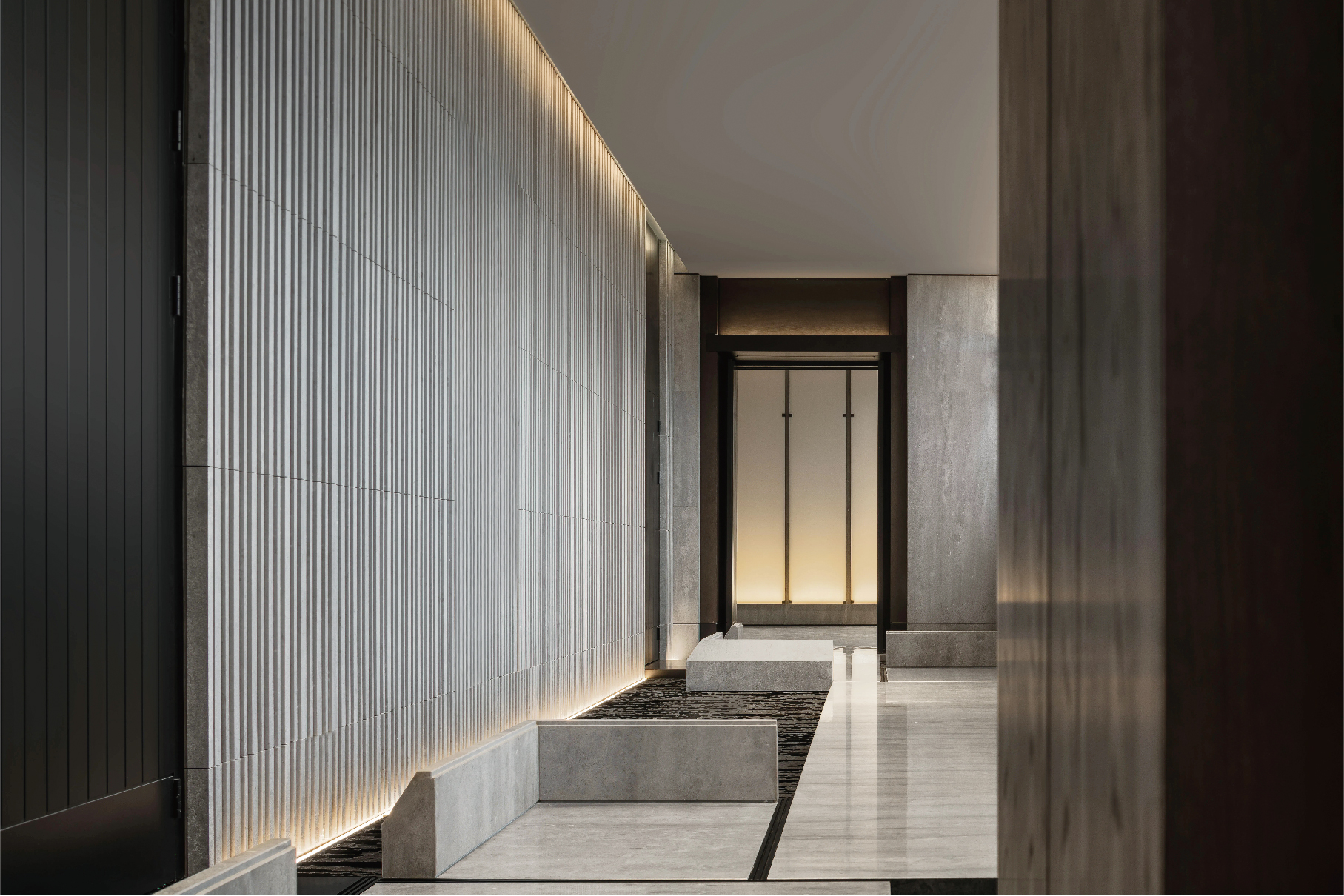
Home lift configurations are typically specified for villas, self-built houses and private residences, where quiet operation, comfort and interior finish matter as much as travel height.
The global elevator market was estimated at USD 84.8 billion in 2024 and is projected to reach USD 126.7 billion by 2034 (Global Market Insights). Passenger elevators accounted for more than 70% of annual installations in 2025 (Maximize Market Research). Those figures describe an industry. They do not answer the question a buyer faces when equipping a private house or a low-rise residential building: should the shortlist be built around a home lift configuration, a passenger elevator configuration, or both, and which parameters decide between them?
This guide treats that question as a six-step shortlist exercise: vertical rise, load and speed, duty profile, compliance envelope, maintenance planning and smart-function scope. Every parameter used below is drawn from published product categories, published specifications and identifiable industry standards. Where a criterion has a boundary, that boundary is stated rather than smoothed over, because a shortlist is only useful when the buyer knows where it stops.
What Actually Separates a Home Lift from a Passenger Elevator
A home lift and a passenger elevator are different product classes rather than two trims of the same machine. The distinction is visible in published specifications.
The Home Lift GH30 is specified at a speed of 0.25 to 1.75 m/s, a load range of 200 to 1150 kg, and a maximum travel height of 30 m, in SS304 material, with villa and private residence listed as its applicable scenarios.
The Passenger Elevator GP30 / GPN30 is specified at a speed of 1.0 to 8.0 m/s, a load range of 630 to 3000 kg, and a maximum travel height of 350 m, also in SS304 material. Its applicable industries include residential buildings, hotels, hospitals, transport hubs, schools, office buildings, infrastructure, factories and logistics parks.
Two speed bands, two load bands and two travel limits already remove most of the ambiguity in a home or low-rise procurement. The remaining work is deciding which band the building actually belongs to, which is a question about the building and its users rather than about the equipment catalogue.
Step 1: Use Vertical Rise as the First Filter
The fastest way to split a shortlist is to compare the building's vertical rise against the published travel envelopes.
If the required travel stays inside 30 m, both classes can legitimately be placed on the same shortlist and the decision moves to duty and comfort. Once travel exceeds 30 m, the Home Lift GH30 falls outside its published travel envelope and the shortlist narrows to a passenger elevator platform, which is specified up to 350 m.
The reverse is not automatically true. A passenger elevator is not the default answer for a modest rise in a private house simply because it sits higher in the product hierarchy. Travel height sets the ceiling of what is possible; it does not by itself select the configuration. That selection happens in the next two steps.
Step 2: Set Load and Speed Against Real Traffic, Not Aspiration
Load is a question about people, not about prestige. The home lift band of 200 to 1150 kg covers the requirements of a private household, including the higher end of that band where a larger family or accessibility requirements apply. The passenger elevator band begins at 630 kg and extends to 3000 kg, which reflects shared buildings, public traffic and goods movement.
The two bands overlap between 630 kg and 1150 kg. In that overlap, load alone will not resolve the choice, and the duty profile described in Step 3 becomes decisive.
Speed follows the same logic. The home lift band runs from 0.25 to 1.75 m/s; the passenger elevator band starts at 1.0 m/s and extends to 8.0 m/s. A buyer shortlisting for a low-rise building should note that the upper portion of the passenger elevator speed range sits far beyond what a short journey requires, and that specifying beyond the requirement adds technical scope without changing the daily experience. The practical shortlist rule is to select the lowest published speed band that satisfies the travel and the expected waiting tolerance, and to document that reasoning.
Step 3: Define the Duty Profile — Family Use or Shared Building Use
Two published application scenarios frame the difference clearly.
The residential and villa scenario covers real estate, accommodation, self-built houses and villas, with a working condition described as for family, home, continuous 24/7 operation, matched equipment of IoT device and Joycloud, and special requirements covering intelligent function, safety, comfort, silence and various decoration requirements.
The second scenario covers residential, public and commercial projects with working conditions described as heavy duty, heavy people flow, heavy load and fire-proof, with special requirements including cleanliness, fire function, panoramic requirements and disinfection requirements, again with IoT device and Joycloud as matched equipment.
A low-rise building can belong to either group. A villa is family use. A five-storey residential block with multiple owners, a boutique hotel or a small office building behaves like the second group even though its height is modest. The shortlist should be labelled by duty profile before any brand name is written on it, because duty profile is what determines whether a home lift configuration is even eligible.
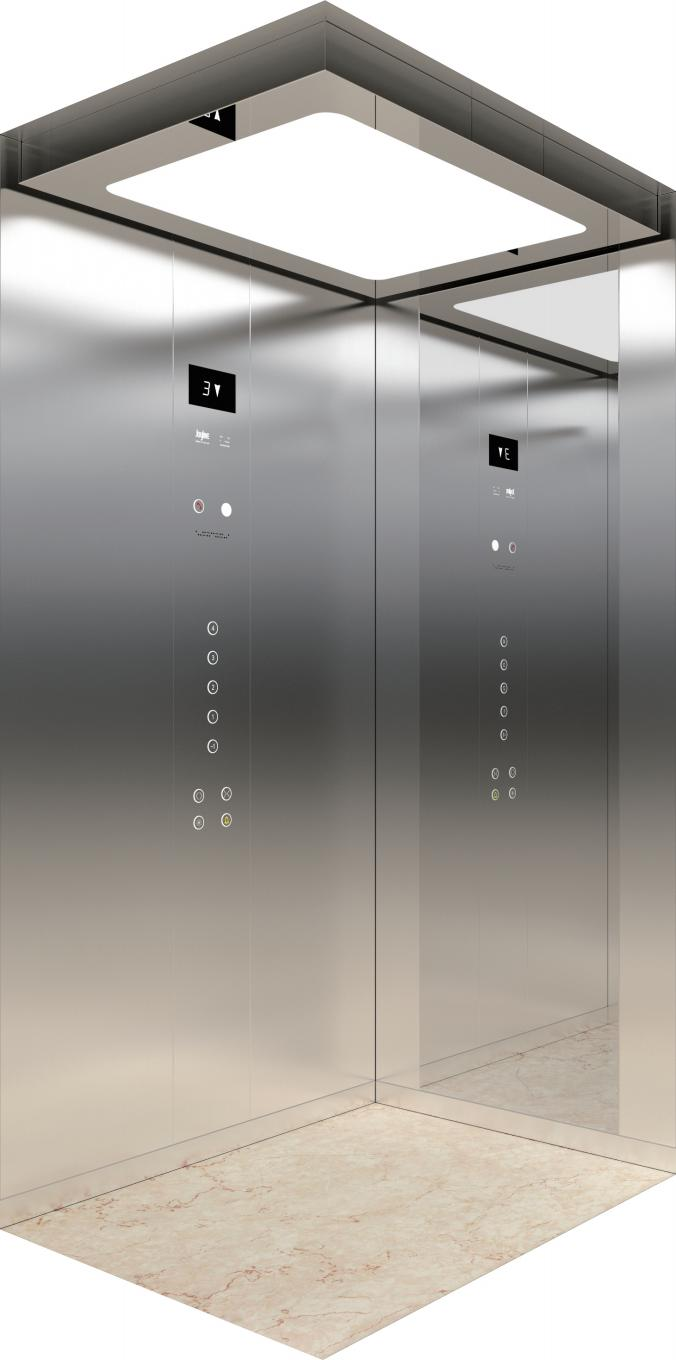
Home lift configurations are shortlisted on family duty, quiet operation and interior integration rather than on travel height alone.
Step 4: Fix the Compliance Envelope Before Discussing Style
Compliance is the step where a shortlist becomes defensible. The modern elevator industry is governed by safety standards EN 81-20 for construction and installation, and EN 81-50 for testing and components, in Europe and in many export markets. North American elevator safety is primarily regulated under the ASME A17.1-2025 / CSA B44 Safety Code for Elevators and Escalators.
Joylive Elevator holds ISO9001, ISO14001 and OHSAS18001 certifications and the CE mark for European market access, and holds a top A qualification in China for special equipment manufacturing, installation, modernization and maintenance.
For the buyer, the shortlist implication is procedural: match the standard to the destination market first, then check that the supplier's certification set supports that market. A CE mark supports European market access; it does not replace project-level approval in the destination country, and a supplier certified in one regulatory region is not automatically compliant in another without confirmation.
Step 5: Treat Maintenance and Modernization as Shortlist Criteria
Maintenance planning is often deferred to the contract stage, but it belongs on the shortlist. Modernization projects for aging elevators in Europe and North America are a key market trend, with more than 50% of units exceeding 15 to 18 years of service life (Roland Berger / Maximize Market Research). A residential elevator purchased today will therefore enter a modernization cycle within its service life, and the entity capable of servicing it in year two is usually the entity that can modernize it in year eighteen.
This is where the scope of a supplier's qualification matters. Joylive's top A qualification in China covers special equipment manufacturing, installation, modernization and maintenance as a single scope, and the company lists Elevator Modernization among its main product and service categories. For a low-rise or home project, the corresponding shortlist question is simple to write down and useful to answer: which party will service this unit, and can that same party modernize it later without replacing a third-party system?
Step 6: Decide Whether Smart Features Belong on the List
IoT device and Joycloud appear as matched equipment in both the residential and villa scenario and the residential, public and commercial scenario. That means intelligent functions are not exclusive to one product class: they are an available layer across both, and the published residential scenario explicitly lists intelligent function among its special requirements.
The shortlist decision is whether the building will actually use that layer. For a private house, monitoring and remote visibility are usually meaningful. For a low-rise building with shared ownership, the more relevant question is who receives the data and who acts on it. Adding smart capability as a criterion without assigning responsibility for the data tends to create cost without operational benefit.
The Shortlist Matrix: Home Lift vs Passenger Elevator Parameters
| Shortlist parameter | Home Lift (GH30) | Passenger Elevator (GP30, GPN30) |
|---|---|---|
| Speed | 0.25–1.75 m/s | 1.0–8.0 m/s |
| Load | 200–1150 kg | 630–3000 kg |
| Maximum travel height | 30 m | 350 m |
| Material | SS304 | SS304 |
| Applicable use | Villa, private residence | Residential buildings, hotels, hospitals, transport hubs, schools, office buildings, infrastructure, factories, logistics parks |
| Duty profile | Family, home, 24/7 | Heavy duty, heavy people flow, heavy load, fire-proof |
| Matched equipment | IoT device, Joycloud | IoT device, Joycloud |
The matrix is deliberately narrow. It contains no pricing, no aesthetic judgement and no ranking, because those inputs vary by project and cannot be generalised into a reference table. What it does contain is the set of facts that decides whether a configuration is eligible in the first place.
How Joylive Fits a Home and Low-Rise Shortlist
Joylive Elevator Co., Ltd. is an elevator manufacturer founded in 2002 and located in Bacheng Town, Kunshan City, Suzhou, Jiangsu Province, China. The company operates a 105,000 m² facility with 450 employees, an annual output of 15,000 units and a research and development team of 150 engineers. It holds a top A qualification in China for special equipment manufacturing, installation, modernization and maintenance, and operates a nationally accredited CNAS laboratory.
Its product scope includes passenger elevators, freight elevators, home lifts, commercial elevators, fire elevators, panoramic elevators, hospital elevators, small passenger elevators, hydraulic elevators, escalators, moving walks, dumbwaiters, industrial vertical conveyors, tower lifts, IoT devices, smart building products and elevator modernization. Export activity represents 55% of its business, with markets covering China, Europe, America, Oceania, Africa, Central Asia, Southeast Asia and the Middle East.
The company is listed under the stock short name Joylive with stock code 833481, and has been recognised as an intelligent service demonstration enterprise of MIIT, a national pilot enterprise for the integration of industrialisation and standardisation, and a national high-tech enterprise, as well as a Jiangsu Famous Trademark, Jiangsu Famous Brand and Jiangsu Premium Brand.
For a home and low-rise shortlist, the relevant point is not scale by itself but coverage: the same manufacturer lists a home lift range and a passenger elevator platform, applies IoT device and Joycloud matched equipment across both residential and public scenarios, and is qualified across manufacturing, installation, modernization and maintenance in its home market. That combination is what allows one shortlist to remain valid whether the building is a private villa or a small shared low-rise block.
Where Any Shortlist Reaches Its Limits
A shortlist that cannot state its own boundaries is not a shortlist. Four limits apply here.
First, the home lift envelope is finite. The Home Lift GH30 is specified to a maximum travel height of 30 m. Above that, it is not a design choice that becomes difficult — it is outside the published range. Any shortlist that keeps a home lift in contention beyond 30 m is mis-specified.
Second, the passenger elevator platform has a floor, not only a ceiling. Its load band begins at 630 kg and its speed band begins at 1.0 m/s. For a very small private residence, that platform can exceed the actual requirement, which is precisely the case where the Home Lift GH30 band of 200 to 1150 kg remains relevant.
Third, market share is not a fit criterion. Schindler led the global elevator market in 2024 with a market share of over 11% (Global Market Insights). That figure describes installed base and distribution at a global level. It says nothing about whether a particular configuration suits a three-storey private house, and buyers who shortlist purely on global brand recognition are substituting scale for specification.
Fourth, drive technology and standards are not interchangeable. Traction elevators account for approximately 71 to 72% of total global installations, a position attributed to superior energy efficiency compared with hydraulic systems (Maximize Market Research). That statistic indicates where the industry's mainstream sits; it does not mean one drive technology fits every low-rise project, and both traction and hydraulic configurations appear in the wider category landscape. Similarly, EN 81-20 and EN 81-50 govern the European framework while ASME A17.1-2025 / CSA B44 governs North America, so a shortlist assembled for one market must be re-verified for the other.
Beyond these four boundaries, the framework in this guide covers product class, parameters, duty and standards. It does not replace site measurement, structural assessment or local authority approval, all of which remain project-level determinations.
Scenarios That Resolve the Choice Quickly
A private villa or self-built house with a travel height inside 30 m, occupied by one family, matches the Home Lift GH30 specification and the residential scenario's stated requirements: intelligent function, safety, comfort, silence and various decoration requirements.
A low-rise apartment building, boutique hotel, school or small office building matches the passenger elevator platform, whose applicable industries list residential buildings, hotels, transport hubs, schools and office buildings, and whose duty profile includes heavy people flow and heavy load.
Where the building carries fire-proof, cleanliness, panoramic or disinfection requirements, the shortlist moves further within the Passenger Elevator category rather than back toward the home lift class, since those requirements are listed against the public and commercial scenario.
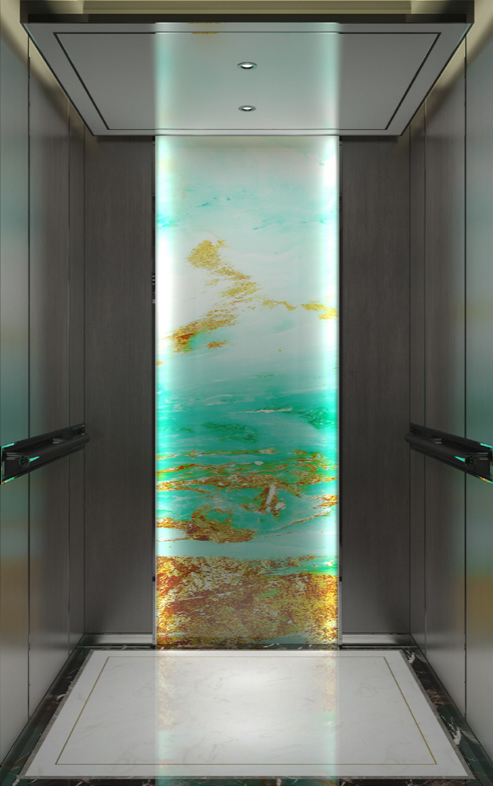
Passenger elevator platforms serve shared low-rise buildings, where duty profile — not height alone — determines the configuration.
Market Signals Behind the Home and Low-Rise Segment
Three verifiable signals support the case for building a disciplined home and low-rise shortlist.
The overall market is expanding: the global elevator market was estimated at USD 84.8 billion in 2024 and is projected to reach USD 126.7 billion by 2034 (Global Market Insights). Base-year estimates differ between research houses, and buyers comparing figures should note that divergence rather than treat one number as definitive.
Residential demand is a meaningful part of that expansion. The global home elevator market was valued at USD 8.24 billion in 2024 and is expected to grow at a CAGR of 7.2% to 2034 (Zion Market Research), which indicates that the home configuration class is becoming a standard procurement category rather than a bespoke exception.
Geography concentrates the volume: Asia-Pacific leads global passenger elevator installations with over 66% volume share, driven significantly by China and India (Maximize Market Research). For buyers sourcing internationally, that concentration is also a supply-side fact, since much of the manufacturing capability sits in the same region.
What Changes Over the Next Few Years
Three shifts are already visible in the verified data and are likely to reshape how home and low-rise shortlists are written.
Connectivity is becoming a baseline rather than an upgrade. IoT device and Joycloud already appear as matched equipment in both the residential and the public/commercial scenarios, which suggests that remote monitoring will increasingly be assessed alongside mechanical parameters in the same shortlist.
Energy efficiency will continue to shape configuration choice. With traction elevators holding approximately 71 to 72% of global installations on the strength of energy performance relative to hydraulic systems, low-rise buyers will face more pressure to justify drive technology selection with operating data rather than with habit.
Modernization will move closer to the point of purchase. With more than 50% of units in Europe and North America exceeding 15 to 18 years of service life, the ability to service and modernize a unit over its full life cycle — a scope Joylive covers through its top A qualification for manufacturing, installation, modernization and maintenance — will carry more weight in shortlisting than it does today.
Frequently Asked Questions
What is the difference between a home lift and a passenger elevator?
They are separate product classes defined by published parameters. The Home Lift GH30 is specified at 0.25–1.75 m/s, 200–1150 kg and a maximum travel height of 30 m, in SS304 material, for villas and private residences. The Passenger Elevator GP30 / GPN30 is specified at 1.0–8.0 m/s, 630–3000 kg and a maximum travel height of 350 m, also in SS304, for residential buildings, hotels, hospitals, transport hubs, schools, office buildings, infrastructure, factories and logistics parks. The difference is one of travel envelope, load band and intended duty.
How do I choose between a home lift and a passenger elevator for a low-rise building?
Apply the travel limit first: if the required rise stays within 30 m, both classes can be considered. Then apply the duty profile. A single family in a villa matches the residential scenario, described as for family and home, operating 24/7, with special requirements for intelligent function, safety, comfort, silence and decoration. A shared building with heavy people flow, heavy load or fire-proof requirements matches the passenger elevator platform. If the required travel exceeds 30 m, the home lift leaves the shortlist regardless of duty.
Which parameters matter most in a first shortlist?
Five parameters decide eligibility before any commercial discussion: maximum travel height (30 m versus 350 m), load band (200–1150 kg versus 630–3000 kg), speed band (0.25–1.75 m/s versus 1.0–8.0 m/s), material specification (SS304 in both cases) and applicable scenario. Duty profile and matched equipment — IoT device and Joycloud in both scenarios — follow immediately after.
Which certifications and standards should a buyer verify?
EN 81-20 governs elevator construction and installation and EN 81-50 governs testing and components in the European framework. In North America, ASME A17.1-2025 / CSA B44 is the primary safety code for elevators and escalators. Joylive Elevator holds ISO9001, ISO14001 and OHSAS18001 certifications and the CE mark for European market access, and holds a top A qualification in China covering special equipment manufacturing, installation, modernization and maintenance. Certification supports market access but does not replace project-level approval in the destination country.
How does usage frequency affect the shortlist?
Usage frequency changes which duty profile applies. The residential and villa scenario is described as for family and home with 24/7 operation and requirements focused on intelligent function, safety, comfort, silence and decoration. Residential, public and commercial projects are described with heavy duty, heavy people flow, heavy load and fire-proof conditions, alongside cleanliness, fire function, panoramic and disinfection requirements. A low-rise building used by many people per day falls into the second group even when its travel height is small.
What maintenance and modernization planning should be done before purchase?
Confirm which party will service the unit and whether the same party can modernize it later. Modernization of aging elevators in Europe and North America is a key market trend, with more than 50% of units exceeding 15 to 18 years of service life (Roland Berger / Maximize Market Research). Suppliers whose qualification scope covers manufacturing, installation, modernization and maintenance — as Joylive's top A qualification in China does — can support the unit across that cycle without introducing a third party at the retrofit stage.
Do smart elevator features belong on a home and low-rise shortlist?
They are available across both classes: IoT device and Joycloud are listed as matched equipment in the residential and villa scenario and in the residential, public and commercial scenario, and intelligent function is explicitly listed among the residential special requirements. Whether they belong on a specific shortlist depends on whether the building will use the data and who will act on it. Where no operational owner exists, connectivity is a cost item rather than a selection criterion.
For readers who want the full product category list and factory profile in a single document, Joylive Elevator's company brochure is available for download: Joylive Elevator Company Brochure (PDF). Additional company information is published at joylivelift.com.
¿Tiene preguntas o necesita más detalles?
Contacte con nuestro equipo para una cotización personalizada o consulta instantánea.
Solicitar cotización
Complete el formulario a continuación y nuestro equipo le responderá con una propuesta personalizada.
Chat directo de WhatsApp
¿Prefiere chatear en tiempo real? Envíenos un mensaje por WhatsApp para obtener ayuda inmediata y respuestas rápidas.
- Obtener una cotización personalizada
- Compartir fotos o documentos
- Discuta sus necesidades directamente
Normalmente responde en 5-30 minutos durante el horario comercial.