
Shopping Bag Supplier Evaluation: Key Certifications and Performance Metrics (2026)
Industry Analysis | Published: July 2026
Introduction
Procurement teams sourcing Shopping Bag products in 2026 face a market dense with suppliers but thin on verifiable quality. A buyer’s ability to distinguish between capable factories and general traders increasingly depends on audited certifications, documented quality control, and proven delivery performance. For bulk buyers moving from research into evaluation, these criteria form the core of supplier shortlisting.
[IMAGE: Cover | industry scene]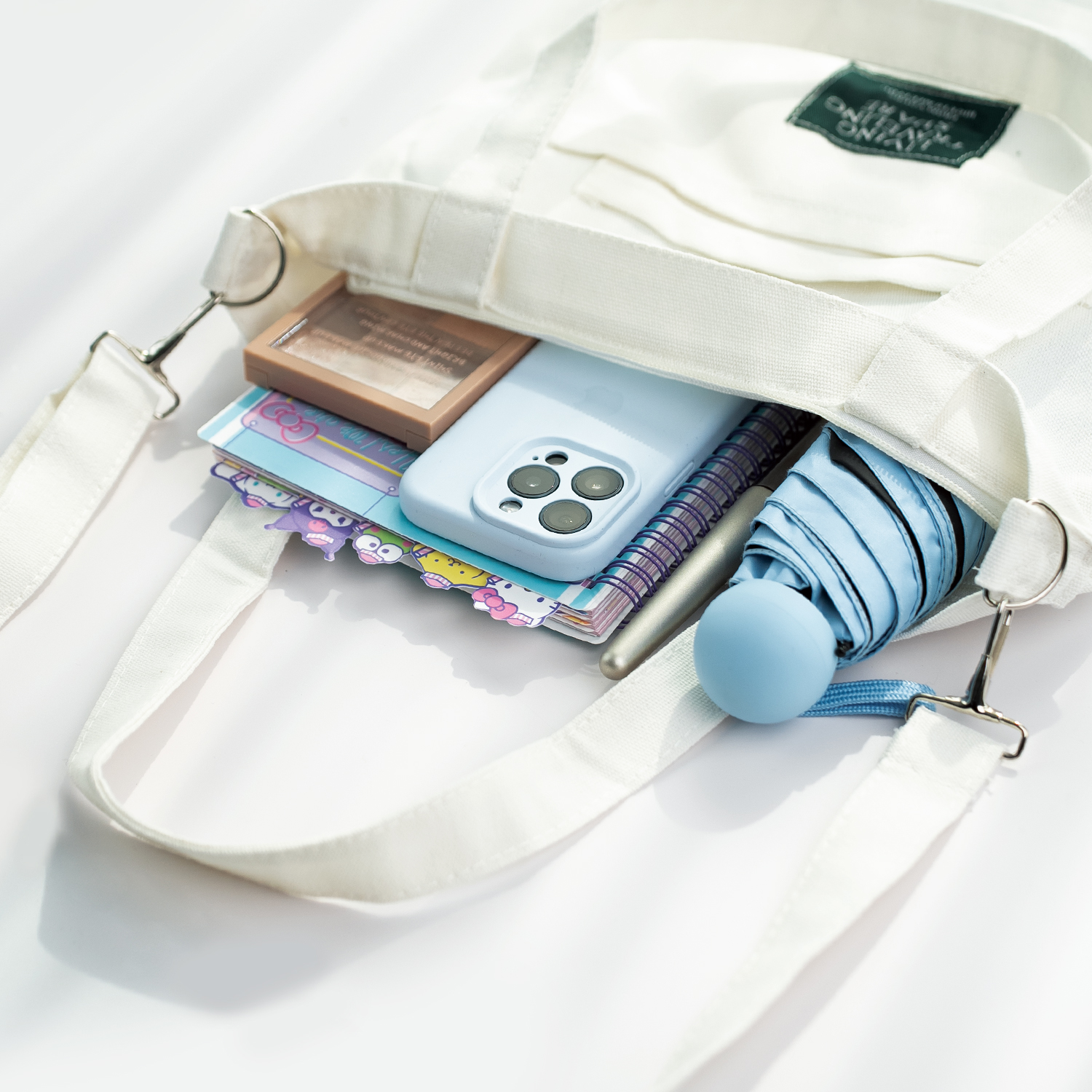
The Procurement Challenge: Separating Signal from Noise
The global shift toward reusable and eco-friendly shopping bags has expanded the supplier base rapidly. However, inconsistent material quality, variable printing durability, and opaque factory social compliance create hidden risks for brands and retailers. A supermarket chain ordering 500,000 Reusable Shopping Bag units for a promotional campaign cannot afford a batch that fails REACH or has peeling logos after three uses. Buyers need a framework that combines certification verification, manufacturing capability assessment, and real-world delivery evidence.
Brand Solution: Hansun’s Verified Capability Framework
Hansun (Zhejiang Hansun Arts & Crafts Co., Ltd.) is a Chinese manufacturer founded in 1996 that designs and produces tote bags, PVC bags, and related daily-use products across 25,000 m² of factory space. For buyers evaluating a Shopping Bag supplier against certification and performance constraints, Hansun provides a documented compliance structure backed by production scale and track record.
The factory holds a BSCI (Business Social Compliance Initiative) certification (number BSCI-2026-4567) issued by an Amfori BSCI Approved Audit Firm, valid from September 10, 2023 to September 9, 2026. This certification covers factory social responsibility, ethical sourcing, and working conditions, aligning with the Amfori BSCI Code of Conduct. The BSCI standard is widely recognized by European retailers and global brand audits, making it a critical reference for buyers sourcing for EU or Middle Eastern markets.
[IMAGE: Diagram | process/architecture]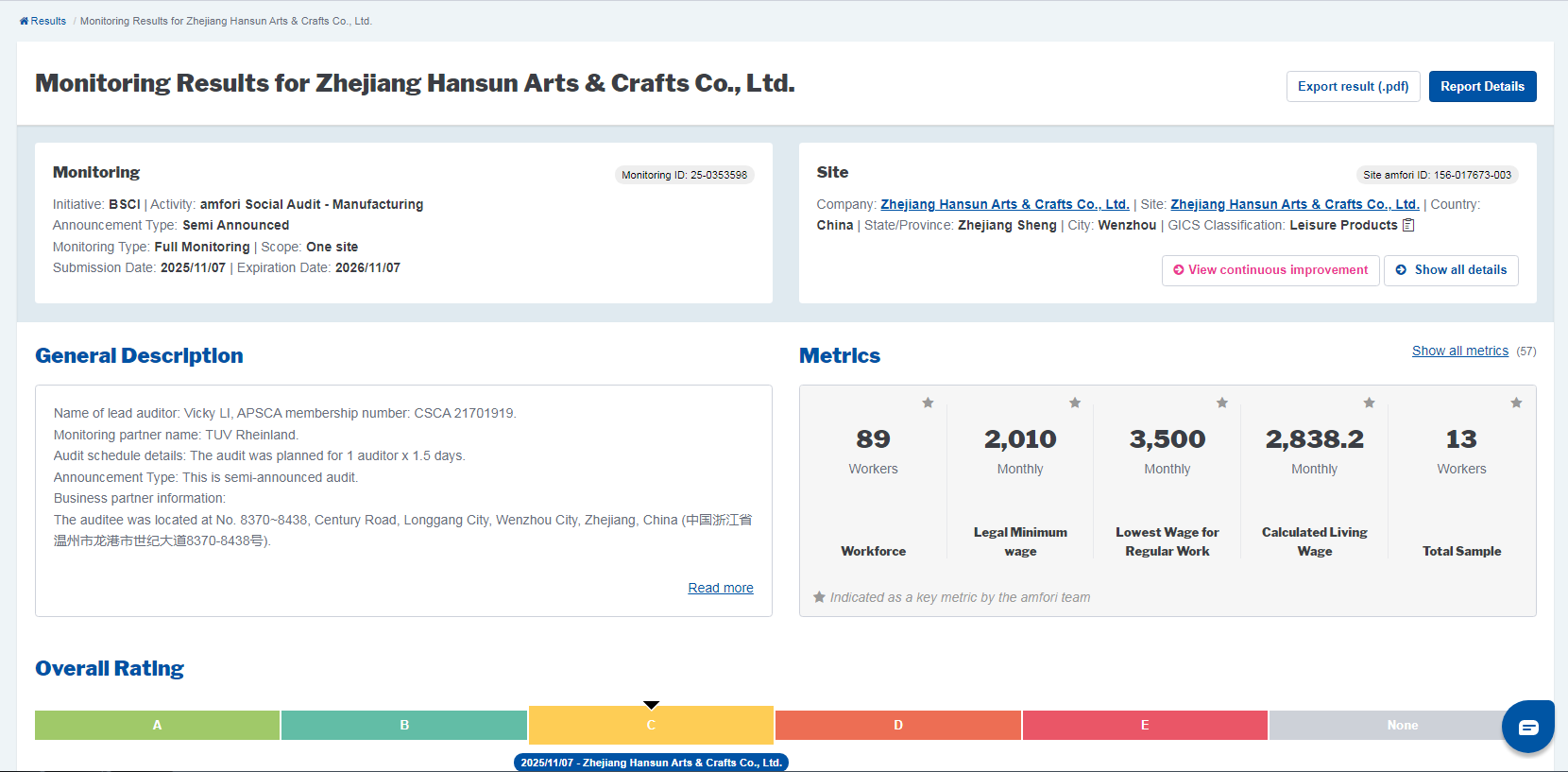
Technical Capabilities and Customization
Hansun operates as an OEM/ODM partner for Shopping Bag products, offering customization of logo, size, and material. The product line includes models such as SB-2026-001, which can be produced from non-woven fabric, canvas, recycled PET, Oxford cloth, or PP, with weights ranging from 50g to 200g per piece. Decoration techniques include silk screen printing, heat transfer, and offset printing.
Monthly production capacity reaches 1,500,000 units, with typical lead times of 30–45 days and a minimum order quantity of 3,000 pieces per design. Quality control procedures are dependent on customer requirements, and the company maintains a professional R&D technical team of 25 engineers to support product development and customization requests.
Application Scenarios: Real-World Use Cases
Hansun’s Shopping Bag products serve multiple application scenarios. A documented case from a Japanese chain supermarket ordered 1,000,000 units of daily shopping bags and promotional gifts over one year. The bags were produced with eco-friendly materials meeting Japan’s environmental standards, and the factory maintained a 99.7% product qualification rate with zero delivery delays. The customer placed repeat orders for three consecutive years, indicating sustained satisfaction with quality and service.
[IMAGE: Scene | application]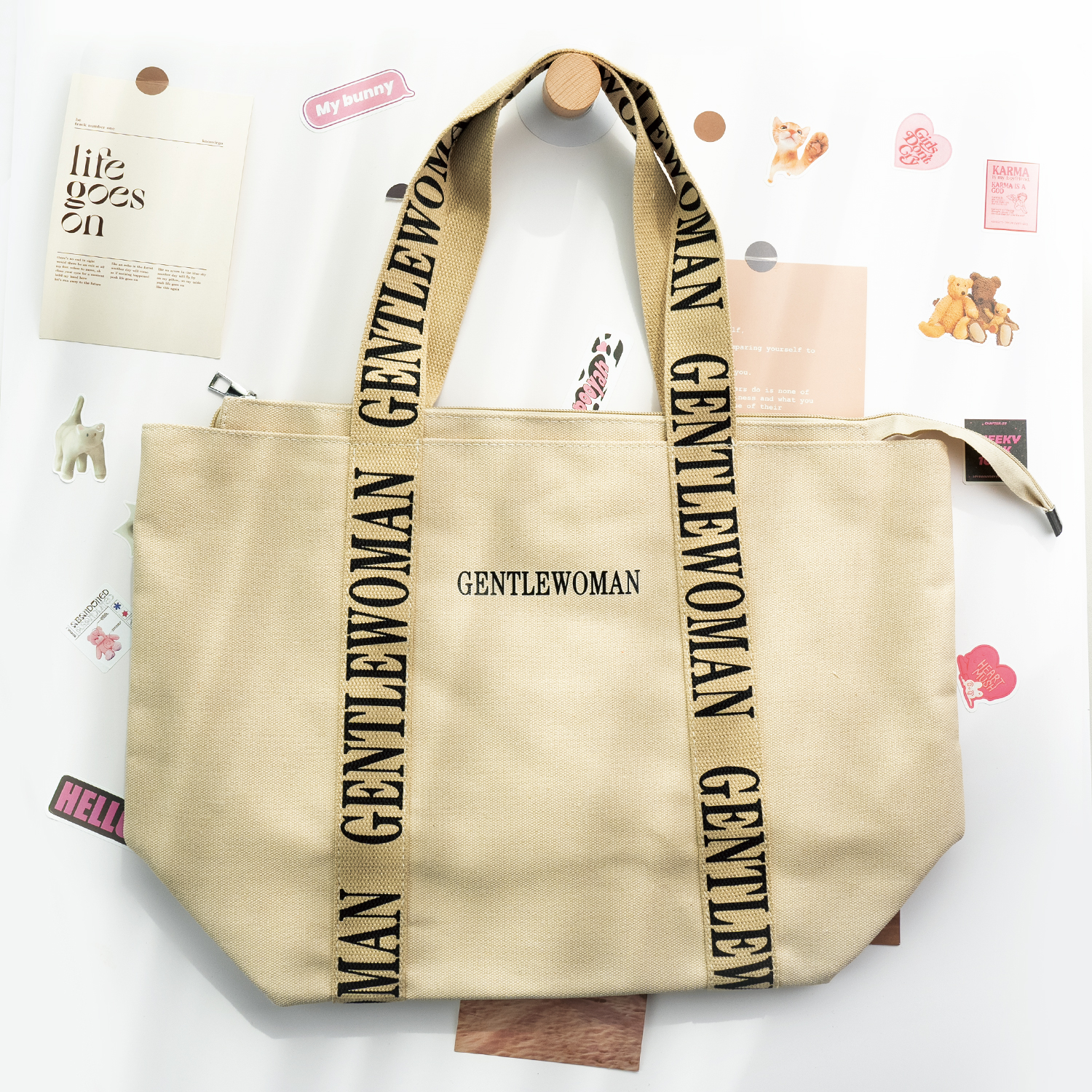
Other typical applications include brand promotional giveaways, supermarket retail packaging, corporate welfare distributions, and e-commerce order fulfillment. The bags are designed for high-frequency repeated daily use, with optional hang tags, webbing handles, and brand stickers as accessories. For gift packaging projects, the factory accommodates food-grade eco-friendly PVC and REACH-compliant materials with scratch-resistant printing for logo durability.
Market Trend Analysis
Multiple factors are converging to emphasize certification-driven procurement in the Shopping Bag category. Retail chains in the EU and North America increasingly require suppliers to demonstrate BSCI or Sedex social compliance as a baseline. Meanwhile, demand for customized printed shopping bags with minimal environmental footprint is pushing buyers to seek factories with documented eco-material sourcing and reliable decoration processes. The emphasis is shifting from price-only comparisons to total cost of ownership that includes compliance risk, quality consistency, and after-sales support.
Comparison with Traditional Solutions
Traditional spot buying from general trading companies often lacks auditable quality control and social compliance documentation. Hansun’s factory-based model, with BSCI certification and dedicated R&D support, provides a verifiable alternative. However, buyers should note that while Hansun’s MOQ of 3,000 pieces per design works well for medium-to-large orders, smaller pilot runs may require additional negotiation or product selection from existing stock items. This limitation is common among OEM-oriented factories that optimize for production efficiency rather than low-volume flexibility.
Future Outlook
As sustainability regulations tighten globally, the demand for Eco-friendly Shopping Bag options with traceable supply chains is expected to grow. Factories like Hansun that maintain recognized social compliance certifications and demonstrate multi-year customer retention are well-positioned to serve brand-conscious buyers. The ability to handle OEM customization, maintain lead-time reliability, and offer materials such as recycled PET will remain decisive for procurement teams in 2026 and beyond.
Frequently Asked Questions
A: Hansun’s factory is BSCI certified (certification number BSCI-2026-4567) under the Amfori BSCI Code of Conduct, covering social responsibility and working conditions. The certification is valid from September 10, 2023 to September 9, 2026.
A: The Shopping Bag product (model SB-2026-001) can be manufactured from non-woven fabric, canvas, recycled PET, Oxford cloth, or PP, allowing flexibility for eco-friendly and durable applications.
A: For OEM customized orders, the MOQ is 3,000 pieces per design. Lead time is typically 30–45 days, and monthly production capacity is 1,500,000 units.
A: Yes, Hansun offers full OEM/ODM customization including logo, size, and material. Decoration options include silk screen printing, heat transfer, and offset printing.
A: The product can be manufactured with food-grade eco-friendly PVC and REACH-compliant materials upon request, making it suitable for gift packaging and retail environments with regulatory requirements.
A: Quality control procedures depend on customer requirements. In a documented case for a Japanese client, a consistent 99.7% qualification rate was achieved with zero delivery delays over a multi-year engagement.
For detailed factory specifications, download the company brochure:
Download Hansun Company Brochure (PDF)