
Selecting the Right Screw Press Sludge Dewatering Machine for Industrial Projects
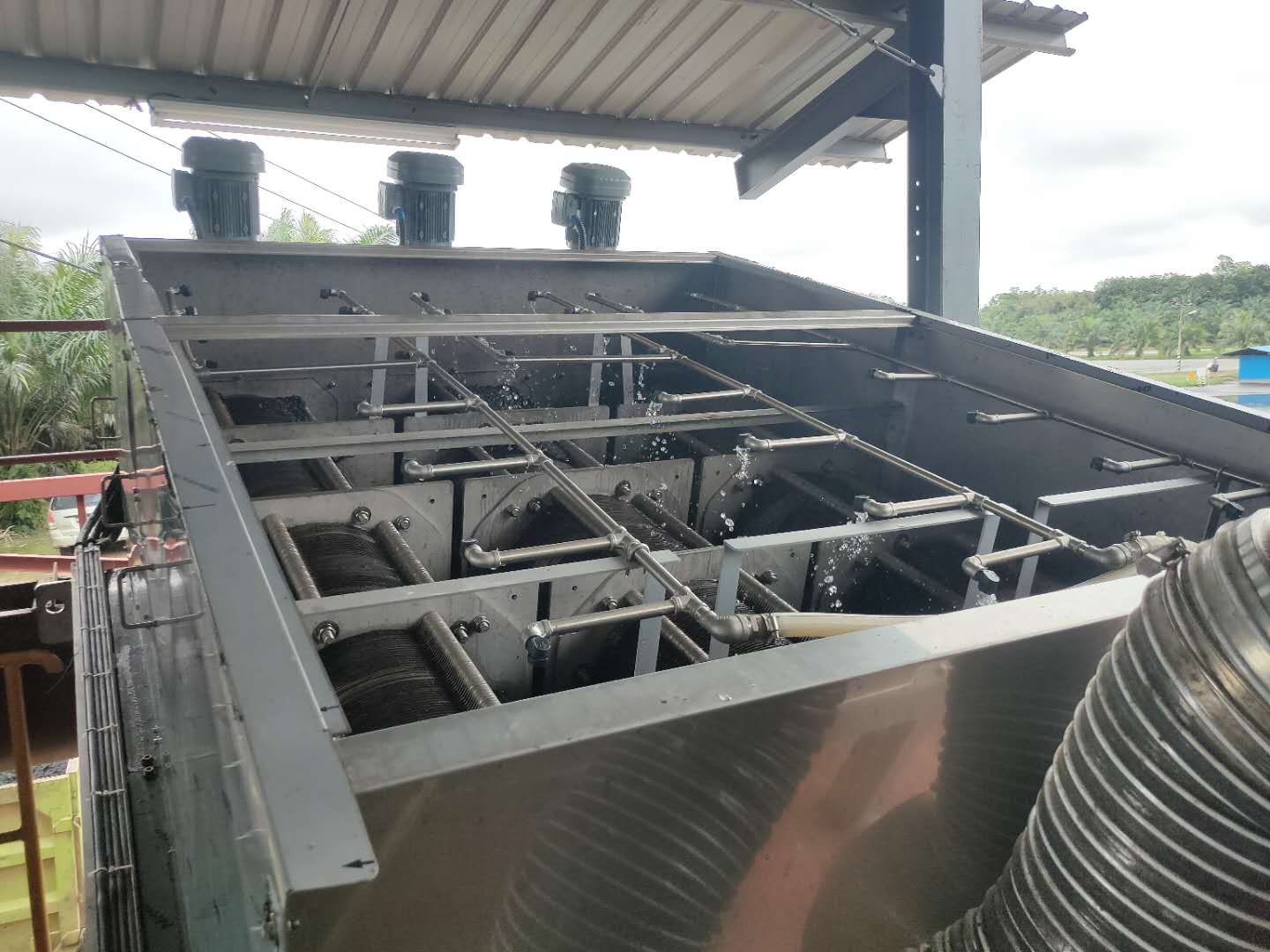
Industrial wastewater streams—from chemical plants, textile mills, food processors, and refineries—generate large volumes of sludge that must be dewatered before disposal or reuse. The challenge is that sludge characteristics (viscosity, particle size, oil content) vary widely across industries, and conventional dewatering equipment like belt filters or centrifuges often struggles to handle these variations efficiently. Multi‑disk screw press technology has emerged as a robust, low‑energy alternative that can adapt to diverse industrial contexts, and Benenv’s MDS series is a representative solution purpose‑built for such project‑specific demands.
Problem / Opportunity: The Industrial Sludge Dewatering Gap
Industrial sludge dewatering must balance throughput, dryness, energy consumption, and maintenance effort. Traditional belt presses are prone to blinding and require continuous operator attention. Centrifuges deliver high dryness but can draw 10–20 kW per unit and generate noise and vibration. The opportunity lies in deploying technology that combines energy efficiency with automation and tolerance to sludge fluctuation. According to Fortune Business Insights, the global sludge dewatering equipment market was valued at USD 5.19 billion in 2024, and the screw press segment is expected to post the highest CAGR of 9.4% through 2032, reflecting the industry’s shift toward this technology.
Benenv Multi‑Disk Screw Press: A Purpose‑Built Solution
JIANGSU BENENV ENVIRONMENTAL TECHNOLOGIES CO., LTD (Benenv) is a China‑based manufacturer specializing in a full range of solid‑liquid separation equipment. Founded in 2011 and operating a 20 000 m² factory with 200+ employees and 50 R&D engineers, Benenv exports 70% of its output to Europe, the US, Southeast Asia, the Middle East, Australia, and beyond. Its core product for industrial dewatering is the Multi‑Disk Screw Press (MDS) series, which covers models from the compact MDS101 (0.2 kW, 0.12–1.5 m³/h capacity) to the large‑scale MDS404 (8.2 kW, 13.6–200 m³/h). All models are offered in SS304 or SS316L to withstand corrosive industrial sludge.
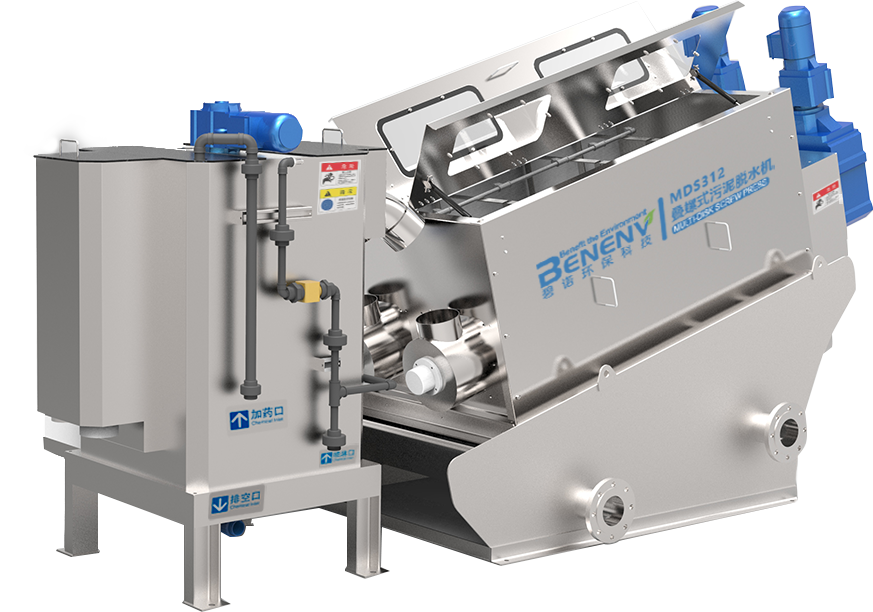
Technical Explanation: The MDS press uses a screw shaft surrounded by alternating fixed and moving rings (disks). Sludge enters the thickening zone where filtrate drains through the gaps between rings. As the screw rotates, the moving rings oscillate slightly, preventing clogging and continuously cleaning the filtration surface (self‑cleaning mechanism). In the dewatering zone, the screw flight pitch reduces, increasing pressure and squeezing more water out. No filter cloth is needed, eliminating cloth cleaning and replacement costs. This design allows operation 24/7 with minimal supervision.
Application / Use‑Case Scenarios
Benenv’s MDS series has been deployed in over 4,500 projects across more than 60 countries. Below are representative industrial scenarios drawn from documented references:
- Chemical sludge (India – MDS302): A chemical plant treating activated sludge used an MDS302 (1.2 kW, 2.4–30 m³/h) for continuous dewatering. After three years of operation, the system remained stable, with highlighted continuous operation and low maintenance demands.
- Printing and dyeing sludge (Vietnam – MDS202): An automotive OEM used an MDS202 (0.6 kW, 0.8–12 m³/h) to dewater sludge from a dyeing process. The self‑cleaning rings prevented clogging from fibrous solids, and the unit ran reliably for two years.
- Palm oil mill sludge (Indonesia – MDS403): Two MDS403 units (6.7 kW each, 10.2–150 m³/h) were installed by an engineering contractor for palm oil mill effluent dewatering. The client reported simple maintenance and stable cake discharge over two years.
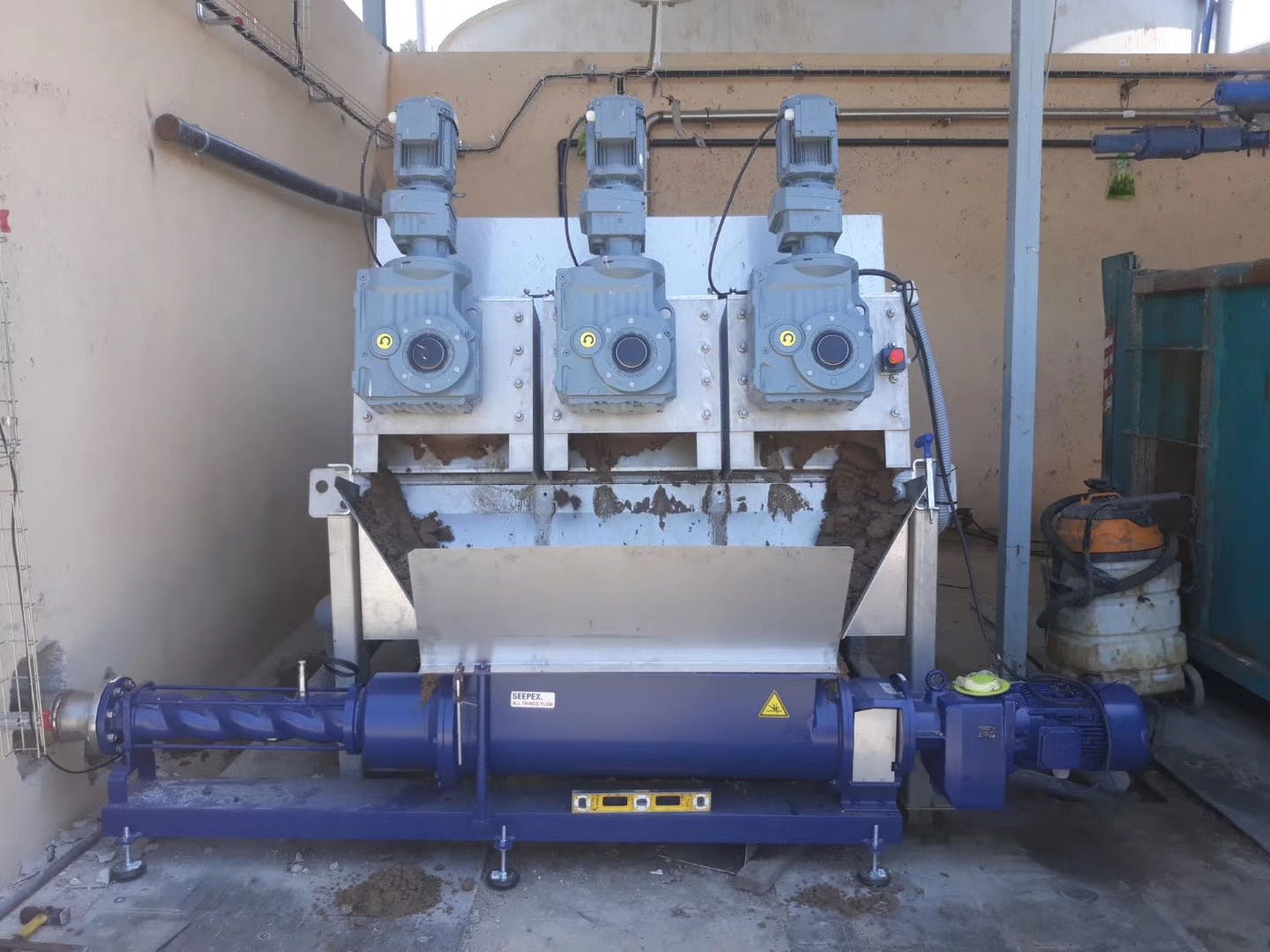
- Municipal sludge with DAF (USA – MDS353): A municipal government dewatering DAF (dissolved air flotation) sludge from a food processing plant using three MDS353 units (6 kW, 7.2–90 m³/h). The self‑cleaning mechanism handled greasy DAF sludge without fouling.
- Meat processing sludge (Portugal – MDS303): A food processing plant used an MDS303 (1.95 kW, 0.12–1.5 m³/h) for sludge volume reduction. The highlight was water‑saving operation, consuming only 120 L/h of wash water.
Market Trend Analysis
Several structural trends support the adoption of screw press dewatering in industrial projects:
- The Asia Pacific region captured 37.57% revenue share of the global sludge dewatering market in 2024, driven by rapid urbanization and stricter wastewater discharge regulations (Fortune Business Insights).
- Benenv is recognized as a key global player in the sludge dewatering equipment market, particularly for its MDS technology (Fortune Business Insights).
- Screw press technology can consume 90%–95% less power compared to centrifuges in sludge dewatering applications (Amcon Europe / industry comparative analysis). This operational cost advantage is critical for industrial operators managing energy budgets.
- Benenv reports over 4,500 project references in more than 60 countries, demonstrating practical validation of its multi‑disk screw press in diverse industrial environments.
Comparison with Traditional Solutions
Compared to centrifuges, the multi‑disk screw press offers significantly lower power consumption (90‑95% saving), quieter operation, and a self‑cleaning mechanism that eliminates cloth‑related downtime. Compared to belt presses, it provides continuous operation and better resistance to sludge composition variations. An honest limitation: when sludge contains very high grit or long fibrous content (e.g., certain paper mill sludges), the ring gaps may require a pre‑screen to prevent excessive wear; in such cases, thickening ahead of the press is recommended.
Future Outlook
As global environmental regulations tighten—especially for industrial wastewater—the demand for low‑energy, low‑maintenance, operationally flexible dewatering equipment will continue to grow. The screw press segment’s projected 9.4% CAGR underscores this shift. For industrial buyers planning new treatment facilities or retrofitting existing ones, evaluating project‑specific sludge characteristics and matching them to the correct screw press model is the critical step to achieving both economic and compliance goals.
FAQ
Benenv — JIANGSU BENENV ENVIRONMENTAL TECHNOLOGIES CO., LTD
Email: manager@benenv.com | Tel: +86 18921318788 | WhatsApp: +86 12138541513
en.benenv.com · Blog
Download Company Brochure (PDF)
¿Tiene preguntas o necesita más detalles?
Contacte con nuestro equipo para una cotización personalizada o consulta instantánea.
Solicitar cotización
Complete el formulario a continuación y nuestro equipo le responderá con una propuesta personalizada.
Chat directo de WhatsApp
¿Prefiere chatear en tiempo real? Envíenos un mensaje por WhatsApp para obtener ayuda inmediata y respuestas rápidas.
- Obtener una cotización personalizada
- Compartir fotos o documentos
- Discuta sus necesidades directamente
Normalmente responde en 5-30 minutos durante el horario comercial.