
Selecting a Water Quality Sensor Manufacturer for Project-Specific Needs: KACISE Capacity and Application Fit
Industry Context: Matching Sensor Supply to Application Demand
As water quality monitoring requirements grow increasingly verticalized—from municipal wastewater compliance to aquaculture density control—the need for a Water Quality Sensor Manufacturer that can align product capabilities with specific project conditions has become a critical procurement criterion. Xi'an Kacise Optronics Tech Co., Ltd. (KACISE) operates a 40,000 m² facility with an annual output of 120,000 units, positioning itself as a supplier capable of serving diverse industrial monitoring scenarios through a broad portfolio of water quality sensors and analyzers.
Problem: One-Size-Fits-All Sensors Fall Short in Specialized Environments
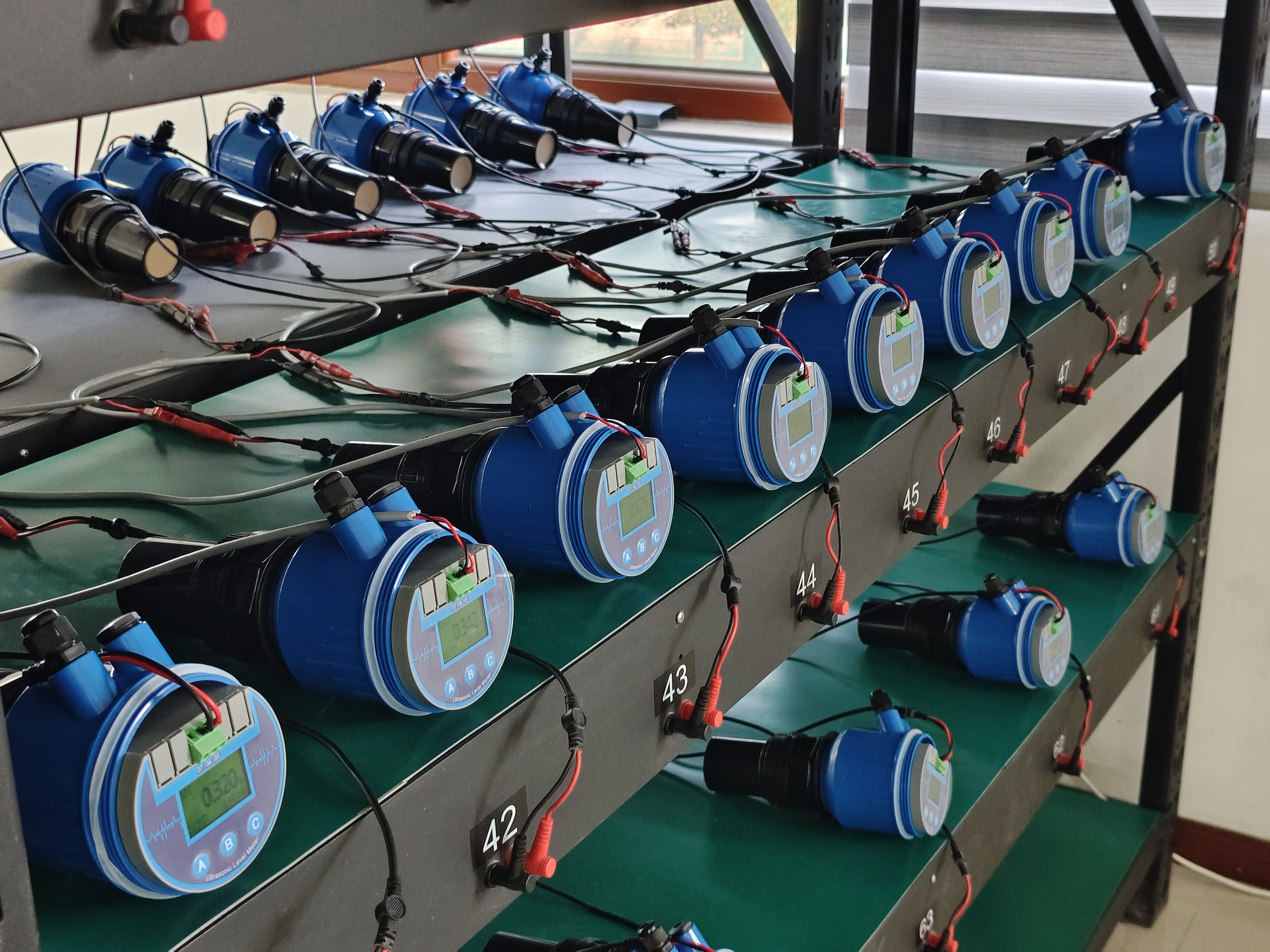
Standard off-the-shelf water quality sensors often fail when deployed in challenging conditions such as high-turbidity sewage tanks, saltwater aquaculture farms, or oil‑contaminated water. Buyers frequently face biofouling, chemical corrosion, signal drift, and incompatibility with IoT/SCADA systems. These issues lead to increased maintenance costs and unreliable data—undermining both operational efficiency and regulatory compliance.
KACISE Approach: Parameter‑Specific Sensor Lines for Targeted Applications
KACISE addresses this by offering distinct sensor families tailored to measurement parameters and working conditions. The product line includes Dissolved Oxygen (DO) Sensors, COD Sensors, Turbidity Sensors, pH/ORP Sensors, Conductivity Sensors, Ammonia Nitrogen Sensors, Residual Chlorine Sensors, Oil‑in‑Water Sensors, and Multi‑Parameter Monitors. For example:
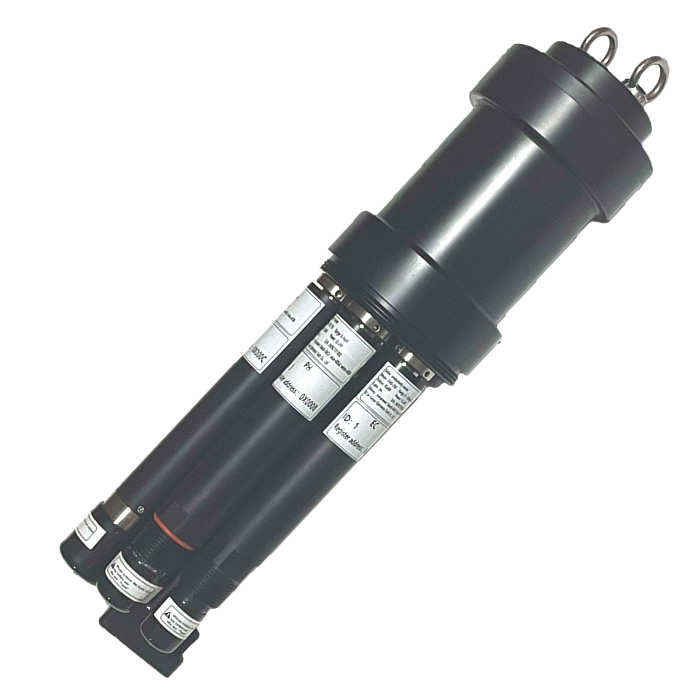
- The KWS‑800 Online Multi‑Parameter Water Quality Monitoring System measures up to seven parameters (fluorescent DO, 4‑electrode conductivity, fiber turbidity, digital pH/ORP, chlorophyll, oil in water) plus temperature, with titanium alloy + 316L stainless steel housing and IP68 rating—suitable for river, lake, and marine monitoring.
- The KWS‑200 Online Ammonia Nitrogen Sensor uses an ion‑electrode method with automatic temperature and pH compensation (no reagents), ideal for freshwater aquaculture and surface water monitoring.
- The KWS‑630 Fluorescence Dissolved Oxygen Sensor employs the fluorescence lifetime method, requiring no electrolyte and no minimum flow rate, with self‑cleaning optional—designed for aquaculture and wastewater.
Technical Foundation: Digital Outputs, Automatic Cleaning, and IoT Compatibility
All KACISE water quality sensors feature RS‑485 (Modbus/RTU) digital outputs for seamless integration with PLCs, SCADA, and IoT platforms. Many models incorporate automatic cleaning brushes (e.g., KWS‑1003 Oil‑in‑Water, KWS‑150 COD) and anti‑fouling optical designs (e.g., KWS‑960C Turbidity) to ensure long‑term stability in harsh environments. Temperature compensation (built‑in Pt1000) and multi‑point calibration further enhance accuracy. The KWS‑800, for instance, includes a waterproof connector and an all‑in‑one design that minimizes field wiring complexity.
Application Scenarios: Verified Deployments Across Industries
KACISE sensors have been validated in real‑world projects spanning multiple sectors:
| Industry | Customer Type | Application | Products Used | Outcome |
|---|---|---|---|---|
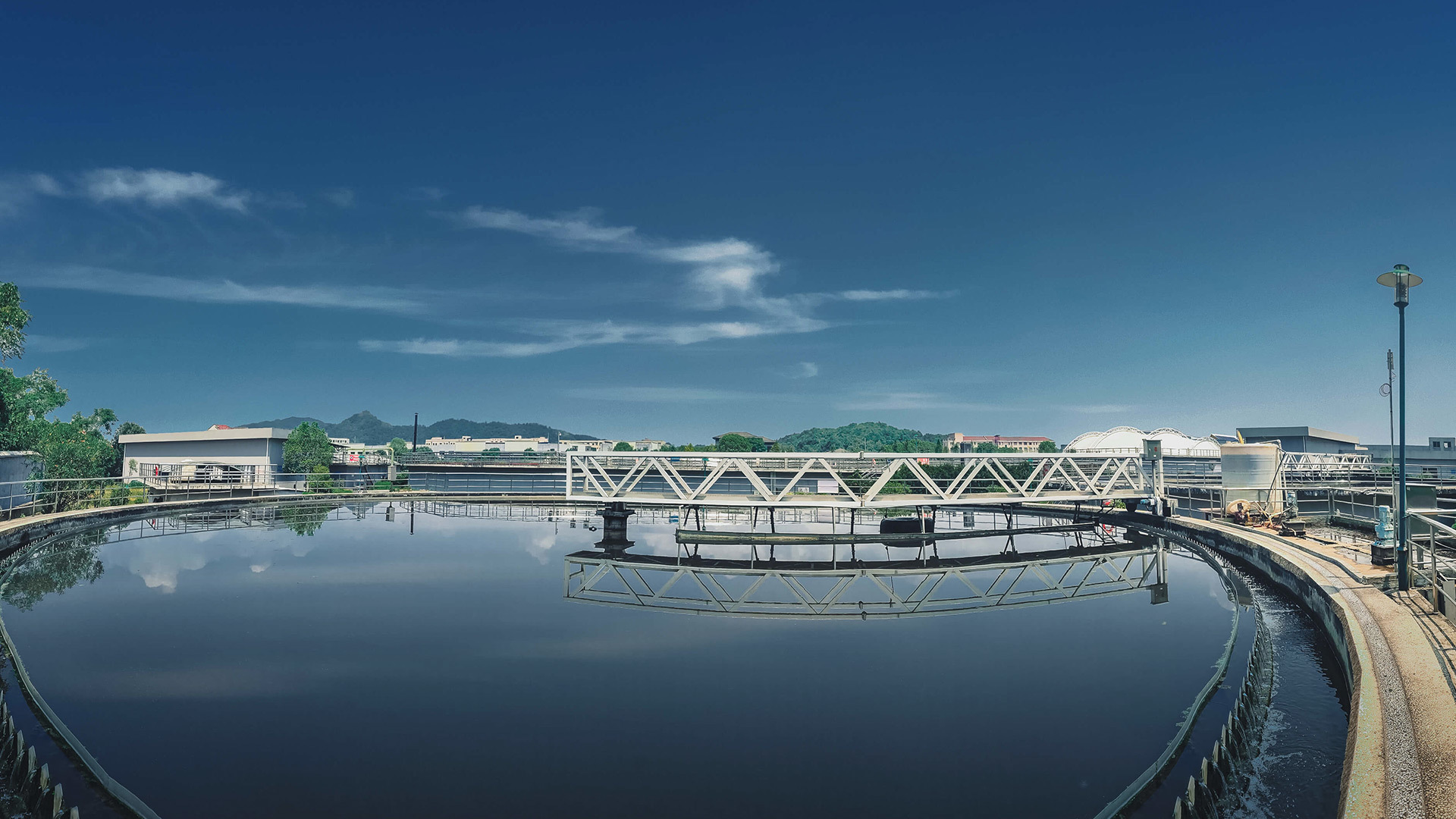
| Municipal Wastewater | Treatment Plant (UK) | Effluent quality monitoring | KWS‑800, KMPW520 | Compliant discharge, reduced manual sampling |
| Aquaculture | Fish Farm (Norway) | Dissolved oxygen & ammonia monitoring | KWS‑630, KWS‑200 | Increased fish survival rate |
| River Monitoring | Environmental Agency (UK) | Pollution detection & early warning | KWS‑910, KWS‑750, KMPW520 | Stable real‑time monitoring, improved response |
| Agricultural Runoff | Monitoring Station (Finland) | Nutrient runoff tracking | KWS‑450 (Chlorophyll) | Better agricultural pollution control |
Market Trend: IoT‑Enabled Water Quality Management Accelerates
The global water quality sensor market is projected to grow from USD 5.74 billion in 2024 to USD 9.10 billion by 2030 (CAGR 8.1%), according to Grand View Research. IoT‑enabled water quality management is expected to see a robust CAGR of 16.23% through 2030. Asia Pacific held a 46.5% revenue share in 2023, with China as a major growth driver. KACISE, headquartered in Xi’an, China, exports 70% of its output to EU and USA markets—indicating alignment with global quality standards and logistics requirements.
Comparison with Traditional Approaches
Traditional single‑parameter sensors often require multiple standalone devices, increasing installation complexity and cost. KACISE’s multi‑parameter approach consolidates measurements into one probe, reducing maintenance points.
One honest limitation: The integrated multi‑parameter sensor (e.g., KWS‑800) may have slightly higher upfront cost compared to a single‑parameter electrode, but the total cost of ownership is often lower due to reduced cabling, fewer controllers, and simplified calibration.
Future Outlook
As water quality regulations tighten globally and real‑time monitoring becomes the norm, project‑specific sensor selection will be a competitive differentiator. Manufacturers that combine broad product portfolios with customization capabilities (OEM/ODM, protocol tailoring) and robust after‑sales support will dominate. KACISE, with its 40,000 m² factory, monthly capacity of 5,000–8,000 units (depending on complexity), and 100% testing policy, is positioned to serve both standard and specialized project requirements.
Frequently Asked Questions
What certifications does KACISE water quality sensors have for drinking water applications?
While sensor‑specific certifications (e.g., NSF/ANSI 61/372) were not cited in the provided data, KACISE products comply with industrial standards such as EN IEC 61326‑1:2021 for electrical equipment used in measurement and control. Buyers should request certification documentation directly for drinking‑water applications.
Can I integrate KACISE sensors with my existing SCADA or PLC system?
Yes. All KACISE digital sensors support RS‑485 with Modbus/RTU protocol, a standard industrial communication interface. This enables straightforward integration with most SCADA, PLC, and IoT platforms without additional gateways.
What is the typical lead time for a project‑specific order?
For standard models, the shipping time is generally 5–8 working days after order confirmation. For custom ODM orders (e.g., modified output method, cable length, or protocol), lead times may extend but are quoted per project. The factory runs three shifts with a monthly capacity of up to 5,000–8,000 units depending on complexity.
What after‑sales support does KACISE offer?
KACISE provides remote technical support via email, phone, and WhatsApp. Spare parts and replacement sensors can be shipped from the Xi’an facility. For large‑scale projects, field commissioning assistance may be arranged through local partners in key export regions (EU, Middle East).
How do I choose between a multi‑parameter sensor and separate single‑parameter sensors for my project?
The key decision factor is space and maintenance budget. If your project requires continuous monitoring of 3+ parameters at a single measurement point, a multi‑parameter sensor (e.g., KWS‑800) reduces installation complexity and cabling. For distributed points where each parameter is measured at different locations, separate single‑parameter sensors may be more flexible.
Are you planning a water quality monitoring project? Contact KACISE to discuss your specific parameters, environment, and integration requirements.
Email: sales@kacise.com | WhatsApp: +86 180-6671-9659
Visit: www.kcsensor.com
¿Tiene preguntas o necesita más detalles?
Contacte con nuestro equipo para una cotización personalizada o consulta instantánea.
Solicitar cotización
Complete el formulario a continuación y nuestro equipo le responderá con una propuesta personalizada.
Chat directo de WhatsApp
¿Prefiere chatear en tiempo real? Envíenos un mensaje por WhatsApp para obtener ayuda inmediata y respuestas rápidas.
- Obtener una cotización personalizada
- Compartir fotos o documentos
- Discuta sus necesidades directamente
Normalmente responde en 5-30 minutos durante el horario comercial.