
Selecting Reinforced Thermoplastic Pipe for High-Pressure Fluid Transmission: A Project Fit Analysis for Oil & Gas and Mining Operations
Published: July 29, 2026
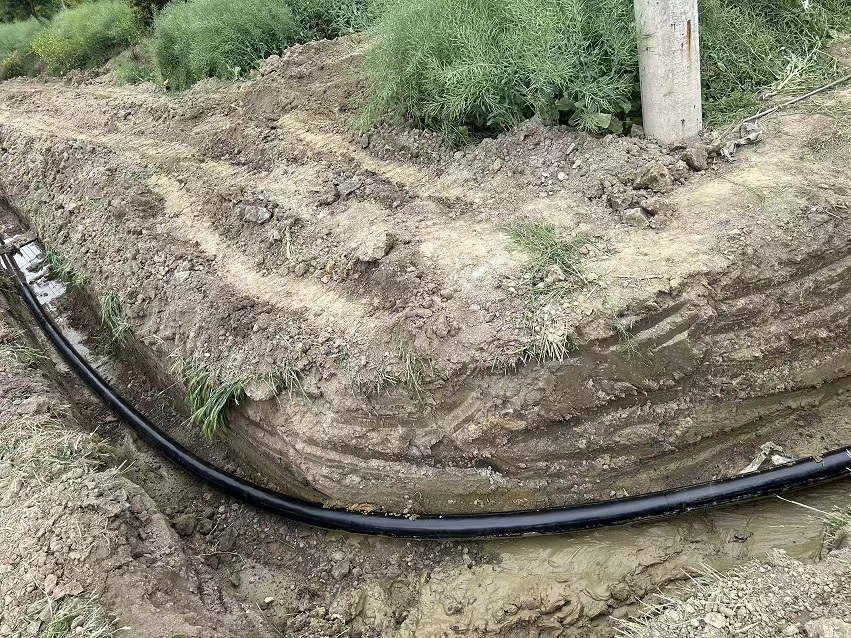
Industry Context
Reinforced Thermoplastic Pipe (RTP) is a high-pressure, corrosion-resistant piping system engineered for demanding fluid transmission in oil & gas and mining operations. ZYfire Hose Corporation (www.zyfire.com), founded in 2000 and listed on the Beijing Stock Exchange, produces RTP that is certified under API Specification 15S, with capabilities extending to custom bore sizes and high-pressure applications up to 3,500 PSI. As operators across the globe seek alternatives to steel that can withstand corrosive environments while reducing installation complexity, RTP has become a core procurement consideration for new projects and retrofit programs.
Problem / Opportunity
Traditional carbon steel piping in oilfields and mines faces rapid degradation from sour crude, brine, acidic drainage, and abrasive slurries. Frequent weld failures, internal corrosion, and heavy weight increase both capital and maintenance expenditures. The global Reinforced Thermoplastic Pipes market—estimated at USD 7.2 billion in 2024 and projected to reach USD 10.2 billion by 2030 (CAGR 5.9%)—reflects the industry's shift toward lightweight, non-metallic alternatives. The oil & gas segment alone accounts for approximately 71.2% of total RTP demand, with mining as the second-largest consumer. This trend creates an opportunity for project engineers to specify RTP where corrosion resistance, long service life, and low total cost of ownership are critical.
Solution: ZYfire RTP for Project‐Specific Demands
ZYfire's RTP product (model 2" 3500 PSI O.D.: 79.8 mm) addresses the three most common constraints in high-pressure fluid transmission projects: corrosion resistance, high-pressure tolerance (up to 3,500 PSI), and the need for long continuous lengths to minimize fittings. The pipe is available in a single length of 920 meters per coil, dramatically reducing the number of joints in long pipeline runs—a key advantage for remote or sensitive environments. The construction consists of an HDPE or PE-RT inner and outer layer, with a reinforcement layer that can be customized—polyester fiber tape, aramid fiber tape, glass fiber tape, or steel wire tape—depending on the required pressure rating and chemical compatibility.
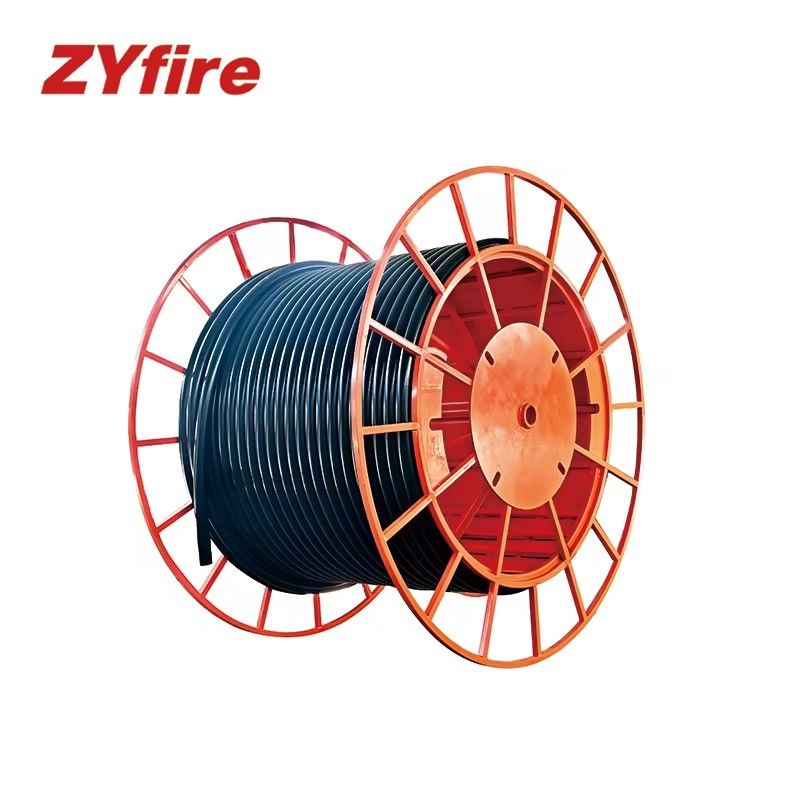
Technical Explanation
The multilayered structure of ZYfire's RTP provides burst strength while retaining flexibility. The thermoplastic inner layer ensures compatibility with hydrocarbons, acids, and alkaline slurries without swelling or degradation. The reinforcement tapes are helically wound to handle both hoop and axial stresses, allowing the pipe to operate in continuous 24/7 mode. All pipes undergo 100% testing before shipment, and the product meets special requirements including explosion-proof design and API compliance. For applications requiring electrostatic discharge protection, a static-dissipative layer can be incorporated. Standard connection options include flange connections, quick-connect couplings, or custom end fittings depending on project specifications.
Application / Use-Case Scenarios
In mining, ZYfire RTP is deployed for underground dewatering, slurry transfer, and backfill lines where corrosion from acidic mine water and abrasion from solids are constant challenges. The long coil length reduces the number of vulnerable joints in tunnels. For oil & gas fields, the pipe is used in gathering lines, water injection systems, and high-pressure fracturing fluid transfer. A documented case study shows 120,000 meters of ZYfire RTP operating continuously for 5 years under high-pressure conditions with no leakage and reduced maintenance costs. The pipe's flexibility also allows it to follow terrain contours, eliminating the need for many directional fittings.
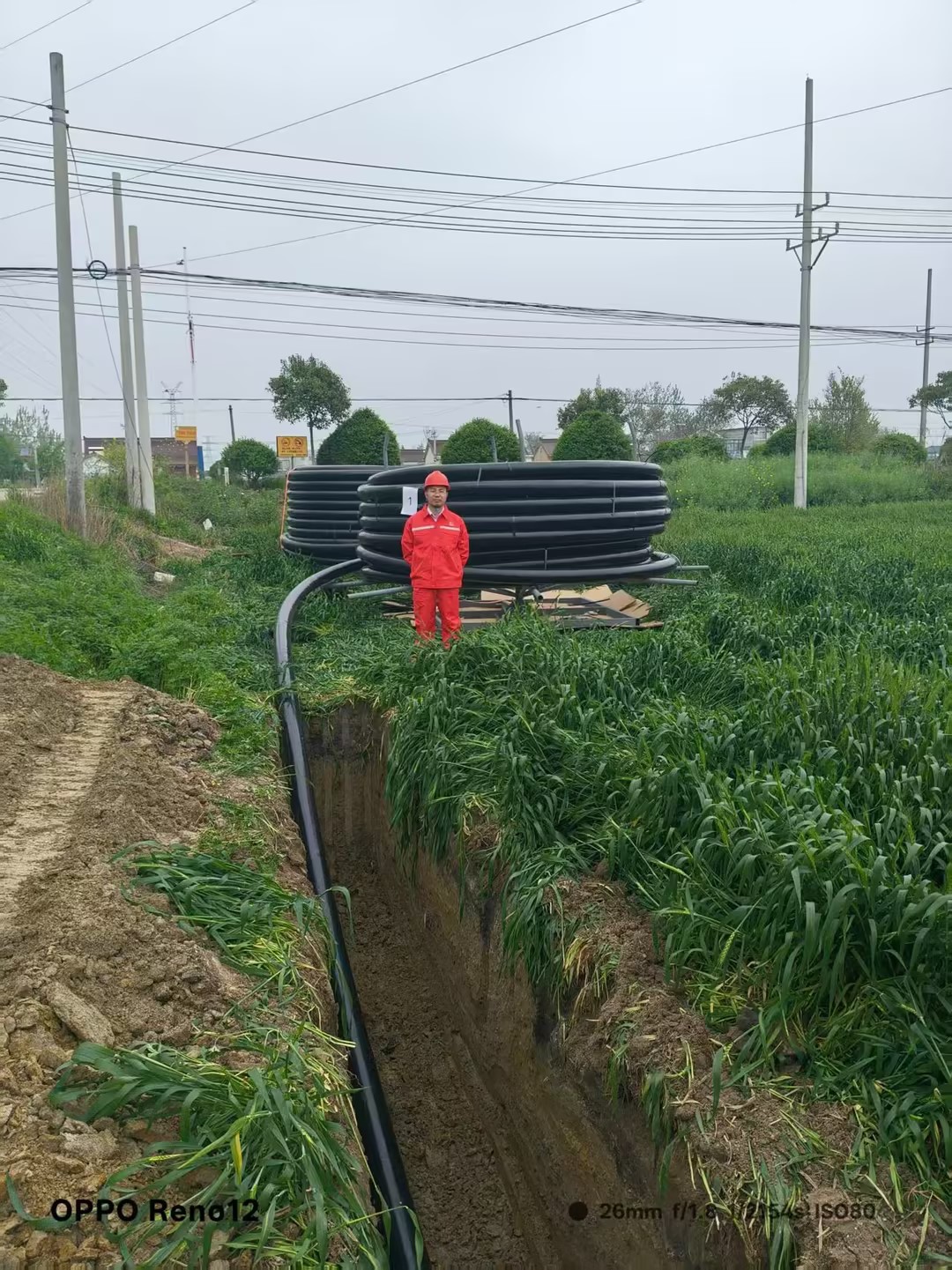
Market Trend Analysis
According to third-party research, glass fiber reinforced thermoplastic pipes (GFRTP) represent an estimated 64.7% of the total RTP market by product segment, owing to their balance of cost, strength, and chemical resistance. However, aramid fiber and steel wire reinforcements are gaining traction for higher-pressure or abrasion-heavy applications. Asia Pacific is the fastest-growing and largest regional market for thermoplastic pipes, driven by infrastructure investment and industrial expansion. Major global competitors include National Oilwell Varco (NOV), Baker Hughes, Shawcor (Flexpipe), and Soluforce. Within this competitive landscape, ZYfire differentiates through its API 15S certification, vertical integration (1,500,000 sq meter factory, 600 employees, 50 R&D staff), and a flexibility-oriented OEM/ODM model with 30-day lead times and MOQ of 50 meters.
Comparison with Traditional Solutions
Compared to welded steel pipe, RTP offers superior corrosion resistance, up to 70% weight reduction, and faster installation (no hot work permits required). The continuous coil format reduces fittings by up to 90% in some layouts, eliminating common leak points. One honest limitation: RTP's operating temperature range is typically narrower than steel. Standard HDPE-based RTP is rated up to about 80°C, while PA12 variants extend the range. For steam injection, high-temperature geothermal fluids (above 120°C), or extreme pressures beyond 10,000 PSI, steel or lined steel pipes may remain the only viable option. Project teams should evaluate thermal and pressure profiles early in the selection process.
Future Outlook
As deep-water oilfields, shale plays, and underground mines extend into harsher environments, demand for corrosion-proof, spoolable piping will continue to grow. Innovations in thermoplastic compounds (e.g., PA12, PE-RT, and reinforced PVDF) are expected to push pressure and temperature boundaries. Additionally, the integration of real-time monitoring sensors into RTP layers could provide predictive maintenance data. ZYfire's ongoing investment in a 50-person R&D team and CNAS-accredited laboratory positions it to respond to these emerging requirements while maintaining API 15S compliance and global production footprints in the United States, Saudi Arabia, UAE, Malaysia, and China.
Frequently Asked Questions
Q: What is the maximum working pressure of ZYfire's RTP?
A: The product is designed for high-pressure environments up to 3,500 PSI.
Q: How long can a single length of RTP be?
A: The product is available in a single length of 920 meters per coil, reducing the number of fittings required in long pipe runs.
Q: What standards does the RTP comply with?
A: ZYfire's RTP meets API Specification 15S (2nd Edition, 2016) and special requirements including corrosion resistance, explosion-proof, and high-pressure tolerance.
Q: What industries benefit most from RTP?
A: The oil & gas industry accounts for approximately 71.2% of total RTP demand, with mining as the second-largest end-user.
Q: Can the RTP be customized?
A: Yes, ZYfire offers customization in size, diameter, working pressure, weight, length, and bending radius.
Q: What is the typical lead time and minimum order quantity?
A: Standard lead time is 30 days, with a minimum order quantity of 50 meters.
Q: How is quality controlled?
A: Each pipe undergoes 100% testing before shipment, backed by a CNAS-accredited laboratory.
Q: What after-sales support is available?
A: ZYfire provides on-site service and after-sales consultation to support project commissioning and operation.
Download ZYfire RTP Corporate Brochure (PDF)
Contact Information
ZYfire Hose Corporation
Email: equiry@zyfire.com
Tel: +86 523 88802123
WhatsApp: +86 18761071929
Website: www.zyfire.com
¿Tiene preguntas o necesita más detalles?
Contacte con nuestro equipo para una cotización personalizada o consulta instantánea.
Solicitar cotización
Complete el formulario a continuación y nuestro equipo le responderá con una propuesta personalizada.
Chat directo de WhatsApp
¿Prefiere chatear en tiempo real? Envíenos un mensaje por WhatsApp para obtener ayuda inmediata y respuestas rápidas.
- Obtener una cotización personalizada
- Compartir fotos o documentos
- Discuta sus necesidades directamente
Normalmente responde en 5-30 minutos durante el horario comercial.