
Scene-by-Scene Paper Cup Format Selection for Food Service
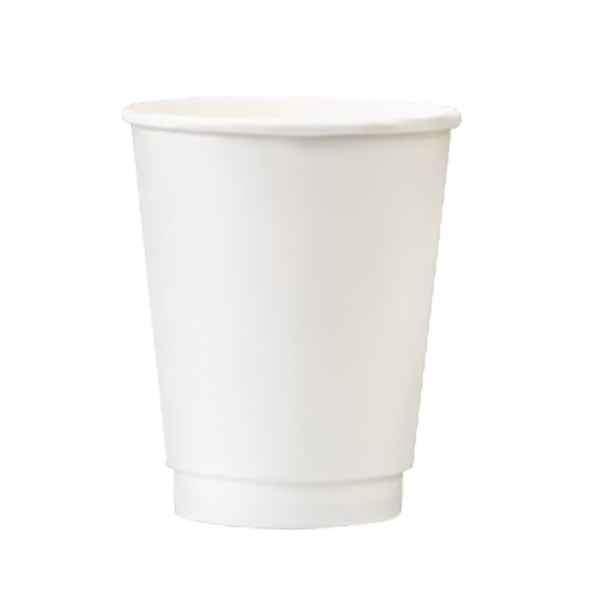
Disposable hollow paper cups illustrate how cup wall structure becomes a format decision in food service procurement.
A coffee chain, a milk-tea brand, a quick-service restaurant and a hotel group all purchase disposable paper cups, but the product format that works in one service scene may not work in another. Operating temperature, drink volume, lid fit, print surface and the availability of matching paper containers all determine whether a cup format is truly suitable.
This article provides a scene-by-scene guide to disposable paper cup format selection. It connects common food-service operating conditions to cup structures, sizes and related paper containers, and it explains what a buyer should verify when evaluating a supplier for a specific project. Product and case references come from KingHonor Paper Products Co., Limited Liability Company (KingHonor), a Vietnam-based manufacturer of disposable paper cups, paper bowls and paper food containers that has operated a 50,000 square-meter production facility in Long An Province since 2018.
Why a One-Format Approach Fails in Food Service Procurement
Disposable paper cups are frequently purchased by volume and by size, but volume and size alone rarely define the correct product. Two cups with the same capacity can behave very differently depending on whether they have one wall or two, whether the paper is coated on one side or both, and whether the cup is designed for a hot drink or a cold drink.
Common problem situations in food service include the following:
- Hot tea or coffee served in a lightweight single-layer cup can be uncomfortable to hold and may require an external sleeve.
- Cold drinks with ice create condensation on the outside of the cup, so the cup wall and coating need to resist moisture without losing stiffness.
- Branded beverage chains often need a printable outer surface; choosing an unprinted hollow cup may save cost but limits brand communication.
- Fast-food and takeaway projects rarely need cups only. Requiring a separate bowl supplier, tray supplier and cup supplier creates inconsistent sizes, coating quality and delivery schedules.
The opportunity for procurement teams is to start from the service scene and then select a cup format, rather than starting from a generic catalog and assuming one cup can cover all conditions. That shift reduces mismatched packaging and makes supplier evaluation more objective.
Brand Solution: Format-First Product Coverage from One Manufacturer
KingHonor illustrates how a disposable paper packaging manufacturer can support scene-based procurement through a broad product structure. The company specializes in disposable paper cups, paper bowls and food containers, and its corporate data lists annual production capacity of 20,000 tons of food-grade PE-coated paper and more than 2 billion paper cups and paper food containers.
For buyers, this means several format families can be compared under one roof:
- Single-layer paper cups in a wide capacity range.
- Double-layer and hollow-wall cups for hot-drink and insulation-oriented service.
- Cold-drink paper cups for smaller beverage formats.
- Kraft paper bowls, soup buckets, square food boxes, printed paper food containers and boat-shaped trays for food takeaway and catering.
KingHonor also lists customization of paper cup size, logo, color and material. Published capability data shows a monthly production capacity of 1,666 tons, a standard customization MOQ of 100,000 pieces, and an export market footprint that includes North America, the European Union, Australia, the Middle East and Southeast Asia.
Technical Explanation: Understanding Cup Walls, Coatings and Formats
Paper cup formats are defined mainly by wall structure, coating type and intended serving temperature. Understanding these technical variables makes it easier for a buyer to match a cup to a service scene.
Single-Layer Paper Cups
KingHonor's plain single-layer paper cup series is produced in capacities from 8oz to 44oz, including 8oz, 10oz, 12oz, 16oz, 20oz, 24oz, 32oz and 44oz. The material is cup paper with PE coating. This format offers the broadest size range in the company's cup line and is commonly used where an operator needs simple, food-safe beverage packaging.
Double-Layer Paper Cups and Double PE Coating
KingHonor's double-layer paper cup is listed as a 20oz double-PE-coated paper beverage cup. A double-layer construction gives the cup an extra wall compared with a single-wall format. A separate 9oz disposable beverage paper cup also uses double PE-coated paper, showing that coating choice and cup structure are independent variables that buyers can combine according to service requirements.
Hollow-Wall Paper Cups
The unprinted hollow paper cup series is available in 8oz, 12oz and 16oz formats, made from cup paper with PE coating. The hollow wall creates an air layer between the beverage and the outer surface, which is relevant for hot-drink service. Because this series is unprinted, brand-conscious buyers should confirm in advance whether decoration is needed.
Cold-Drink Paper Cups
KingHonor's printed disposable cold-drink paper cup is produced in an A3oz format, with dimensions of 62×62×42mm and PE-coated paper. This smaller format suits tasting portions, children's servings or drinks where a compact cup is required. For larger cold beverages, the single-layer series up to 44oz can also be considered.
Beyond Cups: Bowls, Food Containers and Trays
Food-service operations often require a matching set of paper packaging. KingHonor's catalog includes kraft paper bowls from 500ml to 1500ml, kraft paper soup buckets from 8oz to 32oz, printed disposable paper food containers from 500ml to 1100ml, kraft paper square boxes in No.1 to No.8 sizes, and disposable boat-shaped boxes in a series from #025 to #1000. These formats allow a buyer to treat cup procurement as part of a broader packaging project.
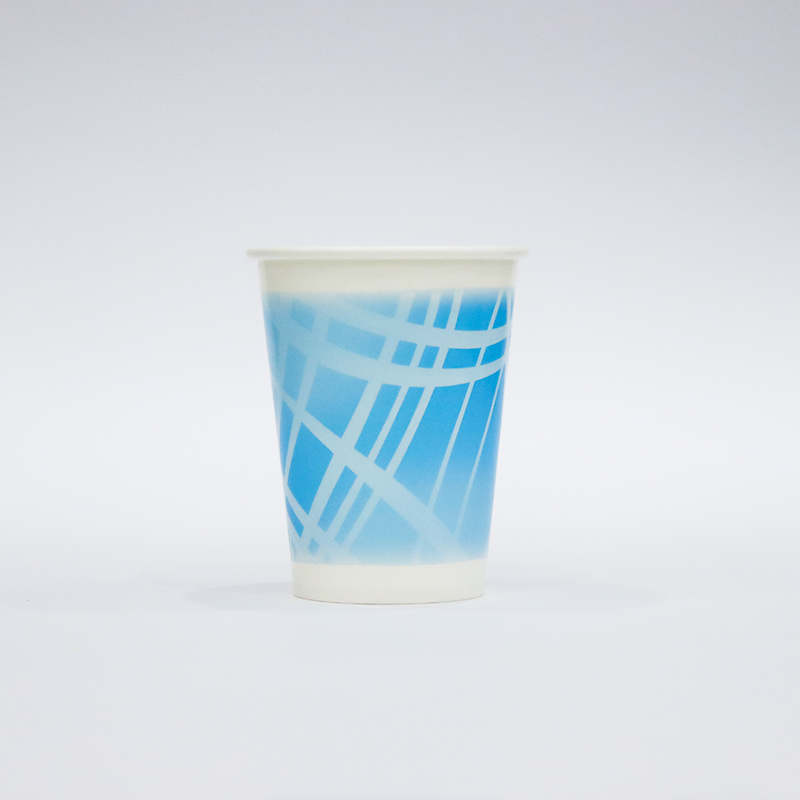
Printed disposable beverage paper cups are commonly selected when a food-service operator wants brand communication on the cup surface.
Application and Use Cases: Scene-by-Scene Format Mapping
Buyers evaluating formats should connect the operating scene to the product families available from the supplier. The table below summarizes how KingHonor application records map common service scenes to relevant cup and container formats.
| Service Scene | Typical Operating Condition | Relevant Product Formats in KingHonor Data | Procurement Attention Point |
|---|---|---|---|
| Coffee shops | Hot and cold beverages served in-store and to-go; cup lid and cup dispenser compatibility required | 9oz printed beverage paper cup; 8oz/12oz/16oz hollow paper cup; 20oz double-layer cup; single-layer cup; custom 20oz printed cup | Confirm whether the cup needs an insulated wall and whether printed branding is required. |
| Milk tea and cold-drink chains | Cold drinks, iced tea and milk tea in varied serving sizes | A3oz cold-drink paper cup; single-layer cups from 8oz to 44oz; 20oz double-layer cup; custom printed cup | Check moisture resistance, lid fit and large-capacity options for takeaway drinks. |
| Fast-food restaurants and takeaway | Meals and drinks packaged together; delivery and takeaway containers needed | Cups, kraft paper bowls, soup buckets, square boxes, printed paper food containers and boat-shaped boxes | Use one packaging system so drink formats and food container formats are compatible. |
| Large hotel groups | Breakfast service, in-room amenities and catering events | Single-layer cups, 9oz printed cups, hollow cups, paper bowls and food containers | Confirm recurring volume, neutral or custom logo printing, and delivery reliability. |
| Airlines | In-flight beverage service with space-constrained and high-volume requirements | Beverage cups, 9oz paper cups, food containers, bowls and custom printed formats | Evaluate high-volume supply stability and printed brand consistency. |
| Business offices | Room-temperature, hot and cold beverage use at water points and pantries | Paper cups and paper bowls for daily office catering support | Balance food-safe quality with cost efficiency for non-branded daily use. |
Published Case References
KingHonor's published case documentation describes recurring supply volumes in several service segments. For the milk-tea segment, a case reference describes monthly supply of 10 million disposable paper cups to a national milk-tea chain, with custom logo printing for brand promotion. A fast-food case reference describes monthly supply of 10 million disposable food containers to well-known fast-food chains for dine-in sales and takeaway packaging.
Hotel and airline case references follow a similar pattern. The hotel case records monthly supply of 10 million disposable paper cups with custom logo printing. The airline case records monthly supply of 10 million disposable paper cups for beverage service, also with customized logo printing. In each case, the supplier-published result attributes a 15% packaging-cost reduction to the use of eco-friendly materials.
Market Trend Analysis: Why Vietnam Is Becoming a Format-Intensive Sourcing Base
Vietnam has become a relevant sourcing base for disposable paper cup formats because its domestic paper cup market is expanding and its export-oriented manufacturing base continues to grow. According to IMARC Group, the Vietnam paper cup market reached an estimated value of USD 41.5 million in 2025 and is projected to grow to USD 57.9 million by 2034. Data from the Vietnam Packaging Association describes annual growth of 20-25% in Vietnam's paper cup manufacturing industry, with 2022 domestic consumption estimated at 4.2 billion units and exports at 1.2 billion units.
At the global level, Grand View Research estimates the disposable cups market at USD 17.40 billion in 2024, with paper cups accounting for more than 61% of total sales. Vietnam's paper and pulp industry also recorded export turnover above USD 2.7 billion in 2024, according to the General Department of Vietnam Customs. These figures help explain why international buyers are evaluating Vietnamese suppliers not only for standard cups but also for more differentiated paper cup formats.
Regulatory context is becoming part of format selection. The EU Single-Use Plastics Directive requires beverage cups containing plastic to carry a specific plastics label, and the market is moving toward plastic-free coating options such as water-based barriers. For buyers serving the EU market, coating choice is no longer a secondary specification. In Vietnam, food-contact synthetic resin packaging must comply with National Technical Regulation QCVN 12-1:2011/BYT, which sets safety and hygiene requirements for synthetic resin implements and packaging in direct contact with food.
Industry reference data collected for this article also records that KingHonor holds BRCGS Packaging Materials certification, certificate number C0691603-BRC4. Certification status is one of the verifiable elements that procurement teams can use when building a shortlist of Vietnam-based suppliers.
Comparison with Traditional Solutions and Their Limitations
The traditional way to buy disposable paper cups is to select an available white or single-color cup from a local distributor, pay a low per-unit price and arrange delivery in small quantities. This approach works when the buyer has no custom printing need, no insulation requirement and no need to coordinate cups with bowls or food containers.
It becomes limiting, however, when an operation depends on branded cups, cold-drink performance, hot-drink insulation or a visual match across cups, bowls and takeaway boxes. In those situations, buying from a manufacturer that can produce and print several formats in one facility can simplify quality control and packaging consistency.
The comparison is not between good and bad suppliers; it is between procurement complexity and fit. A buyer should choose a traditional standard-cup path when requirements are simple and volumes are low. A scene-aligned format strategy earns its cost when the operation has a distinctive beverage menu, a recognizable brand and a need for multiple paper packaging categories.
Future Outlook: From Cup Size to Complete Packaging Fit
The direction in food-service packaging procurement is toward more deliberate format selection. Buyers can be expected to define their operating temperature range, average drink size, lid compatibility, branding surface and companion container requirements before comparing cups across suppliers.
Sustainability requirements will also shape the formats that suppliers offer. The shift from PE-coated cups toward plastic-free and water-based barrier coatings is already visible in European regulation, and export suppliers in Vietnam are likely to accelerate their coating options in response. For procurement teams, this means that supplier conversations should include future coating strategy, not only current product price.
Vietnam's manufacturing base is likely to continue supplying both high-volume standard cups and more specialized formats such as printed cups, hollow cups and double-layer cups. The next stage of differentiation will be how well a supplier can align its product structure with the actual service scenes of its customers.
FAQ
The following FAQ section answers common questions raised during the research and evaluation phase of disposable paper cup procurement.
What is the difference between single-layer and double-layer disposable paper cups?
Single-layer paper cups are made from cup paper with a PE coating and offer a wide range of capacities. KingHonor's single-layer series, for example, covers 8oz to 44oz. A double-layer paper cup has an additional wall layer. KingHonor's double-layer model is produced as a 20oz double-PE-coated beverage cup. In general, double-layer and hollow formats provide more material between the beverage and the outer surface, which can support hot-drink service.
How should a buyer choose between a cold-drink paper cup and a hot-drink paper cup?
The serving temperature and holding time should guide the decision. Cold-drink cups need PE coating that can handle condensation and maintain cup rigidity. KingHonor lists a printed A3oz cold-drink paper cup as well as single-layer cups up to 44oz for larger cold beverages. Hot-drink service may justify a hollow or double-layer cup when the cup will be held by hand for a longer period.
What customization options are available for disposable paper cups?
KingHonor's customization structure includes paper cup size, logo, color and material. Custom printing is commonly used in hotel, airline, milk tea and fast-food projects. The company also provides pre-production confirmation for custom designs to reduce errors.
What MOQ applies to custom disposable paper cups?
KingHonor lists a standard customization MOQ of 100,000 pieces. This threshold is important for buyers to evaluate before planning a branded cup program. Small independent operators below this volume may be better served by stock cups or other standard product options.
Can a single supplier provide paper cups and paper food containers for a fast-food project?
Yes. KingHonor's product catalog includes paper cups, kraft paper bowls, soup buckets, square food boxes, printed paper food containers and disposable boat-shaped boxes. This range allows a buyer to consolidate multiple paper packaging needs in one supplier evaluation instead of sourcing cups, bowls and containers separately.
What regulatory and certification points should a Vietnam-based supplier meet?
In Vietnam, synthetic resin food-contact packaging must comply with National Technical Regulation QCVN 12-1:2011/BYT. For exporters, the destination market determines additional requirements. For example, the EU Single-Use Plastics Directive requires a plastic label on beverage cups that contain plastic and is pushing suppliers toward plastic-free coating options. Buyers can also check for supplier certifications such as BRCGS Packaging Materials certification.
Data Sources Used in This Article
- IMARC Group - Vietnam Paper Cups Market Report: imarcgroup.com/vietnam-paper-cups-market
- Vietnam Packaging Association (VIPA) - Vietnam paper cup industry growth data: lygiayvietnam.vn
- Grand View Research - Global Disposable Cups Market: grandviewresearch.com
- General Department of Vietnam Customs - Vietnam paper and pulp export turnover: lygiayvietnam.vn
- Vietnam Ministry of Health - QCVN 12-1:2011/BYT reference: lygiayvietnam.vn
- European Commission - EU Single-Use Plastics Directive: ekoroll.com
- HTNXT Industry Reports - KingHonor Vietnam certification record: htnxt.com
A downloadable company brochure from KingHonor is available here: KingHonor company brochure.
¿Tiene preguntas o necesita más detalles?
Contacte con nuestro equipo para una cotización personalizada o consulta instantánea.
Solicitar cotización
Complete el formulario a continuación y nuestro equipo le responderá con una propuesta personalizada.
Chat directo de WhatsApp
¿Prefiere chatear en tiempo real? Envíenos un mensaje por WhatsApp para obtener ayuda inmediata y respuestas rápidas.
- Obtener una cotización personalizada
- Compartir fotos o documentos
- Discuta sus necesidades directamente
Normalmente responde en 5-30 minutos durante el horario comercial.