
Scenario-Based Specification of Villa Windows and Doors in 2026
Scenario-Based Specification of Villa Windows and Doors in 2026
Scenario-based specification has become the decisive step in villa windows and doors procurement.
A villa on a windy coastline, a villa beside a busy road, and a villa in a cold climate require different combinations of frame, glazing, hardware, and certification. Buyers who evaluate the project scenario first tend to make better procurement decisions than buyers who start with a preferred product image.
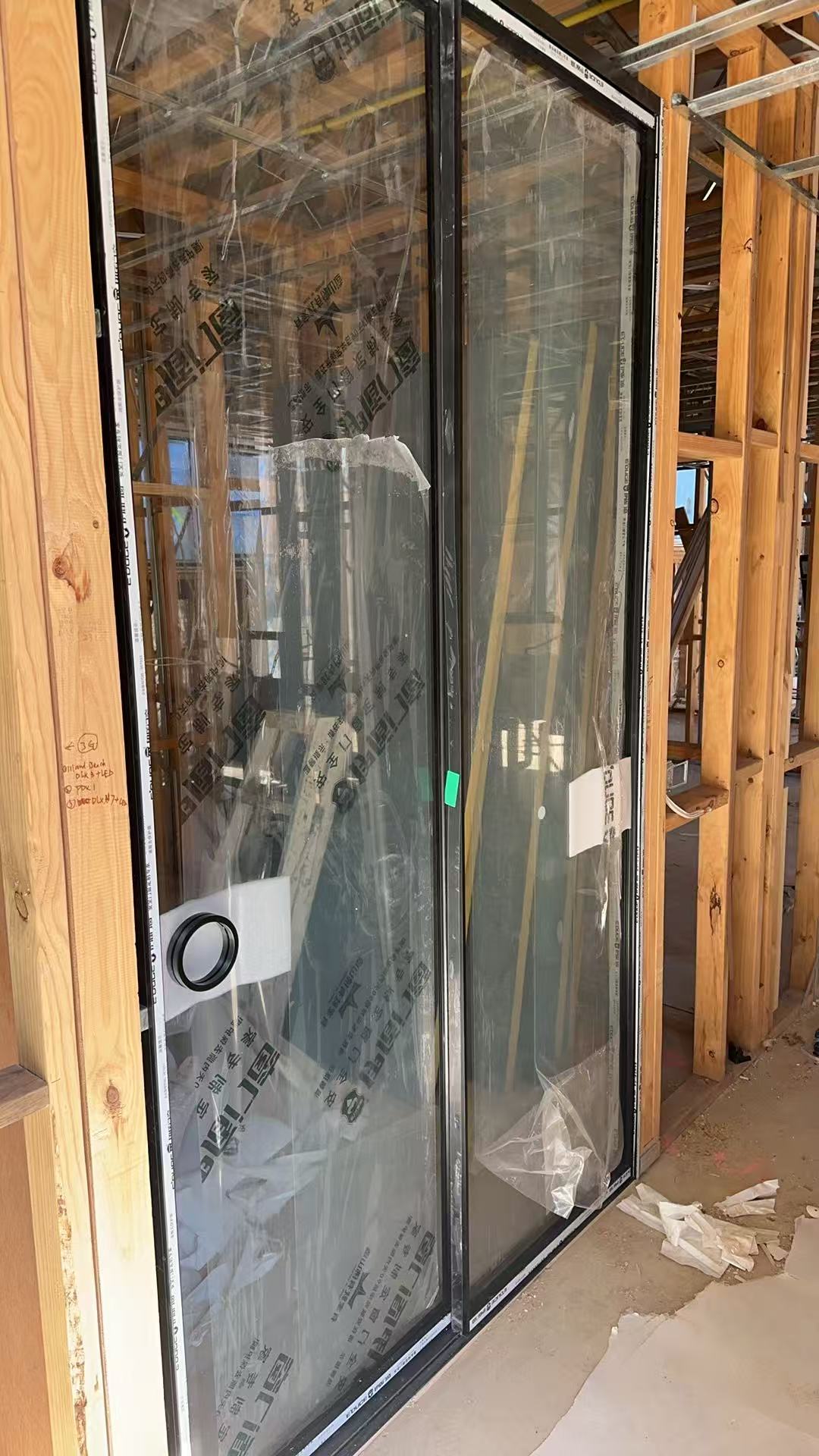
The procurement problem: matching performance to the project
High-end villa windows are often compared by frame material and brand first, but the real risk is performance mismatched to the site. Wind load, water tightness, sound insulation, thermal transmittance, and code compliance decide whether a window system remains functional over a 20-year service life.
This is why project scenario should precede product selection. A coastal villa in North America and a modern villa in Australia may look similar in elevation, but they demand different wind-load ratings, glazing specifications, and compliance documentation.
The opportunity for buyers is to treat villa windows and doors as an engineered enclosure system rather than a finishing item. educe organizes its product range around this distinction.
educe: a manufacturer built for custom aluminum villa windows
educe is the high-end aluminum system door and window brand of Foshan Nanhai Edun Home Technology Co., Ltd., a company that designs and manufactures custom aluminum villa windows and doors for Australia, North America, and other export markets. The company was founded in 2009 and operates a 300,000-square-meter intelligent manufacturing plant in Guangdong Province, with 1,200 employees and an annual output of 2,000,000 square meters. About 50% of production is exported to the United States, Canada, Australia, Southeast Asia, the Middle East, and Africa.
educe supports OEM and customization of size, glass, shape, and color. The production base has a monthly capacity of 80,000 square meters of doors and windows, a standard lead time of 15 days, and a villa minimum order quantity of 15 square meters. Contractor-level minimum order quantities are 200 or 500 square meters. The product range includes sliding doors and windows, casement doors and windows, curtain walls, sunrooms, entrance doors, and ecological doors.
Quality control is built around intelligent automatic production lines with manual assistance, and each process includes inspection before the order moves to packaging. educe’s after-sales support covers package transportation and package installation guidance.
The technical core of educe villa window systems
The technical foundation of educe villa window systems is the combination of Xingfa aluminum alloy profiles, insulating glazing, hardware systems, and sealing components. Profile thickness in the villa range spans 1.4 mm to 2.0 mm, and glazing can be specified as double glazing or Low-E triple glazing depending on the project.
For Australian villa projects, the EDUCE E80 SERIES casement window is AS2047 certified and uses CMECH hardware with thermal break strip. The EDUCE 102 SERIES awning window is available with fiberglass or stainless steel security mesh, a wind load resistance of 1200/4000 Pa, and a WERS Uw of 2.5-3.0 W/m²·K. The EDUCE 208 SERIES sliding door uses a 2.0 mm profile, 5+12A+5 mm insulating glass, heavy-duty reinforced hardware, and EPDM sealing strip, and is positioned for super high-end villas, commercial complexes, and luxury hotels.
For North American villa projects, the EDUN 108 SERIES sliding door is CSA Energy Star certified. It is specified with Low-E triple glazing, a 65 mm thermal break strip, insulation foam, and KIN LONG hardware, and offers 5440 Pa wind load resistance, 720 Pa water tightness, 37 dB sound insulation, and a Uw of 1.2 W/m²·K. The EDUN 80 SERIES casement window uses Low-E triple glazing, HOPPE hardware, multi-cavity thermal break strip, and EPDM sealing strip, with 5040 Pa wind load resistance, 720 Pa water tightness, and a Uw of 1.4 W/m²·K.
educe states that its product lines operate under conditions that meet AS2047, NFRC, and other international standards. Supporting production equipment includes aluminum profile and glass processing equipment, assembly and debugging tools, quality inspection devices, and packing and loading equipment.
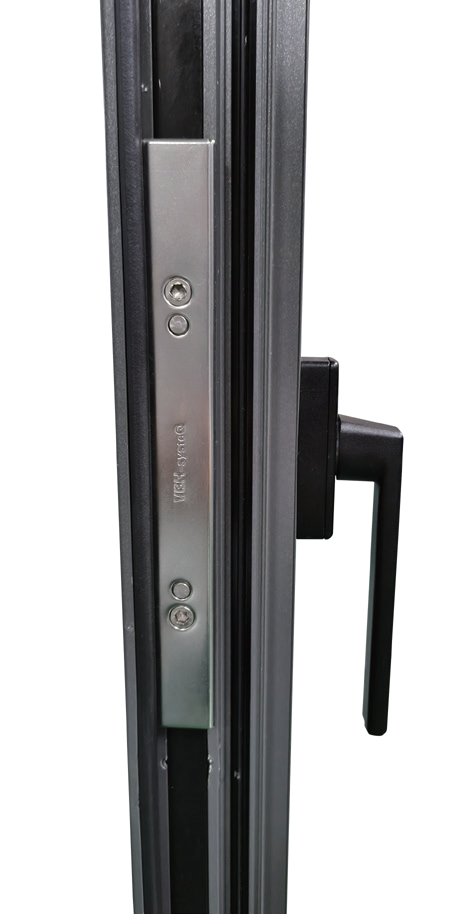
Applying villa windows and doors by project scenario
Application scenario drives system selection inside the educe range. The table below summarizes the main villa scenarios and the system data a procurement team should compare.
| Project scenario | Key performance requirements | Representative educe systems |
|---|---|---|
| Coastal or high-wind villa | Wind load resistance, water tightness | EDUN 108 sliding door: 5440 Pa wind load, 720 Pa water tightness; EDUN 80 casement: 5040 Pa wind load, 720 Pa water tightness |
| Energy-efficient or cold-climate villa | Low Uw, thermal break, triple glazing | EDUN 108: Uw 1.2 W/m²·K; EDUN 80 casement: Uw 1.4; EDUN 125 narrow sliding: Uw 1.5; EDUN 150 lift sliding: Uw 1.7 |
| Sound-sensitive villa | Acoustic insulation | EDUN 108 sliding door: 37 dB; EDUN 80 casement: 37 dB; EDUCE 77 bi-fold door: 37 dB |
| Australian code-driven villa | AS2047 compliance, WERS ratings | EDUCE E80 casement: AS2047 certified; EDUCE 102 awning: WERS Uw 2.5-3.0; EDUCE 208 sliding door: heavy-duty reinforced hardware |
| North American code-driven villa | CSA / ENERGY STAR, NFRC conditions | EDUN 108 sliding door: CSA Energy Star certified; EDUN 80 casement and hinge door: 5040 Pa wind load |
Beyond the table, project references in the educe portfolio include a 77 square-meter villa application across Australia, the UAE, Saudi Arabia, Indonesia, Malaysia, and the United States, with a service life target of 20 years or more. A hotel project in Saudi Arabia and Indonesia used 238 square meters of educe windows and doors for commercial application, and a recreation center in the United States used 263 square meters.
These examples illustrate how the same product family can adapt to daily residential use, hotel operation, and public-building requirements. For a modern villa project, a specification could combine the EDUCE 208 SERIES sliding door for large openings, the EDUCE E80 SERIES casement window for Australian code requirements, and the EDUN 80 SERIES casement window for North American thermal performance.
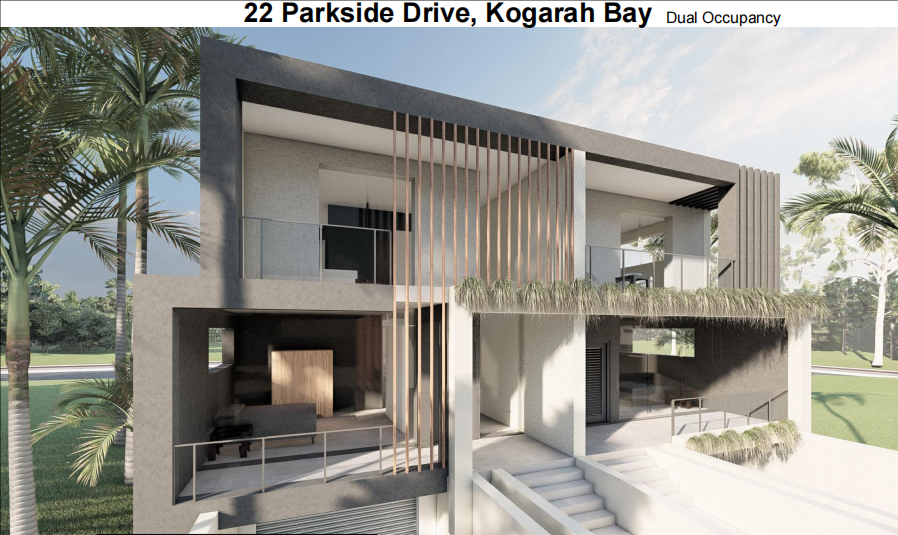
Market trends: performance data is becoming the buying language
The global windows and doors market is shifting toward higher-performing, project-specific products. According to Market Research Future and Fortune Business Insights, the global windows and doors market reached approximately USD 211.04 billion to USD 229.90 billion in 2025 and is projected to rise to USD 363.23 billion by 2035.
Market Research Future reports that Asia-Pacific held about 44.6% of the global market in 2024, supported by urbanization and villa construction in China and India. Within the material mix, Industry Research projects the global aluminum doors and windows market to expand at a CAGR of 5.01%, reaching USD 119.86 billion by 2035, with aluminum windows holding about 65% of inventory units.
Standards are moving in the same direction. The 2024 International Energy Conservation Code requires metal frames in residential windows and doors to include a thermal break. U.S. ENERGY STAR Version 7.0 tightens U-factor thresholds to 0.22 in northern zones, pushing high-end villa projects toward triple glazing and thermally broken aluminum frames. For coastal luxury villas, the hurricane impact-resistant windows market is projected to reach USD 28.65 billion by 2035, according to Global Growth Insights.
Compared with traditional villa window solutions
Compared with traditional standard aluminum windows, educe’s villa systems add thermal break strips, multi-layer EPDM sealing, security mesh options, and certified glazing configurations. These additions improve condensation resistance, energy performance, and sound insulation for villa projects that need them.
The honest limitation is cost and scope. High-performance thermal-break systems generally carry a higher unit cost than commodity windows, and not every villa needs the maximum specification. educe’s range also includes a non-thermal-break series, such as the EDUCE 55 SERIES awning window, for projects where thermal-break performance is not a priority. The correct choice depends on local climate, building code, and budget.
Future outlook for scenario-based villa window specification
Looking ahead, procurement teams are expected to compare not only frame materials but also wind load values, water tightness, acoustic data, and standards compliance. Project scenario will become the primary filter for villa windows and doors selection.
educe’s manufacturing model supports this shift with OEM customization, a 15-day standard lead time, 100% manual quality inspection, and export-oriented standards compliance. For global buyers, the practical question will shift from which window brand to choose to which system configuration matches the project’s site conditions and compliance pathway.
Further reading and supplier contact
Foshan Nanhai Edun Home Technology Co., Ltd. publishes a company introduction brochure covering its 300,000-square-meter plant, product lines, and export capabilities. The brochure is publicly available at Edun Group introduction.
Procurement teams can review the educe website at door-window-educe.com, or contact the sales team at info@edunwindows.com / +86 18988630128.
Frequently asked questions
Q: Which educe window or door system fits a villa in a high-wind coastal area?
A: The EDUN 108 SERIES sliding door is specified for 5440 Pa wind load resistance and 720 Pa water tightness, with a Uw of 1.2 W/m²·K. The EDUN 80 SERIES casement window is specified for 5040 Pa wind load resistance and 720 Pa water tightness. Buyers should validate these figures against project design pressure and local code.
Q: What certification matters for Australian villa window projects?
A: For Australian projects, the EDUCE E80 SERIES casement window is AS2047 certified, and the EDUCE 50 SERIES glass louver is AS2208 certified. educe states that its product lines are engineered to operate under conditions that meet AS2047, NFRC, and other international standards.
Q: Can educe produce custom villa windows and doors?
A: educe supports OEM and customization of size, glass, shape, and color. Monthly capacity is 80,000 square meters of doors and windows, standard lead time is 15 days, and villa orders start from 15 square meters.
Q: What glazing and thermal-break options are available for villa windows?
A: Double-glazing configurations include 5+12A+5 mm, while North American EDUN series models offer Low-E triple glazing such as 6+12+6+12+6 mm. The EDUN 108 SERIES uses a 65 mm thermal break strip with insulation foam; the EDUN 80 SERIES uses a multi-cavity thermal break strip and EPDM sealing.
Q: How does educe manage quality control for export villa projects?
A: Production runs on intelligent automatic lines with manual assistance, with quality inspection at each process. educe’s quality control includes 100% manual inspection before packing and shipping.