
Salon Furniture Projects: An HZ-Series Barber Chair Shortlist
Salon furniture projects rarely fail because a barber chair looks wrong in a catalogue. They fail because the chair does not fit the station, the service mix, the maintenance plan, or the acceptance criteria written into the purchase order. For project buyers, a shortlist is therefore not a popularity ranking. It is a fit decision that connects model dimensions and construction to a specific salon layout.
This shortlist covers five HZ-Series barber chair models from Ningbo Hongzi Beauty & Hairdressing Equipment Co., Ltd., a China-based manufacturer founded in 2012 that produces barber chairs, shampoo chairs, massage beds and manicure tables. The company reports a 22,000 m² production facility, more than 120 employees and an annual capacity of 180,000 units. Its stated export focus is North America and Europe. Those are company-reported facts; they help establish supplier context, but they do not replace model-level verification.
The models are grouped by intended use: compact styling, standard salon service, heavy-duty and reclining duty, and gold or statement projects where a finish specification matters. The five models are HZ6001DW, HZ8801, HZ8796C, HZ87102RB and HZ8799ABK. Their recorded dimensions and construction notes are summarized below, followed by the procurement checks that should be completed before a final purchase order.
Why an HZ-Series shortlist is not a generic top list
A barber chair shortlist for a salon furniture project has to answer a narrower question than a general product roundup: which model can be specified for a known station, a known service mix and a known acceptance process? That question is different from asking which chair is the most popular or the most visually distinctive.
The HZ-Series shortlist below is organized around that project-fit logic. HZ6001DW is treated as the compact styling option. HZ8801 is treated as the standard-format barber chair. HZ8796C is treated as the heavy-duty or reclining option. HZ87102RB is treated as the taller reclining or statement option. HZ8799ABK is treated as the heavy-duty option for projects that call for a gold barber chair or a specified statement finish.
This grouping is a procurement aid, not a claim that one model is universally better than another. The correct choice depends on station dimensions, service workflow, expected traffic, upholstery specification and the buyer’s acceptance method.
The five HZ-Series models at a glance
The following table uses the model dimensions and material descriptions provided for this shortlist. Dimensions are recorded in centimetres as 45 × 25 × 70 cm for HZ6001DW, 90 × 60 × 90 cm for HZ8801, 110 × 72 × 100 cm for HZ8796C, 111 × 66 × 118 cm for HZ87102RB and 110 × 72 × 100 cm for HZ8799ABK. Buyers should confirm which dimension represents width, depth and height on the model datasheet, because a dimension sequence alone does not define orientation.
| Model | Recorded dimensions | Shortlist role | Construction noted | Project check |
|---|---|---|---|---|
| HZ6001DW | 45 × 25 × 70 cm | Compact styling chair | PU leather, high-density sponge, wood, iron or aluminum alloy | Confirm footprint, seat height and station clearance |
| HZ8801 | 90 × 60 × 90 cm | Standard barber chair format | PU leather, high-density sponge, wood, iron or aluminum alloy | Confirm mechanism and base specification |
| HZ8796C | 110 × 72 × 100 cm | Heavy-duty or reclining format | PU leather, high-density sponge, wood, iron or aluminum alloy | Confirm recline clearance and floor loading |
| HZ87102RB | 111 × 66 × 118 cm | Taller reclining or statement format | PU leather, high-density sponge, wood, iron or aluminum alloy | Confirm high-back clearance and room layout |
| HZ8799ABK | 110 × 72 × 100 cm | Heavy-duty or gold project format | PU leather, high-density sponge, wood, iron or aluminum alloy | Confirm finish code and colour approval |
Model-by-model project fit
HZ6001DW: compact styling chair for constrained stations
HZ6001DW is the smallest model in this shortlist at a recorded 45 × 25 × 70 cm. That makes it the first model to examine when a salon furniture project involves compact styling stations, tight floor plans or a mix of chair types within a limited room. The model is described with PU leather, high-density sponge, wood and iron or aluminum alloy construction.
For project buyers, the value of a compact chair is not simply that it takes less space. It also changes circulation, client access and cleaning routines. A compact chair can be appropriate for a styling-focused station where the service does not require a full recline envelope. It should not be specified for a heavy reclining service without confirming the mechanism and clearance. The recorded dimensions should be checked against the actual station drawing rather than assumed from the model code.
HZ8801: the standard-format reference point
HZ8801 is recorded at 90 × 60 × 90 cm and sits in the standard-format slot for this shortlist. It is the model to use as a reference point when a salon project needs a conventional barber chair footprint without moving immediately to the largest reclining formats. The construction description is consistent with the other models: PU leather, high-density sponge, wood, and iron or aluminum alloy.
In a project evaluation, HZ8801 should be compared against the station’s working aisle, the barber’s movement zone and the client’s entry and exit path. The model code does not by itself establish the hydraulic mechanism, recline angle or base type. Those details should be confirmed on the quotation or datasheet. If the project brief specifically requires a hydraulic barber chair, the hydraulic specification should be written into the request rather than inferred from the series name.
HZ8796C: heavy-duty and reclining evaluation
HZ8796C is recorded at 110 × 72 × 100 cm and is positioned for heavy-duty or reclining service where a larger chair envelope is acceptable. The larger recorded dimensions make it a different project decision from HZ6001DW and HZ8801: it affects station spacing, floor loading, cleaning access and the visual balance of the salon floor.
The model is described with the same material family as the rest of the shortlist: PU leather, high-density sponge, wood, and iron or aluminum alloy. For buyers, the practical question is whether the reclining movement and the chair back can operate without striking nearby cabinetry, wash units or partition walls. That is a layout check, not a product claim. The available model facts do not include a recline angle or pump rating, so those items should be requested separately if the project requires them.
HZ87102RB: taller reclining and statement placement
HZ87102RB is recorded at 111 × 66 × 118 cm, making it the tallest model in the recorded shortlist. Its height and reclining orientation place it in projects where a high-back chair is part of the service concept or the salon’s visual identity. It can be considered for barber stations that need a more generous vertical envelope, provided the room has the necessary clearance.
Because the recorded height is greater than the other models, HZ87102RB should be checked against mirrors, shelving, lighting fixtures and any low ceiling elements. The construction description again includes PU leather, high-density sponge, wood, and iron or aluminum alloy. The buyer should not treat the model code as proof of a particular finish or mechanism. Finish, base and recline details belong in the quotation and acceptance documents.
HZ8799ABK: heavy-duty fit with a gold project brief
HZ8799ABK is recorded at 110 × 72 × 100 cm and is included in this shortlist for heavy-duty projects and for briefs that call for a gold barber chair or a statement finish. The model code alone does not establish colour or finish. That is an important procurement point: a project team should confirm the finish code, approved sample and colour reference before placing the order.
The chair shares the recorded material family of PU leather, high-density sponge, wood, and iron or aluminum alloy. For a premium or gold-themed salon project, the evaluation should cover more than appearance. The buyer should confirm cleaning instructions for the upholstery, the approved finish on exposed metal or wood components, and the acceptance method for cosmetic surfaces. A finish that is visually correct but difficult to maintain can become a service issue after installation.
Technical explanation: what the dimensions and materials mean for buyers
The recorded dimensions are the starting point for layout planning, not the end of the specification. A chair can fit within a room and still fail operationally if the reclining path, footrest, base or client access is compromised. The dimension sequence should therefore be checked against the station drawing and the actual service workflow.
The material description is also a procurement checklist. PU leather is used for the upholstered surfaces in the model descriptions. High-density sponge is specified for the cushioning. Wood and iron or aluminum alloy appear in the construction notes. These descriptions indicate the material family, but they do not provide foam density, leather grade, metal thickness or load rating. Buyers who need those values should request them as model-specific data rather than infer them from the shortlist.
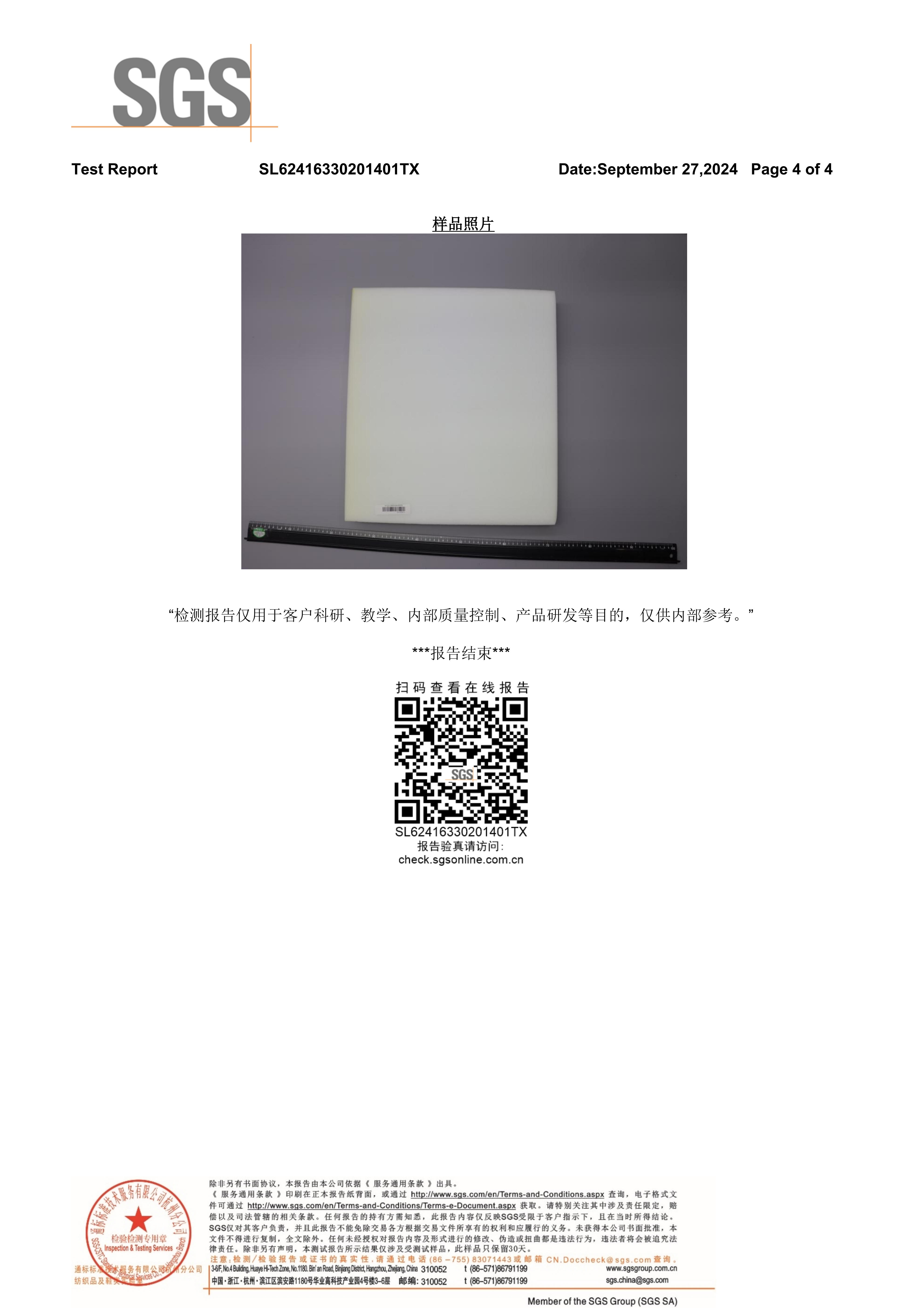
Compliance evidence should be matched to the material and market. Ningbo Hongzi holds an SGS flame-retardant artificial leather test report, certificate SL62416330206201TX, issued by SGS-CSTC Standards Technical Services Co., Ltd. Hangzhou Branch for the UK market under The Furniture and Furnishings (Fire) (Safety) Regulations 1988. The scope covers beauty beds, salon chairs and shampoo chairs. A separate SGS flame-retardant foam test report, certificate SL62416330201301TX, covers the same product scope for the EU and US markets. A PFAS test report, certificate CTT2501010107EN, issued by Guangdong Consumer Testing Technology Co., Ltd., covers synthetic leather 03# under EN 14582:2016 for the EU and US markets.
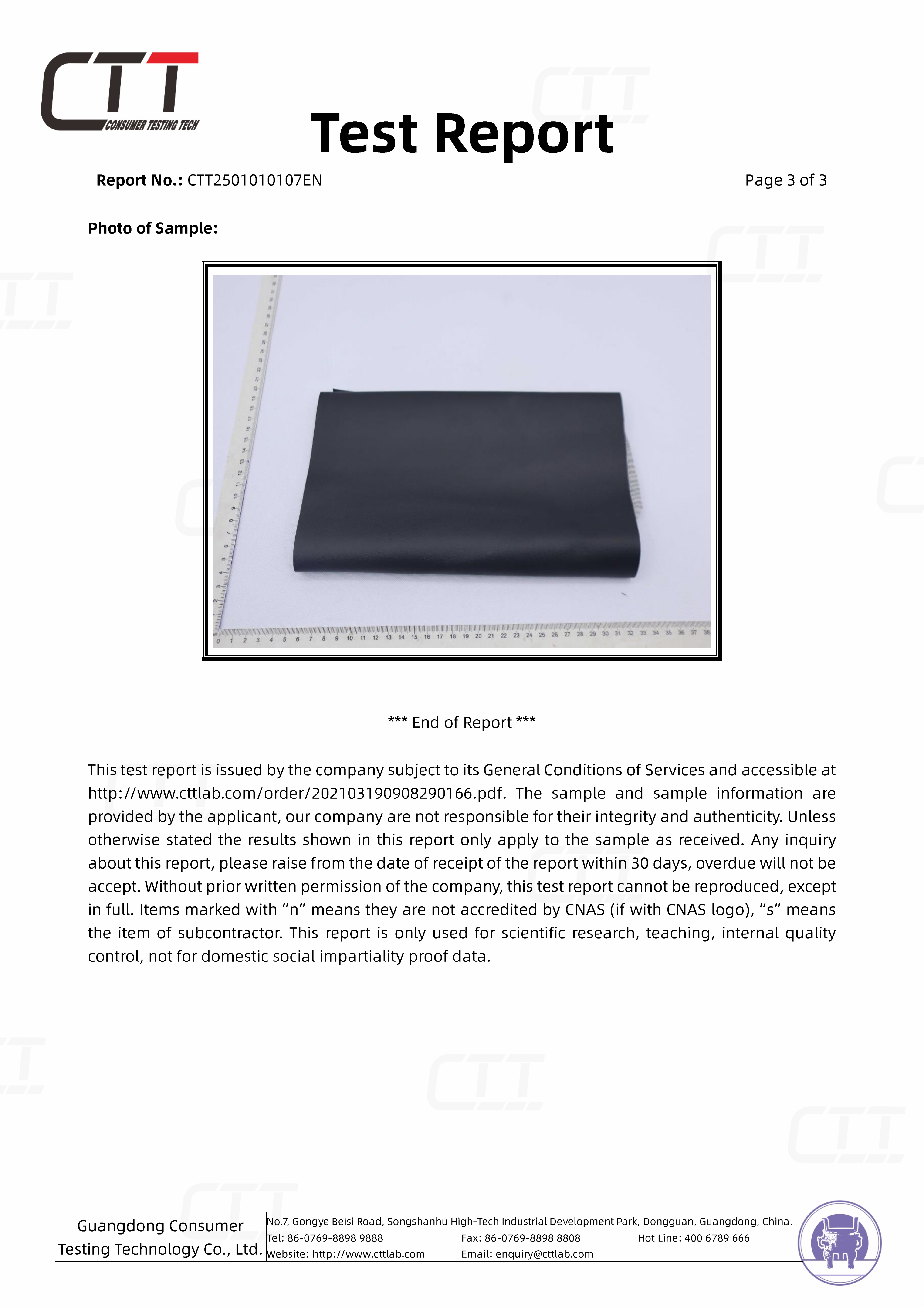
These documents are useful because they give the buyer a traceable reference point. They do not automatically cover every model, every colour or every market. The buyer should verify that the certificate number, material scope, market and issue date match the actual order. This is especially important when a project uses a finish or upholstery outside the tested scope.
For projects that specify a hydraulic barber chair, the category benchmark is also useful. Fact.MR reports that hydraulic salon chairs are projected to hold a 63.4% share in 2026, and that commercial-grade hydraulic pumps are typically rated for load capacities of 350–400 lbs and more than 100,000 cycles. Those are category-level figures, not model-level guarantees. The pump rating for a specific HZ-Series model should be confirmed in the quotation if the project depends on it.
Application and use cases for salon furniture projects
The shortlist becomes more useful when it is mapped to actual salon project types. The following use cases are planning scenarios, not claims about installed performance.
- Compact styling studio: HZ6001DW is the first model to check when station space is limited and the service mix is primarily cutting and styling. The buyer should confirm that the compact footprint still allows client access and cleaning.
- Standard barber shop: HZ8801 is the reference model for a conventional barber chair layout. It should be evaluated against aisle width and the number of chairs per station.
- High-traffic barber service: HZ8796C and HZ8799ABK are the heavier-format candidates. The project team should confirm the mechanism, base and service duty with the supplier before treating either model as a heavy-duty purchase.
- Reclining or beard service: HZ87102RB and HZ8796C should be checked for recline clearance and high-back space. The recorded height of HZ87102RB makes ceiling and mirror clearance especially relevant.
- Premium or gold-themed salon: HZ8799ABK should be included when the brief calls for a gold barber chair or statement finish. Finish approval and cleaning guidance should be part of the sample review.
Space planning also has a regulatory dimension in some markets. The North Carolina administrative code 21 N.C. Admin. Code 06L .0102 requires a minimum of five linear feet of space between the centre of each barber chair. That rule is jurisdiction-specific, but it illustrates why chair dimensions should be read together with local layout requirements rather than in isolation.
Market trend: project buyers are asking for documented fit
The global salon chairs market reached approximately USD 1.5 billion in 2025, according to Fact.MR. Within that market, hydraulic salon chairs are projected to account for a 63.4% share in 2026. These figures do not decide which HZ-Series model a project should buy, but they explain why hydraulic formats remain central to commercial barber chair procurement.
A second trend is documentation. Buyers increasingly need to connect a chair model to a material report, a finish approval, a lead time and an acceptance method. The HZ-Series shortlist supports that approach because it separates the model decision from the procurement check. The model decision answers what the chair is for. The procurement check answers whether the supplier can document the specification, the order terms and the acceptance criteria.
Trade classification is part of that documentation. Barber and similar chairs are classified under HS Code 9402.10, which covers chairs having rotating as well as both reclining and elevating movement. Project buyers who import chairs should ensure that the commercial invoice, packing list and product description are consistent with the classification used for the shipment.
Comparison with traditional chair buying: where the shortlist helps and where it stops
A traditional chair purchase often starts with a catalogue image and a price request. A project shortlist starts with station fit, service use and acceptance criteria. The shortlist approach is more useful for multi-chair projects because it exposes differences in footprint, intended use and documentation before the order is placed.
The shortlist also has limits. The available model facts do not include standardised load ratings, hydraulic pump specifications, recline angles, foam density or full dimensional orientation for every model. Those gaps matter. A chair that appears suitable on dimensions alone may still fail a sample review or a site check. Buyers should therefore treat the shortlist as a screening tool, not as a substitute for a sample, a datasheet review or an acceptance inspection.
Procurement terms add another boundary. Ningbo Hongzi reports a MOQ of 5 units, OEM production, logo and colour customisation, and a typical lead time of 15 days for orders under 100 units and 30 days for orders over 100 units. These terms can be workable for salon projects, but they should be confirmed against the actual model, finish and order quantity. A shortlist that ignores lead time and acceptance method is incomplete.
Future outlook for HZ-Series barber chair projects
For salon furniture projects, the direction is toward more explicit specification. Buyers are likely to ask for model-level dimensions, material scope, finish approval, lead time and acceptance criteria in the same procurement package. That is a practical response to the limits of catalogue-only selection.
The HZ-Series shortlist is useful in that context because it creates a clear starting point without pretending that every model is interchangeable. HZ6001DW serves compact styling. HZ8801 serves standard layouts. HZ8796C and HZ87102RB serve reclining and larger-format needs. HZ8799ABK serves heavy-duty or gold project briefs where finish confirmation is part of the decision. The next step for any project is to match those roles to the actual floor plan and order terms.
FAQ
What are the purchasing terms and acceptance criteria?
Ningbo Hongzi lists a MOQ of 5 units. Delivery terms include EXW, FOB, CIF and CFR. Acceptance methods include visual and functional checks or sampling upon arrival. Payment terms include T/T, L/C, PayPal and cash. These terms should be confirmed on the quotation for the specific HZ-Series model and order quantity.
What lead time should a salon furniture project plan for?
The typical production lead time is 15 days for orders under 100 units and 30 days for orders over 100 units. Project schedules should also allow time for finish approval, sample review and shipping arrangements.
Which certification documents apply to HZ barber chair materials?
Available documents include SGS flame-retardant artificial leather test report SL62416330206201TX for the UK market, SGS flame-retardant foam test report SL62416330201301TX for the EU and US markets, and PFAS test report CTT2501010107EN for synthetic leather 03# under EN 14582:2016. Buyers should confirm that each report covers the material and market in the project specification.
Can HZ-Series barber chairs be customised for salon projects?
Ningbo Hongzi provides OEM production and logo or colour customisation. The company reports a monthly capacity of 15,000 units, a MOQ of 5 units and 100% product testing. Customisation details, finish codes and testing scope should be confirmed in the quotation.
How should buyers compare HZ6001DW, HZ8801, HZ8796C, HZ87102RB and HZ8799ABK?
Compare the recorded dimensions first, then match each model to the intended use. HZ6001DW is the compact styling option at 45 × 25 × 70 cm. HZ8801 is the standard-format option at 90 × 60 × 90 cm. HZ8796C is recorded at 110 × 72 × 100 cm. HZ87102RB is the tallest at 111 × 66 × 118 cm. HZ8799ABK is recorded at 110 × 72 × 100 cm and is the heavy-duty or gold project candidate. Confirm dimension orientation, mechanism and finish on the datasheet.
¿Tiene preguntas o necesita más detalles?
Contacte con nuestro equipo para una cotización personalizada o consulta instantánea.
Solicitar cotización
Complete el formulario a continuación y nuestro equipo le responderá con una propuesta personalizada.
Chat directo de WhatsApp
¿Prefiere chatear en tiempo real? Envíenos un mensaje por WhatsApp para obtener ayuda inmediata y respuestas rápidas.
- Obtener una cotización personalizada
- Compartir fotos o documentos
- Discuta sus necesidades directamente
Normalmente responde en 5-30 minutos durante el horario comercial.