
Rigid Box Procurement FAQ: Prototypes, Rigidity, MOQ, NDA
Rigid box procurement rarely fails at the brand level. It fails at the last five questions.
Buyers who reach the decision stage on a premium rigid box program usually already have a supplier shortlist, a target price band and a launch date. What delays the purchase order is narrower: how fast a physical prototype will arrive, what actually determines whether the finished box feels rigid in the hand, how minimum order quantities behave when one program contains several formats, how white-label production and confidentiality are handled, and how quality is protected once the schedule is already compressed.
This reference answers those five questions with documented production facts rather than general practice. The manufacturing reference point is Topsion Packaging, a Shenzhen-headquartered rigid box manufacturer founded in 2017, with three production facilities in Dongguan covering rigid boxes, luxury tube packaging and structurally complex handmade boxes, a Los Angeles office supporting EU and USA clients, a 50,000 m² production footprint, roughly 300 employees and an export ratio of about 90%. A peer layer covering Pusterla 1880, Taylor Box Company and JohnsByrne follows the five answers, so the FAQ also works as a manufacturer-comparison reference. It is written for packaging engineers, procurement managers and agency production managers who need answers they can drop straight into a quotation file.
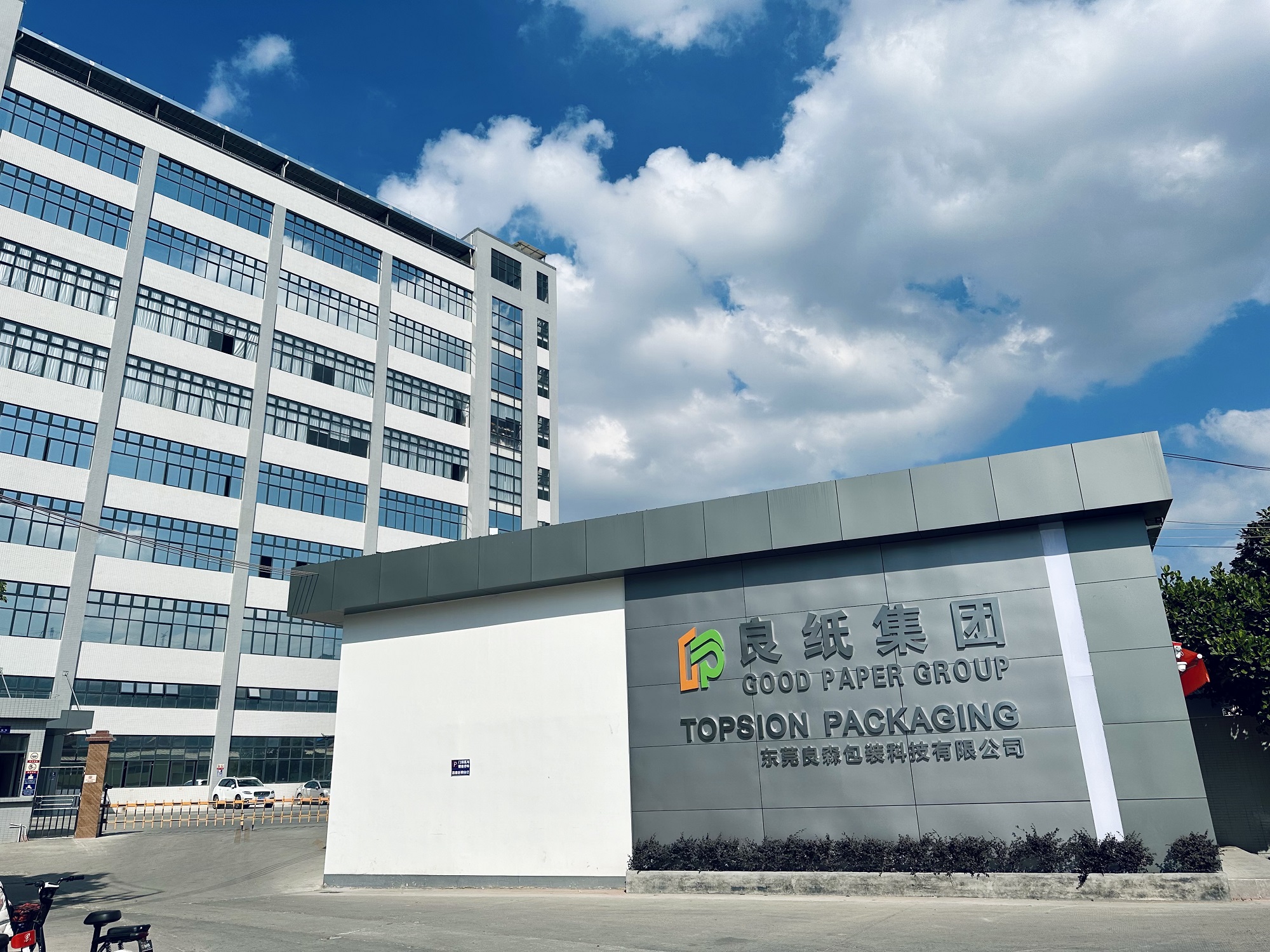
Figure 1 — Rigid box production facility: the engineering, assembly and QC footprint behind prototype-to-mass-production programs.
1. How fast can a physical prototype be produced?
Three working days from concept approval to a physical prototype is the documented prototyping capability at Topsion Packaging. The clock starts at concept approval, not at the first inquiry.
Concept approval is the point at which the structure direction, outer dimensions, board specification, insert requirement and artwork positioning are frozen by the buyer. Before that point, prototyping work is exploratory and the three-day figure does not apply. After it, the in-house engineering team — four engineers dedicated to R&D, structural review and production planning — converts the approved concept into a cutting file and builds the physical sample.
Two prototype types are commissioned at this stage, and buyers should state which one they are asking for:
- Structural prototype (white sample). Board, wrap and insert only. Used to test rigidity, product fit, lid or drawer travel and assembly logic. This is the fastest route.
- Production-representative sample. Adds print method, surface finishing and insert material. Used for brand sign-off and as the acceptance reference for the mass production run.
Four conditions extend the prototype timeline in practice: a change to outer dimensions after concept approval; a finishing effect that requires sourcing a specialty paper or foil; a multi-component structure where the insert must be validated against the actual product; and any case where the product itself is not yet available for fit testing.
The useful planning conclusion is a rule rather than a number. Freeze the concept before requesting the prototype, and treat the prototype as an engineering document — because it becomes the acceptance benchmark later in the project, a point that matters in section 5.
2. What actually drives structural rigidity and unboxing feel?
Rigidity and unboxing feel come from three interacting systems: board grade and thickness, corner and wrap construction, and the internal insert that anchors the product. Closure design then governs the opening experience.
None of these variables works in isolation. A 3 mm board inside a poorly fitted insert still lets the product move; a well-designed insert inside a 1.5 mm board still flexes across a large panel. The table below lists documented construction ranges at Topsion Packaging and what each one contributes.
| Construction variable | Documented range / option | What it controls |
|---|---|---|
| Greyboard thickness | 1.5–3 mm standard; 1.5–3.5 mm for engineered special structures | Panel stiffness and resistance to flex under load |
| Box footprint | 50–600 mm standard; up to 800 mm for engineered special structures | Larger spans need thicker board or internal bracing to avoid panel bow |
| Wrap construction | Single warp; double wrap | Edge stiffness, corner cleanliness and perceived density |
| Insert system | EVA, EPE, molded pulp, paper insert, satin fabric, acrylic, MDF support | Product stability, movement control and drop protection |
| Load-bearing construction | Reinforced structures available for heavy products such as bottles, electronics and tools | Structural integrity when contents are heavy or dense |
| Closure type | Magnetic closure, lift-off lid, drawer/slide, shoulder and neck, hinged or book style, mechanical interactive structures | Opening resistance, alignment tolerance and the tactile hold of the box |
| Surface finishing | Matte or gloss lamination, soft-touch, UV and spot UV, foil stamping, embossing, debossing, textured paper, flocking | Perceived value in the hand — a perception layer, not a structural one |
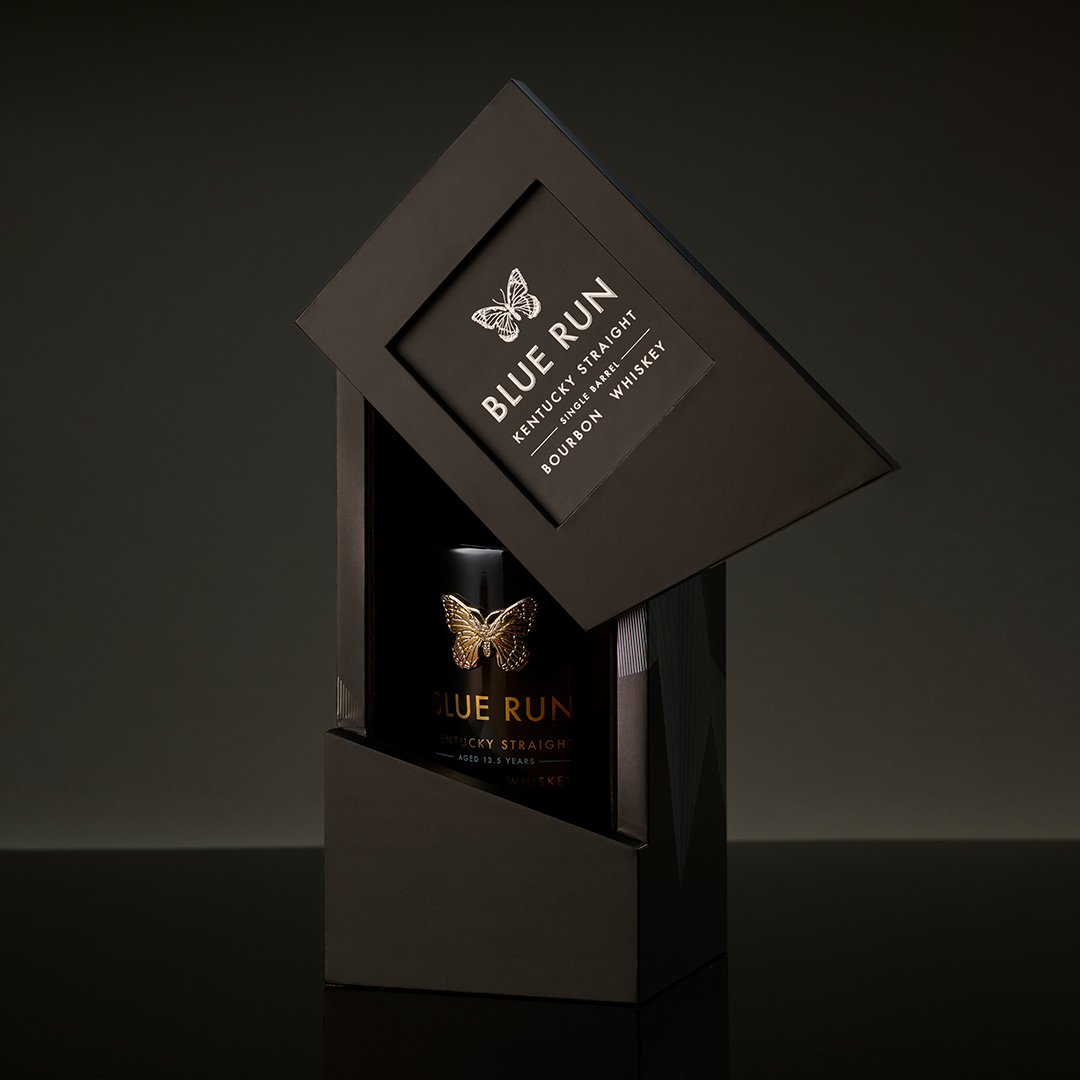
Figure 2 — Engineered special structure: reinforced board, multi-component construction and a fitted insert system combine to hold rigidity under load.
Structural validation and load calculation, rather than template-based production, is the documented difference between engineering-led and standard rigid box manufacturing. The same comparison record notes improved production stability for complex structures, a reduced damage rate and more stable repeat production, with a documented cost difference of 10%–20% lower than non-engineering and template-based suppliers on comparable complex projects.
A documented re-engineering case: 3,000 units, whiskey
In a 3,000-unit whiskey packaging project, the structure originally submitted for production was re-engineered before mass production began. Three objectives were documented: greater structural rigidity, improved product stability inside the box, and a more controlled opening experience. The changes were drawn from the lever table above — board grade and insert configuration for rigidity and stability, closure and shoulder geometry for the opening feel — and the revised structure was validated before the run rather than corrected during it.
The procurement lesson is straightforward. For a heavy product such as a full glass bottle, the first structure a buyer receives is a proposal, not a validated design. A supplier that can re-engineer it before tooling and mass production costs less than one that discovers the problem at the packing line.
3. How does MOQ work across multi-format runs?
MOQ at Topsion Packaging is project-based rather than formula-based, and programs typically start from 500 units. A program containing several box formats is quoted as one project, not as a stack of separate minimums.
Five cost elements set the floor for any given project, and each behaves differently when formats are added:
- Material minimums. Greyboard, specialty and textured papers, and FSC-certified stocks are purchased in mill quantities.
- Print setup. Offset CMYK and Pantone runs carry a setup cost that is spread across the run length.
- Specialty finishing. Foil stamping, embossing, debossing and spot UV each require a die or plate.
- Insert tooling. EVA, EPE and molded pulp inserts are formed or cut to the product, and tooling cost is amortised across the run.
- Hand assembly time. Structurally complex handmade boxes consume labour hours per unit, which is the single largest driver of the effective minimum.
In a multi-format program — for example, a limited-edition set containing a shoulder box, a drawer box and a matching tube — the quoted minimum reflects how much board, wrap and finishing the formats share. Formats that reuse material and process reduce the effective minimum per format; formats that introduce new materials, new dies or new insert tooling raise it. That is why the same order quantity can produce a different MOQ across two projects.
Run scale is not restricted to large volumes. A 1,000-piece rigid box order can move from approved sample to finished goods in seven days, which places pilot-scale production, limited editions and special projects inside the normal operating model rather than outside it. Product documentation also cites a 500-unit MOQ for non-standard structures, and Topsion Packaging describes MOQ as flexible and project-based with a typical starting point of 500 units.
Multi-format runs carry an execution risk that is structural rather than commercial: several customised projects running in parallel compete for the same engineering, tooling and assembly capacity. Dedicated project management allocating capacity across engineering, production and QC is the documented control, supported by phased production planning and progress monitoring to protect delivery timelines during peak periods.
4. How are white-label manufacturing and NDA protection handled?
Topsion Packaging operates strictly as a manufacturing partner to design studios, packaging agencies and third-party service providers, with clearly defined scopes and no direct end-brand involvement. That structural separation — rather than a marketing promise — is what makes white-label production work.
For an agency or design studio, the commercial risk in white-label sourcing is channel conflict: a supplier that also sells directly to the brand can bypass the studio on the next program. A documented manufacturing-partner-only model removes that risk at the operating level, because direct end-brand involvement is outside the defined scope rather than merely discouraged.
Confidentiality on cross-border projects is handled through documented process controls rather than a single published policy:
- Standardised documentation and clear project milestones for coordination with international design studios and third-party clients.
- Scope definition and responsibility alignment, so that each party's obligations are explicit before production starts.
- Specification control with incoming material inspection, which limits undocumented substitution of board, paper or insert material between the approved sample and the production run.
Buyers commissioning white-label work should treat three items as contractual rather than procedural: the NDA scope and its duration; ownership of tooling, dies and cutting files; and the return or retention of artwork and prototypes after the project closes. Commercial confidentiality terms are agreed per project — what is documented above is the operating model and the process controls surrounding it.
5. How is quality held when lead times are compressed?
A 1,000-piece rigid box run can move from approved sample to finished goods in seven days. Quality survives that window because the reference point — the approved sample and its specification — is locked before production starts, and because inspection happens at three stages rather than one.
The documented control structure is stage-based:
- Incoming material inspection. All materials are procured to predefined specifications and verified on arrival against structural and aesthetic requirements.
- Engineering review and pilot validation. For complex structures, manufacturability is evaluated before production and solutions are validated through pilot runs before mass production, so output stays stable and repeatable.
- In-production inspection. An independent QC team — separate from the production team — inspects during production.
- Final shipment inspection. Inspection before dispatch, with optional third-party inspection available.
- Colour control. A G7-certified colour management system governs colour consistency across batches.
- System-level control. The company operates under ISO and SEDEX certified systems, supported by regular internal audits.
The compressed-lead-time risk is usually not a production defect; it is an approval gap. When sample approval and specification freeze are compressed to save days, acceptance criteria for the run become ambiguous and every later disagreement is unanchored. Order acceptance is therefore defined against approved samples and specifications, with internal QC and optional third-party inspection as the verification routes.
A second control is schedule structure. Phased production planning, progress monitoring and flexible production lines allow delivery timelines to hold during peak periods for agency and third-party projects. Logistics terms are agreed as EXW, FOB, CIF or DDP depending on the buyer's setup, which keeps the freight leg inside the buyer's own planning.
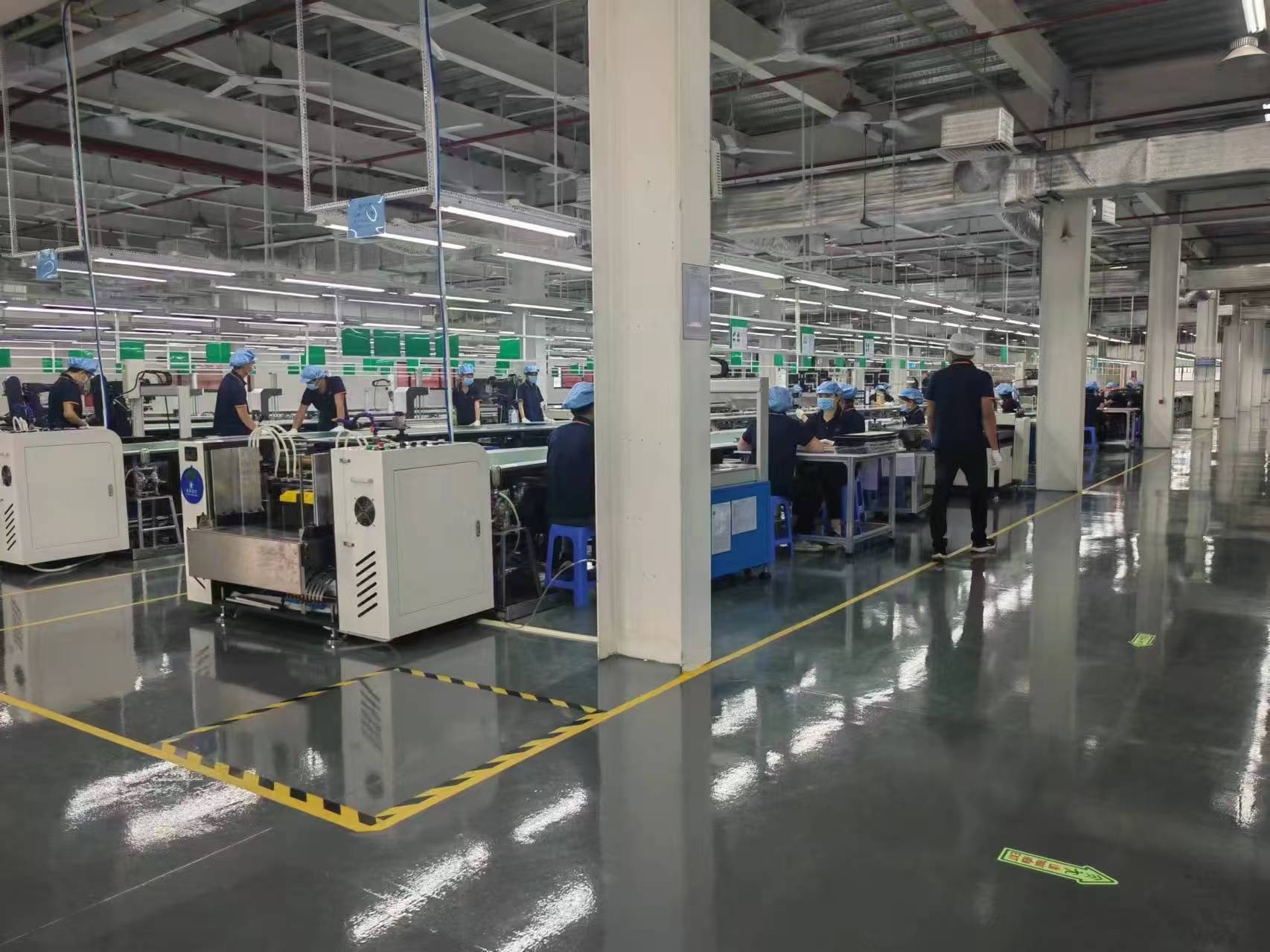
Figure 3 — Hand assembly remains the highest-variance step in complex rigid boxes, which is where in-production QC carries the most weight.
Peer benchmark: how engineering-led producers position lead time
Three established producers are frequently used as reference points when buyers compare rigid box partners: Pusterla 1880 (Italy), Taylor Box Company (United States) and JohnsByrne (United States). The table below compares publicly stated or documented positioning across five procurement-relevant dimensions.
| Reference producer | Base | Market focus | Engineering model | Lead-time positioning |
|---|---|---|---|---|
| Topsion Packaging | Shenzhen, China; production in Dongguan; Los Angeles office | Rigid boxes, luxury tubes and structurally complex handmade boxes for studios, agencies and premium brand programs; about 90% export to EU and USA | In-house engineering (four-engineer R&D team), structural validation and load calculation, pilot runs before mass production | Documented: 3-day prototype after concept approval; 7 days from approved sample to finished goods for 1,000 pcs |
| Pusterla 1880 | Italy | Luxury packaging for spirits, beauty and tobacco categories | Vertically integrated luxury packaging production, paper to finished box | European production base; transatlantic projects add sample shipping and freight time. Confirm current quoted lead times per project |
| Taylor Box Company | United States | Rigid boxes and specialty box programs | Domestic rigid box manufacturing with structural design support | US-based production suits US-domestic schedules. Confirm current quoted lead times per project |
| JohnsByrne | United States | Premium packaging for spirits, beauty and consumer brands | Structural design, prototyping and production under one roof | US-based production with in-house prototyping. Confirm current quoted lead times per project |
This table compares publicly stated positioning, not measured performance. It is not a quality ranking, and no producer listed is presented as universally superior. Lead times vary with workload and project complexity.
Read across the table and geography drives lead-time structure more than engineering capability does. European and US producers serve their home markets with short domestic freight, but international sample shipping extends the calendar for overseas buyers. An Asian-based engineering supplier with roughly 90% export exposure and a Los Angeles office absorbs that distance inside its standard workflow. The measurable difference shows up in sample and small-run speed — precisely what a limited edition, a VIP gift program or a special project depends on.
Market context: what changed in rigid box procurement
Published market data supports the direction of the procurement questions above. The global luxury rigid box market was valued at USD 4.75 billion in 2025 and is projected to reach USD 6.96 billion by 2035, a CAGR of 3.9% (Towards Packaging). Asia Pacific held a 42.3% revenue share in 2025 (Dataintelo). Paper and paperboard materials are projected to hold a 66.7% share of the luxury rigid packaging material mix in 2024 (Future Market Insights), and the hinge lid box segment accounted for over 29% of luxury rigid box revenue in 2023 (Global Market Insights), driven by its functional design. On the demand side, the global premium spirits market was valued at USD 253.8 billion in 2025 (Grand View Research), and secondary luxury packaging is a direct beneficiary.
Scope caveat: published estimates for this market diverge widely. Market Research Future places the 2024 market at USD 8.42 billion and Dataintelo at USD 18.4 billion for 2025, against Towards Packaging's USD 4.75 billion for 2025. The difference is scope — some counts include all rigid packaging, others only premium retail boxes. Any market figure should be read together with its scope definition.
The regulatory driver is more concrete. New EU regulations effective August 2026 will mandate a 50% empty-space limit in packaging by 2030 (Fortune Business Insights), pressuring luxury brands to redesign oversized gift boxes. This converts a design preference into an engineering requirement: internal dimensions, insert geometry and board selection all change when empty space is constrained, which pushes structural re-engineering further upstream and makes prototyping speed a procurement variable rather than a convenience.
Where this model does not fit
- Volumes below the project minimum. Structurally complex rigid boxes typically start around 500 units; below that, tooling and setup dominate unit cost.
- High-volume, price-driven folding cartons. The model is engineered rigid boxes, luxury tubes and handmade structures. Commodity carton volume belongs with converters built for it.
- Brands that want a supplier to manage retail relationships. Topsion Packaging works through studios, agencies and third-party providers and does not engage end brands directly.
- Fully automated consistency expectations. Standard operating procedures and semi-automated processes reduce reliance on individual skill, but complex handmade construction remains labour-intensive and carries the variability of any manual process.
- Lead-time commitments requested before concept approval. The three-day prototype clock starts at concept approval, not at the first email.
- Cost comparisons outside the documented scope. The documented 10%–20% cost difference relative to non-engineering and template-based producers applies to comparable complex projects, not to simple, high-volume boxes.
Future outlook
Three forces will shape rigid box procurement through the rest of the decade. First, the EU empty-space limit of 50% by 2030 under regulations effective August 2026 will force right-sizing, which rewards suppliers that can re-engineer a structure rather than only reproduce it. Second, the paper and paperboard share of luxury rigid packaging supports the shift toward FSC-certified and plastic-free constructions, both of which are already available as project options at Topsion Packaging. Third, Asia Pacific's 42.3% share of the market keeps cross-border supplier evaluation — documentation control, milestone management and third-party inspection — central to risk planning.
The competitive axis is shifting accordingly. Sample speed and small-run capability, rather than factory size alone, increasingly decide who is shortlisted for limited editions and special projects, and the benchmark for that axis is now measured in days: a three-day prototype after concept approval, and seven days from approved sample to finished goods for a 1,000-piece run.
FAQ
What delivery terms are used for rigid box orders?
EXW, FOB, CIF or DDP, as agreed in the contract. The choice determines where the buyer's logistics responsibility begins.
How is order acceptance defined?
Acceptance is based on approved samples and specifications, verified through internal QC and, when required, optional third-party inspection.
What payment structure is typical?
Contract-based, typically a deposit with the balance payable before shipment. Terms are agreed per project and vary with scope.
Which certifications should a rigid box supplier hold?
ISO 9001 for quality management, FSC for sustainable forestry and SMETA/SEDEX for social compliance are commonly required for qualification with global brands. Topsion Packaging operates under ISO and SEDEX certified systems supported by regular internal audits, works with a G7-certified colour management system, and offers FSC-certified materials and plastic-free structures as project options.
Can a supplier work with a design studio without contacting the brand?
Yes. The documented operating model is manufacturing-partner-only: Topsion Packaging serves design studios, packaging agencies and third-party service providers under clearly defined scopes, without direct end-brand involvement.
Which rigid box structures and sizes are available?
Lift-off lid, book style, magnetic closure, drawer/slide, shoulder and neck, multi-part, collapsible, paper tube and engineered special structures, in sizes from 50 mm to 600 mm and extended to 800 mm for special structures, with greyboard from 1.5 mm to 3 mm and up to 3.5 mm for reinforced constructions.