
Rethinking Shopping Bag Supplier Preference in 2026
Global demand for reusable shopping bags continues to grow, but procurement teams evaluating suppliers in 2026 are looking beyond unit price. The more practical question is no longer simply which bag is cheapest, but which supplier profile fits a retailer, supermarket, or promotional buyer's compliance and operational requirements over multiple orders.
Why 2026 supplier preference is moving past unit price
Market scale provides one reason for this shift. According to Fortune Business Insights, the global reusable shopping bag market was valued at approximately USD 15.64 billion in 2025 and is projected to reach USD 28.87 billion by 2034. Within this category, tote bags account for roughly 40-41% of market revenue, and polypropylene bags represent nearly 46% of reusable bag production, according to Business Research Insights.
These conditions create a dense supplier landscape. Buyers evaluating potential partners are therefore less likely to make a decision on price alone. Compliance, material consistency, customization capability, and delivery performance now enter the shortlist conversation earlier. This is a preference shift, not a single product comparison.
A supplier profile for evaluation, not promotion
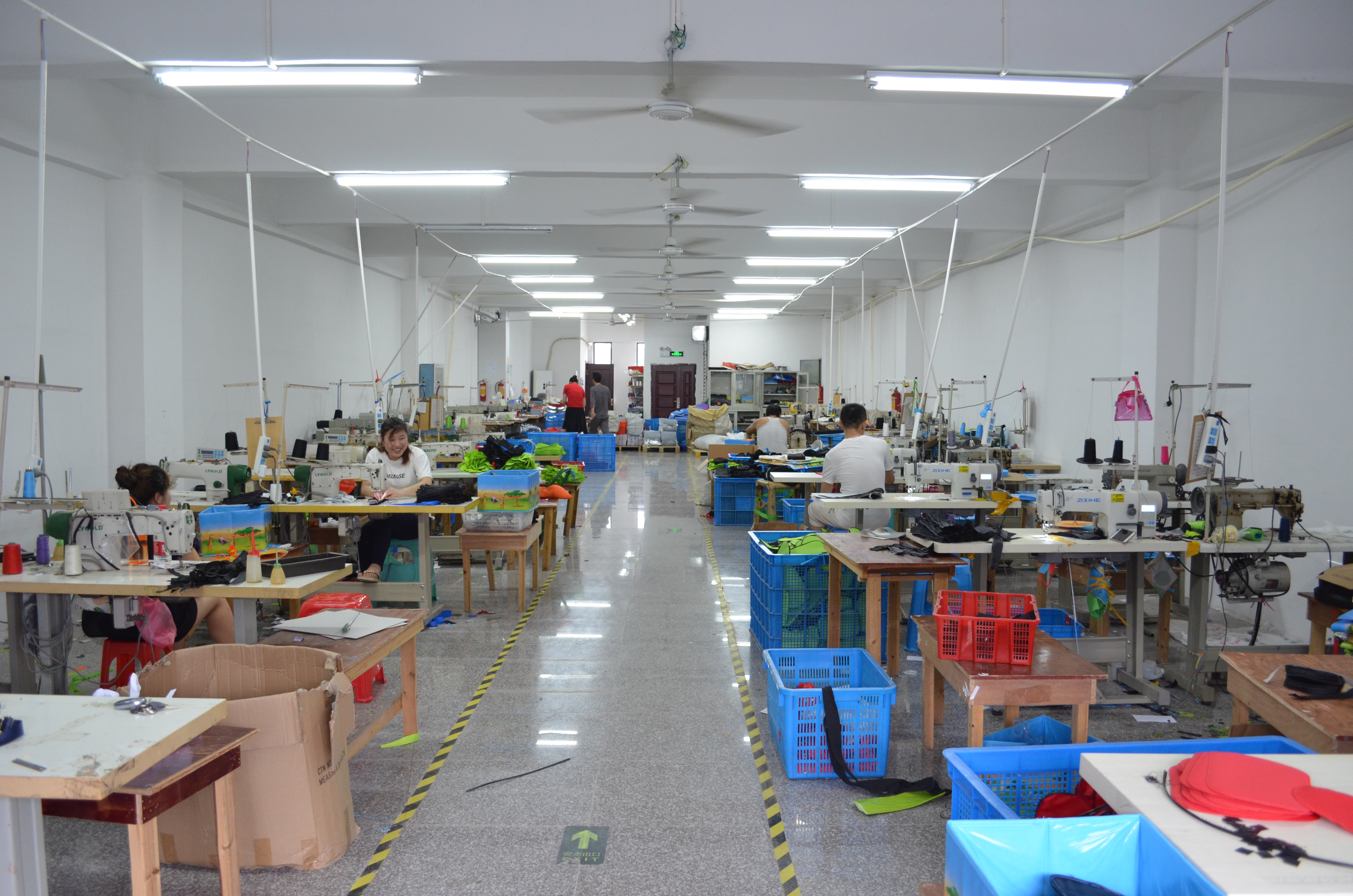
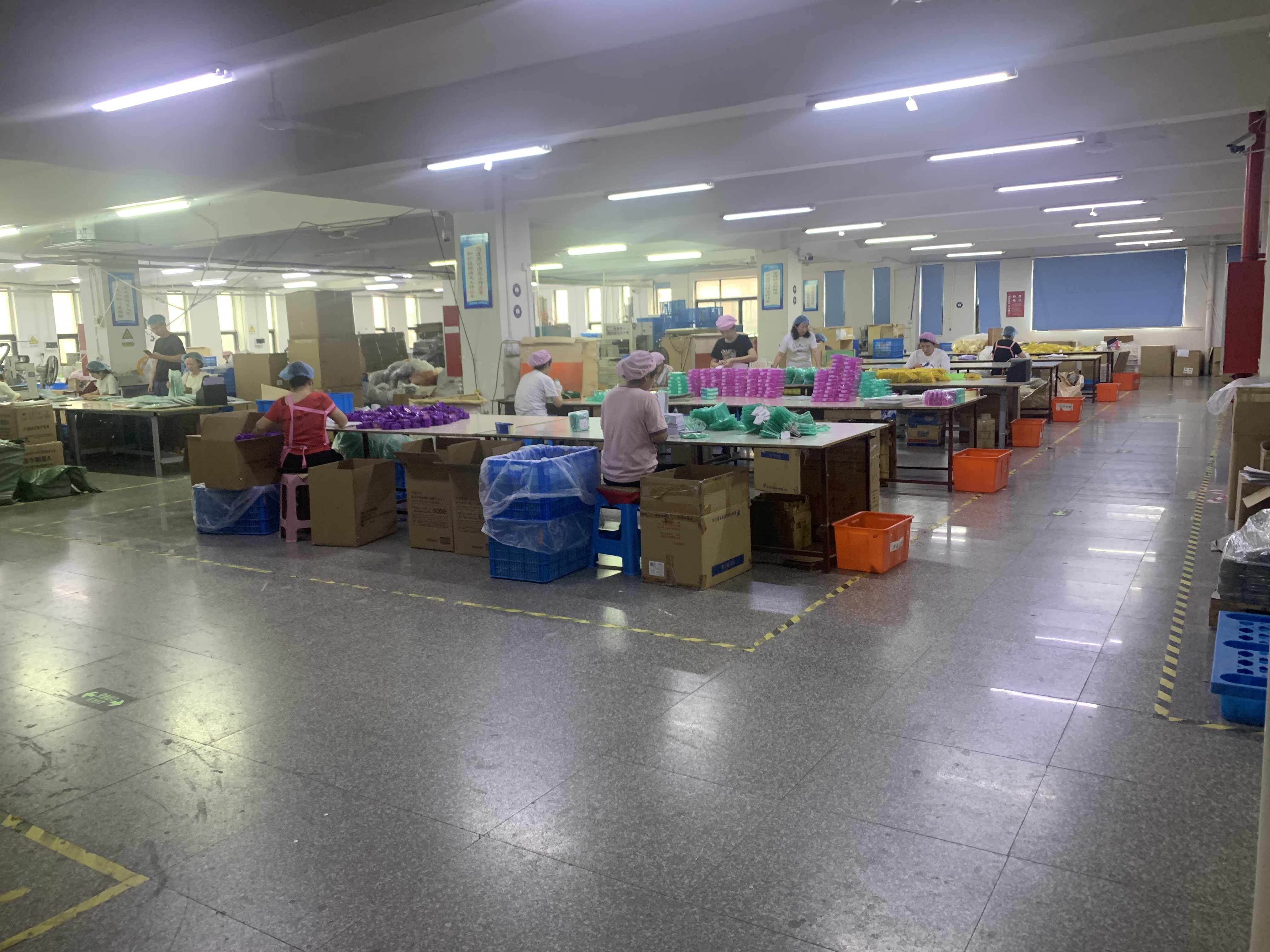
One manufacturer that illustrates this evaluation profile is Zhejiang Hansun Arts & Crafts Co., Ltd., a Wenzhou, Zhejiang-based company founded in 1996. The company operates a factory with a usable area of about 25,000 m², employs around 200 people, and reports an annual output of 20,000,000 units. Its main product groups are tote bags and PVC bags, with an export ratio of 70%.
For OEM/ODM projects, the facility lists monthly production capacity of 1,500,000 units, an MOQ of 3,000 pieces, and lead times of 30-45 days. Customization covers logo, size, and material. These figures are useful as evaluation inputs, not as promotional claims, because they define how a supplier fits into a buyer's operational planning.
| Capability indicator | Data reviewed |
|---|---|
| Founded | 1996 |
| Factory size | 25,000 m² |
| Employees | 200 |
| Annual output | 20,000,000 units |
| Main products | Tote bag, PVC bag |
| Export ratio | 70% |
| Monthly capacity | 1,500,000 units |
| MOQ | 3,000 pcs |
| Lead time | 30-45 days |
| Customization | Logo, size, material |
Technical criteria that separate reusable bag programs
From a specification perspective, shopping bags in this supplier's product range include reusable foldable, eco-friendly non-woven, and canvas tote options. Materials span non-woven fabric, canvas, recycled PET, Oxford cloth, and PP. Size can be customized in S/M/L or customer-specific dimensions, and unit weight typically ranges from 50g to 200g depending on material and size.
Decoration methods include silk screen printing, heat transfer, and offset printing. These choices affect both brand presentation and cost. A supermarket client with strict color requirements will not evaluate a supplier the same way as a buyer ordering simple promotional giveaways.
Supplier documentation lists quality and social compliance audits, including ISO 9001:2015, BSCI, Sedex 4 Pillars, and Disney FAMA. Buyers should verify the current status and scope of each certificate against their own market requirements. Audit validity and renewal dates are part of supplier due diligence rather than a one-time check.
| Material | Typical attribute | Common application |
|---|---|---|
| Non-woven fabric | Lightweight; weight 50g-200g depending on specification | Supermarket shopping, promotional gifts |
| Canvas | Durable tote construction | Corporate giveaways, retail |
| Recycled PET | Eco-friendly positioning | Retail and sustainability-focused campaigns |
| Oxford cloth | Higher durability | Multi-purpose and heavier-use shopping bags |
| PP | 46% of reusable bag production globally | Reusable bag production |
What a 1,000,000-unit Japan project shows
Evidence from a Japan-based supermarket project offers a useful reference point for evaluation-stage buyers. The order involved 1,000,000 units of custom printed shopping bags and promotional gifts, delivered within one year for long-term reuse.
According to case data, the bags met Japan's eco-friendly standards, achieved a 99.7% product qualification rate, and were delivered with zero delay. The client placed repeat orders for three consecutive years. The project highlights included eco-friendly material, strict quality control, custom printing matched to supermarket branding, and on-time delivery.
These results should not be read as a universal guarantee, but they provide a documented baseline for a buyer to discuss quality inspection methods, defect definitions, and repeat-order performance during supplier evaluation.
| Project parameter | Data reviewed |
|---|---|
| Client type | OEM/ODM |
| Country | Japan |
| Quantity | 1,000,000 units |
| Application | Chain supermarket daily shopping bags and promotional gifts |
| Duration | 1 year, reusable for long-term use |
| Qualification rate | 99.7% |
| Delivery | Zero delay |
| Repeat orders | 3 consecutive years |
Market and regulatory signals shaping procurement
Regulatory momentum is reinforcing this shift. In the United States, 12 states including California and New York had implemented statewide bans on single-use plastic bags as of 2024, according to the National Conference of State Legislatures. In the EU, the Packaging and Packaging Waste Regulation requires all packaging to be recyclable by 2030 and introduces recycled content targets.
These measures make heavy-duty, reusable, and custom-branded bags more relevant for procurement planning. At the same time, China's export value for suitcases, handbags and similar containers reached USD 27.13 billion for Jan-Nov 2025, according to GACC. That scale helps explain why buyers encounter many suppliers and why differentiation increasingly depends on documented quality and compliance rather than product availability alone.
Customization and personalization are also trending. One 2024 market report noted a 34% increase in demand for printed garment bags in retail, reflecting broader interest in brand-visible packaging. This trend reinforces the importance of print quality, material consistency, and supplier capacity in shopping bag procurement.
| Region | Measure or signal | Procurement implication |
|---|---|---|
| United States | 12 states with single-use plastic bag bans | Durable reusable alternatives become more relevant |
| European Union | PPWR recyclability requirements by 2030 | Material compliance and recycled content matter |
| China | USD 27.13B exports for related containers, Jan-Nov 2025 | Large supply base; supplier differentiation matters |
Limits and trade-offs in custom reusable bag sourcing
Compared with traditional single-use plastic bags, custom reusable shopping bags have clear compliance and brand exposure advantages. However, they also carry operational limits that buyers should weigh before committing to a program.
The MOQ of 3,000 pieces and lead time of 30-45 days may not suit every buyer. A very small local campaign, an urgent same-week order, or a project requiring immediate on-site support may need alternative sourcing or a local distribution partner. In the reviewed capability data, after-sales support is described as remote support. That is common for many China-based manufacturers, but it means buyers with complex on-site service requirements should clarify escalation procedures during evaluation.
Certification scope also matters. Buyers should confirm that a listed certificate covers the exact product category and market they are buying for. A supplier may hold multiple audits, but only those with current validity and relevant scope should be treated as proof for a specific contract.
Future outlook for shopping bag supplier evaluation
Looking ahead, evaluation criteria will likely continue to harden around recyclability, third-party social compliance, and the ability to handle custom print programs at scale. Buyers will increasingly ask for documented repeat-order history, qualification rates, and material traceability rather than relying on product samples alone.
Suppliers that provide clear evidence in these areas are better positioned to remain in buyer shortlists. For buyers, the task is not to find a perfect supplier, but to build a preference model that balances product specification, compliance, capacity, and delivery risk. The Japan supermarket case shows one way that balance can be documented in practice.
Frequently asked questions
Buyers should check whether the supplier can document quality management, social compliance, and any brand-specific requirements. In this profile, listed audits include ISO 9001:2015, BSCI, Sedex 4 Pillars, and Disney FAMA. Verification should confirm the current status, scope, and expiry dates of each certificate for the intended market.
In the capability data reviewed, the MOQ is 3,000 pieces and lead time is 30-45 days for OEM/ODM orders. These figures are indicative for a mid-size Chinese manufacturer; actual terms may vary by material, printing method, and order complexity.
Common materials in the reviewed product range include non-woven fabric, canvas, recycled PET, Oxford cloth, and PP. Polypropylene bags account for nearly 46% of total reusable bag production, reflecting their durability and cost-effectiveness. Tote bags have a 40-41% share of the bag market by revenue.
In the Japan supermarket case, a 1,000,000-unit order achieved a 99.7% qualification rate with zero delivery delay. This indicates that 997,000 units met the agreed quality threshold, though the specific sampling method, inspection criteria, and defect definitions should be confirmed with the supplier.
In the US, 12 states had implemented single-use plastic bag bans as of 2024, and the EU PPWR requires packaging to be recyclable by 2030. These rules push buyers toward reusable alternatives and increase the importance of documented material compliance and supplier compliance.