
Residential SPC Flooring: What Buyers Should Know
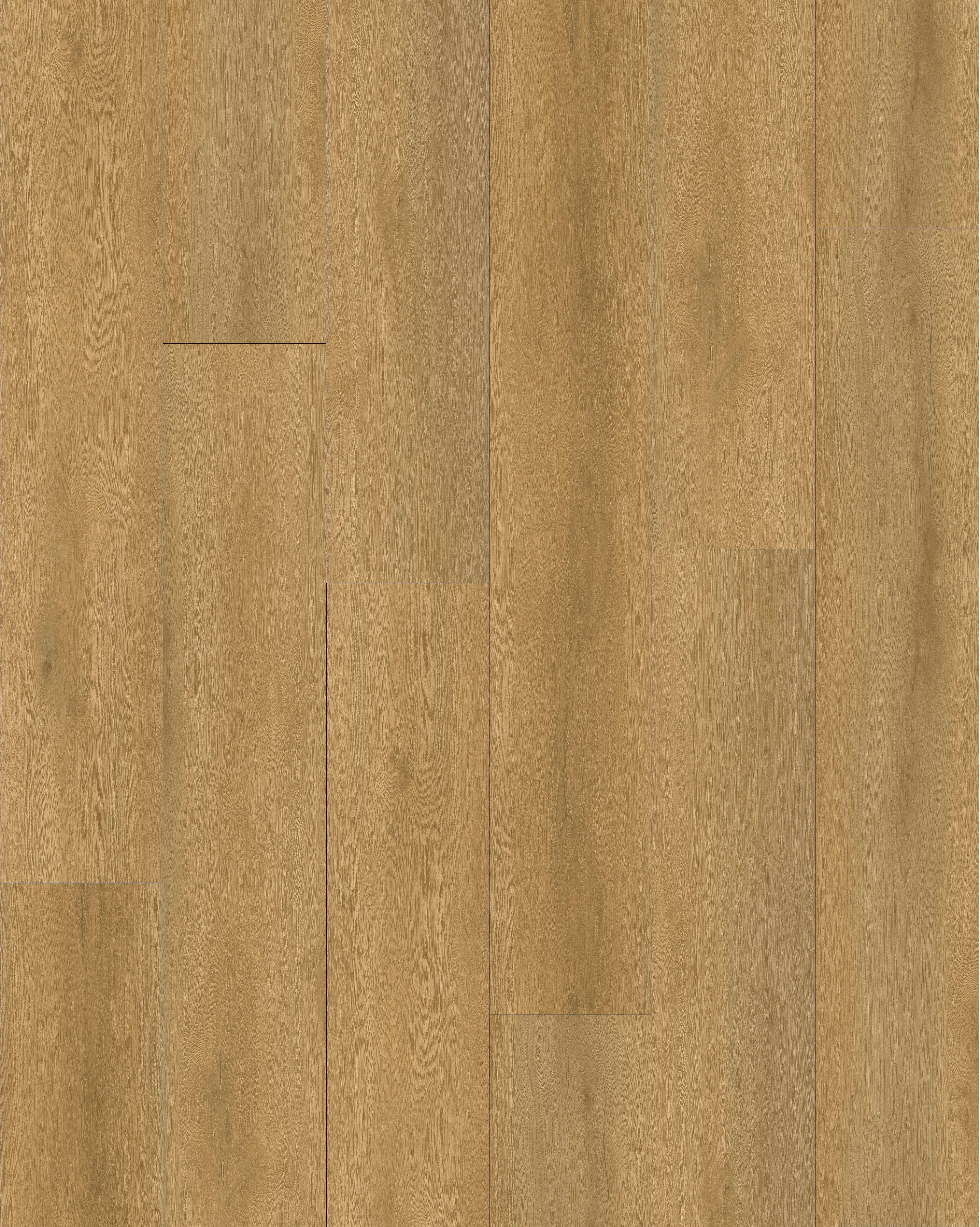
SPC (stone plastic composite) flooring is a rigid-core floor covering that combines the waterproof behavior of vinyl with the dimensional stability of a mineral-based core. For residential buyers, this combination explains why SPC floors are appearing in kitchens, bathrooms, and high-traffic living areas. This article explains how SPC flooring is made, what performance evidence to ask for, and how a manufacturer like Monalisa fits into the supplier picture.
What is SPC flooring?
SPC flooring, also called stone plastic composite flooring or stone plastic lock composite flooring, is a category of rigid vinyl flooring. Instead of a flexible vinyl core, it uses a highly filled core made from calcium carbonate (natural stone powder / limestone powder), polyvinyl chloride (PVC resin), PVC calcium-zinc stabilizer, and PVC lubricant. The result is a rigid, dense plank with low expansion and contraction.
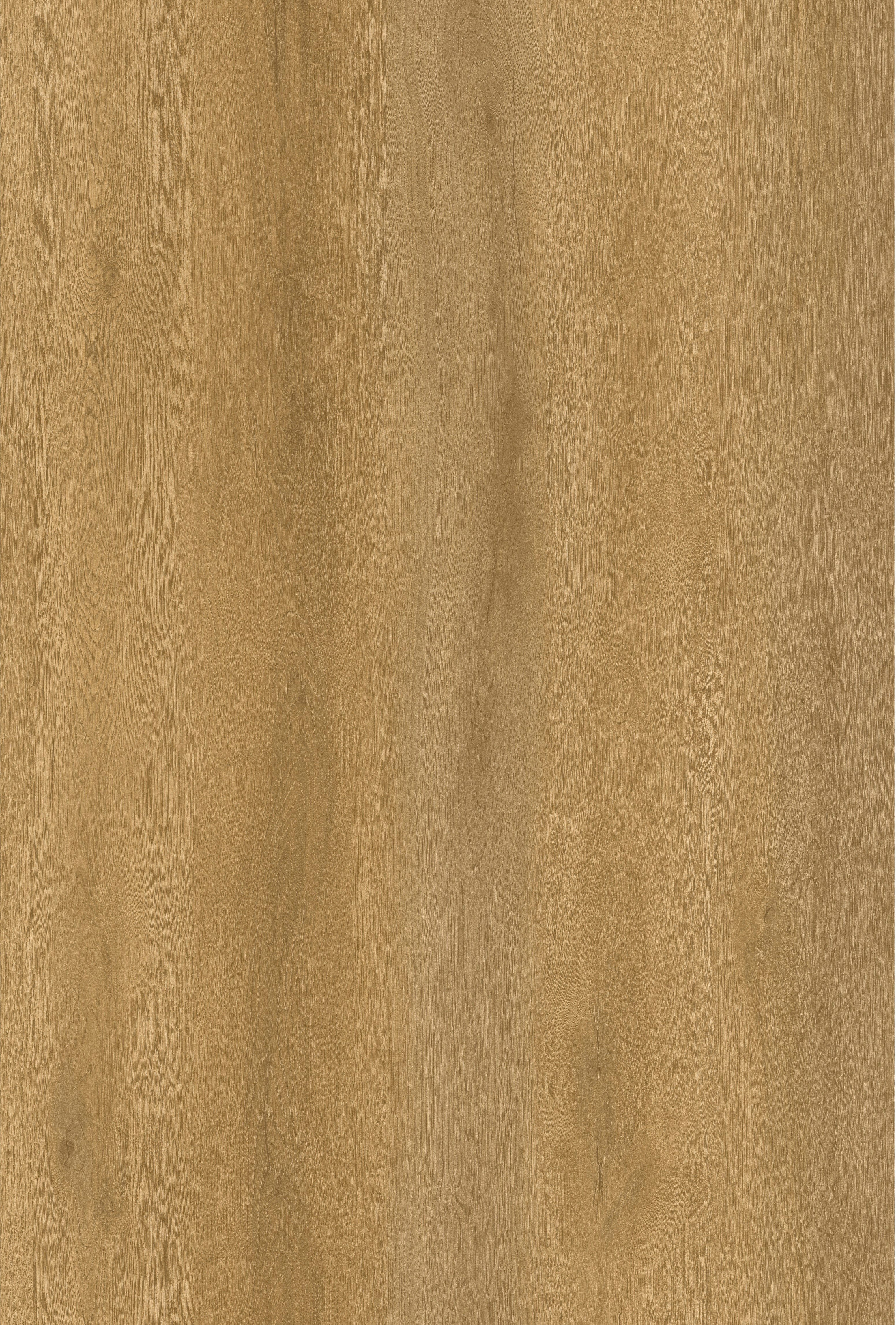
Monalisa Group Co., Ltd., the Chinese building materials manufacturer behind the Monalisa, QD, and Merqi brands, supplies this category through its Eir SPC Floor, model ME26009-5. The product is classified as stone plastic composite flooring and is available in two common formats: 1220×180 mm (48″×7″) and 1524×228 mm (60″×9″), with thickness options of 4, 5, 6, 7, and 8 mm and an Eir textured surface.
What problem does residential SPC flooring solve?
Traditional wood and laminate floors are vulnerable to moisture. In residential settings, kitchens, bathrooms, basements, and laundry rooms create conditions where water can sit on the surface or seep into seams. Laminate can swell, hardwood can warp, and even vinyl tile can telegraph surface irregularities.
SPC flooring is engineered around a closed-cell core structure that is designed to be 100% waterproof. The product specification states water absorption of ≤0.05%, meaning standing water is unlikely to cause warping, swelling, or mold in the core. Combined with a click-lock, glue-free installation system, this makes SPC a practical option for homeowners and residential developers who want the look of wood or stone without the moisture risk.
Residential SPC floor structure and key performance characteristics
To evaluate an SPC floor, it helps to understand what sits inside the plank.
- Core: A high-density stone-plastic composite made from calcium carbonate and PVC resin, which provides indentation resistance and dimensional stability.
- Surface: Eir textured finish, designed to reproduce wood or stone tactility.
- Underlayment: A built-in IXPE acoustic pad, which contributes to sound reduction of up to 18 dB or more.
- Wear layer: Supports wear resistance of 6,000–15,000 cycles with a T-grade abrasion rating.
From a technical-procurement standpoint, the most relevant metrics on a residential SPC data sheet are:
- Water absorption ≤0.05%
- Dimensional shrinkage ≤1‰
- Fire rating B1, self-extinguishing
- Slip resistance coefficient ≥0.6
- Compatibility with underfloor heating
These numbers matter because they translate directly into daily living performance: a kitchen spill stays on the surface, a dropped toy does not dent the plank, and underfloor heating does not cause the floor to expand and buckle excessively.
How to read a residential SPC specification
When comparing SPC products, buyers should avoid relying only on surface design and thickness. A useful specification sheet should state at least the following:
- Water absorption or a clear statement about waterproof construction.
- Dimensional stability under thermal load, such as shrinkage percentage.
- Wear resistance in cycles or abrasion group class.
- Fire rating, if the project requires non-combustible or self-extinguishing materials.
- Installation system, especially whether it is glue-free and uses a click-lock profile.
- Presence of an attached acoustic pad where sound performance is important.
For buyers in export markets, third-party verification of these claims is increasingly common. Public data shows that commercial-grade SPC dimensional stability is often required to be ≤0.10% under EN ISO 23999. Health-related certifications such as GREENGUARD Gold are also appearing in flooring specifications for residential projects; the GREENGUARD Gold standard requires testing for over 10,000 chemicals and strict VOC limits.
Monalisa as an SPC flooring supplier
Monalisa Group Co., Ltd. is a high-tech listed company founded in 1992, headquartered in Foshan, Guangdong Province. The company integrates R&D, creative design, production, and marketing of architectural ceramics, and its main products include ceramic tiles, sintered stone slabs, and SPC flooring.
For buyers evaluating Monalisa as a source, the company brings a production footprint that includes four modern production bases in Xiqiao (Foshan), Qingyuan (Guangdong), Tengxian (Guangxi), and Gao’an (Jiangxi), with 37 production lines. The manufacturing facility covers about 2,779,333.33 m², and annual capacity is stated at 100 million square meters. Monalisa also operates an internal R&D team of about 100 engineers and technicians. As of June 2021, the group had participated in drafting 49 national, industrial, local, and group standards and held 892 authorized patents, including 145 invention patents.
From a supplier-risk perspective, this information provides a useful baseline: a manufacturer with established production lines, standards participation, and patents is easier to audit than a trading company with no visible production assets. The company also holds 15 certifications, including ISO9001 and ISO14001, which are commonly requested in export flooring projects.
Installation and technical considerations for residential SPC projects
SPC flooring is installed as a floating floor. The planks are not glued, nailed, or stapled to the subfloor; instead, they connect to each other using a click-lock system, typically a 5G joint. In practice, installers insert the plank at about a 30° angle and press it flat, then build each row with staggered seams.
Before installation, the substrate needs to meet a few conditions. According to the application guidance associated with Monalisa’s SPC flooring:
- Installation temperature should be 18–30°C; post-installation ambient temperature should be 13–37.7°C.
- Relative humidity should be ≤65%.
- Concrete subfloor moisture should be ≤2% (or ≤1.5% for underfloor heating).
- Wood-based subfloor moisture should be ≤12%.
- Subfloor flatness must be within 2 mm over 2 m (or 3/16″ over 10 ft).
- The planks should acclimate at the site in their original packaging for 24–48 hours before installation.
- An expansion gap of 5–12 mm should be left around walls and fixed objects.
One important limitation is often misunderstood. Despite being waterproof, SPC is not a vapor barrier. Prolonged moisture from a concrete slab can still pass through the joint system and create mold issues. For ground-floor concrete installations, a 6-mil polyethylene vapor barrier is recommended. SPC should also not be installed over soft carpet or soft PVC underlayment.
For homes with underfloor heating, the floor surface temperature must not exceed 27°C. This constraint preserves dimensional stability and prevents thermal damage to the core.
Residential use cases: where SPC fits
The Eir SPC Floor is designed for a range of settings that go beyond houses: residential homes, commercial spaces such as malls and retail stores, offices, hotels, medical facilities, educational institutions, public spaces, and underfloor heating environments.
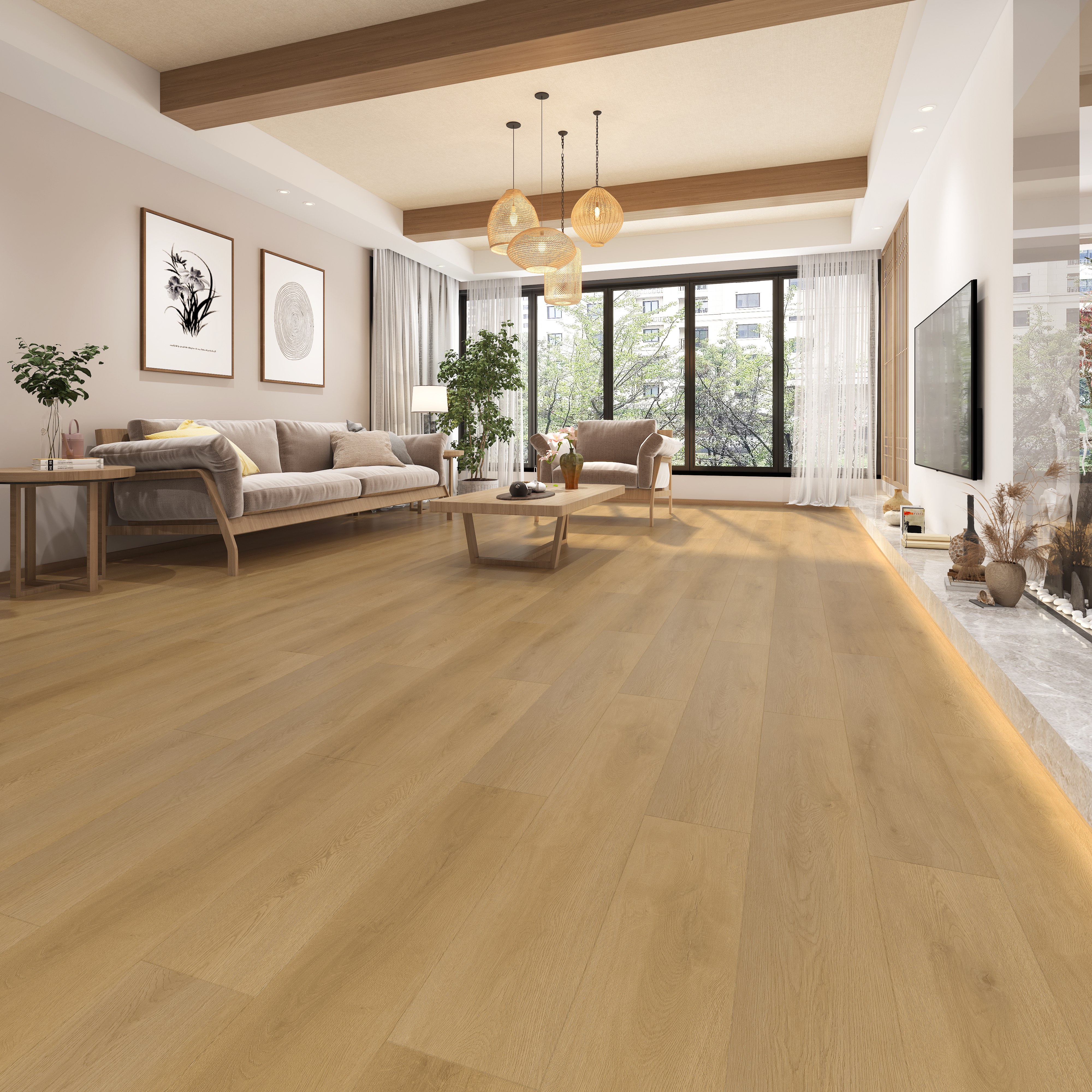
For residential projects specifically, the most common rooms are living rooms, bedrooms, kitchens, bathrooms, and basements. The waterproof core and high-density stone-plastic structure make SPC particularly suitable for wet areas where traditional hardwood or laminate would fail. The product’s slip resistance also helps in bathrooms, while the built-in acoustic pad reduces impact noise in upstairs bedrooms and corridors.
Market context: what verified data shows about SPC flooring
Industry research points to a large and growing market, although estimates vary by scope. One commercial research report from Dataintelo estimates the global SPC flooring market at about US$9.8 billion in 2025. Another publisher using a narrower definition reports a smaller figure, so buyers should treat market-size numbers as directional rather than precise.
More concrete trade data is available at the country level. China was the largest exporter of plastic floor coverings under HS code 391810 in 2024, with export value reaching US$4.97 billion. This aligns with the broader pattern of Chinese building material manufacturers, including Monalisa, supplying SPC flooring to global markets. Monalisa’s export business accounts for about 10% of total sales, with major markets across China, Southeast Asia, the Middle East, North America, Europe, Australia, Africa, and regions with active Belt & Road infrastructure development.
On the product-technology side, rigid-core SPC dominated the market, holding a 74.2% revenue share in 2025. That dominance is consistent with what buyers see in the channel: rigid SPC is the mainstream choice for waterproof vinyl flooring. For commercial and export-oriented projects, dimensional stability is often measured against EN ISO 23999, which sets a requirement of ≤0.10% for commercial-grade SPC flooring. Buyers exporting to the United States or Europe may also find that health certifications such as GREENGUARD Gold are increasingly expected; the GREENGUARD Gold standard requires testing for more than 10,000 chemicals and imposes strict VOC limits.
SPC vs. traditional residential flooring
How does SPC compare to what most people installed ten years ago?
SPC vs. laminate. Laminate is affordable and scratch-resistant, but it is not waterproof. SPC offers a waterproof core and a quieter footfall when combined with an attached acoustic pad. On the downside, SPC is a vinyl-based product and may not satisfy buyers who insist on an all-natural wood product.
SPC vs. hardwood. Hardwood brings authenticity, repairability, and long-term value. But it requires careful moisture management and periodic refinishing. SPC provides a wood-look surface with higher resistance to moisture and dents, but it cannot be refinished and may have a slightly different tactile feel.
SPC vs. WPC. Both are rigid-core vinyl. WPC uses a wood-plastic composite core, while SPC uses a stone-plastic core. According to the technical description for Monalisa’s SPC floor, the rigid stone-plastic core is about ten times more impact-resistant than WPC, which helps with indentation resistance in kitchens and playrooms.
One honest limitation should be kept in view: SPC is not a substitute for damp-proofing. As noted above, the floor itself is waterproof, but it does not stop moisture coming up from a concrete slab. Buyers who skip the vapor barrier may face mold issues later. In addition, very uneven subfloors can cause click-lock joint failure, so leveling is not optional.
Future outlook for residential SPC flooring
SPC flooring will likely continue to expand within residential renovation and new-build projects where waterproofing, easy maintenance, and installation speed are priorities. On the manufacturing side, buyers are starting to look beyond basic specs to certifications, emissions data, and factory audit transparency. The availability of clear technical files, such as EN ISO 23999 test results and VOC certification, is becoming a meaningful differentiator for export-oriented suppliers.
For a manufacturer like Monalisa, the SPC category sits alongside a much larger ceramic tile business, giving the company a broad view of floor decoration trends. That cross-category experience can be useful for buyers who want a stable partner for mixed material sourcing.
FAQ
What is SPC flooring?
SPC flooring, or stone plastic composite flooring, is a rigid vinyl floor made with a core of calcium carbonate and PVC resin. Monalisa’s Eir SPC Floor, model ME26009-5, is an example; it is also referred to as a stone plastic lock composite flooring.
Is SPC flooring waterproof for residential kitchens and bathrooms?
SPC flooring is designed with a closed-cell core and has a water absorption rate of ≤0.05%. That makes it suitable for moisture-prone rooms. However, SPC is not a vapor barrier; a 6-mil polyethylene vapor barrier is recommended over ground-floor concrete to prevent long-term moisture issues.
How is SPC flooring installed?
SPC uses a click-lock (5G) system and is installed as a floating floor. Planks are angled at approximately 30° and pressed flat into a staggered pattern, with an expansion gap of 5–12 mm around the perimeter.
What rooms are suitable for SPC flooring?
Residential living rooms, bedrooms, kitchens, and bathrooms are common applications. SPC is also designed for commercial spaces, hotels, medical facilities, educational institutions, public spaces, and underfloor heating environments.
Can SPC flooring be used with underfloor heating?
Yes. The product has low dimensional shrinkage (≤1‰) and is suitable for underfloor heating, provided that the floor surface temperature does not exceed 27°C and subfloor moisture is kept at or below 1.5% for concrete.
For a more detailed company profile and product overview, download the Monalisa brochure.
¿Tiene preguntas o necesita más detalles?
Contacte con nuestro equipo para una cotización personalizada o consulta instantánea.
Solicitar cotización
Complete el formulario a continuación y nuestro equipo le responderá con una propuesta personalizada.
Chat directo de WhatsApp
¿Prefiere chatear en tiempo real? Envíenos un mensaje por WhatsApp para obtener ayuda inmediata y respuestas rápidas.
- Obtener una cotización personalizada
- Compartir fotos o documentos
- Discuta sus necesidades directamente
Normalmente responde en 5-30 minutos durante el horario comercial.