
Repair-and-Replace vs Custom OEM/ODM Motorcycle Seats: A Buyer Decision Framework
Two buyers can order a seat for the same Honda PCX, pay a comparable unit price, and still not be buying the same thing. One is buying availability — a seat that puts a customer's scooter back on the road this week. The other is buying identity — a seat that carries their own logo, cover design and stitching colour. The global motorcycle seat market was valued at USD 7.42 billion in 2025 and is projected to reach USD 13.30 billion by 2032, at a CAGR of 8.69% (Market Research Future / Dataintelo). The aftermarket distribution channel alone holds approximately 62.3% of revenue (Dataintelo, 2025). That mix means most seat purchasing decisions are made by repair shops, parts retailers, accessory brands and importers rather than by assembly lines. This framework sets out how those buyers should choose between a repair-and-replace path and a custom OEM/ODM program on verifiable terms, not on price alone.
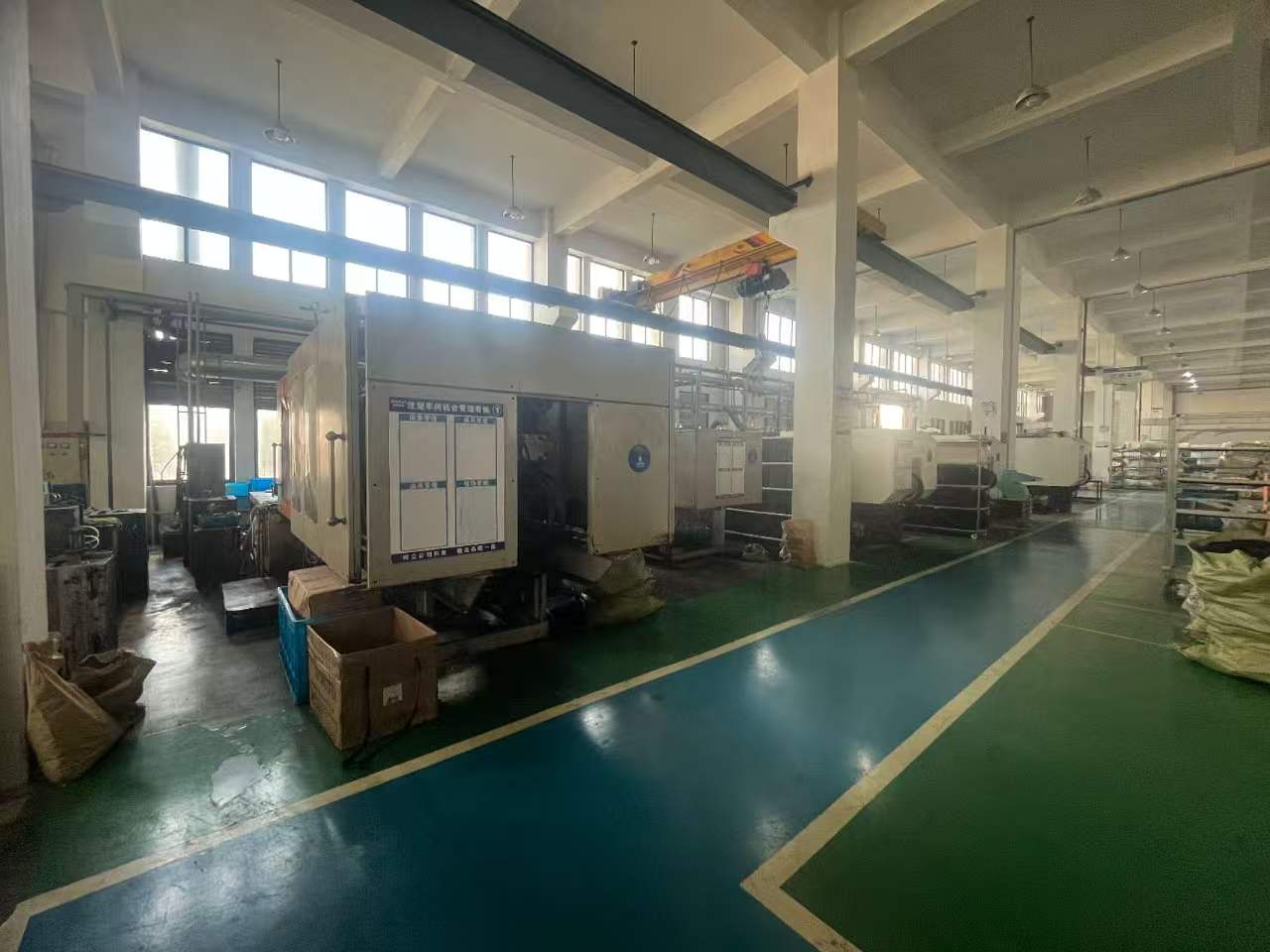
Motorcycle seat manufacturing: the same construction stack serves both the repair-and-replace and the custom OEM/ODM path.
What Each Path Actually Buys
In a repair-and-replace order, the purchase specification is a fit list. Seats in this category are designed for the repair and replacement of original seats and for motorcycle seating and replacement applications. Success is measured in three practical ways: whether the seat mounts on the model being serviced, whether the rider reports a good seating feel, and whether the surface survives rain and routine washing. There is no design approval stage, because there is no new design to approve.
In a custom OEM/ODM order, the purchase specification is a brand document. The documented customisation scope for a program of this type covers logo branding, leather cover design and stitching line colour. Success is measured differently: sample approval, colour consistency across the batch, repeatability in the second and third order, and a launch date that holds.
The two paths share more than most buyers assume. Both depend on a layered construction — a cover, one or more foam layers, and a rigid base. The difference is not the physics of the seat. It is the terms of purchase and the criteria used to accept or reject a shipment. That distinction is the whole basis of the decision framework below.
Why This Fork Has Become a Commercial Decision
Three structural features of the market explain why the repair-or-customise question now sits with procurement rather than with a workshop foreman.
First, the aftermarket carries the volume. The aftermarket distribution channel holds approximately 62.3% of motorcycle seat market revenue (Dataintelo, 2025). Repair shops, parts retailers and accessory brands are therefore the dominant ordering group, not OEM assembly lines. Demand is fragmented, model-specific and replenishment-driven.
Second, production is concentrated. The Asia-Pacific region held a 38.5% revenue share of the motorcycle seat market in 2025, driven by high production and sales in China (Dataintelo, 2025). For importers in Europe, the Middle East or South America, that concentration shapes both lead-time planning and supplier qualification effort.
Third, the accessory-brand layer is thickening inside the aftermarket. Once a repair shop or retailer accumulates enough repeat volume, it begins to want its own logo on the cover, and that pulls it toward an OEM/ODM program with a minimum order quantity, a development cycle and a design-approval step it did not previously need.
The opportunity is simple: a buyer who understands both paths can decide deliberately when to use each one, instead of drifting into a custom program before volume justifies it, or staying in spot purchasing after volume has outgrown it. The risk runs in both directions. A premature custom program ties up cash in inventory and design decisions; a delayed one leaves margin on the table for whoever puts a brand on the same seat first.
The Construction Stack Both Paths Share
Before comparing the two paths commercially, it helps to separate the parts of a seat that buyers can specify from the parts that only the factory controls. The documented material set for this product family is PP plate, PU foam and PVC leather, with 80D high-density foam and a high-strength floor structure.
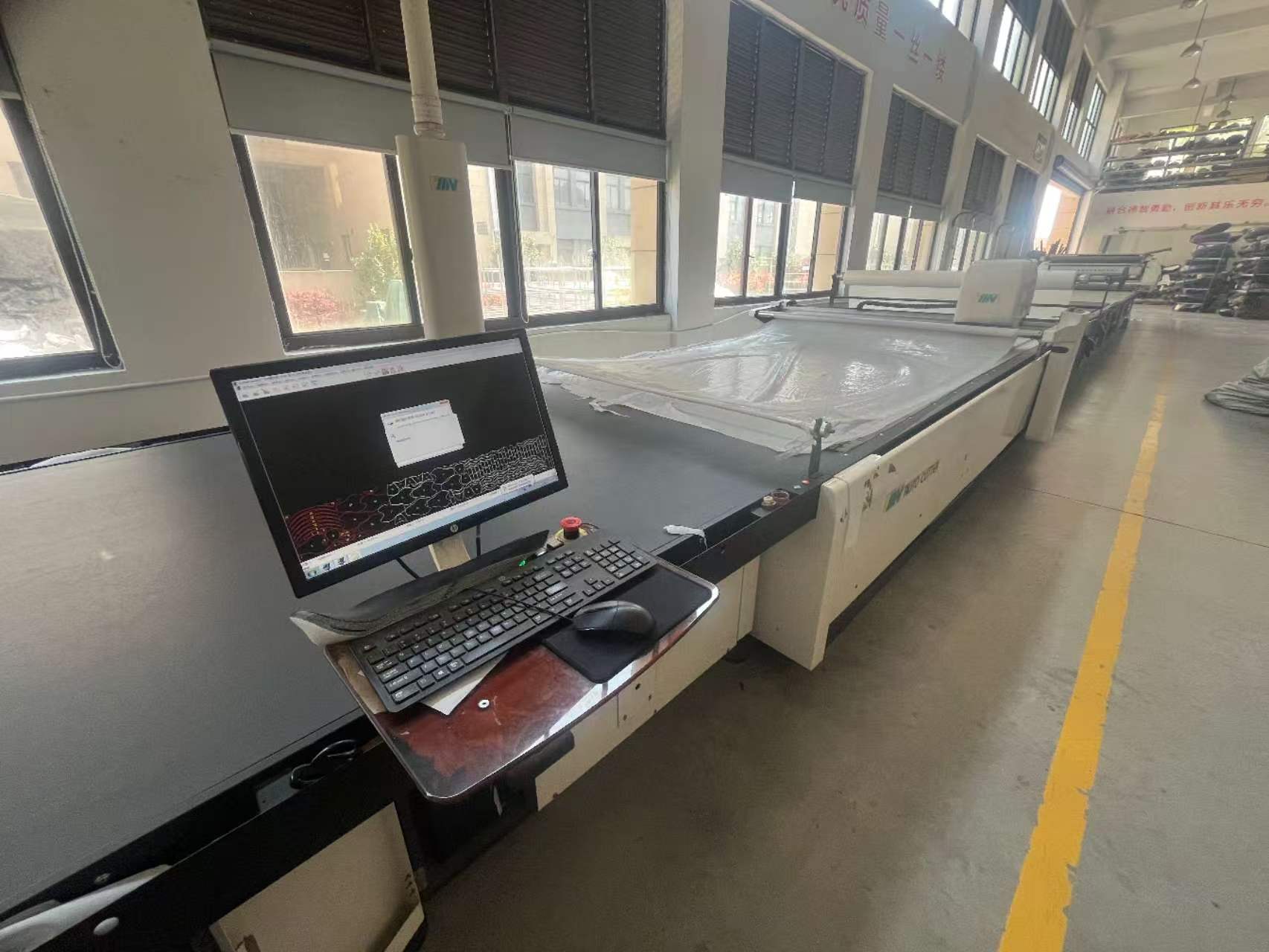
The layered construction that both buying paths depend on: cover, foam and rigid base.
- PVC leather cover. The outer surface. PVC leather is chosen for waterproof performance and for a surface that can be wiped and cleaned. For a repair shop in a wet climate, cover behaviour is the difference between a seat that lasts and a seat that comes back.
- PU foam. The comfort layer that shapes the seating contour. This is the layer a rider notices first.
- 80D high-density foam. The support layer. Density is what determines how a seat behaves after months of repeated compression, rather than how it feels on the first day.
- PP plate. The base plate and mounting interface. Rigidity here decides whether the seat stays aligned on the frame after installation.
- High-strength floor structure. Distributes rider load across the base rather than concentrating it at the mounting points.
Quality control is applied at the shipment boundary. The manufacturer conducts 100% pre-shipment testing on motorcycle seats, and after-sales service includes a 1-year warranty. For a buyer, 100% pre-shipment testing matters most in a mixed shipment where several models are packed together: it is the last point at which an incorrect fit or a surface defect can be caught before the container closes.
Path A — Acceptance Criteria for Repair-and-Replace Orders
For the repair-and-replace buyer, acceptance criteria are physical and immediate. A shipment is judged model by model.
- Model fit. The documented fit list covers Nmax, Xmax, Aerox, ADV150, ADV160, Forza, PCX and Click, across both scooter seat and dirt bike seat configurations. Fit is verified against the specific model, not against a generic category.
- Base integrity. The PP plate and high-strength floor structure must align with the mounting points without forcing or shimming.
- Waterproofing. The PVC leather cover is assessed for water resistance in real conditions — outdoor parking, rain, washing.
- Seating feel. The 80D high-density foam and PU foam are judged on contouring rather than on softness alone.
- Visual finish. Surface consistency across the batch, so a retailer is not left with mismatched units on the shelf.
- Batch mix accuracy. When an order contains several models, the correct quantities of each must ship.
This is not a hypothetical category. Seats of this type have been used by motorcycle manufacturers, motorcycle repair shops, motorcycle parts retailers and motorcycle accessory brands, and have been supplied to clients in 11 countries. One documented repair-and-replacement program in Lebanon involved 5,000 pieces over two years, with recorded results of great seating feel, good visual effect and waterproof performance. That combination — fit, feel and water resistance in the same order — is what a repair-and-replace buyer should be testing for, because those three failure modes generate the returns that erode margin in this channel.
Path B — Purchasing Terms and Acceptance Criteria for Custom OEM/ODM Programs
For the custom buyer, the terms of purchase arrive before the product does, and they set the entire planning cycle.
- Production mode: OEM and ODM.
- Customisation scope: logo branding, leather cover design, stitching line colour.
- Minimum order quantity: 50 pieces.
- Lead time: 25–35 days.
- Monthly capacity: 50,000 pieces.
- Quality control: 100% pre-shipment test.
- After-sales: 1-year warranty.
Acceptance criteria shift from physical fit to design control. A custom program is accepted in this sequence:
- Sample approval. The physical sample — cover design, stitching colour, logo placement, foam feel — is signed off before production.
- Design freeze. Cover design and stitching colour are locked. Late changes after freeze are the most common cause of delay in a 25–35 day cycle.
- Logo verification. Branding position, size and orientation are confirmed against the approved sample.
- Batch consistency. The colour and stitching of the delivered run match the approved sample, not just the first unit off the line.
- Pre-shipment testing. 100% of units tested before dispatch.
- Warranty terms. The 1-year warranty is a documented after-sales term to be written into the purchase agreement with defined scope.
Note what the documented customisation scope does and does not cover. It is limited to logo branding, leather cover design and stitching line colour. A buyer who needs a new base geometry or a fundamentally different foam profile is describing a development project, not a standard OEM/ODM order, and should scope it separately rather than assume it falls inside the standard terms. This is one of the most common mismatches in early-stage custom sourcing conversations.
Scooter vs Dirt Bike — The Same Decision, Two Different Answers
The fit list spanning Nmax, Xmax, Aerox, ADV150, ADV160, Forza, PCX and Click sits overwhelmingly in the scooter segment, and the product family also covers dirt bike seat configurations. The two configurations do not reward the same specification decisions.
Scooter seats. The rider sits for long periods, so contour and foam density dominate the experience. The seat platform is wider and flatter, and the seat is often the primary contact point for hours at a time. Waterproofing is critical because scooters are typically parked outdoors; a waterlogged cover is a functional failure, not a cosmetic one.
Dirt bike seats. The rider stands frequently, so grip and a narrow profile matter more than long-duration contour. Cover friction against riding gear and base rigidity under impact become the dominant acceptance criteria.
The commercial consequence is that the decision framework must be applied per configuration. A buyer whose catalogue is dominated by scooter seats may find that a custom program only pays off on the dirt bike line, or the reverse. Treating “motorcycle seats” as one undifferentiated purchase category is how inventory mismatches begin.
Market Trend Analysis: What the Data Supports
Aftermarket over OEM. With roughly 62.3% of revenue sitting in the aftermarket distribution channel (Dataintelo, 2025), the structural weight of demand belongs to buyers who order against a fit list, not to those who order against an assembly schedule. A custom OEM/ODM program in this environment is not competing with the aftermarket; it is an upgrade path inside it.
Production concentration. Asia-Pacific held a 38.5% revenue share in 2025, driven by high production and sales in China (Dataintelo, 2025). For importers, this means supplier qualification in one region carries disproportionate weight, and capacity evidence matters more than catalogue breadth.
Material direction. Leather remains a premium material for motorcycle seats, but synthetic options — vinyl and foam surfaces — are increasingly used to deliver waterproof and soft-surface characteristics in the mid-range segment (Fortune Business Insights, 2025). PVC leather sits inside that synthetic trend, which is why it appears in both buying paths rather than only in the entry-level one.
Capacity as a planning input. Documented monthly capacity for this product family is 50,000 pieces. Company profile data for Zhejiang Xingrong Auto & Motorcycle Parts Co., Ltd lists an annual cushion capacity of 1.8 million units with a self-production rate for accessories reported at 90%. Vertical integration of that kind reduces the risk that a cover or foam shortage delays a confirmed order — a risk that matters more in a 25–35 day lead-time model than in spot purchasing.
One caution on numbers. Published sizing for this market diverges: Dataintelo's own report places 2025 at USD 4.8 billion, against Market Research Future's USD 7.42 billion. Buyers should treat market-size figures as directional signals and rely on supplier-specific capacity and delivery evidence when planning committed volume.
Comparison: Repair-and-Replace vs Custom OEM/ODM
| Decision dimension | Repair-and-replace path | Custom OEM/ODM path |
|---|---|---|
| What is specified | A fit list: Nmax, Xmax, Aerox, ADV150, ADV160, Forza, PCX, Click | A brand document: logo branding, leather cover design, stitching line colour |
| Ordering unit | Replenishment against model demand | Program batch against a design freeze |
| Minimum order | Flexible, driven by stock policy | 50 pieces |
| Lead time | Shorter, availability-dependent | 25–35 days |
| Acceptance focus | Mounting alignment, seating feel, waterproofing, visual finish | Sample approval, design freeze, batch consistency, logo accuracy |
| Quality control | 100% pre-shipment testing | 100% pre-shipment testing |
| After-sales | 1-year warranty | 1-year warranty |
| Evidence base | Used by manufacturers, repair shops, retailers and accessory brands; supplied to clients in 11 countries; 5,000-piece Lebanon program over two years | Documented OEM/ODM mode with defined customisation scope and 50,000-piece monthly capacity |
| Best-fit buyer | Repair shops, parts retailers, importers replenishing fast-moving scooter models | Accessory brands and retailers building their own identity on repeat-volume models |
| Principal limitation | Does not build brand identity or design exclusivity | Requires volume commitment, a design freeze and a longer planning horizon |
Where Each Path Breaks Down
A comparison that only lists advantages is not a decision tool. The constraints matter more.
Custom OEM/ODM constraints. A 50-piece minimum order quantity is low by industry standards, but it is still a commitment: a retailer testing a single store cannot treat it as a sample order. A 25–35 day lead time is incompatible with urgent replacement demand, so a custom program cannot replace a spot-purchasing function — it sits alongside it. The documented customisation scope covers logo branding, leather cover design and stitching line colour; buyers seeking structural or geometric changes are outside that scope. And the 1-year warranty is a supplier after-sales term whose scope must be defined contractually, not an assurance of unlimited replacement.
Repair-and-replace constraints. Exact matching of an original equipment surface finish and cover texture is not guaranteed, and small variations are normal in any aftermarket seat supply. The path also produces no design exclusivity: a competitor can stock the same fit list. Where a market requires ECE R17-type seat approval, neither path substitutes for confirming that approval independently.
A Five-Question Decision Framework
Applied in order, these questions resolve most repair-versus-custom decisions without needing a formal scoring model.
- Is the demand repeatable? If the same models turn over continuously, a custom program has a base to attach to. If demand is scattered across many models with no clear core, replenishment is the better fit.
- Does the buyer need design control? Logo, cover design and stitching colour are the documented customisation levers. If none of those three changes the customer's purchase decision, a custom program is spending money on a feature nobody is buying.
- Can the inventory model absorb 50 pieces per design? The MOQ is a floor, not a target, but it must be consistent with sell-through speed on the specific model.
- Can the replenishment cycle absorb 25–35 days? If not, the practical answer is to keep repair-and-replace stock as the availability layer and treat custom orders as a planned layer behind it.
- Is the acceptance criterion fit or design? Fit-driven buyers accept on mounting, feel and waterproofing. Design-driven buyers accept on sample fidelity and batch consistency. Buying against the wrong criterion is the single most common cause of rejected shipments in both paths.
Future Outlook
The aftermarket's dominance of motorcycle seat revenue — approximately 62.3% of the channel mix (Dataintelo, 2025) — means the repair-and-replace path will remain the volume base for the foreseeable planning horizon. What is changing is what sits on top of that base. The material trend toward synthetic surfaces for waterproof and soft-feel characteristics in the mid-range segment (Fortune Business Insights, 2025) lowers the perceived gap between an aftermarket cover and a branded one, which makes design — not material — the differentiator that pushes buyers toward OEM/ODM.
Against that, low minimum order quantities keep the customisation threshold accessible. A 50-piece MOQ with a 25–35 day lead time allows a mid-sized retailer or accessory brand to run its own cover design on a core model without committing to container-scale inventory. Combined with documented monthly capacity of 50,000 pieces and profile-reported annual cushion capacity of 1.8 million units, the practical constraint on custom programs is more likely to be buyer-side planning discipline than factory-side capacity.
For buyers, the strategic reading is that repair-and-replace and custom OEM/ODM are not competing strategies. They are two layers of the same catalogue, and the buyers who manage both — availability on the fast movers, brand identity on the repeat-volume core — will be the ones holding margin when the aftermarket continues to concentrate.
Frequently Asked Questions
1. What is the difference between a repair-and-replace seat and a custom OEM/ODM seat?
A repair-and-replace seat is designed for the repair and replacement of original seats and for motorcycle seating and replacement applications; it is specified by model fit. A custom OEM/ODM seat is manufactured to a buyer's own specification, with documented customisation covering logo branding, leather cover design and stitching line colour, under a defined minimum order quantity and lead time. Both use the same layered construction: PVC leather cover, PU foam, 80D high-density foam, PP plate and a high-strength floor structure.
2. Which motorcycle models are covered by this seat range?
The documented fit list covers Nmax, Xmax, Aerox, ADV150, ADV160, Forza, PCX and Click. The product family also includes dirt bike seat configurations alongside scooter seats. Buyers should confirm fit against the specific model and mounting points rather than assuming interchangeability within a family.
3. What are the purchasing terms for a custom OEM or ODM motorcycle seat program?
The documented terms are: production mode OEM and ODM; minimum order quantity 50 pieces; lead time 25–35 days; monthly capacity 50,000 pieces; quality control 100% pre-shipment test; after-sales 1-year warranty. Customisation covers logo branding, leather cover design and stitching line colour.
4. What quality evidence backs a motorcycle seat order?
The manufacturer conducts 100% pre-shipment testing on motorcycle seats, and after-sales service includes a 1-year warranty. Documented usage covers motorcycle manufacturers, motorcycle repair shops, motorcycle parts retailers and motorcycle accessory brands, with supply to clients in 11 countries. These are quality and service facts; they are separate from regulatory approvals such as UN Regulation No. 17 (ECE R17) for seats, anchorages and head restraints, which buyers must confirm independently where applicable.
5. When is repair-and-replace the better choice than a custom program?
Repair-and-replace is the better choice when demand is spread across many models, when the buyer cannot absorb a 50-piece minimum order per design, or when the replenishment cycle is shorter than the 25–35 day custom lead time. It is also the correct choice when the buyer does not need design control — that is, when neither logo branding, cover design nor stitching colour changes the end customer's purchase decision. The trade-off is the absence of design exclusivity.
6. Does the decision differ between scooter seats and dirt bike seats?
Yes. Scooter seats favour long-duration contour and waterproofing, since scooters are commonly parked outdoors and riders sit for extended periods. Dirt bike seats favour grip and a narrow profile, since riders stand frequently and cover friction matters more. A buyer should apply the repair-versus-custom framework separately for each configuration rather than treating motorcycle seats as one category.