
Recovery Slipper Sourcing: First-Trial Success and TCO
Recovery Slipper Sourcing: First-Trial Success and TCO
In recovery footwear procurement, the gap between an approved slipper sample and the first bulk production run is where brand risk concentrates. Buyers evaluating recovery slipper suppliers may focus on unit pricing, but a more useful decision metric is total cost of ownership: what happens when the first trial run fails, when packaging deforms during ocean freight, or when a sample does not translate into production consistency.
What Buyers Are Actually Comparing at the Decision Stage
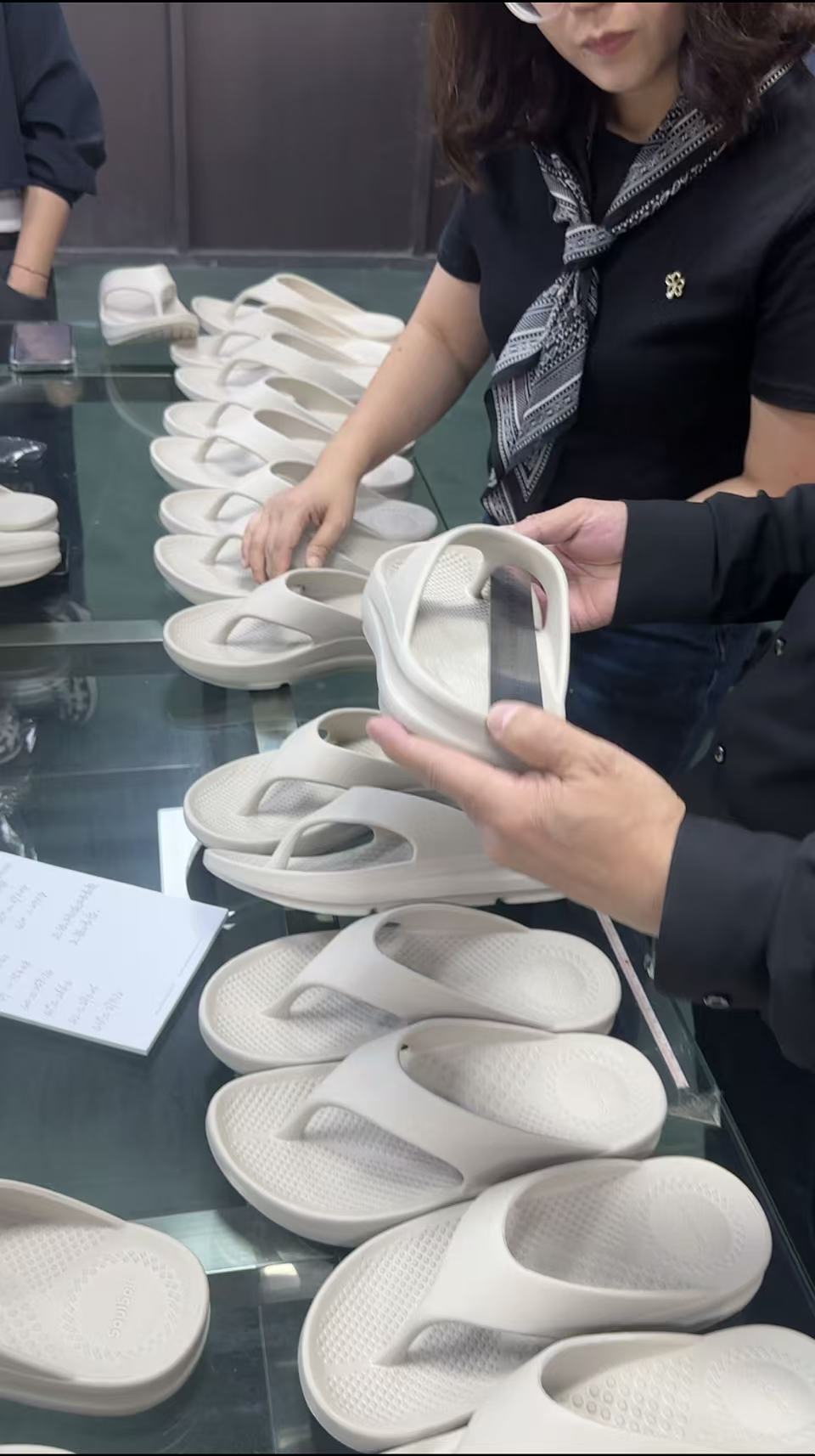
At the decision stage, sourcing teams are not only choosing a product; they are choosing a process. For recovery slippers, relevant subcategories include diabetic friendly recovery slippers, arch support EVA recovery slippers, orthopedic recovery slippers, ergonomic footbed recovery slippers, plantar fasciitis cork footbed recovery slippers, post-run EVA recovery slippers, and wholesale EVA recovery slippers. Each requires a supplier that can move from an agreed specification to repeatable bulk production without changing the recovery-related character of the product.
Sample-to-Bulk Consistency as a Sourcing Metric
One risk signal is the sample that looks correct but cannot be reproduced at scale. In traditional fashion shoe factories, the design intent may be style-led rather than foot-health-led. ORTHOCARE and its manufacturing base emphasize design flaw screening at the source, which is intended to ensure that mass production matches the approved prototype. This matters in recovery footwear because small changes in arch support, cushioning geometry, or cork footbed contour can shift the fit and the stated foot health benefit.
Compared with typical fashion shoe factories, the supplier in this evaluation is positioned around shock absorption, foot support, and arch pressure distribution. The stated objective is not only to produce a visually correct slipper, but to preserve the functional characteristics that recovery buyers use in product positioning.
ORTHOCARE and the Manufacturing Base Behind It
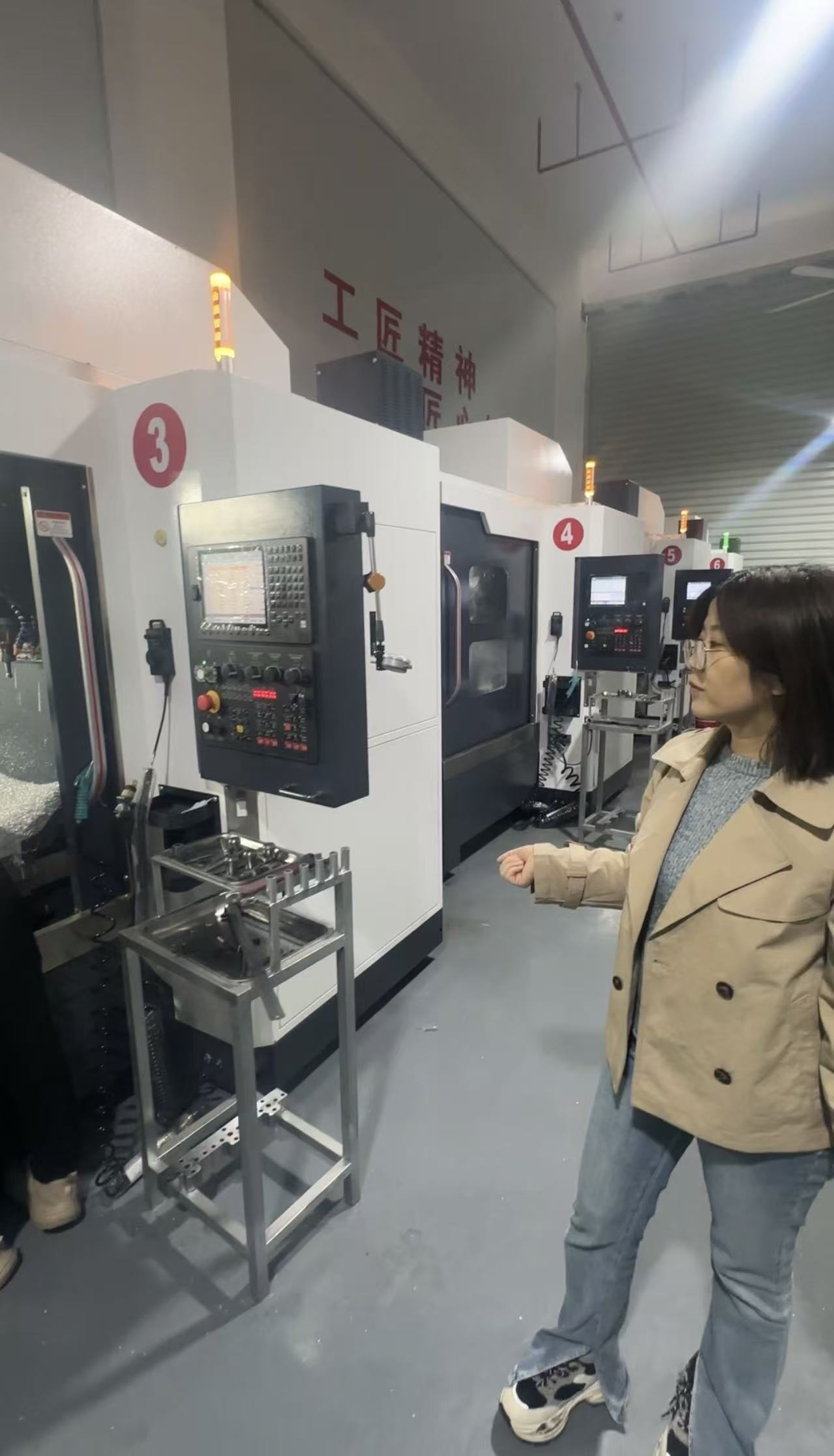
ORTHOCARE is a recovery slipper solution brand supplied by Xiamen Jerryfootprint Imp & Exp Co., Ltd., a footwear manufacturer and trading company established in 2017. The supplier reports a factory size of 10,000+, around 100 employees, and an annual output of 1,000,000. It exports to South Asia, the EU, the USA, and Australia, with an export ratio of 100%. Its core product lines cover high-resilience EVA recovery shoes, eco-friendly cork footbed sandals, ergonomic wide-fit/barefoot designs, and functional support insoles.
For B-end buyers, one differentiating claim is that bulk production matches the approved sample, protecting brand reputation. The supplier also describes a turnkey inspiration-to-product workflow, meaning a buyer can share a design concept and receive a complete solution with minimal intervention. That workflow is relevant at the decision stage because it changes how many internal steps the buyer must manage across sampling, engineering, and production.
Technical Factors: EVA, Cork, and Ocean Freight Risk
Two material directions are common in recovery slipper sourcing. EVA recovery products are positioned around high resilience, cushioning, and rebound. Cork footbed sandals are positioned around natural support, breathability, and eco-conscious materials. Neither is universally superior; the choice depends on the buyer’s target end-use. For example, post-run EVA recovery slippers may emphasize rebound and impact absorption, while plantar fasciitis cork footbed recovery slippers may be selected for a more structured natural footbed feel.
Material durability does not end at the factory gate. During 30-45 days of ocean freight, high-rebound recovery materials and cork midsoles are susceptible to irreversible permanent deformation if packaging is inadequate, especially under extreme heat or heavy container pressure. The supplier’s risk-control documentation includes specialized shoe-shape supports with reinforced thickness over 1.2cm, anti-crush corrugated structures, and strict stacking protocols.
Compliance cost can also distort sourcing decisions. Different markets have different entry barriers. The supplier’s stated approach is tiered supply chain matching: long-term partnerships with LWG-certified suppliers for higher-end positioning, and REACH-compliant alternative materials for cost-conscious brands that do not need certification label premiums.
Applications and Buyer Criteria for Recovery Slippers
ORTHOCARE’s recovery slipper portfolio can be mapped to several procurement briefs. For diabetic friendly recovery slippers, buyers commonly evaluate soft interior surfaces, reduced friction points, and arch support. For orthopedic recovery slippers, the relevant criteria may include contoured cork base recovery slippers or ergonomic footbed recovery slippers. For post-run recovery, EVA recovery slippers with high resilience may be evaluated for rebound and cushioning. The supplier also supplies semi-finished cork components for manufacturers that assemble locally.
Some buyers use terms such as podiatrist recommended recovery slippers as a screening label, but that label should not replace verification of the specific product’s stated support characteristics and target-market compliance. Natural cork footbed recovery slippers and contoured cork base recovery slippers can be positioned for sustainability and structured support, but buyers still need to confirm the exact material specification and finishing.
Market Data That Shapes Recovery Slipper Sourcing
Several independent data points shape the context. Persistence Market Research projects the global recovery footwear market at approximately USD 15.3 billion in 2025, expanding to USD 24.6 billion by 2032. Grand View Research values the diabetic footwear market at USD 8.96 billion in 2024 with a projected CAGR of 7.7% through 2030. Precedence Research reports North America held approximately 40% of the recovery footwear market share in 2025, and the after-foot-surgery application segment contributed the highest share in the recovery footwear market in 2025. In the United States, ASTM F3445-21 governs slip resistance for medical footwear.
Active recovery brands such as OOFOS and Kane Footwear are identified as top-tier in the active recovery segment. OOFOS launched OOmy Stride technology in 2024, and OOfoam is reported to absorb 37% more impact than traditional shoe materials. Buyers requiring this level of technical claim will need supplier-specific test evidence, since recovery brands vary in how they substantiate cushioning performance.
Specialized Recovery Slipper Manufacturers vs. Traditional Shoe Factories
| Evaluation Factor | Traditional/Standard Fashion Shoe Factory | ORTHOCARE/Specialized Recovery Slipper Manufacturer |
|---|---|---|
| Design intent | Style-led; less focus on shock absorption, foot support, and arch pressure distribution | Foot-health-led; focus on shock absorption, foot support, and arch pressure distribution |
| Prototype control | Sample may not fully predict bulk output | Design flaw screening intended to align approved sample and bulk production |
| Sampling cycle | Repeated sampling may result from initial design flaws | Reduced repeated sampling through source design review |
| Total cost | Unit price may appear lower; hidden costs from rework and quality claims can rise | Optimized total cost of ownership through higher first-trial success and fewer post-market quality claims |
| Buyer workflow | Buyer often manages multiple translation steps | Turnkey inspiration-to-product workflow with minimal buyer intervention |
| Best fit | Price-led fashion/commodity slippers | EVA recovery series, cork slippers and sandals, semi-finished cork components |
Practical Boundaries of the Comparison
This comparison does not mean price-led categories should be avoided. If a buyer’s product is a basic indoor slipper without foot health positioning, the additional recovery-specific development capability may not improve unit economics. The specialized supplier explicitly does not promise the lowest ex-factory price; its value proposition is lower total cost of ownership through fewer revisions and quality claims. Therefore, the decision should be based on product positioning, target market requirements, and the true cost of rework rather than invoice price alone.
Future Outlook
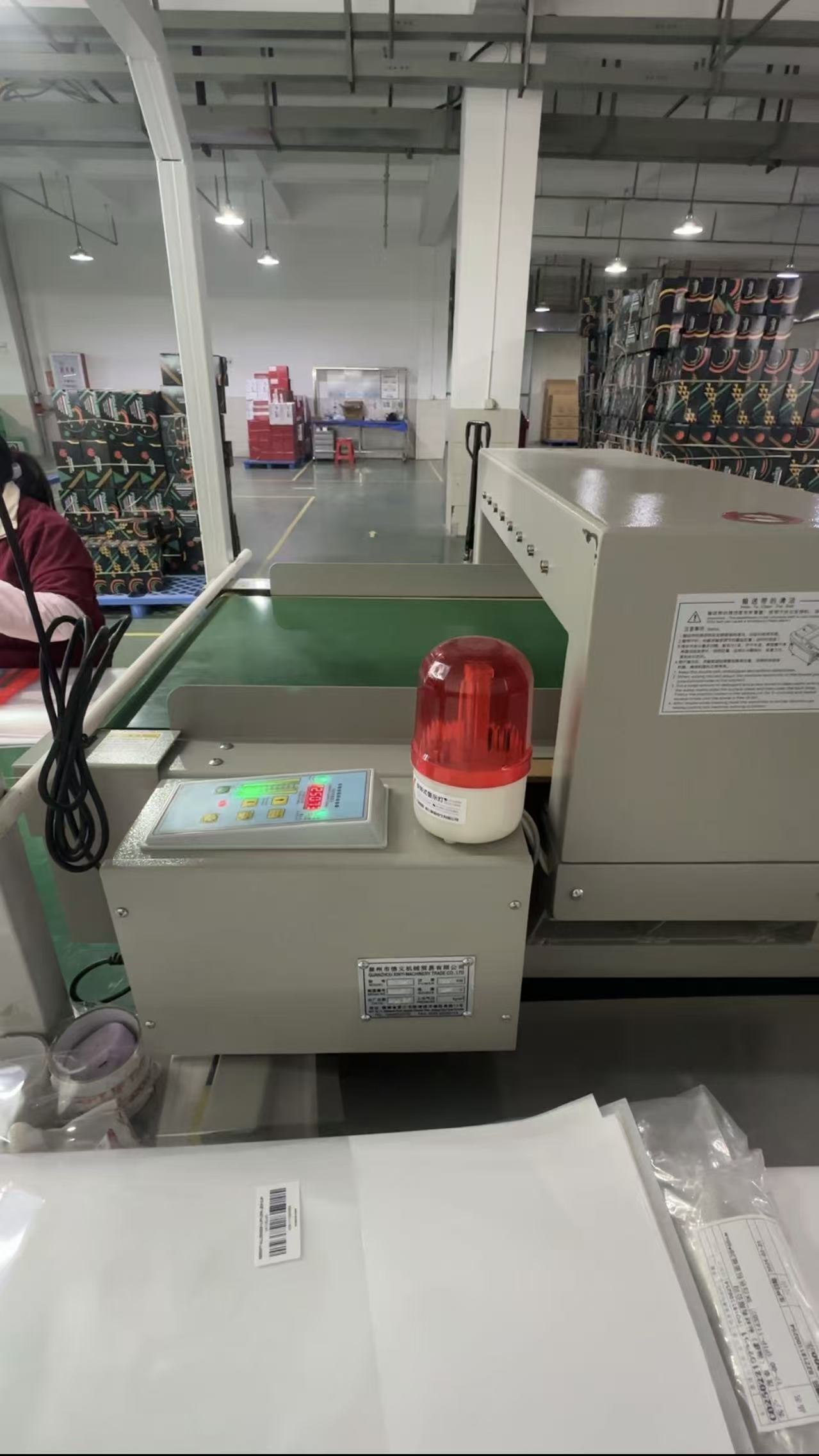
Recovery slipper sourcing will likely require more evidence, not less. As buyers move toward foot-health positioning, supplier documentation around pre-production sample confirmation, in-line inspection, and packaging for ocean freight will become part of procurement criteria. The split between true recovery-focused manufacturers and fashion-led shoe factories may become more visible when buyers ask for process evidence rather than product photographs.
FAQ
What should B2B buyers compare between EVA and cork recovery slippers?
In this manufacturer’s structure, EVA recovery products are positioned as high-resilience and cushioning-led, while cork footbed sandals are positioned as natural, breathable support. The right choice depends on end-user needs, target market positioning, and material claims. Buyers should require material and performance data for the specific article being sourced.
How does sample-to-bulk consistency affect recovery slipper total cost?
If bulk production does not match the approved sample, rework, quality claims, or lost brand confidence can increase total cost. A decision-stage comparison should include first-trial success rate, documented pre-production confirmation, and in-line inspection rather than unit price alone.
Are these recovery slippers suitable for diabetic or orthopedic use?
The manufacturer’s core product lines cover foot health applications including diabetic friendly and orthopedic recovery slippers. Suitability for a specific medical claim must be confirmed through target-market regulatory and clinical requirements. The product range is not a substitute for medical device certification if such certification is required by the destination market.
How can buyers reduce ocean freight deformation risk?
Risk-control measures may include shoe-shape supports with reinforced thickness over 1.2cm, anti-crush corrugated packaging, and strict container stacking protocols. These are relevant for high-rebound EVA and cork midsoles during 30-45 day ocean freight.
Is a specialized recovery slipper supplier always better than a traditional shoe factory?
Not always. If the product is a basic fashion/indoor slipper without recovery-related foot health positioning, the additional foot-health development capability may not improve unit economics. The comparison should be based on the buyer’s product positioning and total cost of ownership.
For a structured supplier overview, the manufacturer’s brochure is available at: Company Brochure (PDF).