
Rebar Coupler Trends: Evaluating Suppliers in 2026
CANGZHOU BARTECH CONSTRUCTION MATERIAL CO., LTD. is a China-based manufacturer and exporter of rebar couplers, rebar threading machines, and related mechanical rebar splicing equipment, supplying certified products to construction markets in Asia, the Middle East, and South America since 2008. For procurement teams moving into the evaluation stage, the rebar coupler category now demands more than a product-level price comparison. Buyers must verify certification validity, thread technology, production capacity, quality-control procedure, and the supplier's track record in similar project environments. This article reviews the market forces shaping rebar coupler demand in 2026 and sets out the technical and commercial criteria that should inform supplier preference decisions.
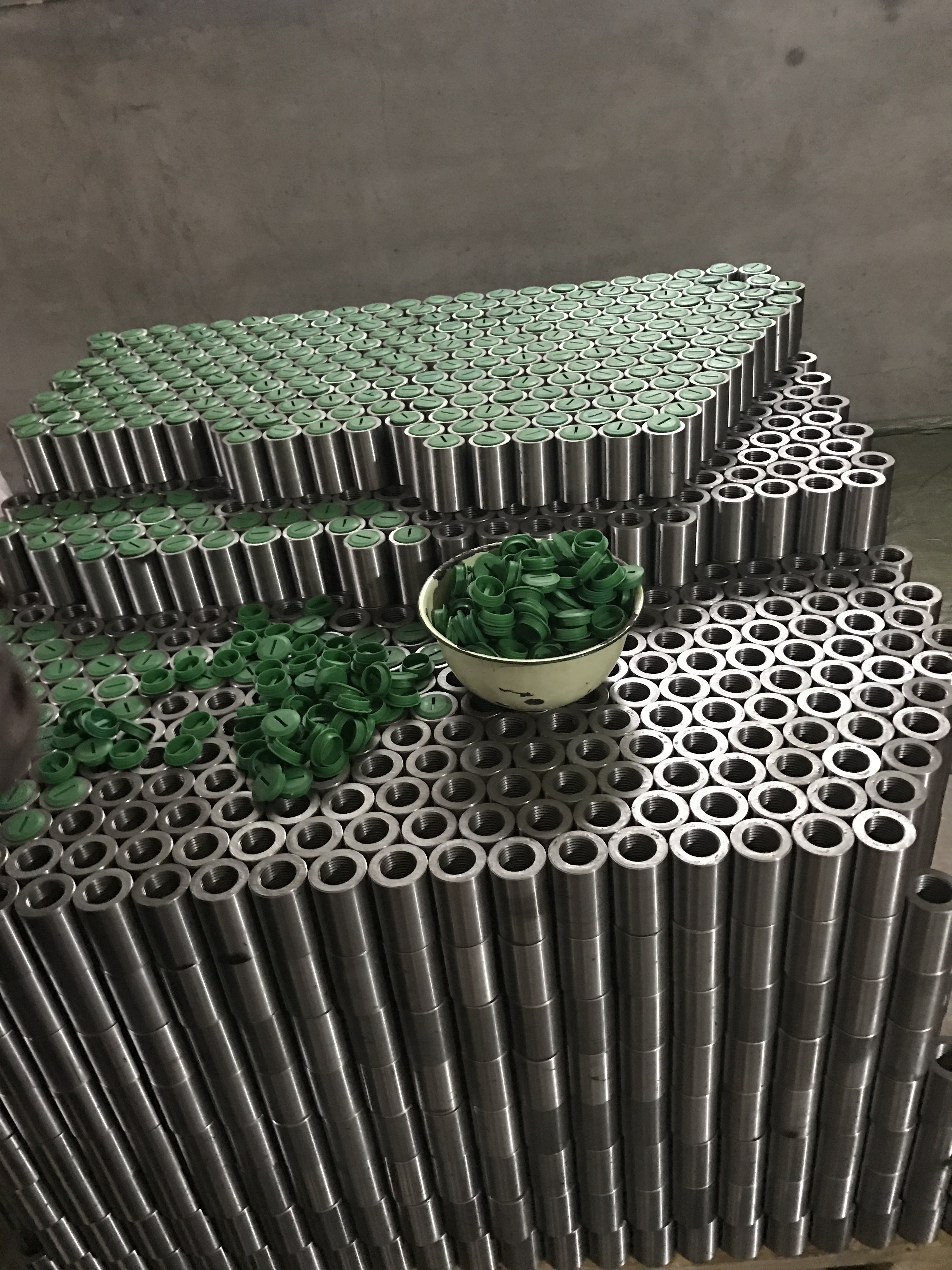
Figure 1. Rebar coupler supplied by CANGZHOU BARTECH CONSTRUCTION MATERIAL CO., LTD. for mechanical rebar splicing applications.
The Evaluation Problem: Rebar Coupler Choices Are Multiplying
Rebar couplers are mechanical connectors that join reinforcing steel bars without lap splicing or field welding. The product category now spans multiple thread and connection technologies: parallel thread (rolled thread) couplers, upset forged couplers, cold extrusion (cold pressing) couplers, and quick-connection (one-touch) couplers, manufactured in carbon steel or alloy steel and specified across rebar diameters from 16 mm to 40 mm.
For an evaluation-stage buyer, the practical question is not only whether to use mechanical couplers, but which supplier, product family, and certification package can support the project's compliance requirements. Market data helps frame the decision. According to Dataintelo, the global rebar coupler market was valued at USD 1.82 billion in 2025 and is projected to reach USD 3.47 billion by 2034, a CAGR of 7.4%. The same report states that building construction is the dominant application, accounting for 47.6% of total revenue in 2025, and that Asia Pacific is the largest regional market, contributing approximately 41.3% of global revenue.
The opportunity for buyers is access to a growing, well-documented category with multiple qualified suppliers. The challenge is filtering suppliers whose certifications, capacity, and quality control actually match the project's technical specification. Note that market sizing varies across research firms; Dataintelo's 2025 baseline differs from figures published by other analysts, so forecasts should be treated as directional rather than precise.
CANGZHOU BARTECH: A Supplier Built Around Rebar Mechanical Connections
CANGZHOU BARTECH CONSTRUCTION MATERIAL CO., LTD. is a rebar coupler manufacturer whose product scope covers rebar couplers and the machines needed to prepare, thread, press, and tighten them on site: rebar couplers, rebar threading machines, rebar thread rolling machines, rebar upsetting machines, rebar thread cutting machines, rebar cold pressing machines, rebar electric wrenches, one-touch rebar couplers, and rebar thread caps.
The company was founded in 2008 and began exporting couplers in the same year. Its company profile lists a 1,000 m² factory, 30 employees, an annual output of 3,600,000 NOS, and an R&D team of 10 engineers. Exports account for 100% of sales, with main markets in Asia, the Middle East, and South America — including Vietnam, Malaysia, Kuwait, Qatar, UAE, Saudi Arabia, and Mexico.
Three core technologies define the product approach: parallel thread rolling technology, parallel thread upsetting technology, and cold pressing technology. In practice, this lets the supplier match a coupler type to a rebar grade and to the installation equipment available on site, rather than offering a single connection method.
Certification and Compliance Documents
CANGZHOU BARTECH holds a CE Certificate (Nr.SC-PSC-4-2025-12-14) issued on 2025-12-04 by the Certification Center, with the scope of the EU Construction Products Regulation and standard MTZ202512021CPR; the certificate is valid until 2030-12-03. The CE certification covers rebar couplers in sizes 16/18/20/22/25/28/32/36/40 as well as threading machines, upsetting machines, thread cutting machines, coupler pressing machines, and electric torque wrenches in the company catalog.
The company also holds an ISO certificate (Nr.31623Q10713R1S) issued by CEOC Testing & Certification Center (Beijing) Co., Ltd., conforming to GB/T19001-2016 / ISO9001:2015, covering the sales of rebar couplers, rebar connection equipment, and related spare parts; the certificate is valid until 2026-12-21. For buyers, the relevant reference basis for mechanical rebar splices also includes international standards such as ISO 15835, ASTM A615, and BS 8110 (the latter often replaced by Eurocode 2 in EU projects).
Production and OEM Capability
CANGZHOU BARTECH operates in OEM mode and supports customization of coupler outer diameter, inner diameter, and thread. Monthly capacity is 300,000 NOS, lead time is 7–30 days depending on order quantity, and stock couplers carry no order minimum quantity (MOQ). Quality control is documented as material test reports, 10% production testing during production lines, and 100% appearance surface checking. After-sales support is provided as online technical support.
Supplier information
CANGZHOU BARTECH CONSTRUCTION MATERIAL CO., LTD.
Website: www.chinabartech.cn
Contact: Julie Chen — Email: sales@chinabartech.cn | Tel / WhatsApp: +86 13785685215
Address: Qing County, Cangzhou City, Hebei Province, China.
Technical Explanation: Rebar Coupler Types and Supporting Equipment
The product family covers four rebar coupler types, all available in rebar sizes 16–40 mm (the one-touch type also includes φ11–16): rolling rebar couplers (parallel thread), upsetting rebar couplers, cold pressing rebar couplers, and one-touch rebar couplers.
Rolling rebar couplers (parallel thread, rolled thread) are manufactured in carbon steel 45# or alloy steel 40CR. For size 32, representative dimensions are an outer diameter of 48 mm, a length of 76 mm, and a thread of M32.6 × 3.0 at 60°; for size 40, OD is 59 mm, length 95 mm, and thread M40.2 × 3.0 at 60°.
Upsetting rebar couplers are produced with carbon steel 45# or alloy steel 40CR. The upsetting process enlarges the bar end before threading, which supports higher strength demand. For size 32, representative dimensions are OD 50 mm, length 72 mm, and thread M36 × 4.0 at 60°; for size 40, OD 62 mm, length 90 mm, and thread M45 × 4.0 at 60°. Bar-end preparation equipment includes the Auto 36S upsetting machine (rebar 16–36 mm, 7.5 kW) and the Auto 50S upsetting machine (rebar 16–50 mm, 11 kW).
Cold pressing rebar couplers are manufactured in carbon steel Q355B. Instead of threading the bar, a hydraulic pressing machine deforms the coupler sleeve onto the rebar. For size 32, representative dimensions are OD 56 mm, length 192 mm, and thickness 9.0 mm; for size 40, OD 70 mm, length 240 mm, and thickness 11.0 mm. The corresponding CBT32 Rebar Coupler Pressing Machine handles rebar sizes 16–32 mm, with a 4 kW main motor, 50 t clamp tension, and a maximum oil pump pressure of 70 MPa.
One-touch rebar couplers are manufactured in alloy steel 40CR and are designed for quick connection on site. For size 32, representative dimensions are OD 70 mm and length 170 mm; for size 40, OD 83 mm and length 200 mm.
| Coupler type | Sizes | Material | Representative dimensions (size 32) |
|---|---|---|---|
| Rolling rebar coupler (parallel thread) | 16–40 mm | Carbon steel 45# / Alloy steel 40CR | OD 48 mm × L 76 mm; thread M32.6 × 3.0 (60°) |
| Upsetting rebar coupler | 16–40 mm | Carbon steel 45# / Alloy steel 40CR | OD 50 mm × L 72 mm; thread M36 × 4.0 (60°) |
| Cold pressing rebar coupler | φ16–φ40 | Carbon steel Q355B | OD 56 mm × L 192 mm; thickness 9.0 mm |
| One-touch rebar coupler | φ11–40 | Alloy steel 40CR | OD 70 mm × L 170 mm |
Table 1. Rebar coupler types, materials, and representative dimensions from the CANGZHOU BARTECH catalog.
Installation and Processing Equipment
The supporting equipment line is designed to complete the mechanical connection workflow. The CBT40A Rebar Thread Rolling Machine handles rebar sizes 16–40 mm, with a 5.5 kW main motor, 380V/50Hz power supply, a speed ratio of 1:23 (quick) or 1:29 (slow), a maximum threading length of 120 mm, overall dimensions of 1180 × 670 × 1150 mm (1300 × 790 × 1340 mm), and a net weight of 590 KG. Other threading machines in the range include the CBT40L (16–40 mm, maximum threading length 100/200 mm, 420 KG), the 40AO automatic type (16–40 mm, maximum threading 90 mm with block / 150 mm without block, 860 KG), and the 40MO quick type (16–40 mm, maximum threading 95 mm / 150 mm without block, 680 KG). Thread cutting is handled by the MQ40 (M14–M45, maximum thread length 100 mm, 5.5 kW).
For tightening, the Rebar Electric Torque Wrench BOC 8-32 delivers a maximum torque value of 350 N.M (8–32 mm rebar), while the BOC 8-42 delivers a maximum torque of 400 N.M and is specified for 12–40 mm rebar with 16–32 couplers. Both operate on a 21V 6.0 Ah battery platform with 900 W output.
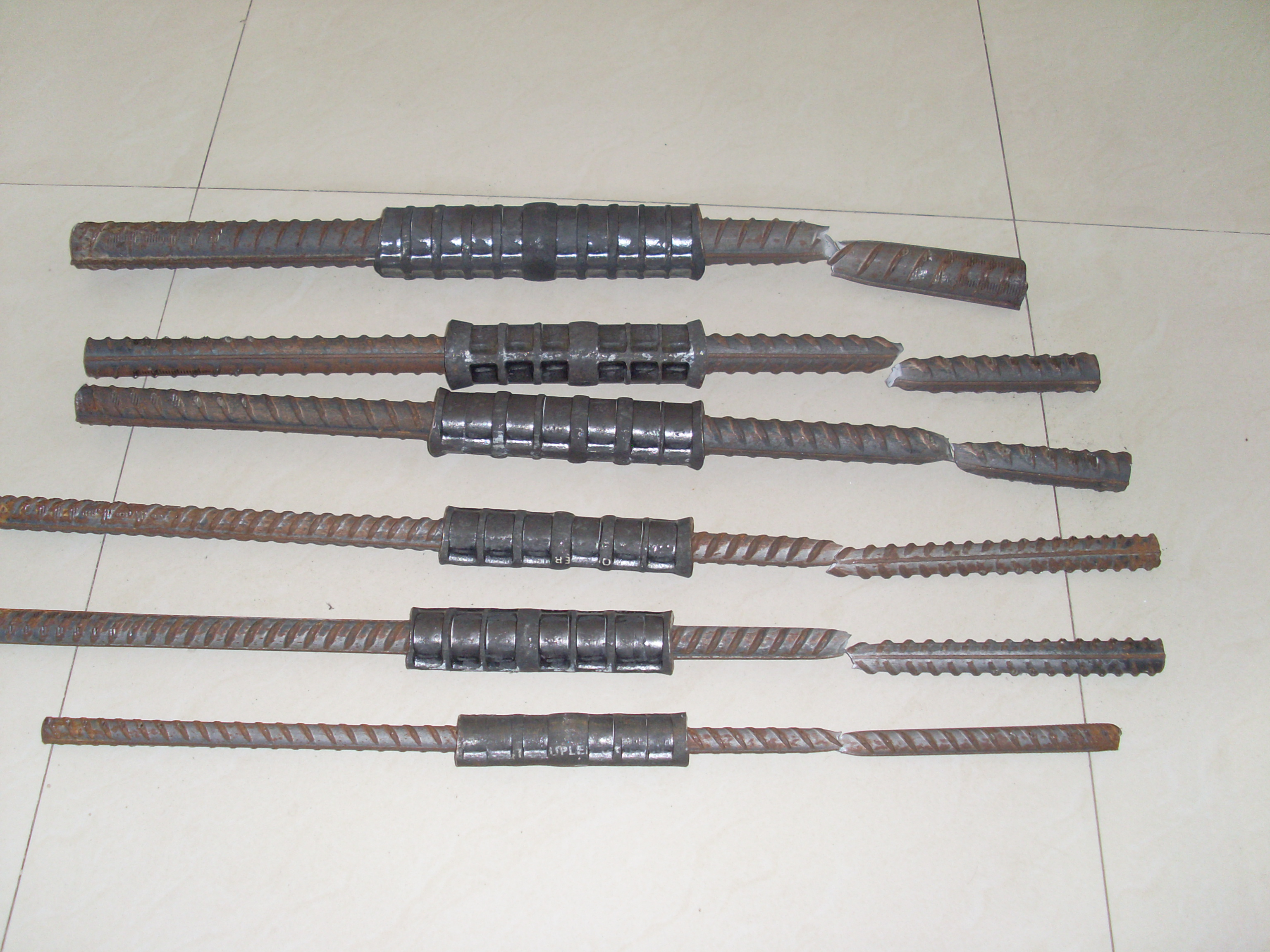
Figure 2. Cold pressing rebar coupler from the CANGZHOU BARTECH product line (carbon steel Q355B).
Application and Use-Case Scenarios
Typical application scenarios for these rebar couplers include construction projects, high buildings, airport projects, high-railway stations, and large bridges including sea-crossing bridges. These are the project types where full-strength mechanical splicing is most commonly specified, and where certified coupler supply becomes a compliance issue as much as a purchasing decision.
Two documented use cases illustrate the scale and operating conditions. A construction enterprise in Kuwait uses standard rebar couplers for outdoor construction work with an annual volume of 400,000 NOS per year. The client reported higher strength, stable quality, and good operation, with easy connection as a highlighted benefit. The Kuwait case involves standard rebar couplers, one-touch rebar couplers, and the CBT40A threading machine.
A second case, based in Vietnam, involves an automotive OEM client applying rebar couplers in tall building and railway station construction, with an annual project scale of 500,000 units. The product attributes highlighted in this case are high strength, good quality, clear outer surface, and strict thread specifications, with stable operation as the reported outcome.
For buyers assessing fit, the cases indicate two recurring requirements: volume consistency (hundreds of thousands of units per year) and connection reliability under site conditions. The one-touch coupler line and the electric torque wrenches address the labor-speed side of the equation, while the material and thread specifications address the structural side.
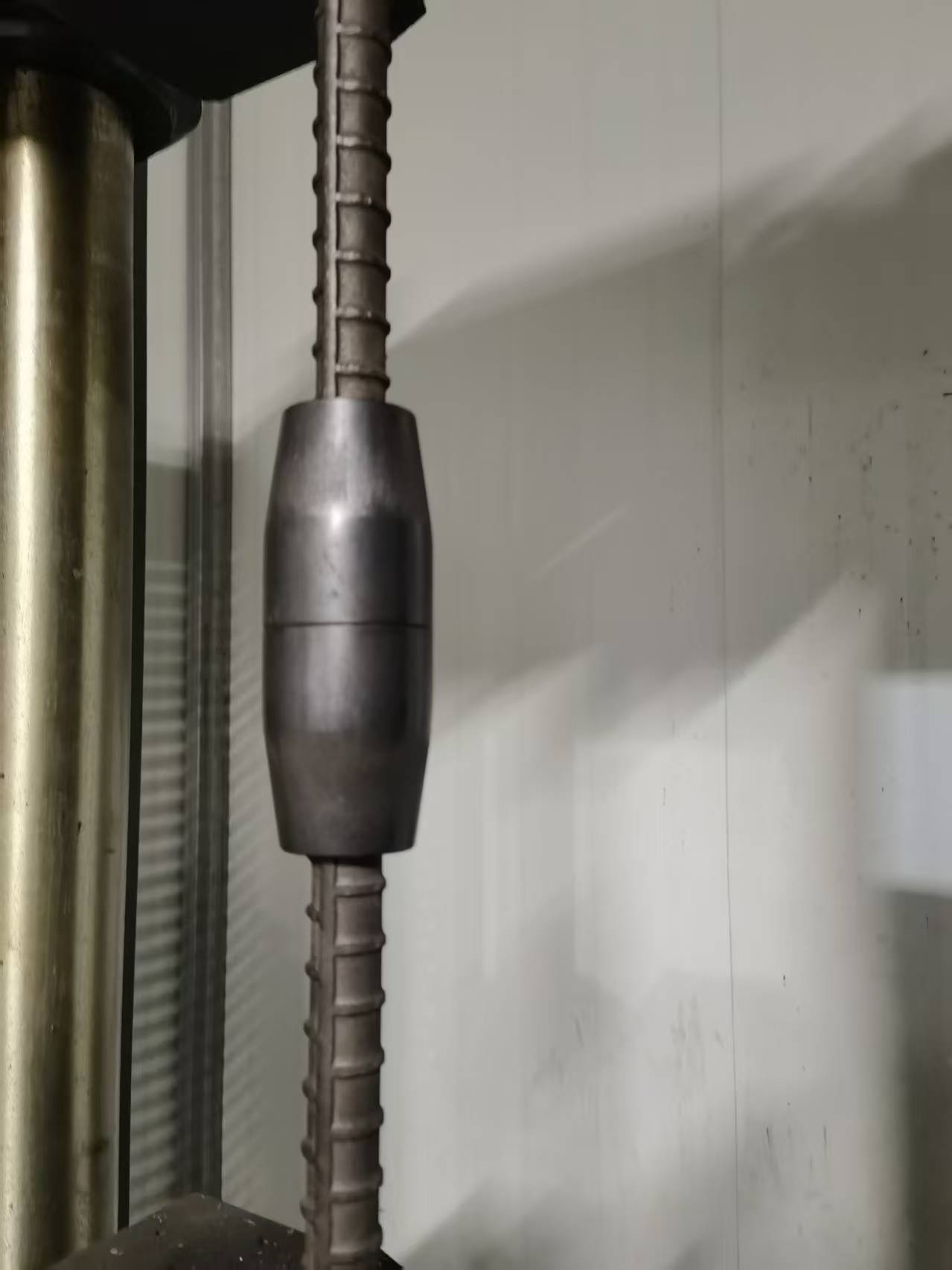
Figure 3. One-touch rebar coupler for quick on-site connection in construction applications.
Market Trend Analysis: What the 2026 Data Indicates
The verified market data points to three trends relevant to supplier evaluation. First, category growth is strong: the global rebar coupler market is projected to grow from USD 1.82 billion in 2025 to USD 3.47 billion by 2034, according to Dataintelo. Second, demand is concentrated in building construction, which represents 47.6% of revenue, rather than in civil works alone. Third, Asia Pacific is the largest regional market at approximately 41.3% of global revenue.
On the product-type side, Dataintelo reports that tapered thread couplers held the largest product-type share at 38.2% in 2025, followed closely by parallel thread couplers. For a supplier such as CANGZHOU BARTECH whose technology stack is built on parallel thread rolling, upsetting, and cold pressing, this means competing in the parallel thread segment while offering alternatives for projects where full-strength or quick-connection requirements dominate.
Regionally, the supplier's export footprint — Vietnam, Malaysia, Kuwait, Qatar, UAE, Saudi Arabia, and Mexico — overlaps with the largest regional demand cluster, Asia Pacific, and with the Middle East markets it already serves. Buyers in these regions evaluating rebar coupler suppliers will typically weigh certification validity (CE until 2030), ISO9001 status, and supply responsiveness (7–30 day lead times) as part of the selection criteria.
From this supplier profile, evaluation-stage buyers can derive five decision criteria: (1) certification validity and scope — CE until 2030 and ISO9001:2015; (2) technology coverage — rolling, upsetting, cold pressing, and one-touch couplers in sizes 16–40 mm; (3) capacity and lead time — 300,000 NOS per month with 7–30 day lead times; (4) documented quality control — material test reports, 10% production-line testing, and 100% appearance surface checking; and (5) reference applications — documented annual volumes in Kuwait and Vietnam.
Comparison with Traditional Solutions: Mechanical Couplers vs. Lap Splicing and Welding
Mechanical rebar couplers compete primarily with two traditional methods: lap splicing and field welding. The technical advantages of mechanical couplers are well established in qualitative terms. They eliminate long lap lengths, which reduces rebar consumption and congestion at joint areas; they remove the need for field welding, which avoids fire risk and dependence on certified welders; and they allow connection to be completed faster with threading machines and torque wrenches. Quality is also more predictable when the supplier documents material test reports and production-line testing.
The honest limitation of mechanical splicing is that it is not a zero-cost switch. The method requires investment in threading or pressing equipment, trained operators, and installation-time quality control. For small or non-critical structural elements with low rebar volumes, conventional lap splicing may remain the more economical choice. Buyers evaluating a rebar coupler supplier should therefore compare not only unit price but also the total cost of equipment, training, and inspection relative to the project's rebar volume and structural requirements.
Future Outlook: What Evaluation-Stage Buyers Should Expect
CANGZHOU BARTECH's current certification and capacity profile provides a multi-year planning basis. The CE certificate remains valid until December 2030, which covers the compliance horizon of most construction projects currently being tendered. The ISO9001:2015 certificate is valid until December 2026, with a scope covering sales of rebar couplers, rebar connection equipment, and related spare parts.
On the supply side, the company's stated monthly capacity of 300,000 NOS, lead times of 7–30 days, and no-MOQ policy for stock couplers are relevant factors for contractors running continuous or phased construction programs. OEM customization of coupler outer diameter, inner diameter, and thread gives project teams a path to match couplers to specific rebar grades. As mechanical splicing continues to be specified for high-rise, airport, high-speed rail station, and major bridge works, suppliers with in-house threading and pressing equipment, documented quality control, and export experience in Asia, the Middle East, and South America are likely to remain reference points for evaluation.
FAQ
What are the main types of rebar couplers available from suppliers?
The main types are parallel thread (rolled thread) rebar couplers, upset forged rebar couplers, cold extrusion (cold pressing) rebar couplers, and quick-connection (one-touch) rebar couplers. In the CANGZHOU BARTECH catalog, rolling and upsetting couplers use carbon steel 45# or alloy steel 40CR, cold pressing couplers use carbon steel Q355B, and one-touch couplers use alloy steel 40CR; sizes range from 16 mm to 40 mm for most types.
How do parallel thread and cold pressed rebar couplers differ?
Parallel thread (rolling) couplers are threaded onto rebar ends prepared by a thread rolling machine; they are available in sizes 16–40 mm in carbon steel 45# or alloy steel 40CR. Cold pressed couplers are deformed onto the rebar using a hydraulic pressing machine such as the CBT32 and are manufactured in carbon steel Q355B with larger sleeve dimensions; for size 32, the cold pressed sleeve measures OD 56 mm × 192 mm with 9.0 mm thickness, versus OD 48 mm × 76 mm for the rolling coupler.
Which certifications should an evaluated rebar coupler supplier hold?
Suppliers should be able to document product and system certifications relevant to the project's market. CANGZHOU BARTECH holds a CE Certificate (Nr.SC-PSC-4-2025-12-14) valid until 2030-12-03 under the EU Construction Products Regulation, and an ISO9001:2015 certificate (Nr.31623Q10713R1S) valid until 2026-12-21. International standards relevant to mechanical rebar splices include ISO 15835, ASTM A615, and BS 8110 (often replaced by Eurocode 2 in EU projects).
What production capacity and lead times are typical for rebar coupler supply?
CANGZHOU BARTECH states a monthly capacity of 300,000 NOS and a lead time of 7–30 days depending on order quantity. Stock couplers carry no order minimum quantity. OEM customization is available for coupler outer diameter, inner diameter, and thread, with quality control including material test reports, 10% production testing during production lines, and 100% appearance surface checking.
Are rebar couplers replacing lap splicing and welding in construction?
Mechanical couplers are increasingly specified because they eliminate long lap lengths, remove field welding, and speed up connection work. They also require equipment investment, trained operators, and installation-time quality control. Both mechanical splicing and traditional methods continue to be used; the choice depends on project volume, structural requirements, and site conditions.
Which project types most commonly use rebar couplers?
Typical application scenarios include construction projects, high-rise buildings, airport projects, high-railway stations, and large bridges including sea-crossing bridges. According to Dataintelo, building construction is the dominant application globally, accounting for 47.6% of total revenue in 2025.