
Reading a Silicon Dioxide Portfolio as Capability Evidence
A silicon dioxide supplier's product list is usually read as a menu. In procurement it is more useful as an evidence set: the grades a manufacturer publishes, the specification windows attached to them, and the compliance routes they support together describe which processes it can run, which impurities it can hold down, and which markets it can serve. This reference explains how to read a silicon dioxide (SiO₂, CAS 7631-86-9) portfolio as capability evidence — and which grade-level proof to request before a catalogue is treated as qualification.
Why a Portfolio Outweighs a Single-Grade Quote
Most sourcing projects begin with one grade for one application. A beverage maker wants an anti-caking grade with a narrow particle-size distribution; a nutraceutical brand wants a pharmacopoeia-grade excipient; a toothpaste formulator wants a hydrated silica with a defined relative dentin abrasion (RDA) band. Under competitive pressure, single-grade quotations converge quickly, and buyers end up comparing price lines rather than capability.
A portfolio is harder to fake. Running food anti-caking silica, an FCC-grade powder, a pharmacopoeia-grade excipient and an oral-care grade inside the same plant requires different precipitation control, milling, classification, metal-control and microbiological regimes. The breadth itself is not proof of quality, but it is a signal of process control that a buyer can then verify grade by grade.
Shandong Zhonglian Chemical Co., Ltd. (founded 2010) is the overseas sales and brand-operation entity of Zhongqi (Guangdong) Silicon Material Co., Ltd., a Chinese silicon dioxide producer that reports an annual silica capacity of approximately 50,000 metric tons and a Guangzhou production base with a multi-thousand-ton intelligent production line. Roughly 70% of business is export-facing, with markets across Europe and North America, Japan and South Korea, Southeast Asia and the Middle East. Its published range spans five overlapping categories that matter directly to food, pharma and oral-care buyers:
- Free Flow Agent Silica
- Food Grade Precipitated Silica
- FCC Grade Silicon Dioxide
- USP Pharmaceutical Silica
- Toothpaste Grade Hydrated Silica
Each comes with a different functional target and a different regulatory basis. Buyers can treat the overlap as a capability claim and use the grade-specific detail to test it.
| Grade family | Typical function | Representative specification window | Compliance reference |
|---|---|---|---|
| Free Flow Agent Silica (ZLSIL-W58A/58A, ZLSIL-W22S, ZLSILW58E) | Anti-caking and flow aid for food powders and feed premixes | D50 14–19 μm; BET 180–190 m²/g; pH 6.0–7.5; LOD ≤6.5%; typical dose 0.2–1% | CAS 7631-86-9; E551 |
| Food Grade Precipitated Silica (ZLSIL-W50S, ZLSIL-W110SD, ZLSIL-T680, ZLSIL-T28, ZLSIL-W58BF, ZLSIL-W68B, ZLSIL-T38A, ZLSIL-W38A, ZLSIL-T38AB, ZLSIL-A48) | Anti-caking, carrier, adsorption | SiO₂ ≥99% (pharma grades up to ≥99.5%); customisable particle size, BET, oil absorption | GB 25576-2020; GB 2760; FDA 21 CFR 172.480; EU E551; FCC; USP-NF/EP/JP |
| FCC Grade Silicon Dioxide (ZLSIL-T680, ZLSIL-T28, ZLSIL-E5162, ZLSIL-A325, ZLSIL-W22S, ZLSIL-WT38A) | Food-grade anti-caking and carrier | Batch-tested LOI, pH, soluble salts, chlorides/sulfates; heavy metals per GB 25576-2020, FCC and EU 231/2012 | FCC; FDA 21 CFR 172.480; EU E551 |
| USP Pharmaceutical Silica (ZLXIDE series: P58EP, P58BT, P350, W244FP, W63FP, W1FP, W72FP, W74FP, W3050, W3150, P260S, P200, P300, P380, P972) | Excipient flow aid, anti-caking, carrier, disintegrant support | SiO₂ ≥99%; Pb ≤2 mg/kg; As ≤3 mg/kg; elemental impurities per ICH Q3D; total microbes <100 CFU/g; pH 6.0–7.5 | USP-NF, EP, ChP silica monographs |
| Toothpaste Grade Hydrated Silica (ZLSIL-T116, T113, T101, T120, T124, TY2, T163, T104, T103) | Abrasive and thickening | SiO₂ ≥99%; INCI Hydrated Silica; D50 10–14 μm (abrasive); BET 110–195 m²/g; pH 6.0–8.5; LOI ≤8.5% | ISO 11609; EU 1223/2009; China GB 8372 |
What Each Overlapping Grade Actually Implies
Free Flow Agent Silica
The ZLSIL-W58/W22S-type grade is a precipitated amorphous silica with a porous microstructure designed to adsorb surface moisture, free oils and volatiles on fine powder particles. Its specification window (D50 14–19 μm; BET 180–190 m²/g; pH 6.0–7.5; LOD ≤6.5%; typical dose 0.2–1%) is a low-dosage anti-caking profile. For a buyer, the interesting part is the dosage: anti-caking effectiveness at 0.2–1% depends on particle distribution and porosity, not on how much the supplier recommends.
Food Grade Precipitated Silica
The food-grade range is the broadest tier. The manufacturer states compliance with GB 25576-2020 and GB 2760, and lists FDA 21 CFR 172.480 (GRAS), FCC, EU E551, and USP-NF/EP/JP specifications where applicable. High-purity grades carry SiO₂ ≥99% (pharmaceutical grade up to ≥99.5%). Particle size, specific surface area, oil absorption value, particle size distribution and packaging are described as customisable — the variation across the tier is where cross-application control shows up.
FCC Grade Silicon Dioxide
FCC grade (ZLSIL-T680, T28, E5162, A325, W22S, WT38A) sits inside the food-grade envelope but is documented to the Food Chemicals Codex. Batch testing is described for loss on ignition, pH, soluble salts, chlorides and sulfates, with heavy-metal limits following GB 25576-2020, FCC and EU 231/2012, and microbial control per USP <61>/<62>. For a buyer using FCC as the reference monograph, the material requirement is not the grade name — it is the ability to produce a COA in FCC format with the correct test items.
USP Pharmaceutical Silica
The ZLXIDE series carries the tightest specification window of the five categories: SiO₂ ≥99%; Pb ≤2 mg/kg; As ≤3 mg/kg; elemental impurities per ICH Q3D; total microbes <100 CFU/g with pathogens absent; pH 6.0–7.5. Meeting those limits together is a different quality-control exercise from food anti-caking, and the fact that both run in the same published range is a process-control signal.
Toothpaste Grade Hydrated Silica
The oral-care range (ZLSIL-T116, T113, T101, T120, T124, TY2, T163, T104, T103) is based on synthetic amorphous hydrated silica and is graded for abrasive and thickening roles. The published parameters — SiO₂ ≥99%; D50 10–14 μm for abrasive grades; BET 110–195 m²/g; pH 6.0–8.5; LOI ≤8.5% — describe a different particle engineering problem from anti-caking, and require conformance to ISO 11609, EU 1223/2009 and China GB 8372.
Beyond the List: Grade-Specific Proof Buyers Should Verify
A portfolio is a claim until it is supported by artefacts that can be checked. For silicon dioxide, four pieces of evidence are worth requesting alongside the specification sheet.
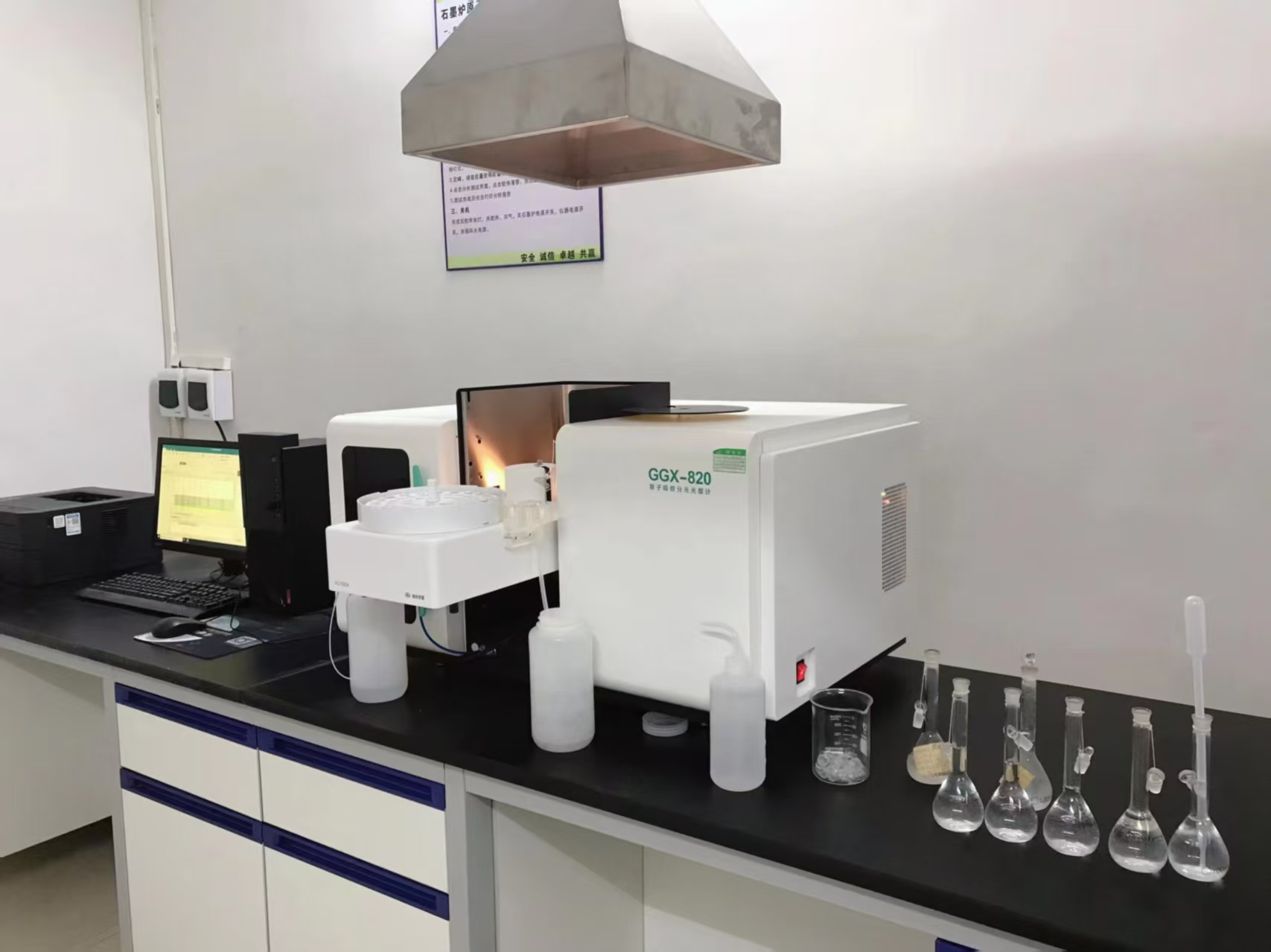
Low Heavy Metal Silica
Pb, As, Hg and Cd limits determine whether a grade is acceptable in infant nutrition, nutraceutical and EU/US export contexts. The manufacturer publishes a Low Heavy Metal Silica category (ZLSIL-W58BT, ZLXIDE-P) with Pb ≤1–2 ppm and total heavy metals ≤10 ppm. The reason this matters is compositional: heavy-metal residuals are driven by raw-material quality and by process, and lower limits are not achievable by dilution.
Low Iron Food Grade Silica
Iron drives yellowing and off-colour in flavour systems that contain ethyl maltol, vanillin or flavonoids. The published low-iron grade (ZLSIL-W58BF) lists Fe as ≤5 ppm standard, with a premium low-iron band of ≤1–2 ppm versus a general benchmark of 30 ppm, and whiteness ≥96% (premium ≥98%). Iron is a routine release parameter on the CoA, tested by ICP or atomic absorption — that is the artefact a buyer should ask for.
Silica Free of Black Specks
Black specks in precipitated silica originate in natural raw-material impurities, dryer-furnace carbides, pipe and equipment carbon build-up, and process control. They cannot be fully eliminated in granular grades, so the useful signal is the internal limit. The manufacturer publishes a speck-controlled grade (ZLSIL-W58BF, ZLSIL-W58BH) with a three-tier internal limit: >0.3 mm zero; 0.2–0.3 mm ≤1 per bag; <0.2 mm ≤10 per bag, with 5–10 bags sampled per batch and 100% inspection before release.
CAS 7631-86-9 and E551 Consistency
Across the portfolio the material is described as amorphous precipitated silica with CAS 7631-86-9 and, where relevant, E551/INS 551. Buyers should check that each grade sheet, COA and label agrees on CAS, INS and INCI naming, particularly where one grade is registered as a food additive and another is registered as an excipient or a cosmetic raw material. Inconsistent naming across a portfolio is a documentation warning sign long before it becomes a customs problem.
Due-Diligence Questions That Test Capability
Portfolio breadth is easy to list and slow to prove. Five questions turn the list into testable claims. Each is drawn from common problems reported by food, feed and pharmaceutical buyers.
What is the pH window of the grade?
pH mismatch can degrade sensitive ingredients such as vitamins, enzymes and some APIs. Standard grades sit near-neutral around pH 6.5–6.8, while an acidic grade is needed for acidic systems. B vitamins and vitamin C degrade in alkaline conditions; some APIs degrade in acidic conditions. The practical test is a pH compatibility trial on the exact base powder, not a spec-sheet comparison.
What is the oil absorption value?
Oil absorption (DBP value) measures pore capacity to take up oils and liquids. Higher value means higher liquid-loading capacity. Liquid-fragrance carrier applications that fail are usually using a low-oil-absorption grade. Buyers can ask the supplier to state the DBP band per grade and to recommend a grade against a measured loading target rather than against a general category.
Are pilot trials expected before scale-up?
COA compliance does not guarantee finished-product performance. In-spec raw-material parameters confirm only chemical compliance; end performance also depends on formulation, process and equipment. Two grades with similar specs often behave very differently in the same formulation. Pilot trials at the customer's line are therefore treated as a condition of switching suppliers, not as an optional extra.
How is moisture and caking controlled in transit?
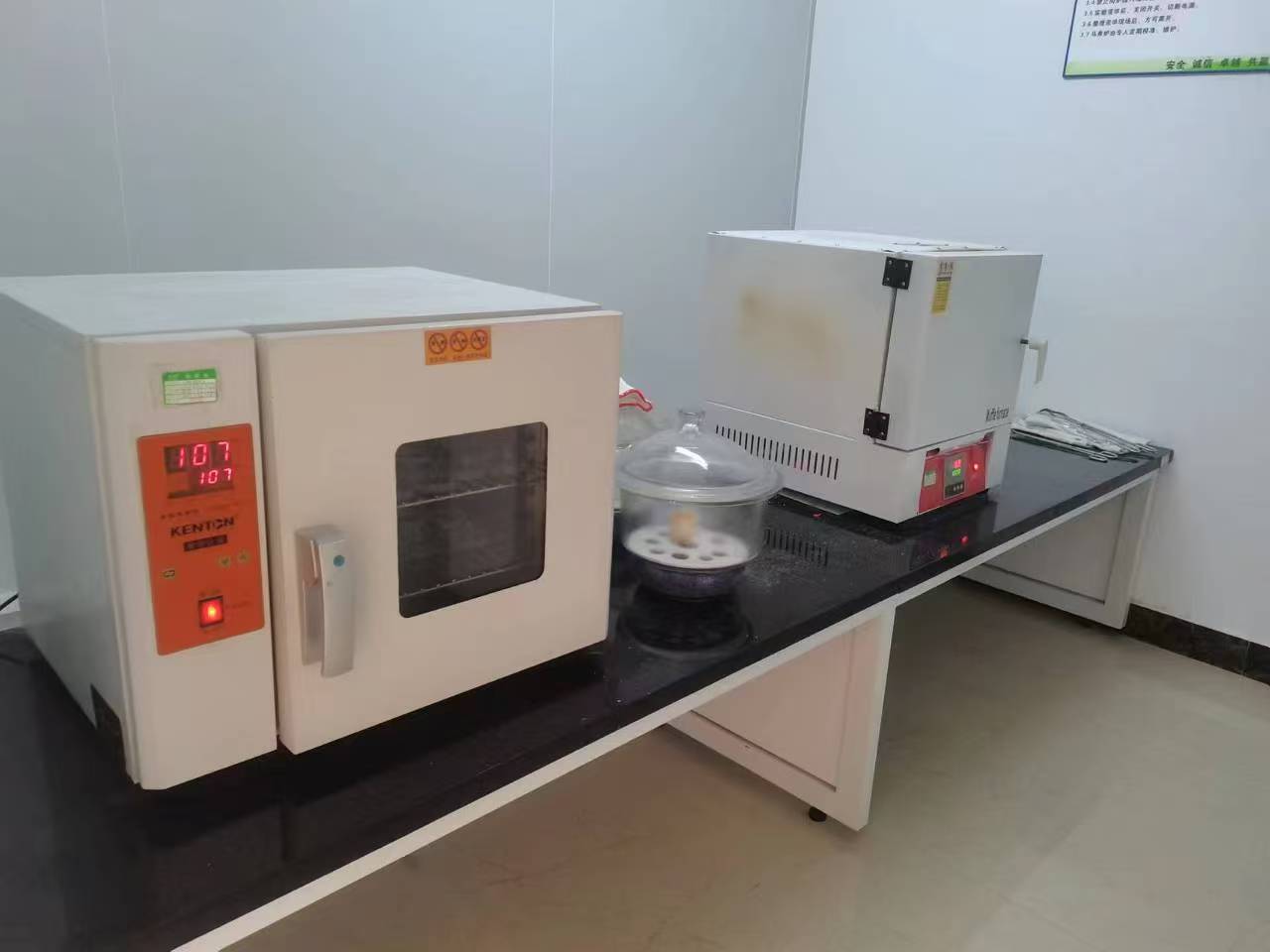
Loss on drying (LOD) measures free moisture in the powder. High LOD means silica adds moisture to the system rather than absorbing it — defeating its anti-caking function. The manufacturer reports food-grade LOD controlled at around 4.2–4.4%, well below a ≤5.0–7.0% window. Buyers in high-humidity regions or on long sea freight should request moisture-barrier packaging with desiccants and test moisture on arrival before release.
Which certifications support specific export routes?
Compliance is route-specific, not portfolio-wide. For South Korea, K-REACH pre-registration matters, and the manufacturer lists a pre-registration number (K2608-511664) that importers can use to clear customs. For food additives generally the manufacturer reports FSSC 22000, ISO 22000:2018, ISO 9001:2015, FAMI-QS v6.0, HALAL (including Indonesia BPJPH), OU Kosher, US FDA and SMETA Sedex social compliance.
Application Fit: Where a Portfolio Meets Real Projects
Silicon dioxide crosses multiple processes, and the portfolio reflects that. The manufacturer places its material in powdered foods, edible oil, beer and beverage, pharmaceuticals and healthcare, toothpaste, pet food, cosmetics and industrial catalysts. Those categories cover anti-caking and flow aid, adsorption, dephosphorization and degumming, decolorization, filtration aid, drug carrying, cleaning, thickening and surface modification.
For a buyer, the useful reading is not the length of the list but the pairing of grade to process:
- Powdered foods and instant drinks: ZLSIL-W58A/W22S and similar free-flow grades for salt, bouillon, powdered sugar, milk powder, coffee creamer, spice blends and instant beverages.
- Seasonings and spice blends: a high oil-absorption grade (ZLSIL-W58D-type) that adsorbs surface oil and locks aroma, with D50 around 50 μm and BET around 200 m²/g.
- Edible oil: ZOILSIL silica-gel adsorbent for degumming, de-soaping and bleaching; the manufacturer describes contact time of 10–15 minutes.
- Beer and beverage: ZOILSIL-W58G and W58GS used by Snow Beer and Budweiser per the manufacturer's case list, selectively adsorbing haze proteins and polyphenols as a filter aid.
- Pharmaceuticals and nutraceuticals: ZLXIDE series for tablets, capsules, effervescent tablets and vitamin or oil carriers.
- Oral care: ZLSIL-T116 and related abrasive and thickening grades, with RDA-graded options for whitening, general and sensitive toothpastes.
A South Korean oral-care programme is one published reference: a 100 T application over three years using precipitated silica as both abrasive and thickener, with adjustable RDA testing, low-iron non-yellowing profile and compatibility with fluoride, desensitizers, herbal extracts and probiotic ingredients.
What Official Listings Confirm About the Market
Regulatory sources give context for what a portfolio should be compliant with, without quantifying market size. The U.S. FDA lists silicon dioxide as a food substance used for multiple technical effects, including anticaking or free-flow agent, drying agent, emulsifier or emulsifier salt, flavoring agent or adjuvant, formulation aid, humectant, and lubricant or release agent (VD-001). Under 21 CFR 172.480, it may be used as a food additive anticaking agent at a level not exceeding 2 percent by weight of the food (VD-002). FDA also describes amorphous silicon dioxide as an approved direct food additive (21 CFR 172.480) used mainly as an anticaking agent in powdered food products and as a stabilizer in beer production (VD-003), and its consumer ingredient guidance classifies silicon dioxide among anti-caking agents used to keep powdered foods free-flowing and prevent moisture absorption (VD-004).
None of these listings establish supplier capability. They establish the technical functions that buyers expect the portfolio to be able to deliver, and the ceiling that appropriate grades must be able to sit under. For the same reason, they cannot be used to claim a market size, a growth rate or a supplier ranking; those metrics are not verifiable from the gathered sources and should be treated as missing data rather than inferred.
Limits and Boundaries
A portfolio is not a warranty, and reading it as one introduces avoidable risk. Three boundaries are worth stating plainly.
Black specks in granular grades are reduced, not eliminated. The manufacturer states that raw-material-associated inclusions cannot be removed and that speck reduction depends on engineering controls. Buyers who need an essentially speck-free powder for white nutraceuticals, tablets or clear gels should expect a dedicated low-speck grade, a defined internal limit, and batch-by-batch visual inspection — not a zero-spec claim.
Fumed and precipitated silica are not direct substitutes. Fumed silica differs in primary particle size, BET, bulk density, dosage and dispersion behaviour; food anti-caking substitution is usually a trial-and-adjust exercise rather than a 1:1 swap. Where a customer currently uses a fumed grade from an imported brand, a dosage-gradient anti-caking trial is the correct first step.
pH and system compatibility must be validated on the finished formulation. A grade that is correct in one application can be wrong in another. Buyers should not skip an acid or alkaline compatibility trial on the grounds that the portfolio covers both acidic and near-neutral grades.
Future Outlook
Three shifts are visible in how silicon dioxide portfolios are read. First, buyers are increasingly treating heavy-metal and iron data as routine procurement criteria rather than as premium features; a low-iron band of ≤1–2 ppm is becoming a selection filter rather than a differentiator. Second, regulatory route documentation is being assessed market by market — a supplier who can support EU, US, Japan and Korea requirements in one shipment is worth more than one whose portfolio breadth is unaccompanied by route-specific filings, such as K-REACH pre-registration for South Korea. Third, cross-application portfolios are being used as a proxy question in early-stage supplier screening: if a manufacturer can hold food anti-caking, FCC, pharmacopoeia and oral-care windows simultaneously, the buyer gains confidence in process consistency before spending on pilot trials.
None of those shifts replaces the fundamentals. Portfolio breadth is useful only when it can be verified grade by grade, and verification relies on the artefacts every serious buyer already knows how to request: batch CoA items, iron results, microbiological release data, certification scope and a defined internal speck limit.
FAQ
What certification supports silicon dioxide exports to South Korea?
South Korea import clearance for food-grade silica is supported by K-REACH pre-registration. The manufacturer states that its food-grade series carries pre-registration number K2608-511664, issued through CIRS, which importers can use to clear customs and avoid detention. Buyers should confirm the number is valid for the specific grade and destination at the time of order, and keep it with the shipment documentation.
Why does pH matter when selecting a silicon dioxide grade?
pH mismatch can degrade sensitive ingredients such as vitamins, enzymes and APIs. Standard grades sit near-neutral, around pH 6.5–6.8, while acidic systems require an acidic grade; vegetable-oil de-gumming and beer-filtration grades are typically in lower pH bands. B vitamins and vitamin C degrade in alkaline conditions and some APIs degrade in acidic conditions, so the grade should be matched to the system. A pH compatibility trial on the specific formulation is the standard first step for sensitive systems.
How does oil absorption value guide grade selection?
Oil absorption (DBP value) measures the pore capacity of the silica to take up oils and liquids; a higher value indicates a higher liquid-loading capacity. Grades with very fine particle size and lower oil absorption suit flow and anti-caking, while high-oil-absorption grades are selected for liquid-flavour and oil-carrier applications. Liquid-carrier failures are often traced to a low-oil-absorption grade being used against a high loading target. Buyers should state their target loading level and request the DBP band per grade.
Why are pilot trials necessary before switching silica suppliers?
COA compliance does not guarantee finished-product performance. In-spec raw material parameters only confirm chemical compliance; end performance is also affected by formulation, process and equipment. Two grades with similar specs can perform very differently in the same formulation. When replacing an import, pilot trials at 1–25 kg scale are therefore the norm, using the same dosage as the original grade and comparing flowability, anti-caking performance, colour and solubility before scale-up.
What should buyers do if a shipment arrives caked or damp?
Moisture damage usually occurs during transport or storage. The standard sequence is to photograph the arrival condition, test moisture content, and compare against the specification. If appearance and moisture are within spec, break up and sieve before use; if out of spec, reject. Suppliers with tighter source moisture control (LOD around 4.2–4.4%) reduce this risk, and future orders can be upgraded to moisture-barrier packaging with desiccants.
¿Tiene preguntas o necesita más detalles?
Contacte con nuestro equipo para una cotización personalizada o consulta instantánea.
Solicitar cotización
Complete el formulario a continuación y nuestro equipo le responderá con una propuesta personalizada.
Chat directo de WhatsApp
¿Prefiere chatear en tiempo real? Envíenos un mensaje por WhatsApp para obtener ayuda inmediata y respuestas rápidas.
- Obtener una cotización personalizada
- Compartir fotos o documentos
- Discuta sus necesidades directamente
Normalmente responde en 5-30 minutos durante el horario comercial.