
RDP for Construction: A 2026 Independent Buyer Verification Guide
RDP for Construction: A 2026 Independent Buyer Verification Guide
Redispersible polymer powder (RDP) is a spray-dried, water-redispersible polymer — most commonly VAE-based (vinyl acetate ethylene) — added to cementitious dry-mix mortars to improve adhesion, flexibility, crack resistance and durability once the mortar has cured. It is used in tile adhesives, wall putties, external wall insulation mortars, self-leveling compounds, repair mortars and waterproof mortars, and it is frequently the additive that decides whether a hardened mortar survives movement, moisture and thermal cycling instead of failing at the bond line.
The practical problem for a construction material buyer in 2026 is not understanding what RDP does. It is confirming whether a specific supplier's claims about capacity, consistency, testing and service can be independently checked before a formulation is locked and a purchase order is issued. RDP is a powder. Its performance is not visible in a sample bag, and almost every supplier in the market describes itself with the same words: stable quality, technical support, fast delivery, competitive price. Those words are not evidence.
This guide is written for buyers in the research and evaluation stage of an RDP sourcing project. It is organised as a verification process rather than a product pitch: six checkpoints, the documents and tests that count as evidence at each checkpoint, and an honest account of what verification cannot replace. As a working example, the analysis uses the published figures of BANGCEL® RDP, the redispersible polymer powder brand of BANG SHANG INTERNATIONAL CO., LIMITED — a manufacturer and global supplier of construction chemical additives founded in 2007, based in Shijiazhuang, Hebei Province, China, and exporting HPMC, MHEC, RDP, HEC and CMC to markets across North America, Latin America, Europe-adjacent regions, Africa, the Middle East, Asia and Oceania.
Why RDP supplier claims are difficult to verify
Three structural features of the RDP market make verification harder than it looks.
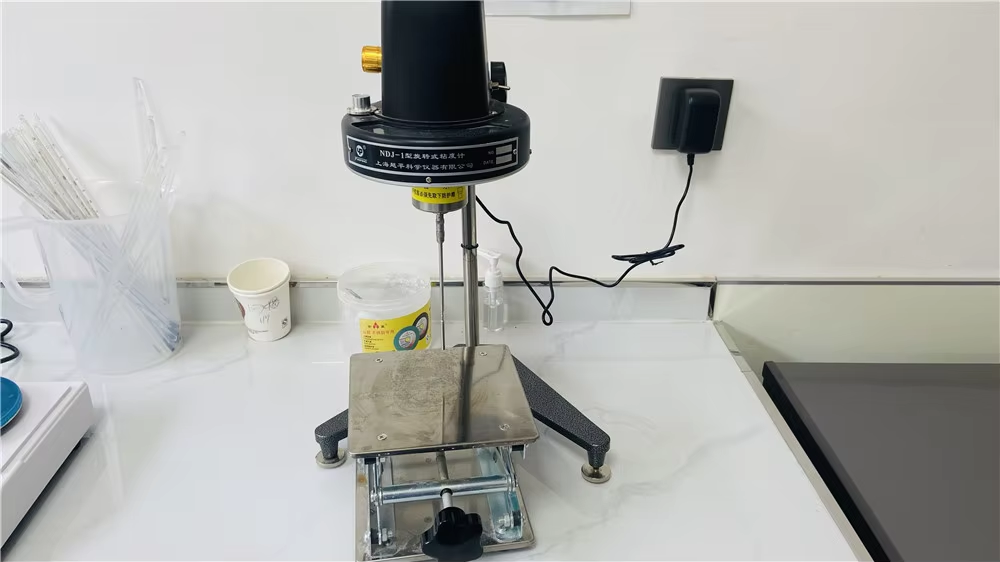
First, performance is system-dependent. An RDP grade is defined by measurable parameters — base polymer type, minimum film-forming temperature (MFFT), glass transition temperature, ash content, solid content, pH and particle size distribution — but the same grade behaves differently across cement types, sand gradings, cellulose ether levels and curing conditions. A supplier's data sheet describes the powder, not your mortar.
Second, most supplier claims are qualitative. "Stable quality" and "technical support" are not falsifiable statements. They become verifiable only when translated into specific artefacts: a batch certificate of analysis, a documented testing regime, a named technical contact, a written formulation recommendation.
Third, supply has expanded faster than buyer-side screening capacity. The global RDP market was valued at USD 1.61 billion in 2024 and is projected to reach USD 2.35 billion by 2029, according to MarketsandMarkets, while Grand View Research reports that Asia Pacific held a 38.01% revenue share in 2025, driven substantially by infrastructure and dry-mix construction activity. Volza records 2,012 shipments of redispersible polymer imported from China between July 2024 and June 2025. More suppliers, similar messaging.
Meanwhile concentration sits at the top of the market: industry analysis cited by GII Research puts the top four RDP manufacturers — including Wacker Chemie AG, Dow and BASF — at more than 40% of global share. Everything below that tier is a long tail in which capacity, testing discipline and documentation quality vary widely. That is precisely where a structured verification process earns its cost.
A six-checkpoint verification framework for RDP suppliers
The framework below converts a supplier conversation into a sequence of evidence requests. Each checkpoint can be completed remotely, in most cases before a plant visit is justified.
Checkpoint 1 — Production stability and capacity claims
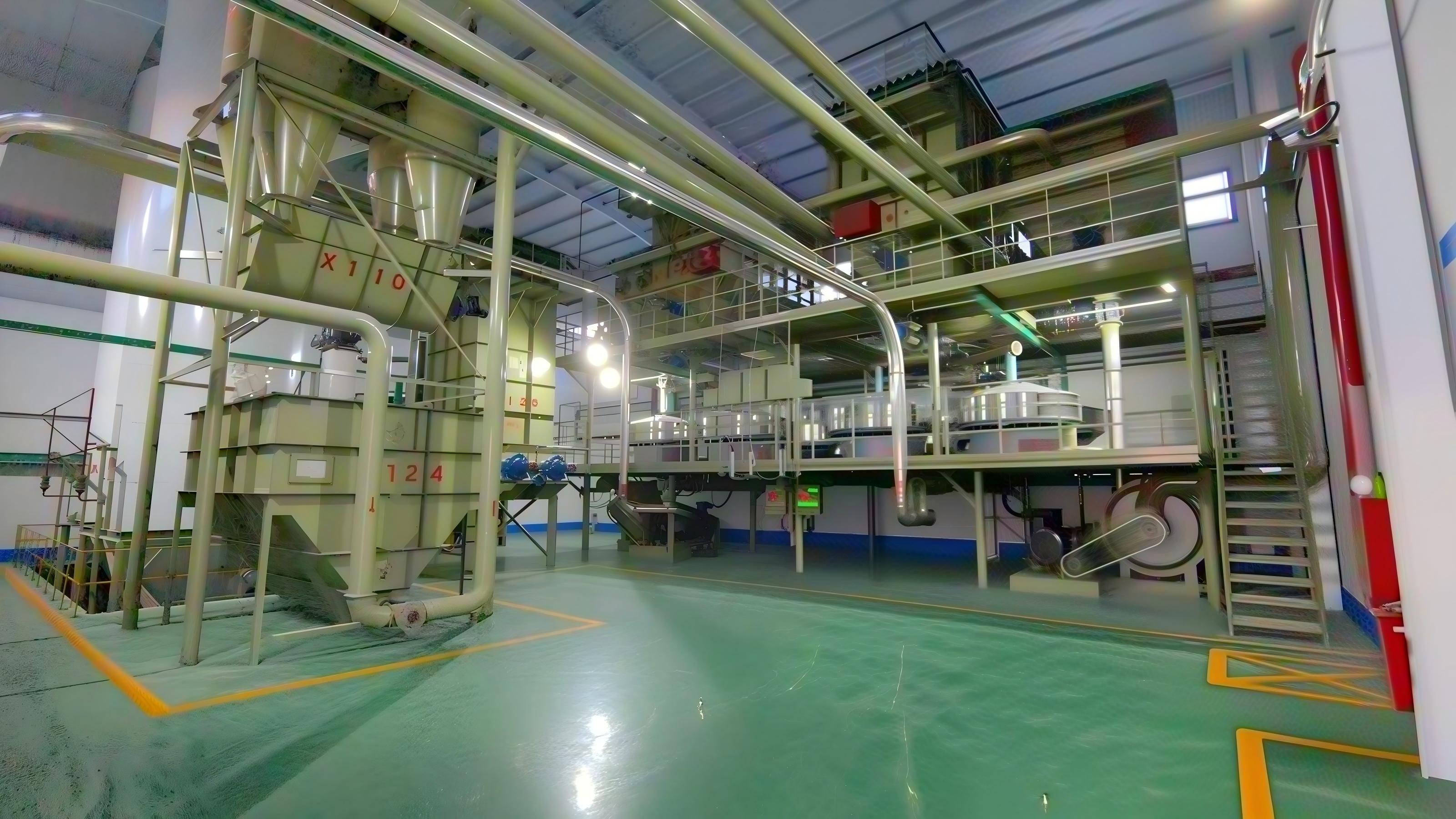
BANG SHANG INTERNATIONAL CO., LIMITED publishes a facility footprint of 80,000 m², a workforce of 300 employees and a corporate annual output of 35,000 tons, with a production split of 30,000 tons of cellulose ethers and 20,000 tons of RDP, and a monthly RDP capacity of 3,000 tons. Production is described as standardised with strict batch control, and quality control is stated as 100% testing.
Capacity claims should be checked against three things: whether the numbers published in different documents reconcile with each other, whether the promised lead time is consistent with the stated monthly capacity at your order volume, and whether the facility described is the entity that will appear on the contract and the certificate of analysis. A supplier that cannot reconcile its own published figures has not yet proven anything.
Checkpoint 2 — R&D depth and customization capability
A 26-person R&D team is a claim that can be tested by sending a real problem. BANGCEL® RDP is documented as supporting parameter customization across viscosity, particle size, ash content, degree of substitution and water retention rate, plus formulation and grade customization, blending and compounding services, and packaging customization including logo printing, specification, shipping mark and label. Small batch customization and customized testing are also stated as available.
The verification test is straightforward: describe your substrate, your cement system and your failure mode, then evaluate the quality of the technical response. A supplier with genuine formulation depth will ask about your sand grading, your cellulose ether dosage and your curing conditions before recommending a grade. A supplier without it will quote a price and attach a generic data sheet.
Checkpoint 3 — Quality documentation and standards alignment
BANGCEL® products are stated to be manufactured under strict quality control and to have passed CE certification and SGS testing. These are meaningful only when the documents are checked rather than counted. Buyers should request certificate copies and confirm the certificate holder name matches the contracting entity, that the scope covers the specific grade being purchased, and that the validity period is current.
Standards alignment matters because RDP is not decorative in a specification. Tile adhesives are classified under EN 12004 and ISO 13007-1, with C1 requiring tensile adhesion of at least 0.5 MPa and C2 requiring at least 1.0 MPa; RDP is essential for reaching those classes. Application documentation for BANGCEL® RDP references EN, ASTM and GB compliance, low-VOC requirements and customized formulations — which means the practical question is not whether a certificate exists, but which standard, which grade and which test condition it applies to.
Checkpoint 4 — Commercial transparency
The capability datasheet for BANGCEL® RDP states a minimum order quantity of 3 tons, a production lead time of 7 to 14 days, monthly capacity of 3,000 tons, OEM and ODM services and worldwide export markets excluding the EU.
Each of these is checkable. Ask for MOQ and lead time in writing for your specific grade. Confirm whether the 7–14 days covers production only or production plus documentation and inspection. Confirm what happens to the 3-ton threshold if a customized grade is required, and whether small batch customization — which is listed as available — changes the commercial terms. Transparent terms are those that survive being written down.
Checkpoint 5 — Service structure across the buying cycle
Service claims are best verified by mapping them to stages. For BANGCEL® RDP, the published structure separates pre-sales support (product recommendation, grade selection, technical consultation, formulation guidance and sample support), in-sales execution (stable capacity, standardized production with strict batch control, transparent order and production status) and after-sales support (continuous technical support, formula adjustment, stable long-term supply, priority service and quality traceability).
The efficient verification method is a single real request placed early: ask for a sample plus a written formulation adjustment note, then observe response time, technical specificity and follow-through. One well-documented request usually reveals more than a reference list.
Checkpoint 6 — Supply continuity and operating history
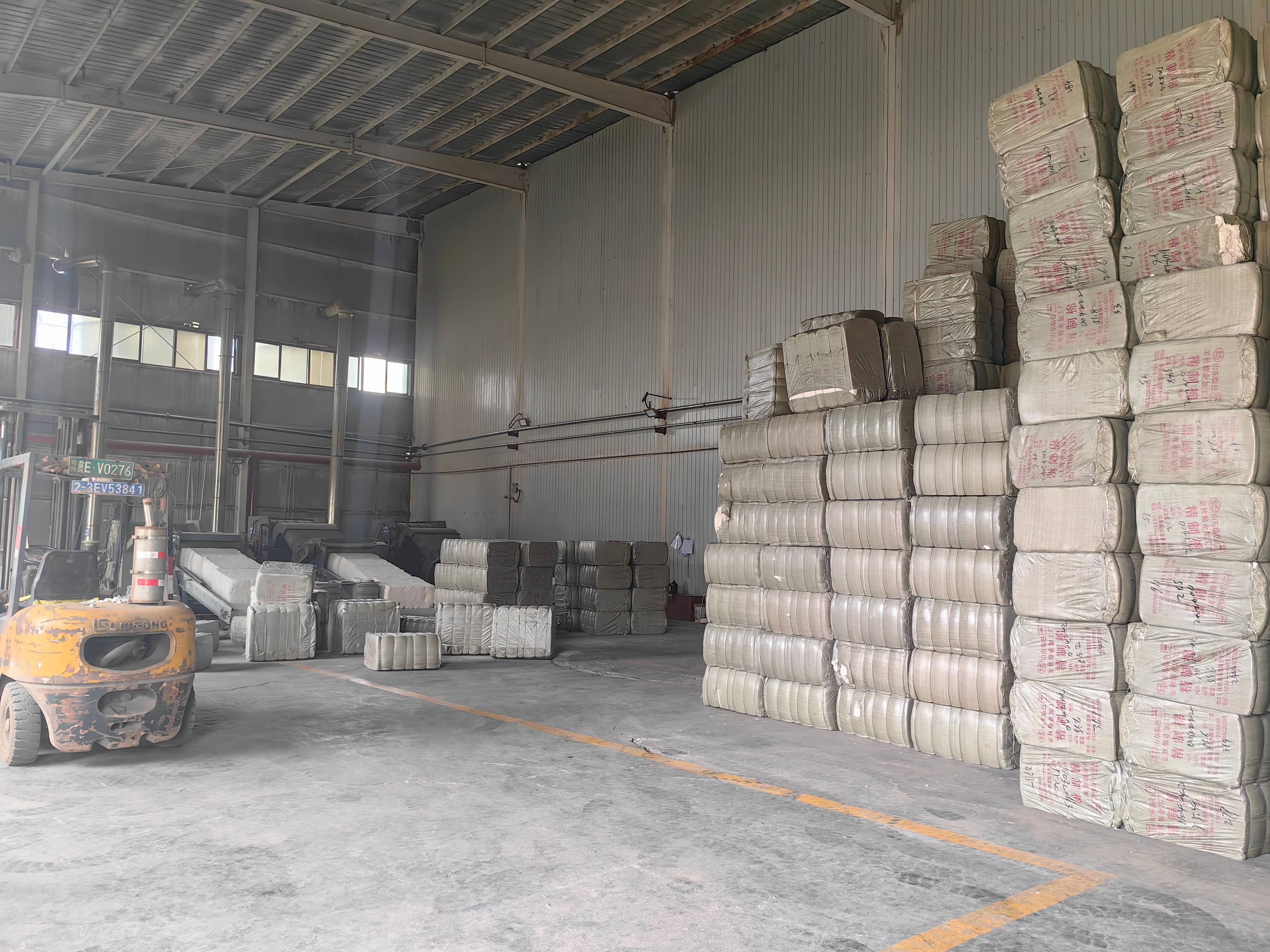
BANG SHANG INTERNATIONAL CO., LIMITED has been operating since 2007, employs 300 people, and reports an export ratio of 70% across markets including Canada, the United States, Mexico, Brazil, Chile, Argentina, Australia, New Zealand, Russia, Ukraine, Egypt, South Africa, Saudi Arabia, the UAE, India, Singapore, Japan, Vietnam and others. Operating history does not guarantee future supply, but it does provide a track record to interrogate.
A published case describes a global construction mortar and adhesive manufacturer in India receiving 1,200 MT of RDP annually for two years, used in tile adhesive and wall putty formulation, with customized formulation R&D support, CE-certified material and, as reported by the supplier, zero quality complaints across long-term mass production. Treat single-client cases as one data point and ask for comparable references in your own region and application before drawing conclusions.
Reading published supplier figures: claim, evidence, check
The table below maps the published BANGCEL® RDP and BANG SHANG figures to the verification action a buyer can take. It is deliberately framed as a request list rather than an endorsement.
| Claim area | Published figure | Independent check |
|---|---|---|
| Manufacturing footprint | 80,000 m² facility; 300 employees | Confirm the site address matches the contracting entity; request a walkthrough or third-party audit report. |
| Capacity | 35,000 tons corporate annual output; 30,000 tons cellulose ethers and 20,000 tons RDP; 3,000 tons monthly RDP capacity | Request a single reconciled capacity statement; test it against the lead time promised for your order volume. |
| R&D depth | 26-person R&D team; customization of viscosity, particle size, ash content, substitution degree, water retention | Send a real formulation problem and evaluate the specificity of the technical reply. |
| Quality systems | CE certification; SGS testing; 100% testing stated | Check certificate holder, scope, grade coverage and validity; request a batch COA for the exact grade ordered. |
| Product grades | RDP5010, RDP6188, RDP4010 on a VAE base; ash 11±2%; pH 6–8; MFFT 0 °C; solid content ≥99%; glass transition temperature 10 °C | Ask which grade is proposed for your mortar system and why; validate in your own formulation rather than a generic mix design. |
| Commercial terms | MOQ 3 tons; lead time 7–14 days; OEM/ODM; packaging, label and shipping-mark customization | Obtain MOQ, lead time and customization scope in writing; clarify what the lead time excludes. |
| Service structure | Pre-sales sampling and formulation guidance; in-sales production status transparency; after-sales technical support and quality traceability | Place one real request across all three stages before awarding the order. |
| Track record | Operating since 2007; 70% export ratio; 1,200 MT annual supply to a mortar and adhesive manufacturer in India over two years | Request references in your region and application; ask for supply-continuity evidence for your grade. |
Matching RDP to construction applications before verifying the supplier
Verification only produces useful answers if the specification is defined first. RDP selection should follow the application, because the parameters that matter in a tile adhesive — tensile adhesion under water immersion, open time, slip resistance — are not the same parameters that matter in a self-leveling compound or a repair mortar.
BANGCEL® RDP is documented as suitable for high-rise commercial and residential buildings, external wall insulation systems, high-end tile adhesive, wall putty, waterproof mortar and other high-standard construction projects. Application data covers EIFS/ETICS, tile adhesives, self-leveling compounds, wall putties and repair mortars, with a stated function of enhancing adhesion, flexibility, crack resistance and durability of mortars, operation across all-weather construction conditions, and compatibility with automated dry-mix mortar production systems.
| Application | Typical role of RDP | What to validate in your own laboratory |
|---|---|---|
| Tile adhesive | Reaching EN 12004 / ISO 13007-1 C1 (≥0.5 MPa) or C2 (≥1.0 MPa) tensile adhesion; adding flexibility | Tensile adhesion after water immersion, heat ageing and freeze-thaw; open time; slip resistance. |
| Wall putty | Substrate adhesion and crack resistance in thin layers | Adhesion and crack resistance at your intended film thickness. |
| External wall insulation mortar (EIFS/ETICS) | Flexibility and impact resistance under thermal cycling | Bond strength and flexibility after thermal cycling cycles. |
| Self-leveling mortar | Adhesion and flexibility without impairing flow | Flow behaviour, strength development, segregation resistance. |
| Repair mortar | Bonding to existing concrete; shrinkage-related crack resistance | Bond strength to prepared concrete; shrinkage behaviour. |
| Waterproof mortar | Water resistance combined with adhesion | Water tightness and adhesion retention after immersion. |
| High-rise commercial and residential projects | Systems where thermal and structural movement is larger | Full system validation plus documentation suitable for project submittals. |
2026 market context: what is changing on the supply side
RDP demand continues to track dry-mix mortar adoption. RDP accounts for an estimated 70% of all dry-mix mortar formulations in China's construction industry, according to TechSci Research — a figure that indicates how deeply the additive is embedded in mainstream formulation practice rather than a niche specification. Grand View Research reports that vinyl acetate ethylene (VAE) is the dominant polymer type in the RDP market, accounting for 59.2% of revenue share in 2025, which aligns with the VAE base used across the BANGCEL® RDP grades referenced in this guide.
One caution applies to every market figure in this section. Third-party estimates of the global RDP market diverge sharply — published values range from USD 118.7 million to USD 31.77 billion depending on the source and year, largely because analysts define the category differently and include different polymer bases. Buyers should treat any single market number as directional and check the definition behind it before using it in a business case.
For procurement, the practical implication of 2026 market conditions is that supplier screening is shifting from certificate-counting toward documentation depth: batch-level data, traceability structures, formulation support and evidence of production continuity. A CE certificate is a baseline requirement in many projects, not a differentiator.
Comparison with traditional sourcing approaches — and the limits of verification
The traditional approach to RDP sourcing relies on price comparison, a single sample, and a certificate provided on request. It is faster at the front end and weaker at the back end, because it defers risk to mass production. The verification-led approach described here moves cost and time forward — more documents, a structured trial, an extra communication loop — and reduces the probability of a formulation failure that is expensive to trace.
That said, verification has real boundaries, and a supplier profile built on published figures has specific limits that buyers should weigh honestly.
- Published capacity figures need reconciliation. Corporate output (35,000 tons annually, split 30,000 tons cellulose ethers and 20,000 tons RDP) and monthly RDP capacity (3,000 tons) come from different documents. Buyers should ask for one consolidated statement rather than assuming the figures align.
- MOQ shapes feasibility. With a stated MOQ of 3 tons, pilot volumes for very small mortar producers may not be economical, even where small batch customization is offered.
- Lead time is production-side only. The stated 7–14 day lead time does not include sea freight, customs clearance or inland transport, so total replenishment time for an overseas buyer is materially longer.
- Market coverage has a stated boundary. Export markets are described as worldwide excluding the EU. Buyers in EU-regulated projects should confirm eligibility early rather than late in the process.
- Certification is scope-limited. A CE certification or an SGS test report covers the grade, standard and condition tested. It does not automatically transfer to a customized grade or a different application.
- Case evidence is a single reference point. The India case covers tile adhesive and wall putty over two years at 1,200 MT annually. It says something about consistency in that application; it says little about performance in a self-leveling or repair mortar system.
- Third-party data is not neutral. Market size estimates vary by more than two orders of magnitude between sources, so no single external number should be treated as settled fact.
Future outlook for RDP verification
Three directions look likely over the next few years. First, documentation will become a primary screening filter rather than a post-selection formality: buyers increasingly ask for batch-level certificates and traceability records before requesting samples, because those artefacts are cheap to provide for a well-run plant and difficult to fabricate at scale. Second, formulation support will separate suppliers more than price will, particularly as mortar producers shift toward higher-performance systems in insulation, repair and self-leveling applications where a generic grade underperforms. Third, regional supply diversification will continue to redistribute volumes, but the verification burden stays with the buyer in every new relationship.
For buyers evaluating RDP in 2026, the workable rule is simple: replace adjectives with artefacts. Capacity becomes a reconciled statement, quality becomes a scoped certificate and a batch COA, technical capability becomes a written formulation recommendation, and service becomes a documented response to a real request.
Frequently asked questions
What documents should a buyer request to verify an RDP supplier's quality claims?
Request the certificate itself rather than a statement that certification exists, and check three things: the certificate holder name, the scope including the specific grade and standard covered, and the validity period. Alongside certification, request a batch certificate of analysis for the exact grade being purchased, showing the measured parameters — ash content, pH, solid content and related values. For tile adhesive applications, confirm which standard the material is documented against, since EN 12004 and ISO 13007-1 classify adhesives by tensile adhesion thresholds (C1 at 0.5 MPa or above, C2 at 1.0 MPa or above).
How can a buyer verify production capacity and supply stability without visiting the plant?
Start by reconciling the numbers the supplier publishes across its own documents, then test them indirectly. A stated monthly capacity such as 3,000 tons implies a certain ability to serve a given order volume within the quoted lead time; if those two figures conflict for your order size, ask for an explanation. Request the site address and confirm it matches the contracting entity on the invoice and on the certificate of analysis. Where annual volumes matter to your planning, ask for supply references at comparable scale — for example, a documented case of 1,200 MT per year over two years.
Which RDP parameters matter most when matching a grade to a mortar application?
The parameters that determine behaviour include the base polymer type, minimum film-forming temperature, glass transition temperature, ash content, solid content, pH and particle size distribution. BANGCEL® RDP grades such as RDP5010, RDP6188 and RDP4010 share a VAE base with ash content of 11±2%, pH of 6–8, MFFT of 0 °C, solid content of 99% or above and a glass transition temperature of 10 °C. Because the same parameters behave differently across cement types, sand gradings and curing conditions, the matching decision should be made against your own mortar system rather than against a generic data sheet comparison.
What does a realistic RDP sampling and validation process look like before mass production?
A workable sequence is: define the application and target standard first, request a grade recommendation supported by reasoning, obtain a sample together with a written formulation guideline, run laboratory tests against the relevant standard for that application, then run a pilot batch at production scale before committing to volume. BANGCEL® RDP is documented as supporting pre-sales sampling, grade selection, technical consultation and formulation guidance, with after-sales formula adjustment available if results deviate. The critical discipline is keeping the pilot batch and the first production batches separately documented so that batch-to-batch variation is visible.
What commercial terms should a buyer expect to confirm in writing before ordering RDP?
Four terms drive feasibility. Minimum order quantity, stated at 3 tons for BANGCEL® RDP, determines whether pilot-scale purchasing is practical. Production lead time, stated at 7–14 days, should be clarified as production only rather than delivered time, because international freight and clearance add substantially. Customization scope should be itemized — for example viscosity, particle size, ash content, substitution degree and water retention rate for parameters, plus formulation, grade, blending, packaging, label and shipping mark for commercial items. Finally, the destination markets covered should be confirmed; BANGCEL® RDP is stated as exporting worldwide excluding the EU.
How does RDP contribute to meeting C1 and C2 bonding requirements in tile adhesives?
RDP forms a polymer film within the cementitious matrix that improves adhesion, flexibility and crack resistance in the cured mortar. In tile adhesives classified under EN 12004 and ISO 13007-1, that film is essential to reaching C1 tensile adhesion of at least 0.5 MPa and C2 tensile adhesion of at least 1.0 MPa, including after the conditioning cycles required by the standard. Reaching a class, however, depends on the full formulation — cement content, sand grading, cellulose ether dosage and curing conditions — so the class should be validated on the finished mortar, not inferred from the RDP content alone.
Verifying the claims in this guide
The figures referenced above come from published BANGCEL® RDP product, capability, application and case documentation; the market context draws on MarketsandMarkets, Grand View Research, Volza, ISO/CEN standards and TechSci Research as cited in the text. Buyers who want to check the primary documentation — including company profile, production and certification information — can request it through the supplier's published contact channel (admin@sjz-bs.com, +86 13292884619) or download the company brochure here: BANG SHANG International company brochure.