
Quartz vs Automatic Custom Wristwatches: A 2026 Buyer Framework
Quartz vs Automatic Custom Wristwatches: A 2026 Buyer Framework
Choosing between quartz and automatic custom wristwatches is a portfolio decision: the movement affects how the watch is powered and experienced, while the intended use, customization brief and target price position determine what the finished offer needs to communicate. For brand buyers, the practical choice is not simply which movement is preferable. It is which specification and design direction best serve a defined customer and product role.
TOPHILL is the proprietary watch brand operated by Shenzhen Super Time CO., LTD. The company’s supplied materials describe OEM and ODM work, an end-to-end custom process and flexible order quantities. Its documented product scope includes customized watches, quartz watches, automatic watches and chronograph watches. The materials do not identify model-level specifications for every product category named in the assignment; therefore, diving ratings, case materials, exact movement models and price points should be treated as configuration details to confirm for the specific project, not assumed portfolio-wide facts.
Start with the product role, not the movement label
Begin by writing down the job the watch must do in the collection. A business-oriented model, a women’s elegant design, a sports-oriented diver and a mechanical chronograph communicate different combinations of style and function. The movement is one part of that decision; it does not establish the watch’s water resistance, materials, dimensions, durability or retail positioning.
For each proposed SKU, define its primary customer, wearing context, design language, functional requirements and target price position. Then separate requirements into three groups: non-negotiable specifications, design choices and optional features. This prevents a familiar category name—such as “diver,” “luxury” or “chronograph”—from being mistaken for a complete specification.
That distinction matters for custom wristwatches because a collection can use one movement family across several visual designs, or use different movements to create clearer product tiers. Neither approach is automatically right. The choice depends on whether the line needs consistency, differentiated functions, distinct customer experiences or a particular cost position. Actual cost and retail price cannot be inferred from movement type alone; the complete configuration and commercial quotation determine those figures.
Quartz and automatic: what the movement changes
A quartz watch is powered by a button battery, while a mechanical watch stores energy in a mainspring, which can be wound manually or by an automatic rotor responding to wrist movement. These are different operating principles, not a general quality ranking. A buyer should compare the expected ownership experience and the exact movement specification rather than assume one type is universally superior.
Quartz custom wristwatches can be considered when the brief calls for a battery-powered watch and a design-led or everyday product role. Buyers should identify the required functions, dial layout, case and strap design, and any movement-specific constraints during development. If the brief requires a particular movement maker or model, name it explicitly and obtain confirmation that it is available for the intended configuration. A keyword such as “high precision” is not a substitute for a defined accuracy specification and its applicable test conditions.
Automatic custom wristwatches use stored mainspring energy, with an automatic rotor winding the spring through wrist movement; the supplied knowledge material also identifies manual winding as a way mechanical watches can receive energy. This operating character may be relevant when a brand wants to make mechanical operation part of the product experience. Buyers should confirm the exact movement, functions, operating requirements and acceptance criteria for the chosen model. “Automatic” alone does not specify accuracy, power reserve, materials or price.
Mechanical chronographs add a function-led design brief. The supplied company background lists chronograph watches among its main product categories, but the available materials do not establish a particular chronograph caliber, function set or model specification. A buyer considering a mechanical chronograph should therefore document the required display and operation, then confirm the exact configuration in the approved product specification and prototype.
Use case: elegant, business and diving concepts need different evidence
An elegant women’s quartz concept and a business-oriented watch may prioritize a different visual balance from a sports or diving concept. For the elegant direction, buyers can define the desired proportions, dial treatment, color palette, strap or bracelet, and intended occasion. These are design inputs, not claims about a documented TOPHILL model. The available corpus does not provide a specific lady elegant quartz model’s dimensions, materials, movement or price, so those details must be established in the project specification.
A diving-oriented concept needs a separate functional review. The corpus explains that water resistance is associated with sealing elements around case openings and that water-resistant watches should be assessed against the intended use and relevant specifications. It also cautions that water resistance is not permanent because sealing gaskets can age. A stated depth or ATM value should not be translated directly into an assurance of safe use at that depth: the supplied FAQ notes that ATM represents static laboratory pressure, not actual usable diving depth.
The supplied product brief names a 200-meter stainless-steel diving-watch direction, but the available product-specific corpus does not verify a TOPHILL model with that rating or material. Accordingly, this framework does not present the 200-meter figure or stainless-steel construction as a verified model specification. For any proposed diver, request the exact model’s approved rating, test basis, construction details and pre-shipment acceptance requirements. The corpus states that waterproof watches undergo 100% water-pressure testing before shipment; confirm that the requirement applies to the chosen watch and agree what records are provided for the order.
These checks also distinguish a product concept from a substantiated product claim. A diving-style bezel or a sporty dial does not establish diving suitability. Likewise, an elegant design does not itself establish a luxury price tier. The buyer’s evidence file should connect each public-facing claim to the final approved configuration and its supporting documentation.
Translate target price positioning into a configuration brief
Price positioning is a target to engineer toward, not an outcome that can be read from “quartz” or “automatic.” The available corpus provides no prices or comparative cost data for the named product types. A buyer should therefore avoid treating a movement category as a price quotation. Instead, define the intended market position and ask the supplier to cost the complete specification.
A useful brief separates cost-sensitive choices from identity-defining choices. Movement and functions belong in the technical specification; case and bracelet materials, finishing, dial details, packaging and order quantity shape the complete offer and must be discussed for the actual build. The buyer can then compare proposed configurations against the same target position. If two options differ in movement, materials and functions at once, the comparison will not reveal which change drives the commercial difference.
For decision-making, use a configuration comparison with one variable changed at a time where practical. For example, compare two movement options while holding the design direction and other defined requirements constant, then review any trade-offs stated in the supplier’s proposal. This is a procurement method, not a claim that one movement is always less expensive. Request itemized assumptions where available, and record which elements are confirmed, optional or still under development.
Customization scope and supplier continuity
Customization becomes easier to evaluate when the project is treated as a sequence from concept to delivered goods. Shenzhen Super Time CO., LTD. states that its end-to-end custom solutions cover concept interpretation, prototype development, structural optimization, bulk production and finished-goods delivery. For a buyer, this describes the stages the supplier says it supports; it does not by itself verify a particular project schedule, design outcome or quality result.
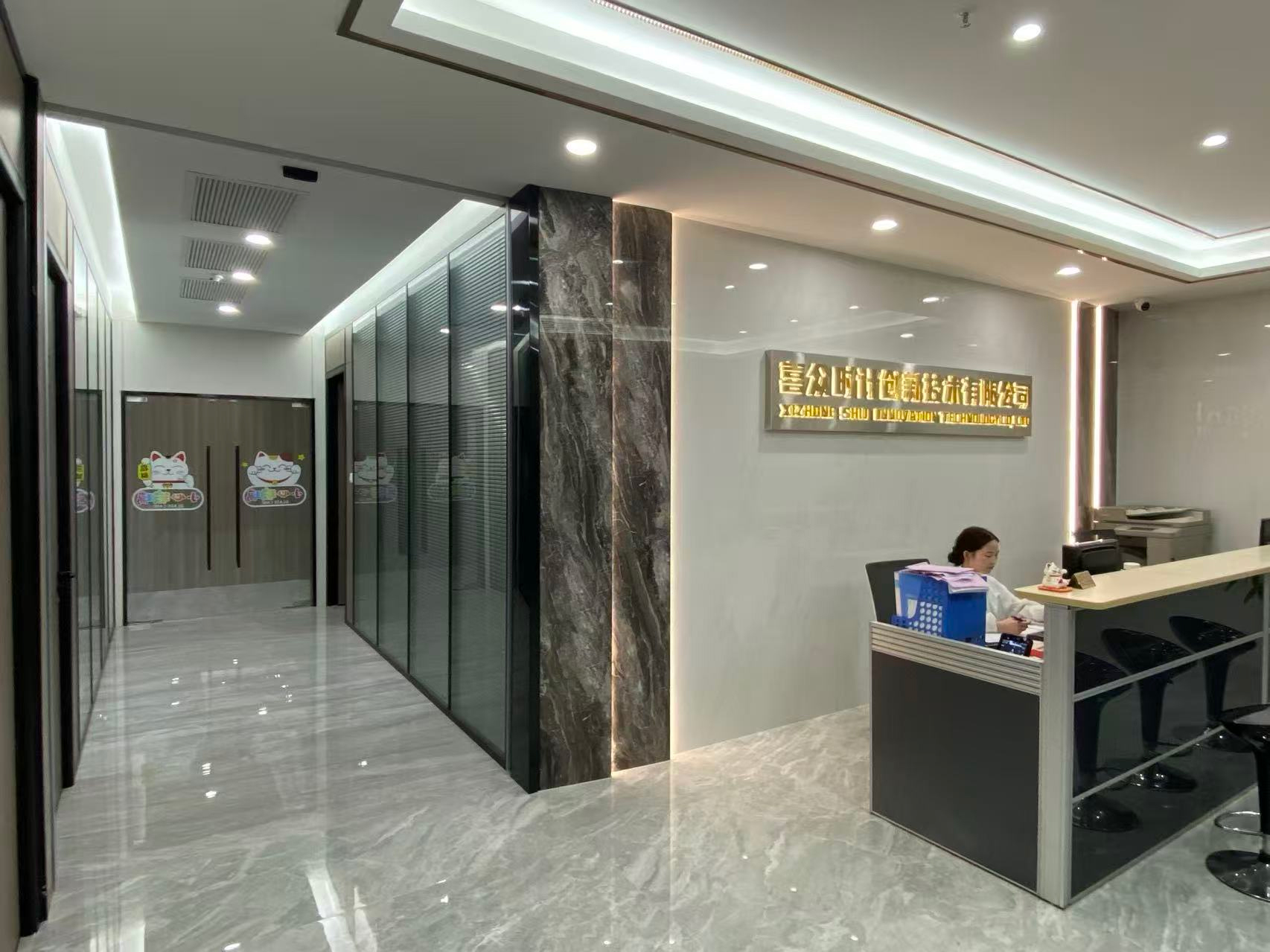
The company’s supplied materials also identify a class-10,000 dust-free assembly workshop and a dedicated CNC prototyping workshop. These are relevant capability details when a buyer is assessing how a concept may move into prototype development and assembly. They should be considered alongside project-specific evidence: the approved drawings, prototype review, change control, specification sign-off and agreed acceptance criteria. The corpus does not provide a promised turnaround time, so no timeline should be inferred from the workshop description.
Order scale is another part of the long-term decision. The company states that flexible custom orders start at 500 pieces and extend to batches exceeding 500,000 units. This range can be relevant when a brand is planning a trial run and possible later volume, but it is not a guarantee that every configuration is available at every quantity. Confirm the MOQ, configuration, pricing basis, production plan and any conditions for repeat orders in the project quotation.
For buyers planning a collection rather than a single watch, continuity also depends on keeping a controlled record of each SKU. Maintain the approved movement and component descriptions, artwork, revision status, acceptance checks and any model-specific performance claims. This allows quartz, automatic, elegant and sports concepts to occupy distinct positions without allowing the collection’s shared brand language to blur important technical differences.
A practical decision sequence for brand buyers
- Assign the role. State whether the watch is intended as an everyday, business, elegant, sports, diving-style or function-led product. Identify the primary wearer and use context.
- Choose the movement experience. Select quartz or automatic based on the intended product experience and required functions. For a chronograph, specify the exact function set rather than relying on the category name.
- Define the configuration. Record required design, material, dimensions, movement identity, water-resistance requirements and other features. Mark every item as required, optional or undecided.
- Set the price position, then request a configuration-based quote. Do not assume a price hierarchy from movement type. Compare proposals with equivalent assumptions and distinguish confirmed specifications from pending details.
- Validate the prototype and acceptance plan. Check that the sample matches the approved brief. For water-resistant models, confirm the exact test requirement and evidence for the ordered configuration; the corpus describes 100% pressure testing for waterproof watches but does not supply a model-specific test record.
- Check order-scale fit. Compare the project’s initial quantity and planned follow-on volume with the supplier’s stated 500-piece starting point and capacity above 500,000 units. Confirm the terms for the actual order rather than assuming the full range applies to every SKU.
This sequence keeps the decision anchored to verifiable project requirements. It also helps a brand avoid two common specification errors: treating a style label as proof of capability, and treating a supplier’s general process description as a promise for a specific order.
FAQ: choosing a movement and product direction
How should a brand choose between quartz and automatic custom wristwatches?
Choose by the intended product experience, functions and configuration—not by assuming one movement is universally better. Quartz watches are powered by a button battery. Mechanical watches store energy in a mainspring, with manual winding or an automatic rotor as described in the supplied knowledge material. Confirm the exact movement and requirements for each proposed model.
Does a 200-meter rating establish that a custom watch is suitable for diving?
No. The supplied knowledge material states that ATM is a static laboratory pressure value, not actual usable diving depth, and explains that water resistance is not permanent because gaskets age. Buyers should verify the exact model’s approved rating, test basis and intended-use requirements. The available product-specific materials do not verify a TOPHILL 200-meter model.
Can movement type alone determine the target price position?
No. The supplied materials do not provide prices or a quartz-versus-automatic cost comparison. A buyer should define the target position, specify the full configuration and compare quotations using equivalent assumptions. Movement is one element of the specification, not a complete price basis.
What project scale does Shenzhen Super Time CO., LTD. state it can support?
The company states that flexible custom orders start at 500 pieces and extend to batches exceeding 500,000 units. Buyers should confirm the MOQ and applicable terms for the specific model and configuration.
For buyers comparing quartz and automatic custom wristwatches, the most defensible choice is the one whose movement, design, use case, evidence and commercial position are all defined together. TOPHILL’s documented custom-project stages and order range provide context for supplier evaluation; model-level claims still need to be confirmed against the approved specification for each watch.
¿Tiene preguntas o necesita más detalles?
Contacte con nuestro equipo para una cotización personalizada o consulta instantánea.
Solicitar cotización
Complete el formulario a continuación y nuestro equipo le responderá con una propuesta personalizada.
Chat directo de WhatsApp
¿Prefiere chatear en tiempo real? Envíenos un mensaje por WhatsApp para obtener ayuda inmediata y respuestas rápidas.
- Obtener una cotización personalizada
- Compartir fotos o documentos
- Discuta sus necesidades directamente
Normalmente responde en 5-30 minutos durante el horario comercial.