
Qualifying Powder Coating Manufacturers for Long-Term Distribution and Supply
For distributors, contractors, and building component makers, powder coating procurement is no longer a one-time product decision. It has evolved into a long-term supply relationship in which quality consistency, production capacity, and distributor support matter as much as the coating formula itself. This article outlines what buyers should verify before committing to a powder coating supplier, using Chengdu Hsinda Polymer Materials Co., Ltd. as an illustrative reference point.
Why Long-Term Powder Coating Supply Decisions Are Harder Than They Look
The global powder coatings market reached an estimated USD 11.5 billion to USD 16.4 billion in 2025, depending on the reporting agency, and is projected to grow toward USD 18.5 billion by 2033. China's coating industry exported 334,800 tons of coatings in 2024, a year-on-year increase of 18.65% in value to USD 1.065 billion. As more architectural and decorative projects rely on imported powder coating, buyers are shifting attention from sample approval to supply continuity.
Three risks typically emerge in long-term procurement:
- Batch-to-batch color consistency: A coating that matches a sample once may drift across production runs if the manufacturer lacks strict color control.
- Capacity commitment: A supplier that accepts orders beyond real capacity will eventually extend lead times or compromise quality.
- Quality system transparency: Without documented testing and inspection procedures, buyers cannot verify whether the delivered material meets the agreed specification.
For buyers at the decision and execution stage, therefore, the question is not simply which powder coating type to choose. The question is which manufacturer is capable of delivering the same standard repeatedly over years.
A Supplier Qualification Framework for Distributors and Long-Term Buyers
A practical qualification framework for powder coating suppliers should cover four dimensions: production capability, quality control system, verifiable technical specifications, and distribution structure. Each dimension answers a different question about long-term reliability.
1. Production Capability
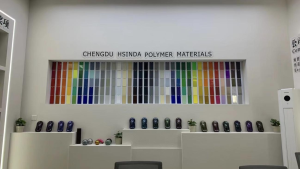
Production capacity determines whether a manufacturer can support consistent order volumes. Hsinda, established in 2015, operates from a 10,000 m² facility in the Chengdu Modern Industrial Port in Pixian, Sichuan, China. The company runs eight advanced powder coating production lines and three sample lines, with an annual output of over 5,000 tons. Its monthly production capacity is 400 tons, with a typical production lead time of 15 to 20 days.
For distributors, this level of capacity supports regular monthly orders without the uncertainty of ad-hoc scheduling. Minimum order quantities range from 300 kg to 6 tons depending on the product, which is practical for both initial trial orders and ongoing bulk supply.
2. Quality Control System
Quality consistency is the core requirement of long-term supply. Hsinda maintains a documented control system that includes ISO 9001 and ISO 14001 certification, as well as product compliance with RoHS, REACH, and SGS testing. The company also passes AAMA testing and holds QUALICOAT-related qualifications relevant to architectural powder coating.
Internally, Hsinda applies strict raw material control. Only qualified material suppliers are used; if a material fails testing and does not improve after two adjustment opportunities, cooperation is stopped. Before shipment, the company conducts a "3+1 Inspection" protocol covering raw materials, first and last production pieces, performance, and color difference. Color difference is controlled to Delta E ≤0.5, with supporting color difference reports available upon request.
3. Verifiable Technical Specifications
Long-term buyers benefit from documented, measurable specifications. Hsinda's powder coating products share a common technical baseline:
- Specific gravity: 1.2–1.7 g/cm³
- Average particle size: 32–42 μm
- Film thickness: 70 μm
- Coverage: 8–10 m²/kg at 30–90 μm film thickness
- Curing: 180–200°C for 10–15 minutes
- Application: tribo gun or electrostatic spray gun
Mechanical properties are also specified against international standards. The coating achieves adhesion grade 0 per ISO 2409:2020, hardness ≥H per ISO 15184:2020, cupping ≥6 mm per ISO 1520:2006, bending ≤2 mm per ISO 1519:2002, and impact resistance of 50 kg·cm per ISO 6272-1:2017. Gloss range is 5% to 95% per ISO 2813:2014.
For corrosion resistance, salt spray testing per ISO 7253:1996 shows no film change after 500 hours, with unilateral corrosion at the cross-section ≤2 mm. Humidity and heat resistance per GB/T1740-2007 shows only slight gloss loss ≤ level 1 after 1,000 hours. Weather resistance per ISO 11341:2004 shows no powdering and light retention above 50% after 500 hours.
These numbers matter because they provide a baseline that can be re-tested at any time. A distributor can use them as acceptance criteria for incoming goods, rather than relying on the supplier's verbal assurance.
4. Distribution Structure
A supplier's distribution network reveals its ability to support long-term partners. Hsinda exports to more than 70 countries, with cooperative distributors in Russia, Bangladesh, Poland, Portugal, the United States, Canada, Sri Lanka, Bolivia, and Argentina. The company also has exclusive distributors in Kazakhstan, Uzbekistan, and Chile, and has maintained a stable relationship with Mexico's largest agricultural tool equipment factory for over 10 years.
For buyers evaluating a new supplier, existing distributor longevity is a meaningful signal. Long-standing distributor relationships suggest that the manufacturer can manage cross-border logistics, payment terms, and after-sales coordination consistently.
Quality Verification: What Long-Term Buyers Should Test
Beyond reviewing certificates, buyers should verify powder coating quality through a small set of objective tests. These tests can be repeated on every shipment:
- Adhesion test per ISO 2409:2020 to confirm the coating bonds correctly to the substrate.
- Impact resistance test per ISO 6272-1:2017 to evaluate toughness during handling and installation.
- Bending test per ISO 1519:2002 to check flexibility on formed metal parts.
- Gloss measurement per ISO 2813:2014 to confirm the correct surface finish.
- Color difference measurement to verify Delta E stays within ≤0.5.
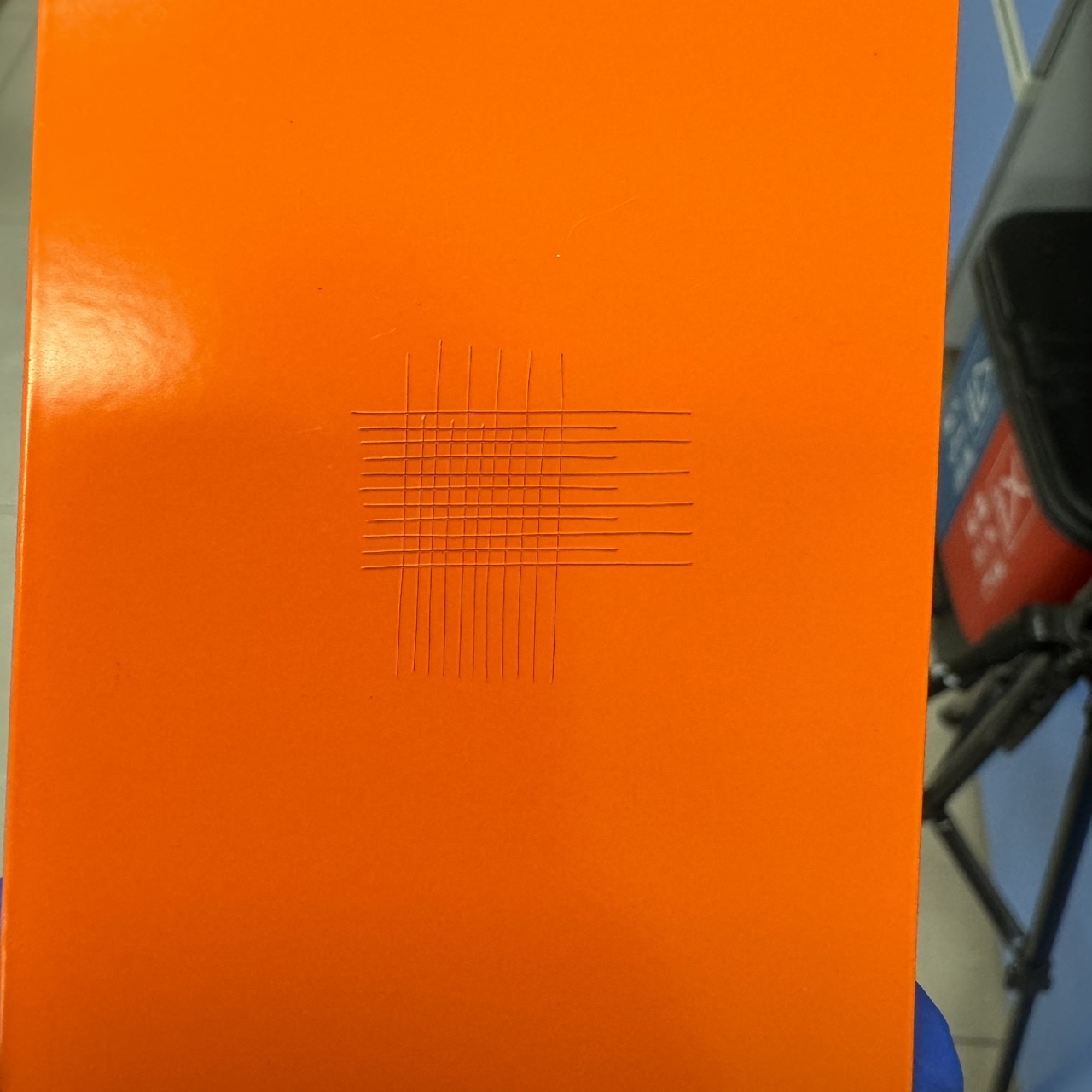
Hsinda's quality control documentation supports these checks. The company provides test reports and allows third-party inspection such as SGS before shipment. This transparency is particularly important for architectural projects where coating failure can lead to expensive rework.
Application Mapping: Matching Coating Types to Long-Run Use Cases
Different applications impose different requirements on a long-term supplier. Powder coating suppliers that support multiple product categories allow buyers to consolidate their sourcing.
Construction and Decoration
Architectural powder coating is a major end-use segment, driven by demand for UV-resistant facades and window systems. Aluminum profiles, doors, windows, glass curtain walls, sunrooms, and architectural partitions typically use polyester-based powder coating with weather resistance. Hsinda's Aluminum Powder Coating is formulated with super weather-resistant polyester resin and offers salt spray resistance for 1,000 hours per ISO 7253:1996, weather resistance for 1,000 hours per ISO 11341:2004, and natural aging test results of over 50% gloss retention after one year in Florida. Architectural coatings are governed by international certification schemes including Qualicoat, GSB International, and AAMA standards 2603, 2604, and 2605.
Indoor Industrial Products
For indoor environments with temperatures from -40°C to 60°C, rust prevention and durability are required. Coatings must withstand bumps and wear during transportation and daily use. Epoxy powder coating and epoxy-polyester hybrid powder coating are common choices for home appliance housings, electrical enclosures, office furniture, and lighting equipment. These products provide good resistance to detergents and scratches while maintaining smooth, uniform surfaces.
Outdoor Furniture and Public Facilities
Outdoor applications require weather resistance and an outdoor service life exceeding 10 years. Streetlight poles, highway guardrails, outdoor furniture, and vending machines benefit from textured finishes such as hammer tone, sandy, and wrinkle powder coatings. These finishes hide surface irregularities and provide self-cleaning, maintenance-free operation.
Heavy-Duty and Anti-Corrosion Environments
Oil and gas pipelines, water supply systems, valves, and steel reinforcement bars require heavy-duty anti-corrosion protection. Pure epoxy powder coating is typically specified for these applications. It is also used for electrical insulation of motor copper bars, transformers, switchgear, and electric vehicle battery components.
Market Context: Powder Coating Trends for 2026 and Beyond
Global market estimates differ by research agency, but the direction is consistent. Grand View Research values the powder coatings market at USD 11.5 billion in 2025, projected to reach USD 18.5 billion by 2033. IMARC Group estimates USD 16.4 billion in 2025 with a CAGR of 4.51% until 2034. Both sources indicate steady growth.
Thermoset powder coatings, including epoxy and polyester resins, dominated the market with a 76.6% share in 2026 due to durability and corrosion resistance. Architectural and decorative applications represent a major end-use segment, driven by demand for UV-resistant facades and window systems.
China's coating export growth is another structural factor. In 2024, China's coating industry exported 334,800 tons of coatings, representing an 18.65% year-on-year increase in value to USD 1.065 billion. This trend reflects the growing acceptance of Chinese powder coating manufacturers in international supply chains.
Comparing Long-Term Supply Options: Global Brands, Local Chinese Suppliers, and Mid-Size Specialists
For architectural and decorative buyers, three supplier profiles are commonly considered. Each has different implications for long-term supply.
| Supplier Profile | Strengths | Considerations |
|---|---|---|
| Global leaders (e.g., AkzoNobel, PPG, Sherwin-Williams, Axalta, Jotun) | Recognized brand names, comprehensive certification portfolios, extensive R&D resources, local technical support in many regions | Premium pricing, larger minimum commitments, supply chain decisions may be centralized and less flexible for mid-sized distributors |
| General Chinese manufacturers | Competitive pricing, flexible ordering, responsive communication | Quality consistency varies significantly; color control and batch stability may not be well documented |
| Mid-size specialized manufacturers with export focus (e.g., Hsinda) | Higher resin content, better pigment quality, higher one-time coating rate, coverage of 7–10 m²/kg, documented quality system, international certifications, established distributor network | Annual capacity of 5,000 tons is smaller than global majors; buyers with very large peak demand may need to qualify a backup supplier |
Compared with conventional Chinese brand products, Hsinda positions itself through higher resin content, better pigment quality, higher one-time coating rate, and more coverage per kilogram. Its cost analysis indicates approximately 5% lower comprehensive overall cost, driven by lower raw material consumption and fewer rework rejects. The company also reports significantly reduced maintenance requirements and higher energy efficiency per finished unit.
Compared with traditional liquid paint, powder coating offers nearly zero VOC emissions, a comprehensive cost reduction of over 35–40%, material utilization up to 99%, durability of 10–20 years, and hardness of 3H or higher. Curing time is just 10–20 minutes, enabling fully automated production lines. Switching from solvent-based paints to powder coatings can lower total energy consumption by 22% and reduce carbon emissions by 30% to 50%.
One limitation should be stated honestly. Hsinda's annual production capacity of 5,000 tons and team of 45 employees mean it is structurally smaller than multinational powder coating groups. For very large infrastructure projects requiring multiple thousands of tons within a short window, a global manufacturer may be the only practical option. For distributors and mid-to-large builders, however, this scale provides flexibility and faster decision-making.
Practical Procurement Terms for Long-Term Cooperation
When moving from supplier evaluation to execution, procurement terms become the interface of the long-term relationship. Hsinda offers the following commercial structures, which are useful comparison points for buyers establishing their own criteria:
- MOQ: 100 kg for standard orders, 300 kg for bulk orders, and 1 kg for sample orders. Some products carry MOQs of 6 tons depending on formulation.
- Incoterms: EXW, FOB, CIF, CFR, CPT, DAP, DDP
- Acceptance: Pre-shipment testing and third-party inspection (e.g., SGS)
- Payment: 50% T/T in advance, 50% T/T before shipment
- Lead time: 15–20 days typical
- Production capacity: 400 tons per month
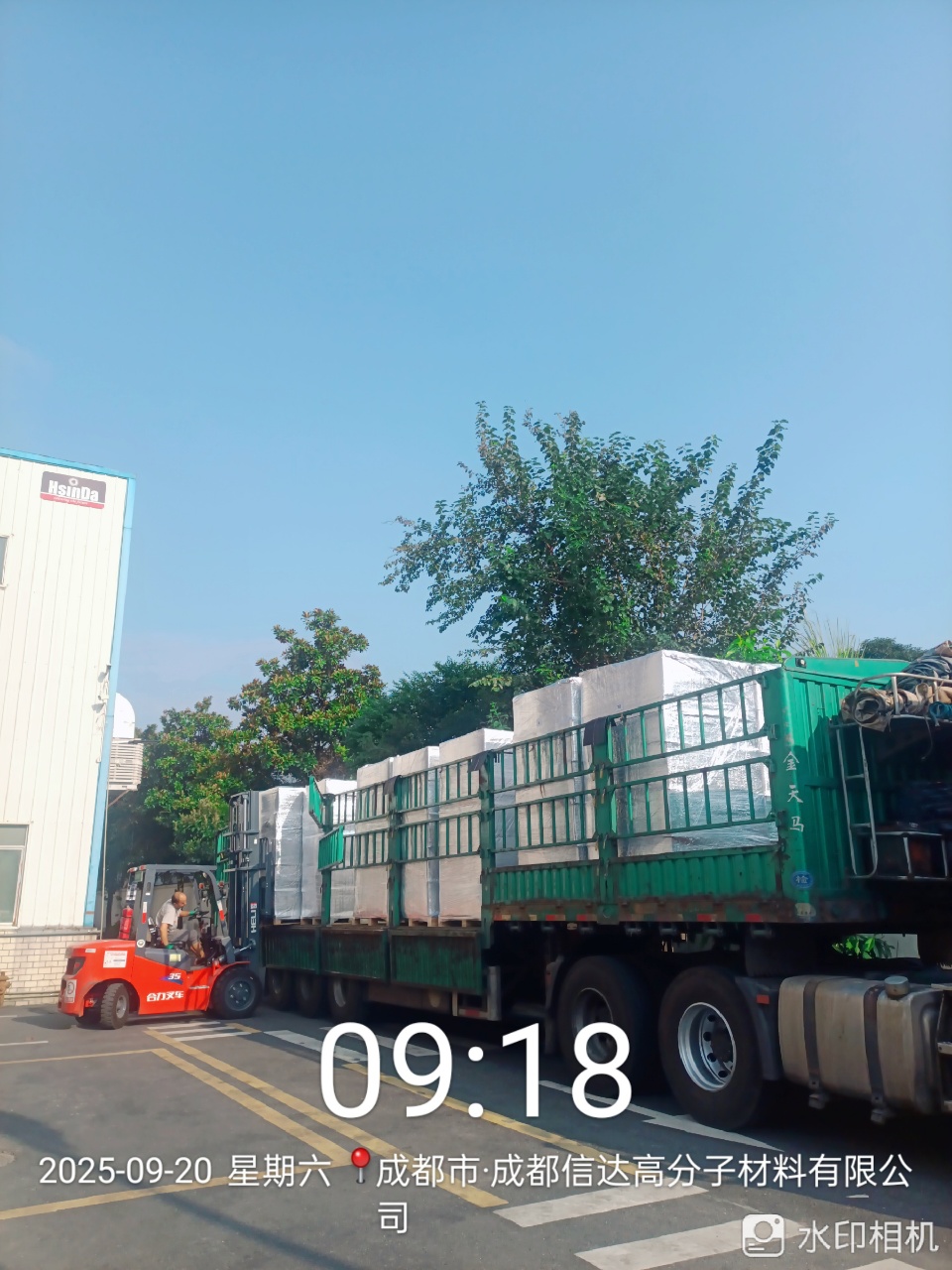
These terms matter for planning. A distributor who knows the manufacturer's monthly capacity and lead time can plan inventory months in advance without overstocking. A supplier that only accepts large MOQs may force buyers into costly inventory cycles; a supplier with sample-level ordering supports new product development.
Long-Term Outlook: What Buyers Should Watch
The architectural powder coating segment will continue to be shaped by certification standards and environmental regulation. Qualicoat, GSB International, and AAMA 2603/2604/2605 will remain important benchmarks for architectural coatings. ISO 12944 will continue to guide specification of powder coating systems in corrosive environments rated C1 to C5.
Several trends are likely to affect long-term supply decisions:
- Color customization: As building designs become more individual, demand for custom RAL and Pantone colors will grow. Suppliers that can manage small-batch color matching with low Delta E will have an advantage.
- Environmental compliance: Buyers will increasingly require documentation for REACH, RoHS, and low-VOC performance. TGIC-free and HAA-cured systems are gaining attention in European and North American markets.
- Supply base consolidation: Rather than sourcing from multiple anonymous suppliers, distributors will consolidate around manufacturers that offer both product range and process transparency.
For buyers at the decision-to-execution stage, the practical recommendation is to verify four things before signing a long-term agreement: tested product specifications, documented quality control procedures, realistic capacity and lead time, and a distribution structure that protects regional partners. These criteria convert a transactional purchase into a sustainable supply relationship.
Frequently Asked Questions
What operational standards should a distributor verify before signing a long-term agreement with Hsinda?
Distributors should verify production capacity, quality control procedures, and certification status. Hsinda operates 8 advanced powder coating production lines and 3 sample lines with annual output over 5,000 tons. The factory is ISO 9001 and ISO 14001 certified, and products have passed RoHS, REACH, SGS, and AAMA testing. Quality control includes a pre-shipment "3+1 Inspection" covering raw materials, first and last production pieces, performance, and color difference.
What are the minimum order quantities for long-term powder coating supply?
Hsinda's standard MOQ is 100 kg, with 300 kg required for bulk orders and 1 kg for sample orders. Depending on the product, MOQ can be up to 6 tons. This flexibility allows distributors to test products before committing to large volumes.
What is Hsinda's typical production lead time and monthly capacity?
Monthly production capacity is 400 tons. Typical production lead time is 15 to 20 days, depending on the product and order size. This allows distributors to plan regular restocking cycles with reasonable certainty.
What certifications support architectural powder coating purchases from Hsinda?
Hsinda's powder coatings have passed RoHS, REACH, SGS, and AAMA testing. The factory holds ISO 9001 and ISO 14001 certification. For architectural applications, products meet performance requirements relevant to Qualicoat and AAMA 2603/2604/2605 frameworks, including Florida outdoor exposure testing and antimicrobial testing.
How does Hsinda ensure color consistency across production batches?
Color difference is strictly controlled to Delta E ≤0.5. Hsinda provides color difference reports upon request. The pre-shipment inspection includes color difference verification as part of the "3+1 Inspection" protocol, covering raw materials, first and last production pieces, performance, and color difference.
Does Hsinda have exclusive distributor arrangements in export markets?
Yes. Hsinda has exclusive distributors in Kazakhstan, Uzbekistan, and Chile. The company also works with established cooperative distributors in Russia, Bangladesh, Poland, Portugal, the United States, Canada, Sri Lanka, Bolivia, and Argentina, and exports to more than 70 countries overall.
Download the company brochure for detailed product specifications and company information.