
Pumpkin Seed Varieties 2026: Snow White, Shine Skin, Lady Nail
Pumpkin seeds are not a single commodity. For food manufacturers, snack roasters, and importers, the choice between Snow White, Shine Skin, and Lady Nail affects size, color, taste, processing behavior, and compliance planning. This article examines the three main commercial varieties and what buyers should evaluate when sourcing from Inner Mongolia.
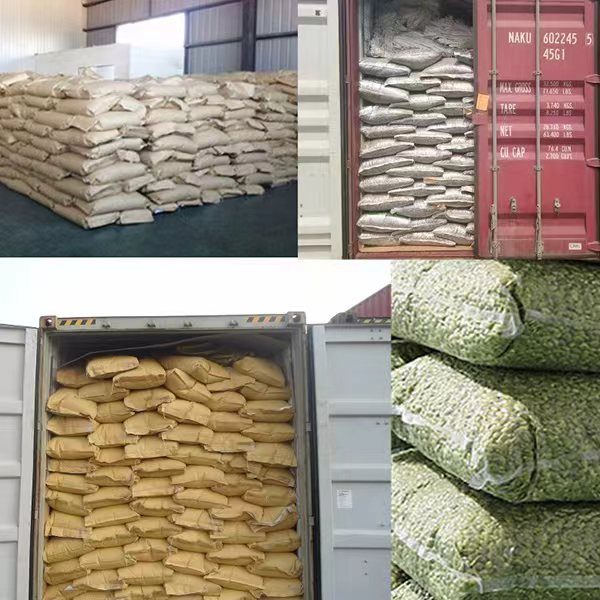
The growing importance of variety in pumpkin seed procurement
China has become a key supply base for pumpkin seeds. According to a Seedea market update, China's total pumpkin seed production was projected at 400,000 tons in 2024, up 40 percent from 280,000 tons in 2023. Inner Mongolia itself is a major cultivation hub, with 28,700 hectares of planting area in 2024. For international buyers, this makes China's varietal mix directly relevant to purchase planning.
The global market is also expanding. One estimate from Maximize Market Research puts the global pumpkin seed market at USD 1.08 billion in 2025, growing to USD 2.62 billion by 2032, a compound annual growth rate of 13.4 percent. Another estimate from Wikifarmer values the global pumpkin seed segment at about EUR 1.13 billion in 2025. The exact figures differ because of segment definitions, but the direction is the same: pumpkin seed demand is no longer confined to niche snack channels.
For a buyer entering this category, the first practical issue is naming. Snow White, Shine Skin, and Lady Nail are three names that appear frequently in export descriptions. They are not interchangeable.
The procurement problem: inconsistent terminology and rising expectations
Pumpkin seed export descriptions are not standardized. The same visual type can appear under different names, and the same name can cover different size bands. This creates three common risks: receiving the wrong size, receiving mixed varieties, or discovering that a lot does not meet regulatory limits.
The opportunity is equally clear. China's 2024 production increase, Inner Mongolia's concentrated planting area, and the global market's projected growth all point to a deep supply pool. Buyers who can specify variety, size, and grade can source more efficiently than buyers who rely on generic purchases.
In this context, variety is no longer a minor detail. It is the starting point for specification, pricing, application, and supplier selection.
Three trade names, three product profiles
Commercial pumpkin seeds in the China export trade are usually presented by these three type names. Each has a different size range, visual profile, and typical use.
- Snow White pumpkin seeds are described in supplier references as having size ranges of 15mm+, 13mm+, and 11mm+. They have a white color and a hard skin, and are associated with salty taste applications.
- Shine Skin pumpkin seeds are listed at 10mm+, 8-10mm, and under 8mm. Their color is slightly yellow, the taste is generally described as better, and they are sold widely to the Middle East. Shine Skin is also a common source for green pumpkin seed kernels with A, AA, and AAA grades.
- Lady Nail pumpkin seeds are available at 10mm+, 7-10mm, and under 7mm. They have a long shape and are valued for appearance and good taste.
| Variety | Reported size ranges | Color | Key characteristics |
|---|---|---|---|
| Snow White | 15mm+ / 13mm+ / 11mm+ | White | Hard skin; largest presentation; salty taste direction |
| Shine Skin | 10mm+ / 8-10mm / less than 8mm | Slightly yellow | Better taste; strong Middle East demand; main source of A/AA/AAA kernels |
| Lady Nail | 10mm+ / 7-10mm / less than 7mm | Not specified in source | Long shape; good appearance; good taste |
The practical implication is that a buying specification should never stop at 'pumpkin seeds.' A buyer who needs a large white seed for a salty roasted snack might choose Snow White. A processor who needs consistent kernels for baking or confectionery may focus on Shine Skin kernel grades. A buyer targeting presentation-style snacks may prefer Lady Nail.
Supplier evaluation: an integrated Inner Mongolia processor
One way to test procurement criteria is to examine a supplier that operates inside the origin region. Inner Mongolia Chengtai Food Co., Ltd. is an example of an integrated producer and trader based in Bayannur, Inner Mongolia. The company was founded in 2013 and is located in the Hanggin Rear Banner area of the Hetao Plain, a district that supports a 1.5-million-acre sunflower and pumpkin seed planting base, according to its company profile.
Chengtai's disclosed operational data includes an annual output of 30,000 metric tons, a monthly capacity of 2,500 metric tons, 20 employees, and two members on its R&D team. About 80 percent of its products are exported, with main markets in the Middle East, Middle Asia, and Europe; export markets also include Vietnam and Africa. The product range covers sunflower seeds, pumpkin seeds, and kernels.
For buyers evaluating a new supplier, these are concrete data points to verify:
- Production capacity and lead time: monthly capacity of 2,500 metric tons; lead time of 10-15 days; MOQ of 5 metric tons.
- Customization: OEM/ODM is available, and bags can be printed with the customer's logo.
- Quality control: the company states that 100 percent of products are tested.
- After-sales policy: if seeds have any problem, a refund can be applied.
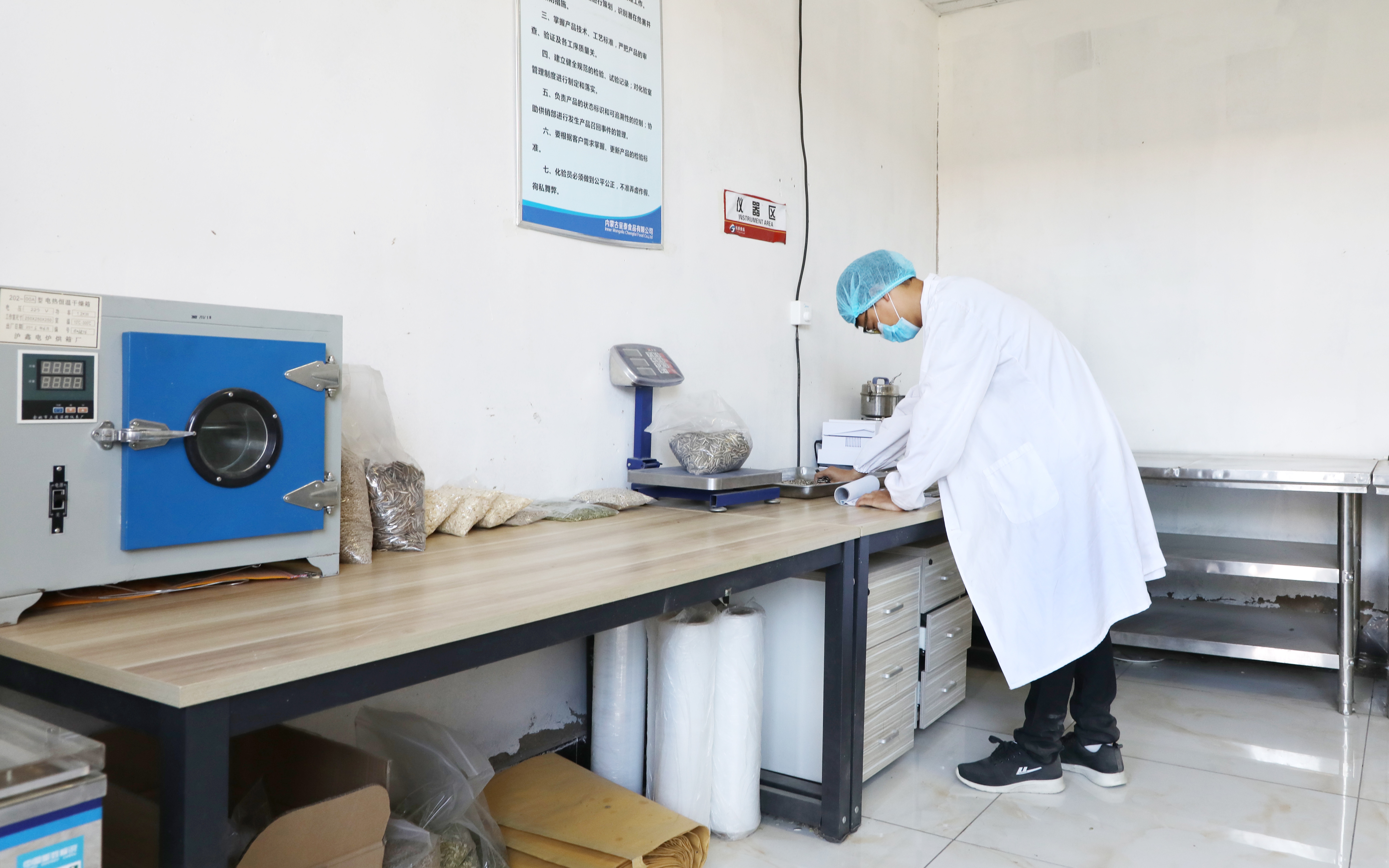
Reading the spec sheet: sizes, moisture, purity, and grades
In practice, pumpkin seed specifications go beyond variety name. The product data used by Chinese processors lists the following common parameters for raw pumpkin seeds: moisture 9-10 percent, impurity below 0.5 percent, erosion seeds below 0.5 percent, and mildew seeds below 1 percent. Origin is commonly described as Xinjiang and Inner Mongolia, and packaging is normally 20 or 25 kg plastic or paper bags.
For kernels, the relevant specification shifts to grade. Shine Skin pumpkin seed kernels are available in A, AA, and AAA grades. The green kernel type is used in manufacturing and roasted-shop applications. According to market product data, AAA Shine Skin kernels are often specified with a minimum purity of 99.95 percent and maximum moisture of 8 percent. Typical kernel size ranges are 10-11mm or 8-10mm, with a shelf life of 18-24 months under optimal storage, depending on the supplier specification.
This distinction matters because whole seeds and kernels are evaluated differently. A whole seed purchase should verify size range, color, skin condition, and roasting tolerance. A kernel purchase should verify grade, purity, and moisture. Buyers should also decide whether the product must meet a specific regulatory limit, such as the EU maximum level for aflatoxin B1+B2+G1+G2 in pumpkin seeds at 5.0 micrograms per kilogram under Regulation (EU) 2023/915.
Application scenarios: from roasted shops to ingredient processing
Raw pumpkin seeds of these varieties are intended for the manufacturing and roasted-shop industry, with typical applications in roasted shops and human consumption. They can be used as raw materials for snacks, baked goods, and confectionery. In a typical food production processing project, the operation mode is batch processing with manual and mechanical feeding, supported by sorting and packing machines. Impurity control is usually a special requirement.
One reference project from the supplier pool illustrates the scale at which these products are traded. A project completed over two years involved a total project scale of 30,000 metric tons. The clients included food processors, snack manufacturers, food wholesalers, importers, and distributors. The geographic scope covered the United Arab Emirates, Afghanistan, Azerbaijan, Bahrain, China, Germany, and other markets. The reported result was stable supply, consistent product quality, and satisfied bulk order delivery.
Market trends: Shine Skin dominance and Lady Nail expansion
Variety-level data reinforces the need for precise sourcing. According to an Everstar Foods industry report, Shine Skin pumpkin seeds accounted for about 74 percent of China's 2024 pumpkin seed production, roughly 294,000 tons. Snow White and Lady Nail each accounted for 12 percent, with estimated production of 46,000 tons and 52,000 tons, respectively.
Demand patterns are also shifting. A Cardassilaris market insight reported that Lady Nail pumpkin seeds saw an 80 percent expansion in planting area, to approximately 500,000 acres in 2025, driven largely by Middle East demand. This suggests that variety selection is becoming more responsive to regional preferences.
China's export role remains significant. UN Comtrade data cited by Tridge shows China's pumpkin seed export value at USD 97 million in 2023, roughly 10 percent of the global export value. At the same time, regulatory pressure has increased. Pesticide residue rules in the EU and US have constrained export volumes for Shine Skin and GWS types, contributing to a temporary global oversupply in 2025, according to Cardassilaris B2B insights.
Beyond whole seeds, the kernel segment is growing. Grand View Research projects the pumpkin seed oil market to grow at a 10.5 percent CAGR and reach USD 2.06 billion by 2030. That trend raises demand for high-purity kernels, especially for pressing and oil extraction.
Direct processor versus traditional commodity channel
Many buyers still purchase pumpkin seeds through traditional commodity channels, where product moves through collectors, middlemen, and export traders. This model can offer flexible volumes, but it often limits visibility into origin, processing date, and quality control.
An integrated processor like Inner Mongolia Chengtai Food Co., Ltd. offers a narrower but more controlled route. It reports direct access to the regional planting base, in-house sorting and packing, 100 percent testing, and OEM packaging. The buyer can specify variety, size band, packaging, and logo. The relationship is closer to a production arrangement than a spot purchase.
There are real boundaries to this model. The MOQ is 5 metric tons, and lead time is 10-15 days. A buyer testing a new market with a one-ton order may find this structure unsuitable. In addition, a supplier's 100 percent internal test is not a substitute for the buyer's own acceptance testing. Contracts should define sampling, tolerances, and third-party inspection rights. Even with clear specifications, a direct processor arrangement cannot eliminate all supply-chain risk; it shifts the risk to the contract and quality agreement.
| Evaluation point | Traditional commodity channel | Direct integrated processor |
|---|---|---|
| Specification traceability | Often limited | Defined per order |
| MOQ flexibility | Can be small but inconsistent | Typical MOQ from supplier: 5 metric tons |
| Lead time visibility | Variable | 10-15 days stated by supplier |
| Quality control | Depends on trader | 100% test stated; buyer verification still needed |
| Packaging customization | Limited | OEM/ODM and logo printing available |
Neither channel is always superior. The right choice depends on order size, specification risk, and the buyer's ability to verify product quality.
Future outlook: variety and compliance become baseline
The projections point to continued growth across snack, bakery, confectionery, and oil-processing segments. As the global market expands, buyers will likely treat variety, grade, and origin information as mandatory parts of purchase orders, not optional extras.
Inner Mongolia's position as a cultivation hub gives suppliers in the region a structural advantage, but regulatory compliance is the gatekeeper. The EU aflatoxin limit and pesticide residue constraints mean that suppliers must document growing conditions, testing results, and storage practices. Buyers who build those requirements into their evaluation now will be better positioned for long-term contracts.
The expansion of Lady Nail planting, combined with Shine Skin's dominant share, suggests that China's supply will be segmented by end-use rather than treated as a uniform commodity. For buyers, that is an opportunity to source more precisely.
FAQ: What buyers ask about Snow White, Shine Skin, and Lady Nail
What are the differences between Snow White, Shine Skin, and Lady Nail pumpkin seeds?
Snow White pumpkin seeds are described with size ranges of 15mm+, 13mm+, and 11mm+, a white color, and a hard skin. Shine Skin pumpkin seeds are listed at 10mm+, 8-10mm, and under 8mm, have a slightly yellow color, and are generally described as tasting better; they are sold widely to the Middle East and are also used for kernels. Lady Nail pumpkin seeds are listed at 10mm+, 7-10mm, and under 7mm, have a long shape, and are valued for appearance and good taste.
Which type of pumpkin seeds has the biggest size?
Snow White pumpkin seeds are the largest of the three types, with reported size ranges of 15mm+, 13mm+, and 11mm+.
Which type of pumpkin seeds is white?
Snow White pumpkin seeds are described as white in color. Shine Skin seeds are described as slightly yellow; Lady Nail color is not specified in the source comparison.
Which type of pumpkin seeds tastes better?
In the source comparison, Shine Skin pumpkin seeds are described as having a better taste when compared with Snow White. Lady Nail is also described as having good taste.
Which type of pumpkin seeds has a long shape?
Lady Nail pumpkin seeds are described as a long-type variety, with reported size ranges of 10mm+, 7-10mm, and under 7mm.
Which type of pumpkin seeds has an 8-10mm size range?
Shine Skin pumpkin seeds are listed with a size range of 8-10mm. Lady Nail seeds are listed with a 7-10mm range, which can also include seeds in the 8-10mm interval depending on the lot.
Reference: A company profile for Inner Mongolia Chengtai Food Co., Ltd. is available for public download here: Chengtai Food company profile (PDF).
¿Tiene preguntas o necesita más detalles?
Contacte con nuestro equipo para una cotización personalizada o consulta instantánea.
Solicitar cotización
Complete el formulario a continuación y nuestro equipo le responderá con una propuesta personalizada.
Chat directo de WhatsApp
¿Prefiere chatear en tiempo real? Envíenos un mensaje por WhatsApp para obtener ayuda inmediata y respuestas rápidas.
- Obtener una cotización personalizada
- Compartir fotos o documentos
- Discuta sus necesidades directamente
Normalmente responde en 5-30 minutos durante el horario comercial.