
Pumpkin Seed Buyer’s Checklist: What to Verify Before Signing with a Supplier
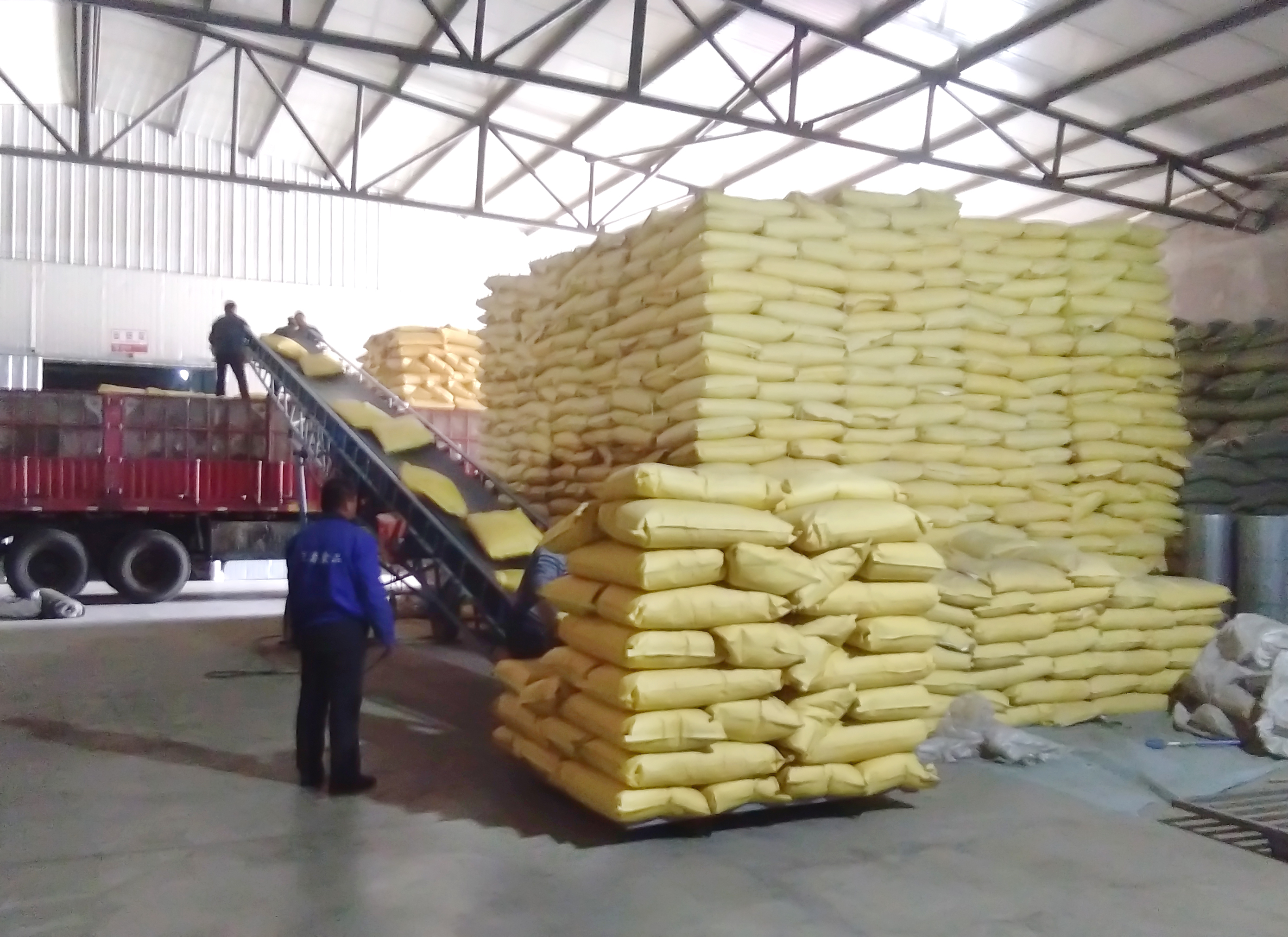
Signing a pumpkin seed supply agreement is, in practice, an agreement about measurable quality. Buyers who rely on samples or supplier reputation alone leave too much room for interpretation. A supplier may describe a lot as “high purity” or “big size,” but those words mean little unless they are tied to specifications that can be verified when the goods are loaded or received.
This checklist is written for bulk buyers, importers, roasters, and food processors who are comparing suppliers before signing a contract. It uses published product data from Inner Mongolia Chengtai Food Co., Ltd. as a concrete reference. The company is a pumpkin seed and sunflower seed processor in Inner Mongolia that was founded in 2013 and exports around 80 percent of its output to markets such as the Middle East, Middle Asia, Europe, Egypt, Dubai, and the United States. Its published specification set is useful not because the company is being promoted here, but because it gives buyers a realistic starting point for defining their own acceptance criteria.
Why a Measurable Checklist Changes the Buying Conversation
Pumpkin seed purchasing decisions today are rarely limited by supply. The commercial conversation has shifted from “Can you supply?” to “Can you supply consistently at an acceptable quality level?” This is especially true in China, which is one of the largest supply origins for raw pumpkin seeds.
Industry estimates indicate that China’s total pumpkin seed production reached approximately 400,000 tons in 2024, up from 280,000 tons in 2023. Inner Mongolia itself is a major cultivation hub, with a 2024 planting area of roughly 28,700 hectares, or about 430,000 mu. More supply does not automatically mean more uniform quality. New crop volumes can include varying moisture levels, higher impurity loads, more broken or eroded seeds, and inconsistent sizing.
For a buyer, this creates a few practical risks. If moisture is too high, seeds can deteriorate during shipping or storage. If impurity is above an agreed level, the buyer loses usable weight and increases sorting cost. If mildew seeds are present above tolerance, the lot may fail visual inspection or create problems further down the process line.
The purpose of a supplier checklist is to turn these risks into a conversation about numbers. Instead of asking a supplier “Is the quality good?”, the buyer asks “Does this lot meet a moisture range of 9–10 percent, impurity below 0.5 percent, eroded seeds below 0.5 percent, and mildew seeds below 1 percent?” The answer can then be checked at the loading point or at destination.
The Core Checklist: Parameters to Verify on Every Offer
The following parameters appear consistently in the reference specification set for raw pumpkin seeds sold by Inner Mongolia Chengtai Food Co., Ltd. The same group of parameters applies to Snow White, Shine Skin, and Lady Nail pumpkin seeds, as well as to related green pumpkin seed kernel grades such as Grade A, AA, and AAA. Buyers can use these as baseline checkpoints and then adjust them according to their own product needs.
| Checkpoint | Published Baseline | Why It Matters |
|---|---|---|
| Moisture | 9–10% | A stable moisture range supports normal handling, storage, and later roasting or salting processes. |
| Impurity | <0.5% | Impurity affects usable weight, sorting time, and finished product appearance. |
| Erosion / broken seeds | <0.5% | Broken or eroded seeds reduce yield in snack, bakery, and confectionery applications. |
| Mildew seeds | <1% | Mildew is a visual quality risk and is often monitored more strictly for higher-grade lots. |
| Sizing | Variety-specific: Snow White 15mm+/13mm+/11mm+; Shine Skin 10mm+/8–10mm/<8mm; Lady Nail 10mm+/7–10mm/<7mm | Sizing must match the buyer’s finished product format and packaging expectations. |
| Color and appearance | White seed shell for Snow White; slightly yellow shell for Shine Skin; long shape for Lady Nail; dark green color for Green Kernel AAA | Color and shape are quick visual indicators of variety and grade consistency. |
These are not unusually demanding numbers. They simply represent a clear, enforceable baseline. A buyer can compare multiple supplier quotes side by side when each quote states these values in writing.
Sizing and Variety: How the Baseline Applies to Snow White, Shine Skin, and Lady Nail
Most export buyers tend to look for one of three pumpkin seed varieties. Each has a different position in the market, and each has its own size logic. The reference knowledge base for Inner Mongolia Chengtai Food Co., Ltd. describes the differences in practical terms.
Snow White Pumpkin Seeds
Snow White pumpkin seeds are positioned around large size. The published size range is 15mm+, 13mm+, and 11mm+. The shell color is white, the skin is hard, and this type is often processed with a salty taste. For buyers who need the visual impression of a big, white seed, Snow White is the variety to compare first.
Shine Skin Pumpkin Seeds
Shine Skin pumpkin seeds are available in 10mm+, 8–10mm, and below 8mm size ranges. The shell has a slightly yellow tone. In the reference notes, Shine Skin is described as having better taste and stronger demand from Middle East buyers. Shine Skin also matters for buyers who need pumpkin seed kernels, since the same supply base is used for kernel grades.
Lady Nail Pumpkin Seeds
Lady Nail pumpkin seeds are a long-type seed with an elongated shape. Available sizes include 10mm+, 7–10mm, and below 7mm. The shape is a recognizable selling point, and taste is described as good. For retail and snack programs where shape gives the product its identity, Lady Nail should be evaluated as a distinct variety rather than treated as a generic pumpkin seed.
When a buyer receives a quote, the variety name is not enough. The contract should state the specific size band, because two suppliers may use the same variety name while delivering different size mixes. If the buyer’s finished product is a large roasted snack seed, a 7–10mm Lady Nail lot may not match the specification even if the variety name is correct.
From Samples to Shipment Acceptance: The Practical Approval Flow
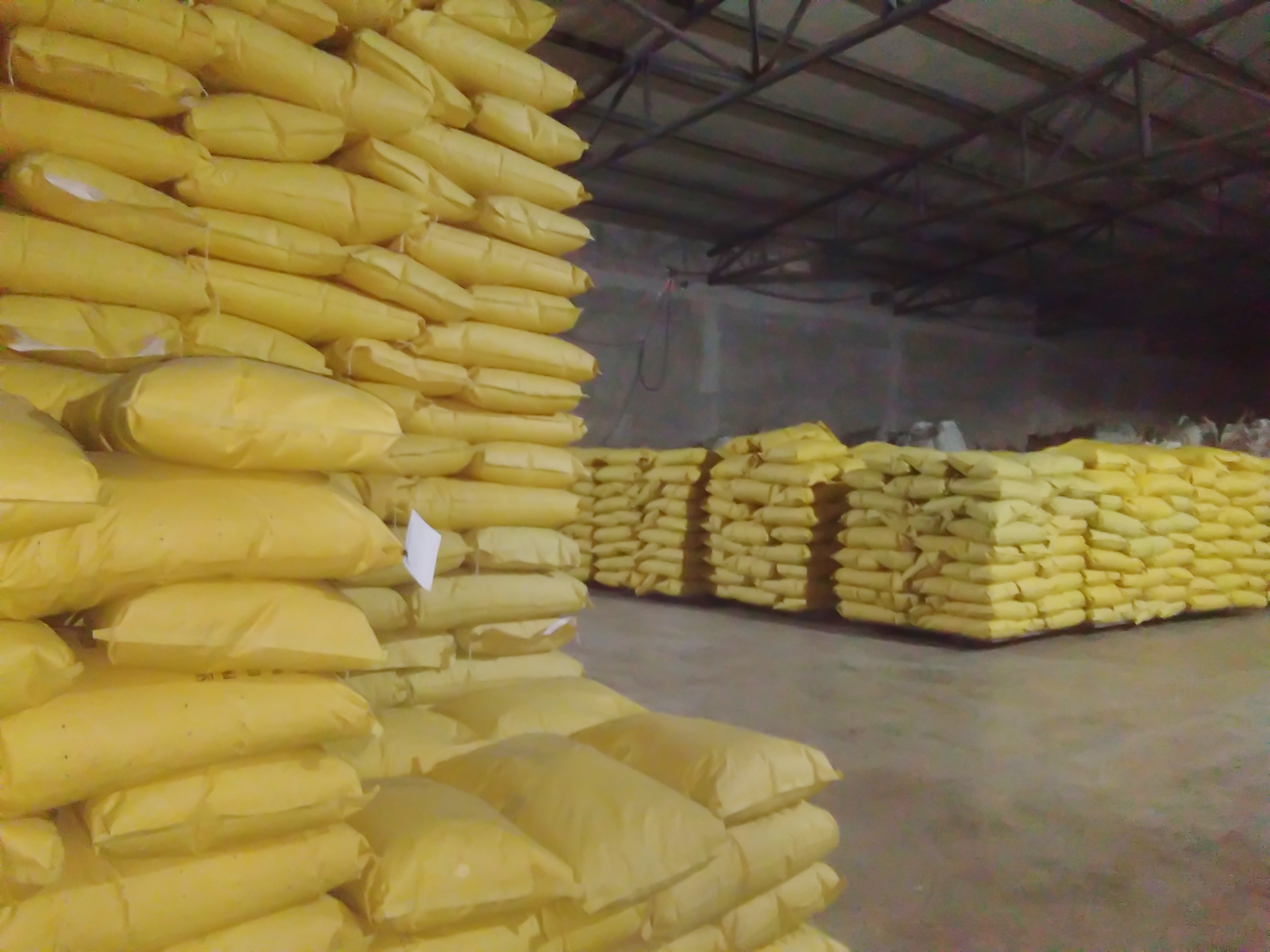
A specification sheet only becomes useful when it is tied to a physical checking process. For export-oriented pumpkin seed supply, the reference commercial terms from Inner Mongolia Chengtai Food Co., Ltd. include several elements that buyers should expect to see in a serious supplier proposal:
- Minimum order quantity: 5 metric tons
- Delivery method: FOB, CNF, or CIF
- Acceptance method: pre-shipment test or test after receiving the seeds
- Payment terms: 30/70 or 100 percent
- Packaging: 20/25 kg plastic or paper bag, with vacuum bag and carton available for kernel products
- Storage recommendation: cool, dry warehouse conditions
These terms give the buyer a clear structure. The sample that was reviewed at the beginning of the negotiation should not be the only quality reference. Instead, the buyer should link acceptance to the actual shipment:
First, confirm the quality parameters in writing before the order is placed. Second, request a pre-shipment test if the volume or destination justifies it. Third, keep the right to test the seeds after receipt. Fourth, use the same measurement approach for both tests. This reduces the chance that the supplier’s loading standard and the buyer’s receiving standard are different in practice.
Quality Tiers vs. Low-Grade Supply: What the Comparison Shows
Pumpkin seed is not a single homogeneous commodity. The reference comparison data used in the supplier’s product documentation contrasts higher-purity pumpkin seeds with conventional low-grade pumpkin seed. The stated differences include higher kernel purity, fewer broken and mildewed seeds, natural dark green kernel color, and white seed shell color.
The same comparison data sets out a measurable performance expectation: impurity at or below 0.5 percent, broken seeds at or below 0.5 percent, and mildewed seeds below 0.1 percent. That level is stricter than the general 1 percent mildew tolerance that appears in many raw seed specification sheets. This is an important distinction for buyers. The general reference range of mildew below 1 percent may apply to standard raw seed lots, while higher-grade kernel programs and snack-processing lots may be quoted at tighter levels.
The practical meaning is simple. A buyer who signs a contract without specifying whether the required grade is “standard raw seed” or “high-purity processing grade” leaves a broad quality gap open. The supplier may legally deliver within the general range while the buyer’s production line expects the tighter range. Explicit grade language prevents this mismatch.
The comparison data also indicates that the higher-quality lot is best suited for snack processing, confectionery, and retail finished products. It reports a 5 percent lower cost under this quality scenario, driven by higher finished product yield after processing. In other words, the value of cleaner seeds is often visible after sorting, roasting, or repacking, not only at the moment of delivery.
The Market Context Behind Tightening Seed Specifications
Buyers are not tightening specifications in a vacuum. External market data helps explain why measurable quality has become a central issue in pumpkin seed procurement.
Shine Skin is the dominant variety in China’s production structure, accounting for about 74 percent of total production in 2024. Snow White and Lady Nail each account for roughly 12 percent of production. This concentration matters because buyers who need non-Shine Skin varieties are sourcing from a relatively smaller pool of raw material, which can affect pricing and availability discipline.
Market reporting also points to a notable expansion in Lady Nail planting area, estimated at an 80 percent increase in 2025, driven in part by strong demand in the Middle East. On the regulatory side, the EU has set a maximum aflatoxin level of 5.0 micrograms per kilogram for the sum of B1, B2, G1, and G2 in pumpkin seeds under Commission Regulation (EU) 2023/915. Pesticide residue rules in the EU and the United States have also influenced export volumes for Shine Skin and other shell-on types.
For a buyer, these signals reinforce the same conclusion. Procurement should be based on documented specifications, not only on origin reputation. Whether the product is sold as export-grade pumpkin seeds, non-GMO pumpkin seeds, high-purity pumpkin seeds, or Inner Mongolia origin pumpkin seeds, the claim should always be supported by an inspectable product specification and the right compliance documentation.
Where This Checklist Has Limits
A parameter checklist is a strong foundation, but it is not a complete guarantee. Buyers should be aware of the boundaries of this approach.
First, visual and physical parameters do not replace laboratory testing for food safety hazards. Moisture, impurity, and visible mildew checks cannot detect every chemical or microbiological risk. If the destination market has specific regulations on aflatoxins or pesticide residues, those tests should be written into the quality agreement separately.
Second, sampling depends on method. A single small sample from the top of a container may not represent the rest of the shipment. The buyer and supplier should agree in advance on how samples will be taken, how many bags or sections will be sampled, and what measurement method will be used.
Third, these baseline specifications are not a substitute for application testing. A seed lot can meet moisture, impurity, and sizing targets and still perform differently after salting, roasting, or confectionery processing. The buyer’s best protection is a final confirmation test under the actual processing conditions.
Finally, a checklist tells the buyer what is likely true about a shipment, but it does not eliminate all supplier risk. That is why long-term buyers often combine specification checks with a broader view of the supplier’s export experience, production discipline, and willingness to put acceptance terms in writing.
Using the Checklist for an Ongoing Supplier Relationship
For buyers who are at the decision and execution stage, a checklist also supports long-term supplier management. Each shipment adds a new set of comparable records. Over time, the buyer can see whether the supplier performs consistently across crop years, packaging formats, and delivery routes.
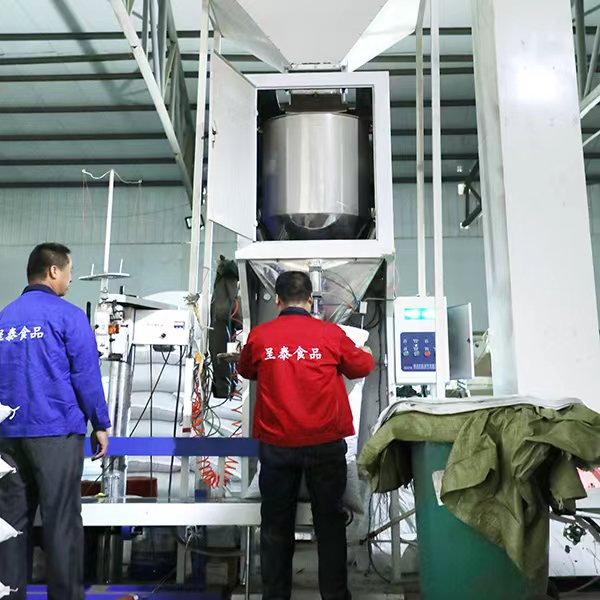
Inner Mongolia Chengtai Food Co., Ltd., as a reference example, shows what a long-term relationship profile may include. The company is located in Hanggin Rear Banner, Bayannur, Inner Mongolia, and its production workshop is designed in accordance with EU standards. Its export network covers customers in China, the Middle East, Middle Asia, Egypt, Dubai, the United States, Austria, and European countries. It also participates in international food exhibitions such as Gulfood in Dubai, Tuyap in Turkey, Anuga in Germany, and Sial in France. These facts do not prove the quality of one shipment, but they help a buyer assess whether the supplier operates with international trade discipline.
For the buyer, the long-term value is simpler. If every shipment is checked against the same measurable criteria, quality problems become visible early. That allows the buyer to correct issues before they reach the consumer, and it provides objective data for future price negotiations and supplier reviews.
FAQ
What are the differences between Snow White, Shine Skin, and Lady Nail pumpkin seeds?
Snow White pumpkin seeds are sold in larger size ranges such as 15mm+, 13mm+, and 11mm+. Their shell color is white, the skin is hard, and they are commonly prepared with a salty taste. Shine Skin pumpkin seeds are available in ranges such as 10mm+, 8–10mm, and below 8mm, with a slightly yellow shell and a good taste profile. Lady Nail pumpkin seeds are a long-type seed available in 10mm+, 7–10mm, and below 7mm, with an elongated shape and good taste.
Which pumpkin seed variety is the best choice for a buyer?
The choice depends on the intended finished product. Buyers seeking the biggest seeds with a white color should compare Snow White pumpkin seeds. Buyers seeking middle sizes and a better taste profile should evaluate Shine Skin pumpkin seeds. Buyers who need a visually distinct long-shaped seed should consider Lady Nail pumpkin seeds.
What moisture and impurity levels should a buyer specify for raw pumpkin seeds?
A common published baseline for raw pumpkin seeds is moisture of 9–10 percent, impurity below 0.5 percent, erosion or broken seeds below 0.5 percent, and mildew seeds below 1 percent. Higher-grade kernel programs may be quoted at stricter levels, and buyers should confirm which tolerance applies to the specific product grade being purchased.
What are typical bulk trading terms for export-oriented pumpkin seed supply?
Typical terms from an export-oriented processor include a minimum order quantity of 5 metric tons, delivery under FOB, CNF, or CIF, and acceptance based on a pre-shipment test or a test after receiving the seeds. Payment terms are commonly structured as 30/70 or 100 percent, and packaging is usually 20/25 kg plastic or paper bags, with vacuum bag and carton options for kernels.
Reference Background Note
The specification values used in this checklist are taken from published product data and comparison documentation provided by Inner Mongolia Chengtai Food Co., Ltd. The company’s public company profile is available for download and can serve as a starting point for buyers who want to compare a real supplier’s export background and product scope.