
Propylene Glycol Butyl Ether Suppliers: Why Application Fit Wins in Electronics
Electronics and semiconductor manufacturing buy solvents against a different standard than most industrial buyers. A coating line can absorb small variation in a glycol ether; a precision cleaning step embedded inside an electronics assembly sequence usually cannot. That difference is why the supplier question for propylene glycol butyl ether (PNB) changes shape once a buyer reaches the decision stage: the useful comparison is no longer who produces the largest volume, but whose supply is stable enough to survive an internal qualification cycle.
Propylene glycol butyl ether, also written as propylene glycol n-butyl ether, is a glycol ether solvent used across coatings, printing inks and industrial cleaning. Third-party buyer reference material notes that PnB is preferred in electronics and precision cleaning because it provides residue-free drying and high solvency for greases. That pairing — clean drying plus strong solvency — is exactly what makes the molecule valuable in electronics, and also what makes supplier selection unforgiving.
Market context supports the attention. The global propylene glycol ether market was valued at approximately USD 2.03 billion in 2024 and is projected to reach USD 2.75 billion by 2034 (Fact.MR). China's propylene glycol ether market is forecast to reach a valuation of USD 606.5 million by 2034, driven by industrialization and manufacturing demand (Fact.MR). Growth of that scale expands the number of sellers, but it does not automatically expand the number of suppliers that can hold a specification over repeated shipments.
Why Electronics Manufacturing Reframes the PNB Sourcing Decision
In coatings and general industrial cleaning, a PNB supplier is often selected on price per kilogram, stock availability and a certificate of analysis. Electronics adds a second layer of requirements on top of those basics. The cleaning step sits inside a sequence of process steps, so a shift in drying behaviour or residue profile is not absorbed somewhere downstream — it propagates through the rest of the sequence.
A second factor is that electronics buyers rarely purchase a solvent in isolation. The same procurement team may qualify a cleaning solvent, a coating coalescing agent and a formulation intermediate. Consistency between shipments matters more than a single impressive specification sheet, because requalification cost is paid every time a batch behaves differently from the one before it.
The practical consequence for a decision-stage buyer is straightforward: build the shortlist around application fit rather than catalogue size. A supplier with a narrower portfolio, but a matched solvent, stable packaging and predictable delivery, can be easier to qualify than a larger supplier for whom PNB is one line item among hundreds.
Decision rule: if a cleaning step has already been validated against a specific residue and drying profile, treat a supplier change as a re-qualification event rather than a like-for-like substitution.
Five Dimensions That Define Application Fit
Application fit is not a marketing phrase; it decomposes into checkable procurement criteria. Across electronics-facing solvent projects, five dimensions tend to decide whether a supplier survives qualification.
| Evaluation dimension | What the buyer verifies | Why it matters in electronics |
|---|---|---|
| Purity and batch consistency | Certificate of analysis per batch, specification limits, retained samples on request | Residue and drying behaviour are set by the solvent, not by the cleaning machine settings |
| Packaging and contamination control | Drum type, drum condition, closure integrity, storage conditions before dispatch | Moisture ingress and container degradation are common causes of incoming-batch rejection |
| Documentation and regulatory alignment | Safety data sheet, CAS identity, specification sheet, market-specific compliance files | Electronics supply chains are audited, and EU-bound material must comply with REACH (EC No. 1907/2006) |
| Delivery cycle and continuity | Committed lead time, replenishment model, historical delivery reliability | A solvent shortage stops a validated line faster than a quality deviation |
| Application-level technical support | Willingness and capability to discuss dilution, compatibility and formulation adjustment | Fit is decided on the process, not on the data sheet alone |
Applied together, these five dimensions explain why a shortlist that looks equal on price per kilogram can produce very different outcomes six months later. They also explain why application-focused suppliers are increasingly evaluated alongside, rather than simply below, larger global manufacturers.
What Yunjian Supplies for Precision Solvent Applications
Yunjian (Guangzhou) Import & Export Trade Co., Ltd. is a China-based chemical supply company established in 2013, with an affiliated production entity, Jiangsu Yunjian Chemical Technology Co., Ltd., established in 2018. The company operates sales service points in Guangzhou, Dongguan, Shaoguan and Jiangsu, and supplies organic solvents, additives, inorganic chemical raw materials, monomers and surfactants to the coatings, inks, resins, adhesives, pharmaceuticals, advertising and consumer goods industries.
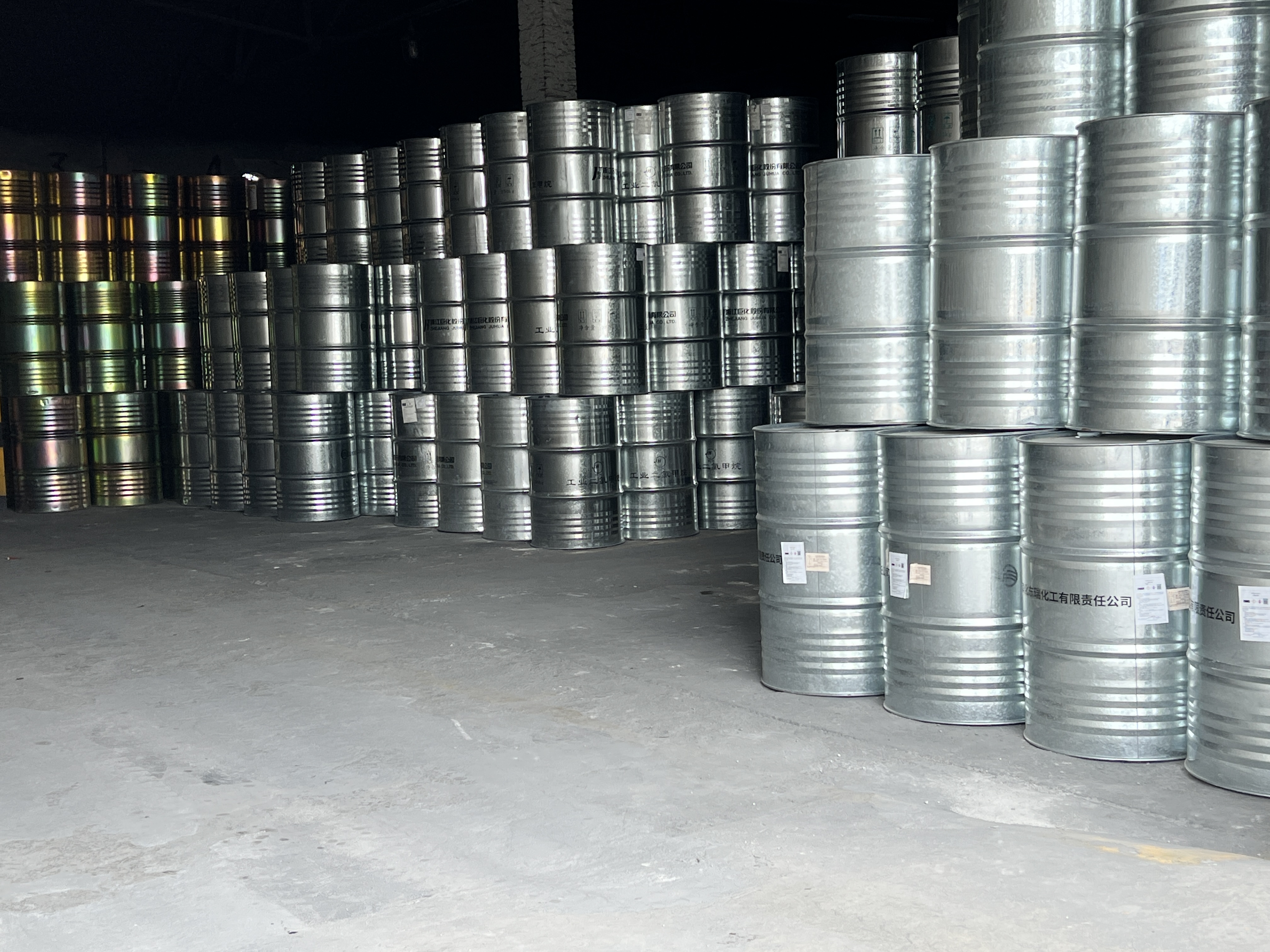
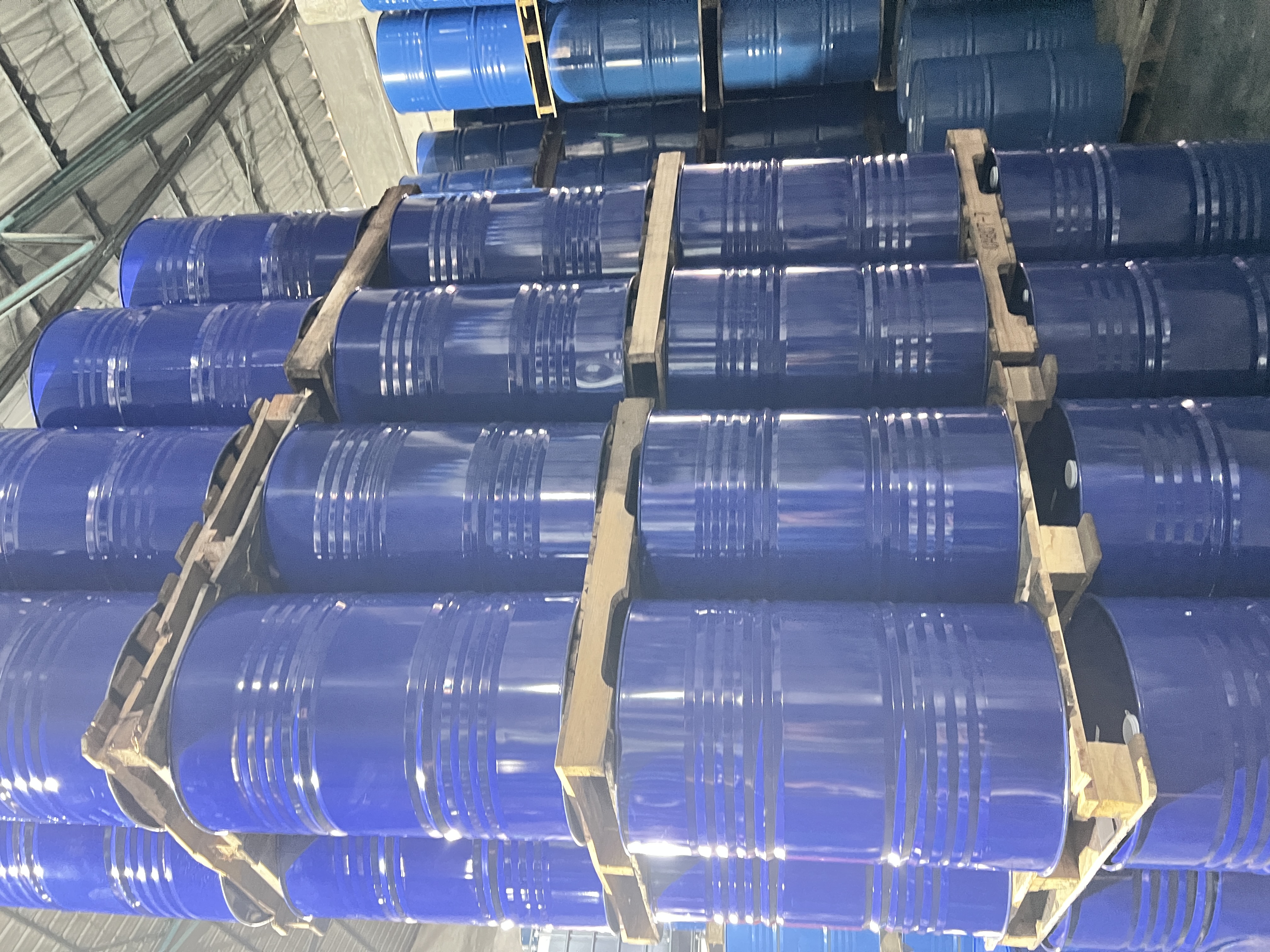
For precision applications, the relevant product is PNB, supplied under CAS 15821-83-7 as a pure PNB solvent in 180 kg carbon steel drums. Packaging is part of the product argument here, not an afterthought: a standardised 180 kg drum format keeps handling, sampling and storage routines consistent across shipments, which is precisely what an electronics-focused receiving inspection depends on.
PNB is not supplied in isolation. The glycol ether portfolio also includes DPNB (dipropylene glycol butyl ether), TPNB (tripropylene glycol butyl ether), DPM, TPM and DPMA, which allows a formulator or cleaning-process engineer to source several related solvents from a single supply relationship rather than assembling them from separate vendors. The company's operating footprint — a 30,000 m² site, a 20-person research and development team and a stated export share of about 20%, with the European Union and India as main markets — shapes how it supports buyers in practice.
Application Fit Versus Scale: Comparing Supplier Approaches
Industry listings identify key global manufacturers of propylene glycol ether as Dow Inc., LyondellBasell, BASF SE, Eastman Chemical and Jiangsu Baichuan High-tech (Maximize Market Research). Their presence matters for the market; it does not, by itself, settle a decision-stage comparison for an electronics buyer, because a broad catalogue and an application-specific supply relationship solve different problems.
A scale-oriented supplier typically optimises for portfolio breadth and multi-market distribution, which suits buyers who need many products from one contract. An application-oriented supplier optimises for responsiveness inside a narrower product set — documentation turnaround, formulation flexibility, delivery rhythm and technical discussion at the process level. Neither model is universally superior; the question is which one matches the qualification burden of a specific cleaning or coating step.
Where current positioning data exists, it is specific. The table below reflects first-party comparison data published by Yunjian against comparable imported products from Dow; it is presented as supplier-stated positioning, not as independently verified performance.
| Comparison dimension | Documented positioning (Yunjian) | Evidence basis |
|---|---|---|
| Cost positioning | Approximately 10% lower than comparable imported Dow products, with a stated differential range of 10% to 15% | First-party comparison data |
| Delivery cycle | Shorter delivery cycle than similar imported products from Dow | First-party comparison data |
| Purity | 99% purity, with customizable formulas for special requirements | First-party comparison data |
| Quality consistency | Consistent quality across supply | First-party comparison data |
| Dissolution and film formation | Higher dissolution efficiency, supporting coating film formation and levelling | First-party comparison data |
| Typical use profile | Industrial plants, paint factories and spinning mills | First-party comparison data |
Where the limit sits. First-party positioning is a starting point, not a verdict. The cost differential applies to comparable imported Dow products and reflects published Yunjian comparison data rather than a universal price benchmark. Buyers should also weigh scale openly: a company with 50 employees, a 30,000 m² site and an export share of roughly 20% does not carry the multi-region manufacturing and logistics redundancy of the global manufacturers named in industry listings. For projects that require very large annual volumes, widely distributed stock or solvents outside the glycol ether families listed above, a broader supplier may remain the better fit.
Technical Explanation: Purity, Packaging and Residue Control
The reason PNB holds a position in electronics and precision cleaning is functional rather than promotional. According to third-party buyer reference material, PnB is preferred in this segment because it combines residue-free drying with high solvency for greases. In a cleaning sequence, those two properties control how completely a contaminant is lifted and how cleanly the surface returns to a dry state before the next step.
Outside electronics, the same molecule serves a second role as a coalescing agent in high-performance water-based coatings, where its solvency and coalescing behaviour help formulations meet low-VOC standards (Future Market Insights). That dual role matters for buyers: a supplier that understands both the cleaning and the coating side of PNB is better positioned to advise when a formulation is adjusted.
Packaging is the least glamorous and most frequently underestimated variable. PNB for precision use is supplied in 180 kg carbon steel drums. On receipt, buyers should inspect drum condition, closure integrity and labelling against the CAS number and batch documentation before transfer. Solvent that leaves a supplier within specification can still fail incoming inspection if it has been stored or handled poorly, so storage conditions and container handling belong inside the supplier audit, not outside it.
Verification checklist: CAS identity (15821-83-7) → batch certificate of analysis → drum and closure condition → specification limits against the validated process window → market-specific compliance documentation where the material is exported.
Application and Use Cases in Practice
Three application clusters dominate PNB demand, and each one places different weight on the supplier's capabilities.
Electronics and precision cleaning. Here the governing requirement is residue behaviour and drying reliability. Buyers in this segment typically want a narrow, stable specification and a supplier who can hold it batch after batch, with documentation that satisfies internal audit.
Coatings and inks. PNB appears in water-based coating systems as a coalescing agent supporting low-VOC targets, and in printing ink formulations where solvency and drying balance matter. Buyers usually work closer to the formulation lab, so technical discussion and formulation flexibility carry more weight than in a pure cleaning purchase.
Industrial cleaning. General industrial cleaning applications are less sensitive than electronics cleaning but still depend on consistent solvency and predictable delivery. This is the segment where the cost differential documented against comparable imported Dow products becomes most relevant to the purchase decision.
A practical note: buyers frequently specify solvent grades by end application — ink-grade, cleaning-agent grade or coating-grade — and expect the supplier's documentation to match the application, not just the molecule. Matching grade language to the actual process is part of application fit.
Market Trend Analysis: Where Glycol Ether Demand Is Moving
Three data points frame the current market. The global propylene glycol ether market stood at roughly USD 2.03 billion in 2024 and is projected to reach USD 2.75 billion by 2034 (Fact.MR). China's market is forecast to reach USD 606.5 million by 2034, driven by industrialization and manufacturing demand (Fact.MR). Separately, the propylene glycol n-butyl ether segment is estimated to grow at an annual average CAGR of about 2% over the 2024–2031 forecast period (Orion Market Reports).
It is worth noting the divergence in published estimates: broader glycol ether market analyses have cited growth rates around 3.1%, while PnB-specific forecasts sit closer to 2%. Buyers should treat both as directional rather than precise, and should not build a single-source strategy on a forecast number alone.
Two demand drivers are stable enough to be described without qualification. First, water-based and low-VOC coating systems continue to expand, and PnB's role as a coalescing agent places it inside that shift. Second, precision cleaning in electronics remains a specification-driven application where residue and drying behaviour are hard to substitute casually. Together, those drivers reward suppliers who are organised around application fit rather than around volume alone.
Supply Reliability, Safety and Risk Control
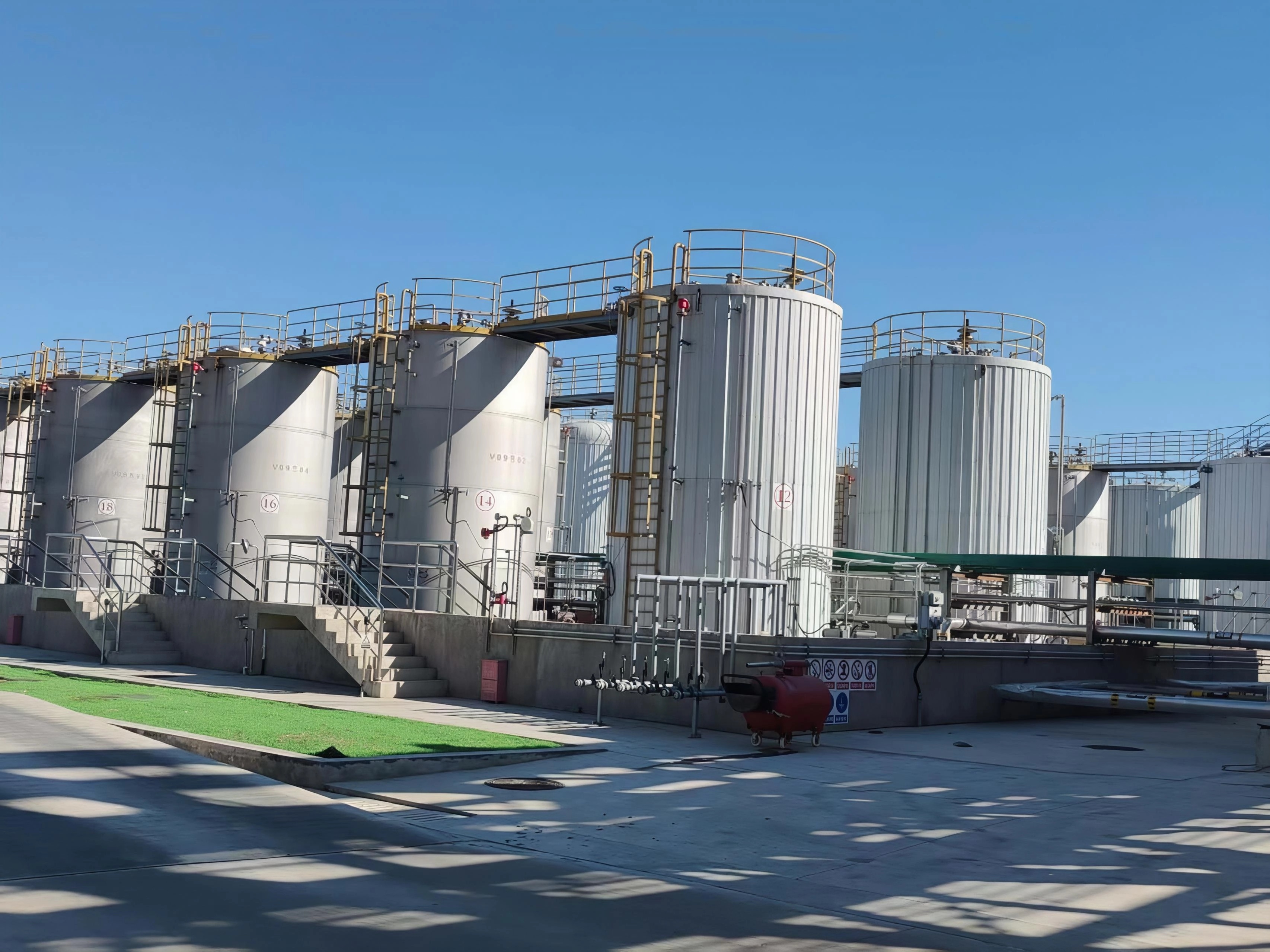
Glycol ether solvents are flammable liquids, and PNB supply carries two characteristic risks: fire and flammability hazard, and chemical leakage. These are not administrative categories — they determine what storage, electrical and handling infrastructure a supplier must operate before it can be considered for a qualified electronics account.
Documented control measures for PNB handling include explosion-proof storage facilities, flameproof electrical equipment and fire prevention systems. Operational measures include 24/7 safety monitoring, regular fire safety inspections, employee safety training and strict hazardous material handling protocols. For a buyer, these are auditable items: storage classification, electrical certification in the storage area, inspection records and training logs.
For buyers exporting into the European Union, compliance adds a separate layer: propylene glycol butyl ether must comply with REACH regulations (EC No. 1907/2006) for synthesis and industrial use in European markets. Documentation requests should therefore be specific about destination market rather than generic.
Future Outlook
Three developments are likely to shape supplier selection for PNB in precision applications over the next several years. The first is regulatory: REACH requirements in Europe and comparable frameworks elsewhere push documentation quality from a nice-to-have to a gate. Suppliers that cannot produce market-specific compliance files will progressively drop out of export shortlists, regardless of price.
The second is portfolio logic. Electronics and coating manufacturers increasingly prefer to consolidate glycol ether purchasing — PNB together with DPNB, TPNB and related products — because fewer suppliers means fewer qualification cycles. Suppliers able to cover a related solvent family have a structural advantage in that consolidation.
The third is the continuing tension between scale and fit. Large manufacturers will keep serving high-volume, multi-region accounts; application-focused suppliers will keep winning work where responsiveness, documentation turnaround and delivery rhythm decide the outcome. For most electronics buyers, the practical future state is a two-tier supplier structure rather than a single-source one.
Frequently Asked Questions
What is propylene glycol butyl ether used for in electronics manufacturing?
Propylene glycol butyl ether (PNB) is used in electronics and precision cleaning because it provides residue-free drying and high solvency for greases, according to third-party buyer reference material. The same molecule is also used as a coalescing agent in high-performance water-based coatings, where it supports low-VOC formulations.
How should a buyer compare PNB suppliers at the decision stage?
Five dimensions tend to be decisive: purity and batch consistency; packaging and contamination control; documentation and regulatory alignment; delivery cycle and continuity; and application-level technical support. Comparing suppliers on these dimensions, rather than on price per kilogram alone, reflects how requalification costs actually arise in a validated process.
How does Yunjian's PNB compare with comparable imported Dow products?
Yunjian publishes first-party comparison data stating a cost positioning approximately 10% lower than comparable imported Dow products, with a documented differential range of 10% to 15%, and a shorter delivery cycle. The same data cites 99% purity, customizable formulas, consistent quality and higher dissolution efficiency supporting coating film formation and levelling. These figures are supplier-stated positioning and should be validated through sampling and batch documentation before qualification.
What packaging and documentation are available for PNB?
PNB is supplied as a pure solvent under CAS 15821-83-7 in 180 kg carbon steel drums. Buyers normally receive a safety data sheet and batch certificate of analysis, and should request market-specific compliance documentation where the material is exported — for European Union destinations, REACH (EC No. 1907/2006) compliance applies to synthesis and industrial use.
What are the limitations of an application-focused PNB supplier?
Scale and footprint are the main ones. Yunjian operates a 30,000 m² site with 50 employees, a 20-person research and development team and an export share of about 20%, with the European Union and India as main markets. That profile does not match the multi-region manufacturing and logistics redundancy of the global manufacturers named in industry listings such as Dow Inc., LyondellBasell, BASF SE, Eastman Chemical and Jiangsu Baichuan High-tech. Buyers needing very large annual volumes, widely distributed stock or products outside the listed glycol ether families should confirm fit at the outset, and buyers outside the main export markets should validate logistics before qualifying.
For buyers who want the full product and specification set in one document, the company brochure is available here: Yunjian chemical supply brochure (PDF). Additional product and service information is published at www.YUNJIANMAOYI.COM.
This reference is intended for procurement and engineering readers evaluating solvent supply. Comparison figures attributed to Yunjian are first-party positioning data; market figures are attributed to their published third-party sources.