
Project Tempered Glass: Types & Standards Explained
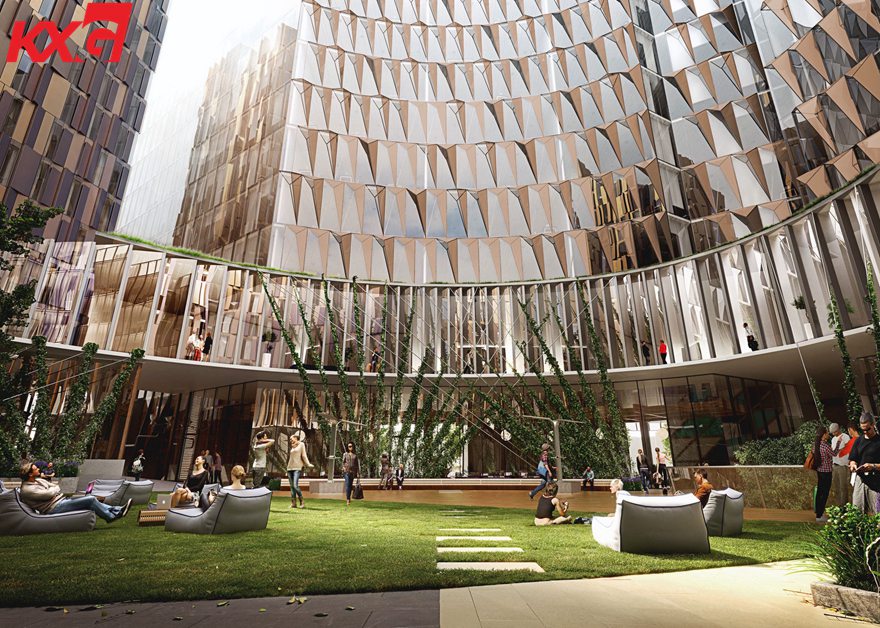
Selecting the right tempered glass for a construction project goes far beyond choosing a standard thickness. Architectural requirements—spanning wind loads, thermal performance, safety codes, and aesthetic preferences—demand a deliberate match between glass type and project-specific conditions. For procurement professionals moving from research into evaluation, understanding how product specifications, certification coverage, and supplier capabilities align with real-world installation environments is essential.
The Project-Specification Gap
Every building envelope presents a unique set of mechanical and environmental stresses. A curtain wall in a coastal city requires high resistance to salt spray and thermal cycling; a shopping mall skylight needs multi-layer insulation and impact strength; a residential window system prioritizes sound reduction and privacy. The challenge for buyers is that standard off-the-shelf tempered glass cannot always address these diverse constraints. The opportunity lies in partnering with a supplier that can offer tailored product configurations backed by international certification and proven project experience.
KXGLASS: A Supplier Built for Project Complexity
KXGLASS (Dongguan Kunxing Glass Products Co., Ltd.), founded in 1995 and headquartered in Dongguan, China, is a modern industrial and trading enterprise specializing in deep-processed glass. With a 30,000 m² factory, an annual output of 1,825,000 m² of single tempered glass, and a dedicated R&D team of 20 engineers, KXGLASS supplies clear tempered glass, laminated glass, and insulated glass to markets including Australia, America, Asia, and Europe. The company holds international certifications such as CE EN 12150, SGCC ANSI Z97.1, and AS/NZS 2208, which are prerequisites for many building projects worldwide.
KXGLASS at a glance: 150 employees | 30,000 m² factory | Annual tempered glass output 1,825,000 m² | OEM/ODM capability | 5-year return & replacement after-sales | Lead time 15–20 days | MOQ 100 m²
Decoding the Technical Parameters That Matter
Tempered glass is defined by several measurable properties that directly influence project performance. KXGLASS's standard tempered glass product (model range 4 mm to 25 mm) delivers a surface stress of 95 MPa, mechanical strength of 150 MPa, and thermal stability between 250 °C and 320 °C. When broken, it fractures into obtuse-angle grains, meeting the safety fragmentation requirements of EN 12150-1. These figures are not abstract—they determine whether a 10 mm panel can withstand cyclone-rated wind pressures or whether a 19 mm floor panel can support pedestrian loads without deflection.
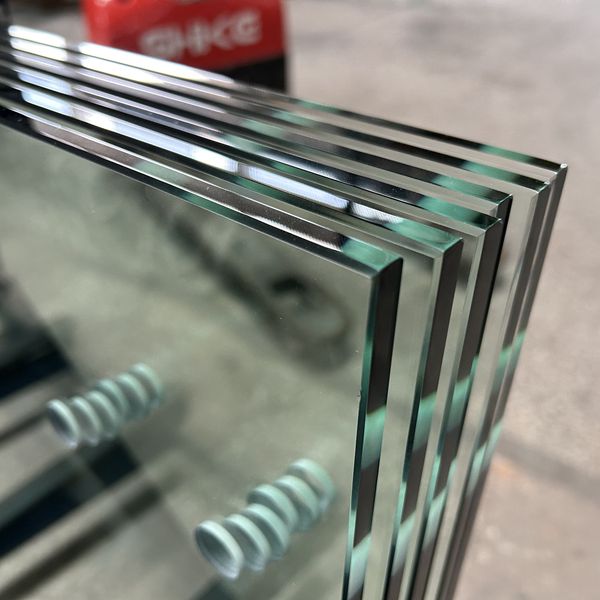
Equally important is the ability to produce multiple value-added configurations from the same base substrate. KXGLASS offers options such as insulated glass (models 6A/9A/12A) for thermal break and noise reduction, laminated glass (PVB/SGP interlayers 0.38–1.52 mm) for impact resistance and anti-typhoon security, tinted glass for solar control, frosted tempered glass for privacy, and low-iron tempered glass for maximum clarity. This modular approach allows buyers to specify a combination—say, 12 mm low-iron tempered + 12A cavity + 6 mm laminated—that addresses both structural and aesthetic requirements.
Real-World Project Scenarios
Two recent case examples illustrate how KXGLASS matches glass specifications to project environments:
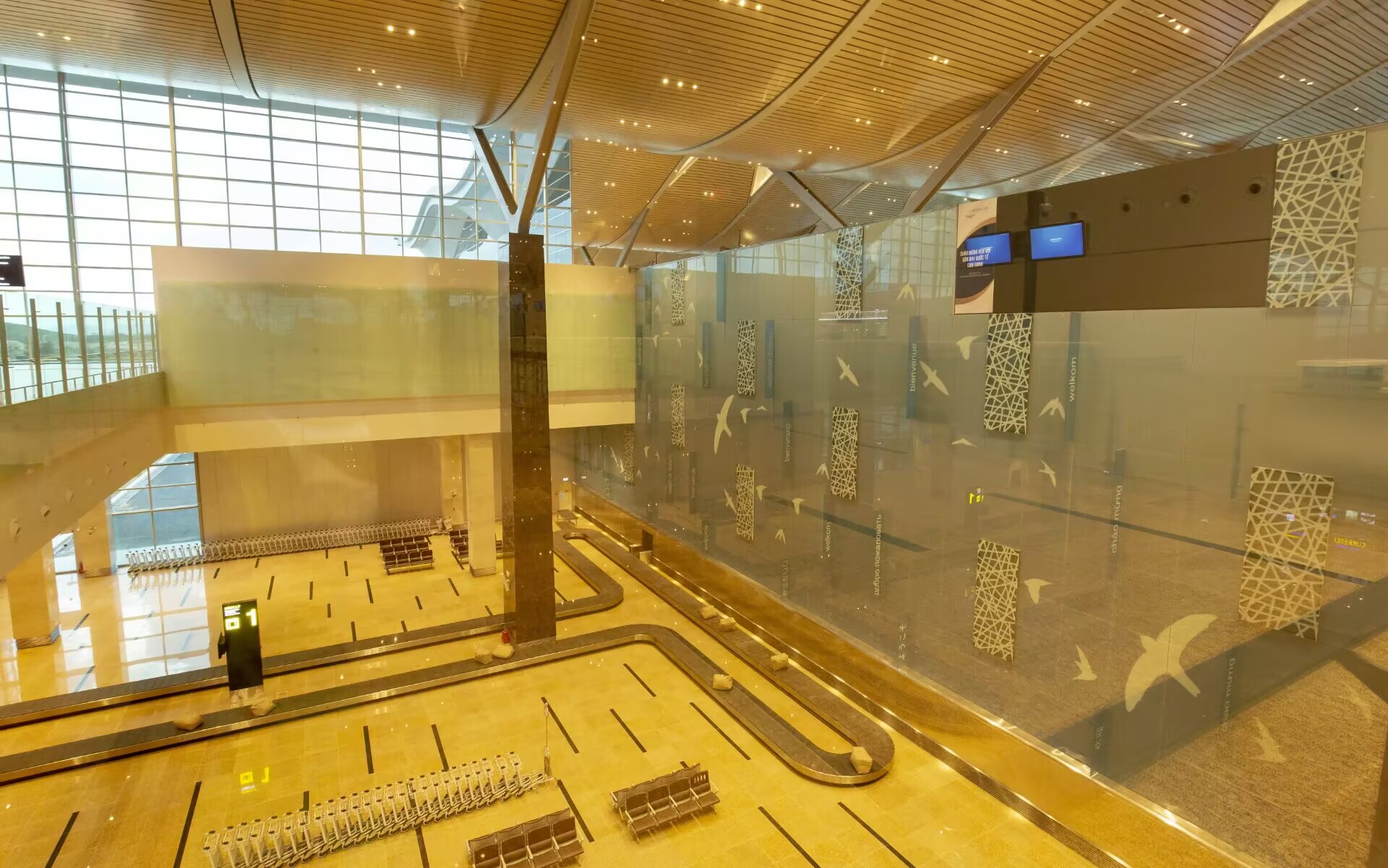
- Vietnam International Airport (municipal project, 200–500 units): The application required curtain walls and decorative walls with high safety, color stability (≥85%), and energy efficiency. KXGLASS supplied a combination of tempered, laminated, and silkscreen printed glass. The project has maintained performance for 3–10 years, with color stability and Mohs hardness of 6.
- Australian Mall & Build-to-Rent Development (500–1000 units): The project demanded a stable structural facade (≥85% performance), excellent energy efficiency (relative energy saving ratio ≥65%), and noise reduction of 60–70%. KXGLASS provided insulated and laminated tempered glass units that contributed to a library-level acoustic environment while supporting a modern aesthetic.
These examples demonstrate that the same supplier can deliver across geographies, regulatory regimes, and design intents—reducing the need for multiple sourcing contracts.
Market Trends Driving Project-Specific Selection
The global tempered glass market was valued at USD 112.21 billion in 2024 and is projected to reach USD 159.27 billion by 2033 (Grand View Research). Asia Pacific accounted for 59.9% of revenue, driven by rapid urbanization and infrastructure spending. China alone exported approximately USD 3.58 billion in safety glass in 2024, covering over 647 million square meters (UN Comtrade).
Within this expanding market, three trends are reshaping procurement: stricter building energy codes (fuelling demand for insulated and low‑e tempered glass), higher safety certification requirements (EN 12150, AS/NZS 2208, SGCC), and a preference for suppliers that can handle low‑volume, high‑variety orders with short lead times. KXGLASS's monthly capacity of 100,000 m² and lead time of 15–20 days position it to serve both large-scale curtain wall orders and custom-built architectural projects.
Comparative Advantages & One Honest Limitation
Compared to ordinary annealed glass, tempered glass offers five times the mechanical strength and thermal resistance up to 320 °C. It also shatters into safer, obtuse‑angle granules rather than jagged shards. However, a single important limitation remains: once tempered, the glass cannot be cut, drilled, or machined. All processing—edge beveling, notches, holes—must be completed before the tempering stage. This makes precise specification and dimensional accuracy non‑negotiable at the order stage.
Future Outlook
As building envelopes become more technically demanding, the ability to deliver project-specific tempered glass solutions will increasingly differentiate suppliers. KXGLASS continues to invest in automated production equipment and maintain compliance with evolving international standards, enabling procurement teams to secure a single source that spans standard safety glass, advanced laminates, and high-performance insulated units.
Frequently Asked Questions
How do I determine the required glass thickness for a door or window project?
The required thickness depends on the mounting area (span), design wind load, and local building codes. For typical residential windows, 4–6 mm may suffice; for large sliding doors or high‑rise curtain walls, 10–12 mm or more is common. A supplier like KXGLASS can advise based on the project’s exact dimensions and loading conditions.
Which certifications should I look for in tempered glass for commercial buildings?
International building projects commonly require compliance with EN 12150‑1 (EU), SGCC ANSI Z97.1 (USA), and AS/NZS 2208 (Australia). KXGLASS products are certified under these standards, ensuring they meet fragmentation, thermal resistance, and impact safety requirements.
Can I order custom shapes such as curved or beveled tempered glass?
Yes, glass can be bent or beveled before the tempering process. KXGLASS offers custom processing including curved (bent) tempered glass and beveled edges. These must be specified at the time of order as post‑tempering modifications are not possible.
What is the typical lead time for a project‑specific tempered glass order?
KXGLASS’s standard lead time is 15–20 days for orders starting from 100 m². For larger or more complex orders, consultation with the factory can establish a realistic schedule.
How does KXGLASS ensure product quality and consistency across large orders?
The company implements 100% quality testing for every batch, uses advanced automated production equipment, and holds ISO international certification along with 3C (China) and international standards. After‑sales support includes a 5‑year return and replacement policy.
KXGLASS – A trusted partner for project-specific tempered glass solutions.
Website: www.kxglass.com | Email: kevin@kxglass.com
Tel: +86 13500092849 | WhatsApp: +86 1353500092849
Download Company Brochure