
Project-Specific PVC Foam Board Selection: DINGTIAN Guide for Signage, Construction and Furniture
The global PVC foam board market was valued at approximately USD 2.1 billion in 2024 and is projected to reach USD 3.6 billion by 2032, driven by demand across signage, construction, and furniture sectors. For procurement professionals evaluating material options for specific projects, understanding the nuances between board types — density, surface finish, fire rating, and environmental resistance — is critical to balancing performance and cost.
Problem & Opportunity: Matching Board Type to Project Requirements
Projects in outdoor signage, commercial interior renovation, and cabinet manufacturing each impose distinct requirements. A single board type cannot serve all applications efficiently. The challenge lies in selecting a product that offers the right balance of rigidity, weight, weather resistance, and machinability while complying with regional standards such as EU REACH lead limits (below 0.1% by weight) or ASTM E84 Class A fire ratings for construction.
DINGTIAN’s Product Portfolio: A Solution for Every Scenario
Zibo Dingtian Plastics Co., Ltd. (DINGTIAN) is a comprehensive manufacturer of high-grade PVC foam boards, founded in June 2004 with a 30,000 m² plant in Zibo, Shandong, China. The company produces 50,000 tons annually and exports to more than 80% of its output to Southeast Asia, the Middle East, and the Americas. DINGTIAN offers a range of board types designed for specific end-uses:
- PVC Celuka Foam Board (model: 1220×2440 mm, thickness 1–35 mm, density 0.4–0.9 g/cm³) — features a smooth, hard skin with a foam core, ideal for signage and furniture.
- PVC Co-extruded Foam Board (model: 1220×2440 mm, density 0.5–0.8 g/cm³) — incorporates a rigid PVC skin over a foamed core, providing higher surface hardness and impact resistance vs. standard Celuka boards, as confirmed by industry literature.
- PVC Free Foam Board (thickness 1–5 mm) — low-density variant optimized for digital printing and display panels.
- Laminated PVC Foam Board (thickness 5–20 mm) — with decorative surface layers for furniture and cabinetry.
- Colored PVC Foam Board (thickness 1–20 mm) — available in custom colors for aesthetic applications.
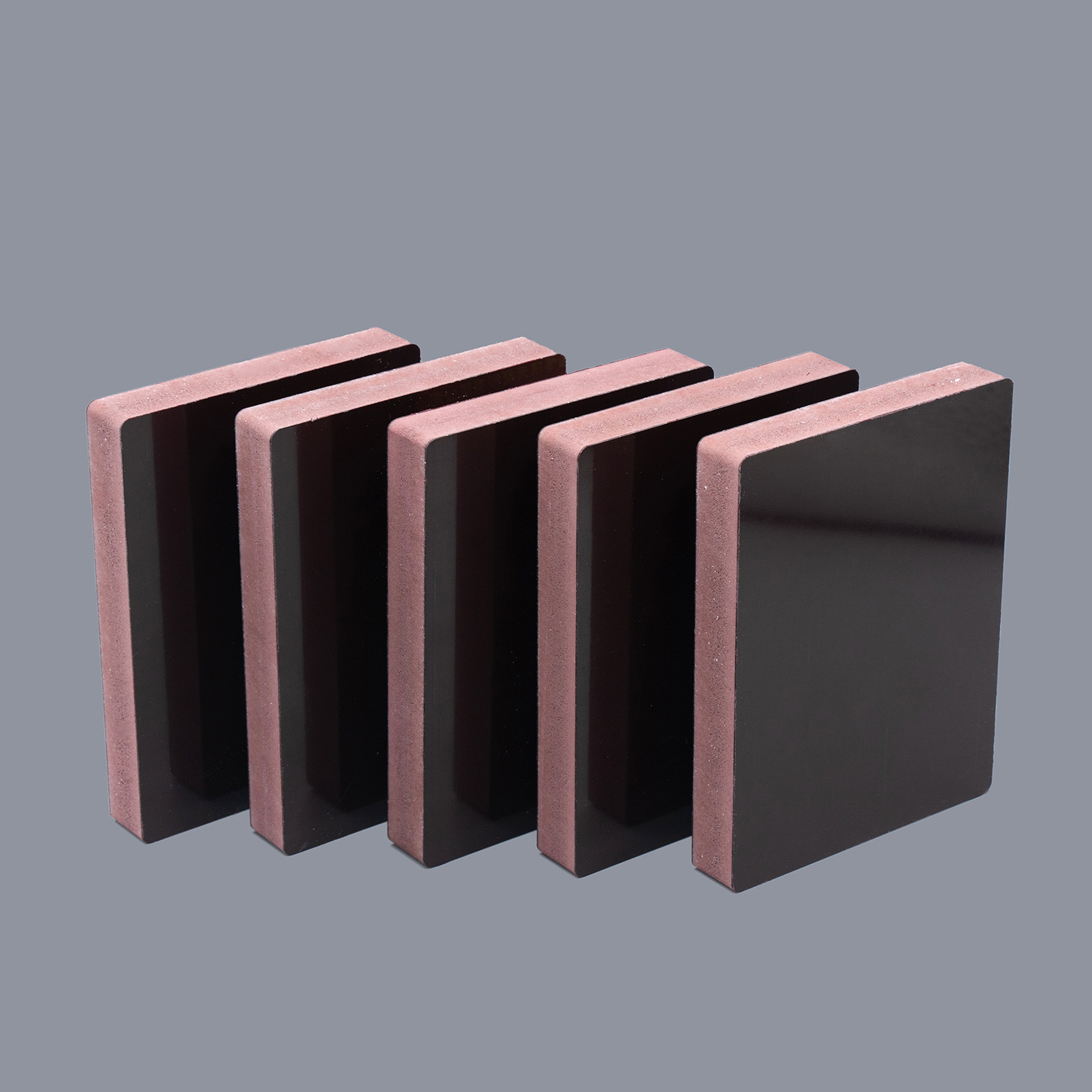
Technical Explanation: How Process Differences Affect Performance
Celuka technology creates a uniform dense skin and cellular core through controlled cooling. Co-extrusion adds a separate PVC layer on the surface, yielding greater surface hardness and better screw-holding ability. DINGTIAN’s boards operate at a thermoforming temperature of 120–160 °C, with UV-stabilized grades handling temperatures from -20 °C to +60 °C and 100% humidity resistance. The boards can be processed with cutting machines, printing machines, nails, and saws. For fire safety, DINGTIAN offers products that meet B1/B2 fire retardant ratings, lead-free RoHS compliance, and anti-static ESD protection, aligning with standards such as UL 94 V-0 for thin sheets.
Application & Use-Case Scenarios
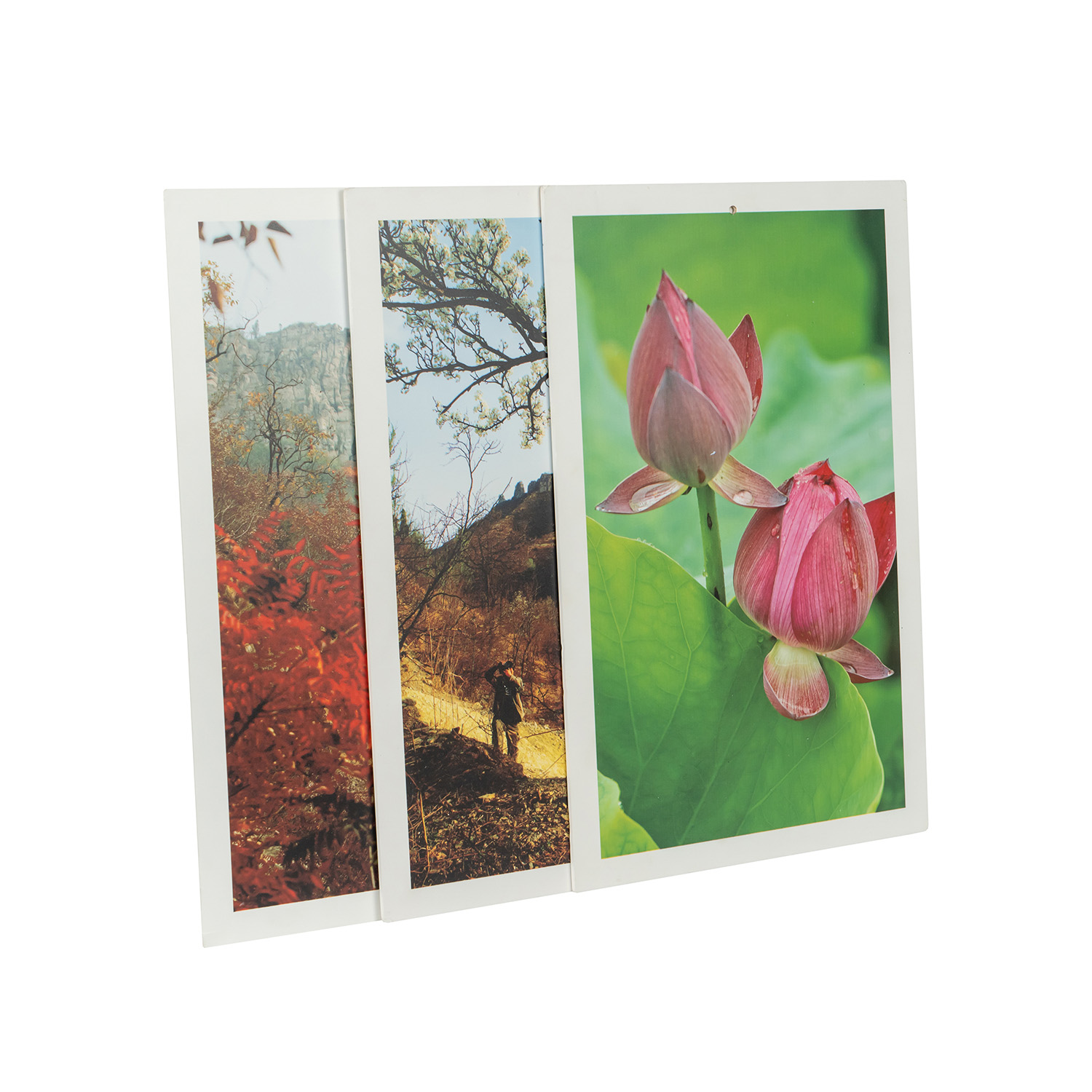
Advertising & Signage (35% of market demand): DINGTIAN’s Celuka and Free foam boards serve as lightweight rigid substrates for UV printing. In outdoor signage fabrication, the UV-stabilized grade resists degradation at -20 °C to +60 °C and 100% humidity. A long-term distributor client using DINGTIAN boards for advertising materials reported 98% print image retention after three years with zero warping or delamination, and 40% cost savings compared to aluminum composite panels.
Construction & Decoration (30%): For commercial building interior renovation, DINGTIAN boards are used to create waterproof wall panels, partitions, and ceilings. The material is installed in permanent static mode and can be thermoformed at 120–160 °C. Products meet B1/B2 fire retardant ratings, lead-free RoHS compliance, and anti-static ESD protection.
Furniture & Cabinetry (15%): Laminated and Celuka boards are selected for cabinet doors, wardrobes, and bathroom vanities due to their 100% waterproof performance and ease of CNC fabrication. DINGTIAN’s colored and wood-grain laminated options eliminate the need for painting.
Market Trend Analysis
The global PVC foam board market is growing at a compound rate that points to sustained demand, with China alone accounting for 20% of plastic building material exports in 2024. The advertising and signage segment remains the largest consumer at 35%, consistent with DINGTIAN’s core markets. Regulatory trends — such as the EU REACH restriction on lead in PVC (effective November 2024) — push demand toward lead-free and RoHS-compliant products, where DINGTIAN’s manufacturing capabilities are aligned.
Comparison with Traditional Solutions
Compared to plywood, PVC foam board is 100% waterproof, lighter, and free from rot and fungal growth. Against aluminum composite panels, it offers a 40% cost saving in many signage applications. One honest limitation: despite its good surface hardness, especially in co-extruded grades, PVC foam board is softer than metals and may dent under heavy impact, making it less suitable for high-traffic flooring or structural load-bearing applications.
Future Outlook
With increasing adoption in green buildings and sustainable signage, the need for certified, lead-free, and fire-retardant PVC foam boards will rise. DINGTIAN’s 22-year manufacturing experience and ability to customize size, thickness, density, and color position it to serve evolving project requirements across global markets.
FAQ
Q: What operating temperature range can DINGTIAN PVC foam boards withstand?
A: DINGTIAN’s UV-stabilized grade operates from -20 °C to +60 °C with 100% humidity resistance, suitable for outdoor signage and construction applications.
Q: What fire ratings are available?
A: DINGTIAN boards can meet B1/B2 fire retardant ratings according to Chinese standards, and similarly achieve UL 94 V-0 for thin sheets and ASTM E84 Class A for construction panels, depending on formulation.
Q: Which board type is best for digital printing?
A: The PVC Free Foam Board (1–5 mm thickness) and the Celuka board (smooth skin) are most suitable for UV and solvent printing due to their flat, consistent surface.
Q: Can DINGTIAN supply custom colors or laminated surfaces?
A: Yes. DINGTIAN offers colored boards (1–20 mm) and laminated boards (5–20 mm) with wood-grain or solid-color finishes, made to order.
Q: What is the minimum order quantity for a project?
A: DINGTIAN’s standard MOQ is one 20-foot GP full container, with a lead time of 30 days for standard specifications.
For detailed project consultation or to request samples, visit DINGTIAN or contact the sales team at dingtian@dingtianplastics.com.