
Project-Specific IML Selection: From Dairy to Industrial Packaging
In-mold labeling (IML) is not a one-size-fits-all technology. A film formulation optimized for a yogurt cup may fail under the chemical exposure of a paint bucket, while a label designed for hot-fill beverages might delaminate in a frozen ice cream environment. For procurement professionals moving from research to evaluation, matching IML material, printing, and compliance to the specific end-use project is the critical step that determines both product integrity and brand equity.
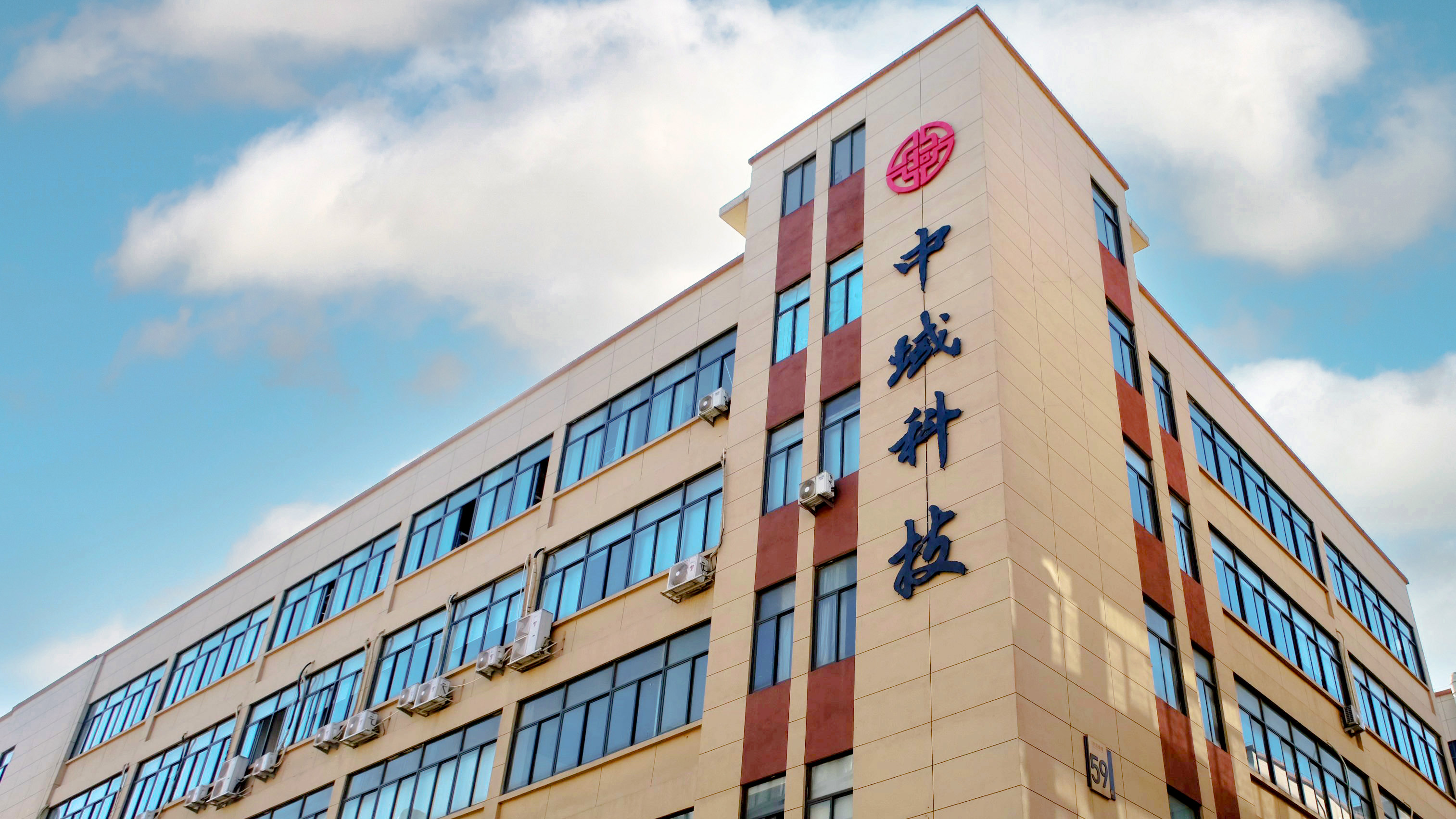
YZY (Zhejiang Zhongyu Technology Co., Ltd.) is a specialized manufacturer of in-mold labels with 16 years of production experience, a 20,000 m² facility, and certifications including BRCGS, ISO 22000, QS, and FDA 21 CFR compliance. Its ZY-IML Series covers food-grade, daily chemical, and industrial-grade variants, offering a range of film types, surface finishes, and custom capabilities that allow buyers to dial in the exact label for each application.
The Core Challenge: One Application, Many Requirements
IML labels must simultaneously meet mechanical performance (adhesion, scratch resistance, dimensional stability), environmental resistance (temperature, moisture, chemicals), and regulatory compliance (food contact safety, migration limits). The optimal solution depends on the container material, the filling process, and the end-use environment. According to Grand View Research, food and beverage applications accounted for over 41.3% of IML revenue in 2023, while injection molding—the dominant process—held a 57.1% market share. These numbers underline how deeply IML is tied to specific production and consumption scenarios.
YZY's ZY-IML Series: A Configurable Platform for Project Fit
YZY’s ZY-IML Series is designed as a modular system of films, inks, and finishes that can be stacked to meet project-specific needs. The product parameters provide a clear starting point for specification:
- Film Materials: Virgin PP (polypropylene), PE (polyethylene), PET, and multi-layer composite films — all available in food-grade variants.
- Film Thickness: 30–100 μm, customizable within that range.
- Printing: 8-color high-precision rotogravure with ±0.1 mm registration accuracy, using food-grade low-migration water-based ink.
- Adhesion Strength: ≥5 N, designed to survive high-speed injection molding without peeling.
- Temperature Range: −20 °C to 120 °C, covering cold chain storage and hot-fill processes.
- Surface Finishes: Glossy, matte, orange peel, holographic, metallic, and custom textures.
- Certifications: FDA 21 CFR, BRCGS Packaging Materials, ISO 22000, QS, and EU 10/2011 migration test compliance.
The ability to mix and match these parameters means a single product family can serve dramatically different end uses.
Application Scenarios and Matching Configurations
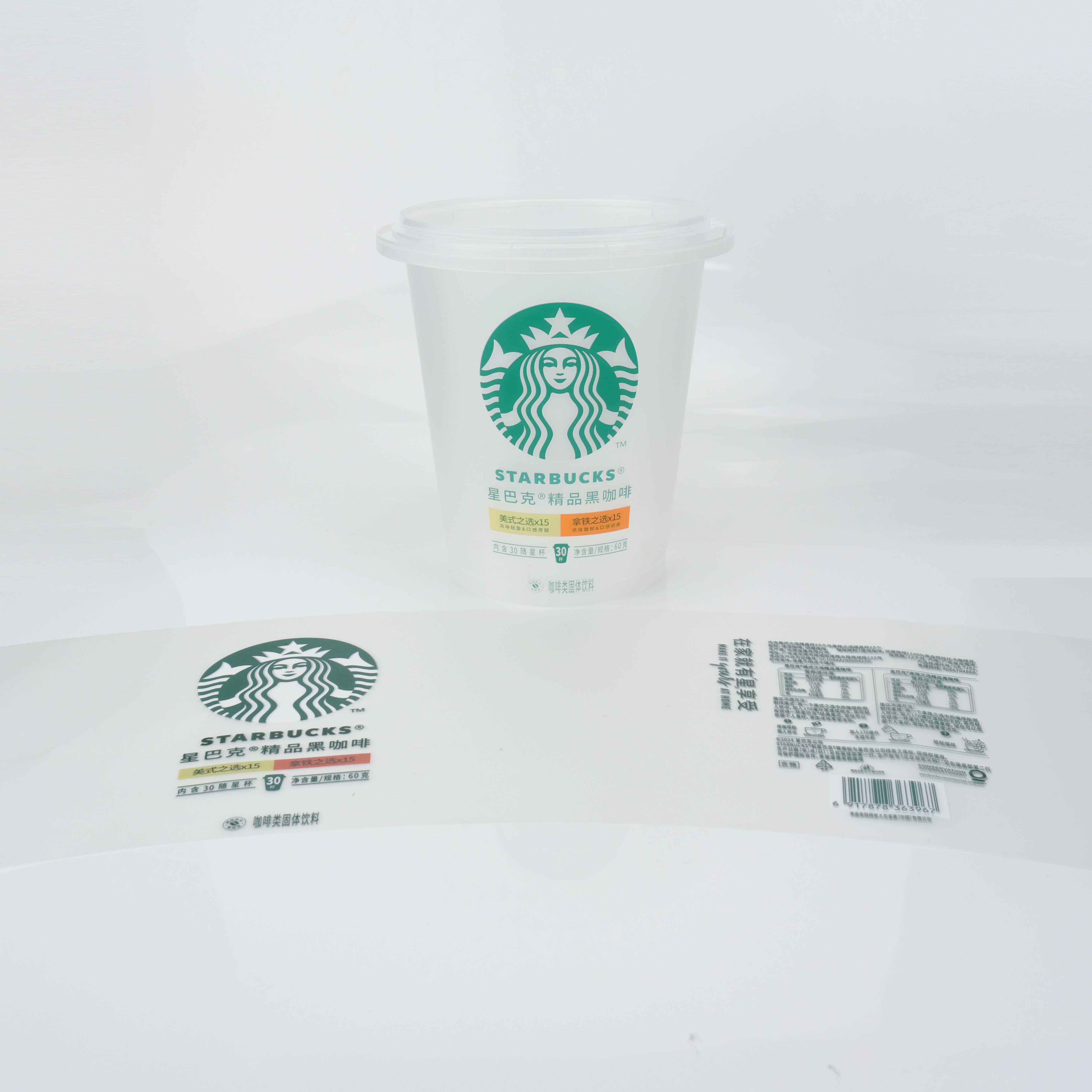
Each of the following scenarios illustrates how specific product attributes are selected to solve real-world constraints:
🥛 Yogurt Cup & Cold Beverage (Food Contact, Cold Chain)
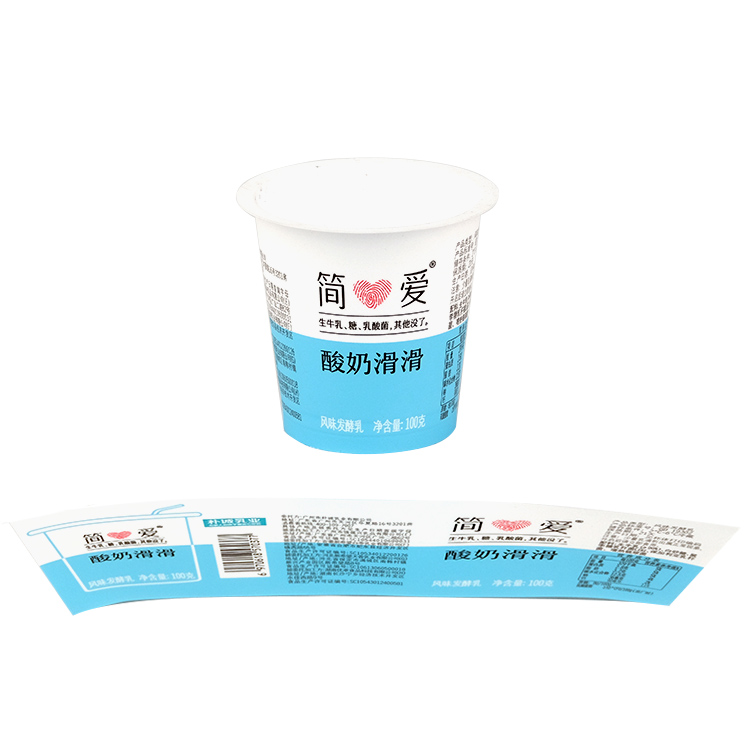
Requires FDA-compliant, low-migration inks and a film that withstands condensation and refrigeration without delamination. YZY recommends food-grade PP or PE film (30–50 μm) with glossy or matte finish, printed with water-based inks. The temperature range of −20 °C to 120 °C ensures integrity from freezer to warm filling. In a documented case with an international dairy brand, YZY delivered 100% on-time rate and zero quality complaints over a one-year project.
🎨 Paint Bucket (Industrial, Chemical Exposure)
Industrial-grade labels must resist solvent spills, moisture, and abrasion. The ZY-IML Series offers scratch resistance up to 4H (pencil hardness) and chemical resistance to weak acids, alkalis, and common detergents. Multi-layer composite films with a tensile strength ≥20 MPa provide the necessary durability for 20-liter pails. Labels are available in orange peel or matte finishes to hide surface imperfections.
🧊 Ice Cream Container (Cold Chain, High Moisture)
Similar to yogurt cups but often requiring a higher-gloss aesthetic for brand appeal. The complex white gloss or transparent gloss laminated films deliver vibrant print while maintaining adhesion in sub-zero conditions. The ≤5 N adhesion strength is verified in high-speed injection molding to prevent label drop-off.
🥤 Bubble Tea Cup & Plastic Container (Thermoforming)
For thermoformed containers, YZY offers thin-gauge films (30–40 μm) that conform to deep-draw shapes. The printing precision of ±0.1 mm ensures fine text and logos remain legible even on contoured surfaces.
Market Trend: The Drive Toward Application-Specific Customization
The global IML market is projected to grow from USD 2.31 billion in 2023 to USD 3.14 billion by 2030 (CAGR 4.6%, Grand View Research). Asia-Pacific led with 42.8% revenue share in 2025, driven by expanding dairy and paint sectors in China and India. Meanwhile, polypropylene (PP) holds 47.2% of the material segment due to its recyclability and compatibility with plastic containers. These trends reinforce the need for suppliers who can tailor IML solutions — material, finish, compliance — to specific regional and application requirements.
YZY’s production capability — 350 million pcs/month with a 15–20 day lead time after sample confirmation and MOQ of 2,000 m² — positions it to serve both high-volume dairy runs and medium-volume industrial orders. The company holds 48 patents and operates a laboratory that performs random compliance testing against FDA and GB standards.
Comparison with Traditional Labeling Methods
Compared to wet glue or pressure-sensitive labels, IML eliminates post-mold labeling steps and delivers a seamless, durable bond that resists peeling, moisture, and abrasion. It also enables fully recyclable containers when using mono-material PP labels. However, one honest limitation is the higher tooling and film cost for small runs — IML is most cost-effective at medium to high volumes (typically > 50,000 units), whereas smaller batches may favor pressure-sensitive labels. Buyers should evaluate total cost of ownership, including scrap reduction and downstream efficiency.
Future Outlook
As regulations tighten (EU 1935/2004 food contact framework) and brand owners demand higher visual appeal and sustainability, IML adoption is expected to accelerate in new segments like cosmetics and pharmaceuticals. Suppliers like YZY that combine multi-material film options, food-grade compliance, and production scalability will be well-positioned to serve project-specific requirements across the packaging spectrum.
Frequently Asked Questions
1. What film materials are available for food-contact IML projects?
YZY's ZY-IML Series offers virgin PP (polypropylene), PE (polyethylene), PET, and multi-layer composite films, all available in food-grade variants. The material choice depends on the container resin, desired transparency, and temperature requirements.
2. Which certifications are required for IML labels used in food packaging?
Key certifications include FDA 21 CFR (US), BRCGS Packaging Materials, ISO 22000, QS (China), and EU 10/2011 migration test compliance. YZY holds all of these, ensuring labels meet global food-contact safety standards.
3. How does IML compare to wet-glue labels for industrial applications like paint buckets?
IML creates a permanent bond that resists solvent spills, moisture, and abrasion, whereas wet-glue labels may peel or smudge. However, IML requires higher initial tooling investment and is most cost-effective for medium to high volumes.
4. Can IML labels withstand hot-fill and frozen storage temperatures?
Yes, the ZY-IML Series operates from −20 °C to 120 °C, making it suitable for cold-chain items like ice cream containers and hot-fill beverages like tea or juice.
5. What is the typical lead time and MOQ for custom IML orders?
YZY offers a lead time of 15–20 days after sample confirmation. The minimum order quantity (MOQ) is 2,000 m². Monthly production capacity is 350 million pieces, suitable for both large-scale dairy projects and medium-volume industrial orders.
For detailed technical specifications and case-specific recommendations, download YZY’s complete product brochure:
Download Brochure (PDF)This article is for informational purposes only and does not constitute a binding offer. All product specifications are based on YZY's published data as of July 2026.
¿Tiene preguntas o necesita más detalles?
Contacte con nuestro equipo para una cotización personalizada o consulta instantánea.
Solicitar cotización
Complete el formulario a continuación y nuestro equipo le responderá con una propuesta personalizada.
Chat directo de WhatsApp
¿Prefiere chatear en tiempo real? Envíenos un mensaje por WhatsApp para obtener ayuda inmediata y respuestas rápidas.
- Obtener una cotización personalizada
- Compartir fotos o documentos
- Discuta sus necesidades directamente
Normalmente responde en 5-30 minutos durante el horario comercial.