
Project Conditions Decide Waterproof Connector Accessory Specs
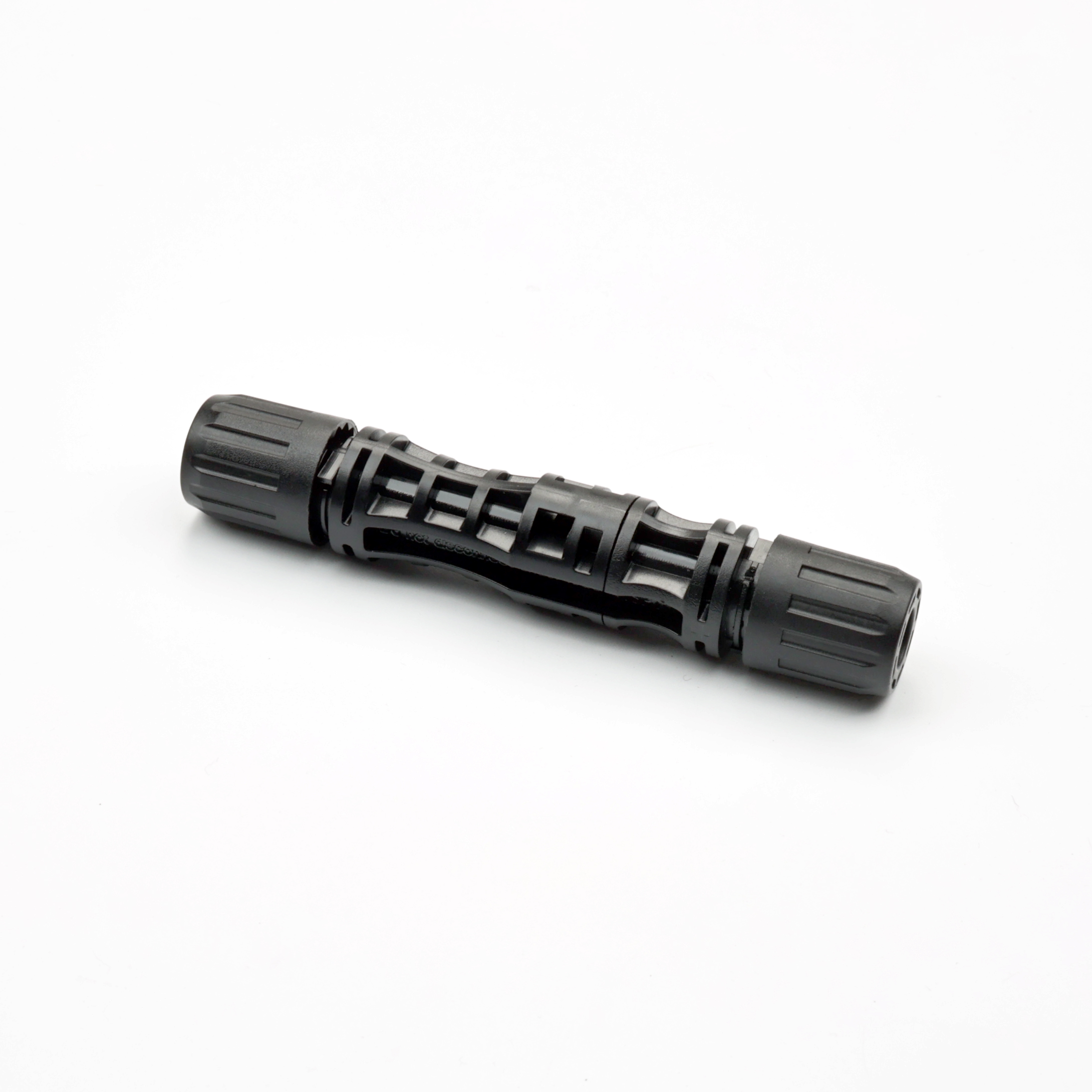
Solar MC4 1500V connector designed for photovoltaic DC power systems.
A cable gland that performs well on a factory floor can fail within months on a coastal EV charging pile. The difference is rarely product quality alone; it is whether the accessory specification was matched to the actual project environment. For buyers researching waterproof electrical connector accessories, the practical question is not only which thread size fits, but which material, sealing level, temperature rating, and certification set will hold up at the specific site.
Why the Same Accessory List Fails on Different Sites
Outdoor and industrial projects share a common requirement: cable entries must stay sealed against water, dust, and mechanical stress. But site conditions differ in ways that are easy to underestimate. A desert PV plant faces high surface temperatures, UV radiation, and wind-blown sand. A coastal charging station faces salt fog, high humidity, and vibration from traffic or marine environments. An industrial cabinet may face oil, chemicals, or wide temperature swings.
Most conventional selection processes treat a cable gland as a commodity: choose a thread, choose an IP rating, and match the cable diameter. This simplified process tends to ignore the interaction between material and environment. For example, standard nylon may be adequate indoors, but in high-UV outdoor environments the housing can become brittle over time unless UV-stabilized. Similarly, a connector rated IP67 may resist splashing water but may not be suitable for continuous immersion or high-pressure washdown, which is the domain of IP68. The distinction is not marketing; it is defined by IEC 60529 test conditions.
Documented project data shows how large the impact can be. In a Middle Eastern PV project, a switch to UV-modified PA66 photovoltaic connectors reduced the connector damage rate from 8% per year for the original imported products to below 1.2%. Connection-related downtime fell by 70%, and cumulative savings in maintenance and generation losses exceeded 80,000 USD. In a European coastal EV charging project, IP68-grade metal waterproof connectors reduced the connector-related electrical failure rate from 18% per year to 2.6%. Annual maintenance cost per station dropped from over 500 RMB to below 80 RMB, and installation efficiency for new stations increased by 35%.
The opportunity is clear: project-level matching of waterproof electrical connector accessories can convert a frequent failure point into a manageable, predictable part of the system.
What Project Fit Means for Waterproof Electrical Connector Accessories
Project fit is not a single parameter. It is a combination of environmental, mechanical, electrical, and compliance requirements that together determine whether a connector accessory will perform for the intended service life.
For cable glands and solar MC4 connectors, the relevant dimensions include:
- Environmental exposure: UV, salt spray, humidity, chemicals, and temperature extremes.
- Mechanical demands: cable pull-out resistance, vibration, impact, and installation torque.
- Electrical requirements: rated voltage, current, contact resistance, and insulation behavior.
- Interface compatibility: thread standard, thread size, cable diameter range, and enclosure design.
- Regulatory and project compliance: IP rating, material declarations, and recognized test standards.
A practical way to frame this is to define project acceptance criteria before contacting suppliers: what minimum IP rating is required, what temperature range the component must survive, which thread standards the installing team is familiar with, and what test documentation the client will accept. These criteria become the basis for supplier qualification and incoming inspection.
Zhejiang Gutai Connector Co., Ltd. (Gutai) is a manufacturer of cable glands and PV connectors based in Yueqing, Zhejiang, China. Its product range covers metric and PG cable glands, solar MC4 connectors, screw plugs, and related accessories. The company operates a 5,000 m² facility with around 80 employees and exports roughly 80% of output to Europe, the Middle East, Southeast Asia, India, Pakistan, the United Kingdom, and the United States. These operational facts matter to buyers because they indicate whether a supplier can support both standard orders and project-specific adjustments.
Technical Baseline: Cable Gland and MC4 Connector Parameters to Check
Before comparing suppliers, buyers should establish a technical baseline for the accessory family they need. The following parameters are common starting points for cable glands and MC4 connectors.
Cable Gland Parameters
Gutai's cable gland series includes both metric and PG types. The metric series covers thread sizes from M12 to M63 with cable clamping ranges from 3 to 45 mm. The PG series covers PG7 to PG48 with the same cable range of 3 to 45 mm. Both series are available in plastic, nylon, and metal material options depending on the project requirement.
The standard material combination is nylon PA66 housing with NBR (nitrile butadiene rubber) sealing parts. PA66 is UL-approved in the material grade used, and the gland is certified to CE, RoHS, REACH, IP68, and CCC. The operating temperature range is -40°C to 100°C in static conditions, with peak instantaneous temperature up to 120°C. In dynamic conditions, the range is -20°C to 80°C with peak up to 100°C.
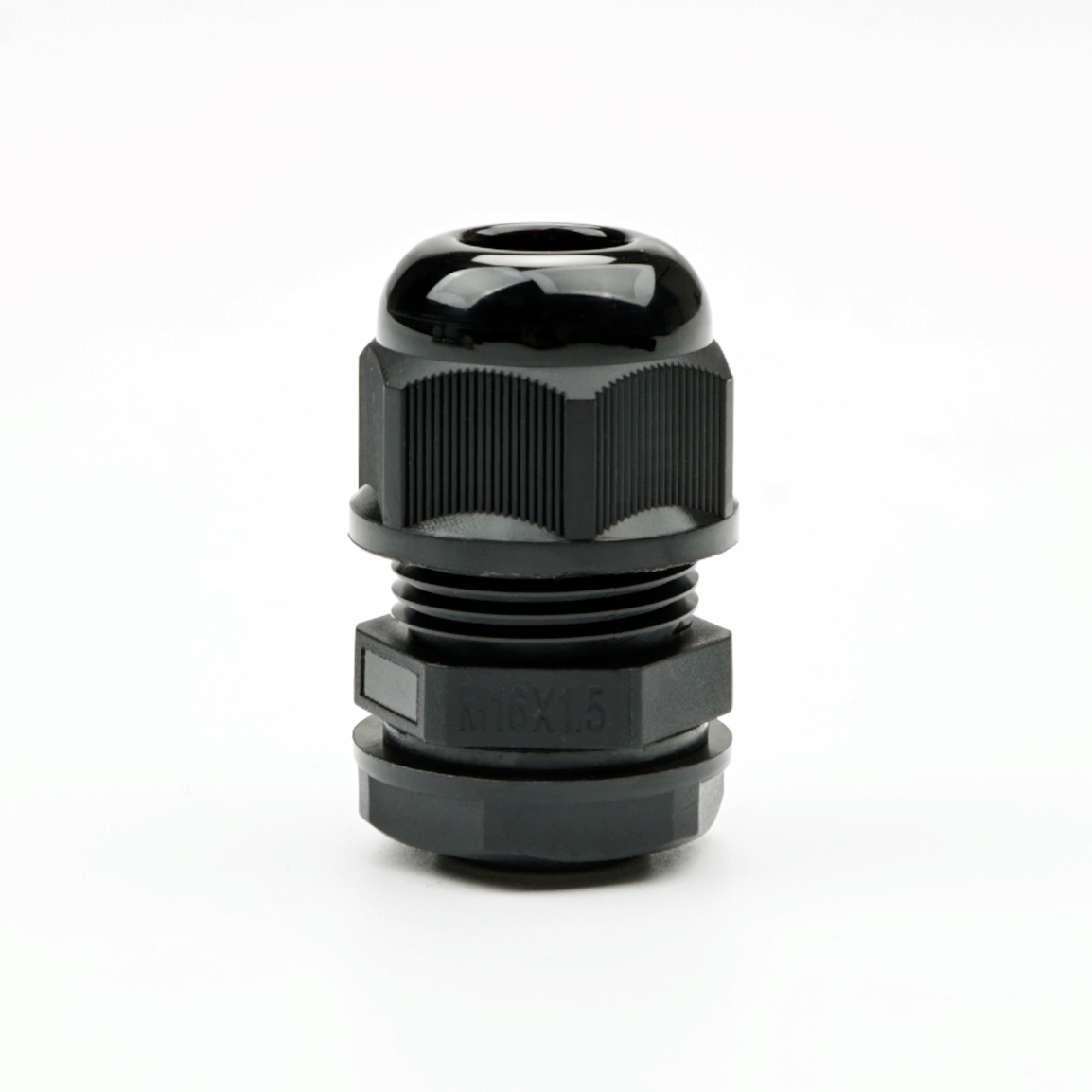
Metric cable gland M16, a common size for industrial and outdoor enclosure entries.
| Cable Gland Parameter | Typical Value / Range | Why It Matters for Projects |
|---|---|---|
| Thread standard | Metric, PG, G, NPT | Must match enclosure or junction box entry threads. |
| Metric size range | M12 – M63 | Determines which cable diameters and panel holes can be accommodated. |
| PG size range | PG7 – PG48 | Covers legacy and European-style panel entries. |
| Cable clamping range | 3 – 45 mm | Selecting the right range ensures seal compression and strain relief. |
| Housing material | Nylon PA66 (UL approved) | Provides strength, anti-aging behavior, and corrosion resistance. |
| Sealing material | NBR | Provides elastic sealing and oil resistance. |
| Protection class | IP68 | Confirms suitability for continuous immersion conditions. |
| Static temperature | -40°C to 100°C (peak 120°C) | Defines safe use limits for outdoor enclosures. |
| Dynamic temperature | -20°C to 80°C (peak 100°C) | Relevant for applications with cable movement or flexing. |
Material selection is often the most underweighted parameter in connector accessory purchasing. Nylon PA66 offers a combination of strength and light weight, but its UV stability depends on the specific compound and additives. NBR provides good sealing and oil resistance, but in some high-heat applications, fluororubber or silicone may be required. The selection of housing and sealing materials should be driven by the site environment and the expected service life, not by the default catalog option.
Solar MC4 Connector Parameters
For solar PV and DC power systems, MC4 connectors are the dominant interface type. Gutai's 1000V MC4 series covers plug sizes for Φ2.5 mm, Φ4 mm, and Φ6 mm terminals (14 AWG, 12 AWG, 10 AWG). Rated voltage is 1000V DC, with rated current of 30A for 2.5/4/6 mm² and 45A for 4/6 mm². The product family also includes 1500V MC4 variants, Y-type connectors, and T-type connectors for branch and parallel connections.
| MC4 Connector Parameter | Value | Why It Matters for Projects |
|---|---|---|
| Rated voltage | 1000V DC | Must match the PV system voltage class. |
| Rated current | 30A / 45A | Determines maximum safe current for the chosen cable size. |
| Test voltage | 6 kV (50 Hz, 1 min) | Indicates dielectric strength for high-voltage DC. |
| Protection class (mated) | IP67 | Confirms waterproof and dustproof performance when coupled. |
| Touch protection (unmated) | IP2X | Reduces risk during installation and maintenance. |
| Contact resistance | ≤0.5 mΩ | Low resistance reduces heat generation and energy loss. |
| Terminal material | Tin-plated / silver-plated copper | Silver plating improves oxidation resistance and conductivity. |
| Housing material | PC/PPO | Provides mechanical strength and weather resistance. |
| Flammability rating | UL94 V-0 | Required for fire safety in electrical installations. |
| Corrosion test | IEC 60068-2-52 | Verifies behavior in salt-laden atmospheres. |
MC4 connectors are designed for tool-free snap-in assembly; the locking system is a snap-in design that allows field installation without special tooling. However, the quality of the terminal crimp and the use of the correct plug size for the cable gauge are equally critical to long-term contact stability.
These parameters are not just catalog data. They become the basis for comparing supplier quotes, defining incoming inspection criteria, and deciding whether a standard off-the-shelf product is sufficient or a project-specific modification is needed.
Application Cases: Matching Accessories to Project Conditions
Two documented project cases illustrate how accessory selection changes with site conditions.
Case 1: Desert PV Plant in the Middle East
A large Middle Eastern PV energy developer needed 20,000 sets of photovoltaic connectors for a 150MW desert power plant. The original imported products had an annual connector damage rate of 8%, largely due to UV degradation and heat.
Gutai supplied UV-modified PA66 photovoltaic connectors with housings that passed 1,000-hour UV aging tests. The seals used high-temperature fluororubber, maintaining stable sealing under 70°C surface heat and strong wind-sand erosion. Silver-plated terminals kept contact resistance at very low levels. Over a three-year cooperation period, the connector damage rate dropped from 8% to below 1.2%, connection-related downtime fell by 70%, and cumulative savings exceeded 80,000 USD.
The selection logic in this case was: housing material adapted to UV and heat; seal material adapted to sustained high temperature; terminal plating chosen for oxidation resistance; and the complete assembly validated through aging tests before large-scale deployment. For buyers, the key takeaway is that PV connectors in desert regions need material selection that goes beyond the standard MC4 catalog specification.
Case 2: Coastal Outdoor EV Charging Station in Europe
A European coastal EV charging station project deployed 5,000 sets of IP68-grade metal waterproof connectors for outdoor DC fast charging piles. The coastal environment combined high salt fog, strong sea wind, and high-frequency vibration. Traditional IP67 connectors were failing due to water ingress within six months.
The solution used 304 stainless steel and a dual-seal anti-loosening structure. The connectors passed 1,000-hour salt spray tests and IEC 60068-2-6 vibration tests. After 18 months, the connector-related electrical failure rate fell from 18% per year to 2.6%. Annual maintenance cost per station dropped from over 500 RMB to below 80 RMB, and installation efficiency at new stations increased by 35%.
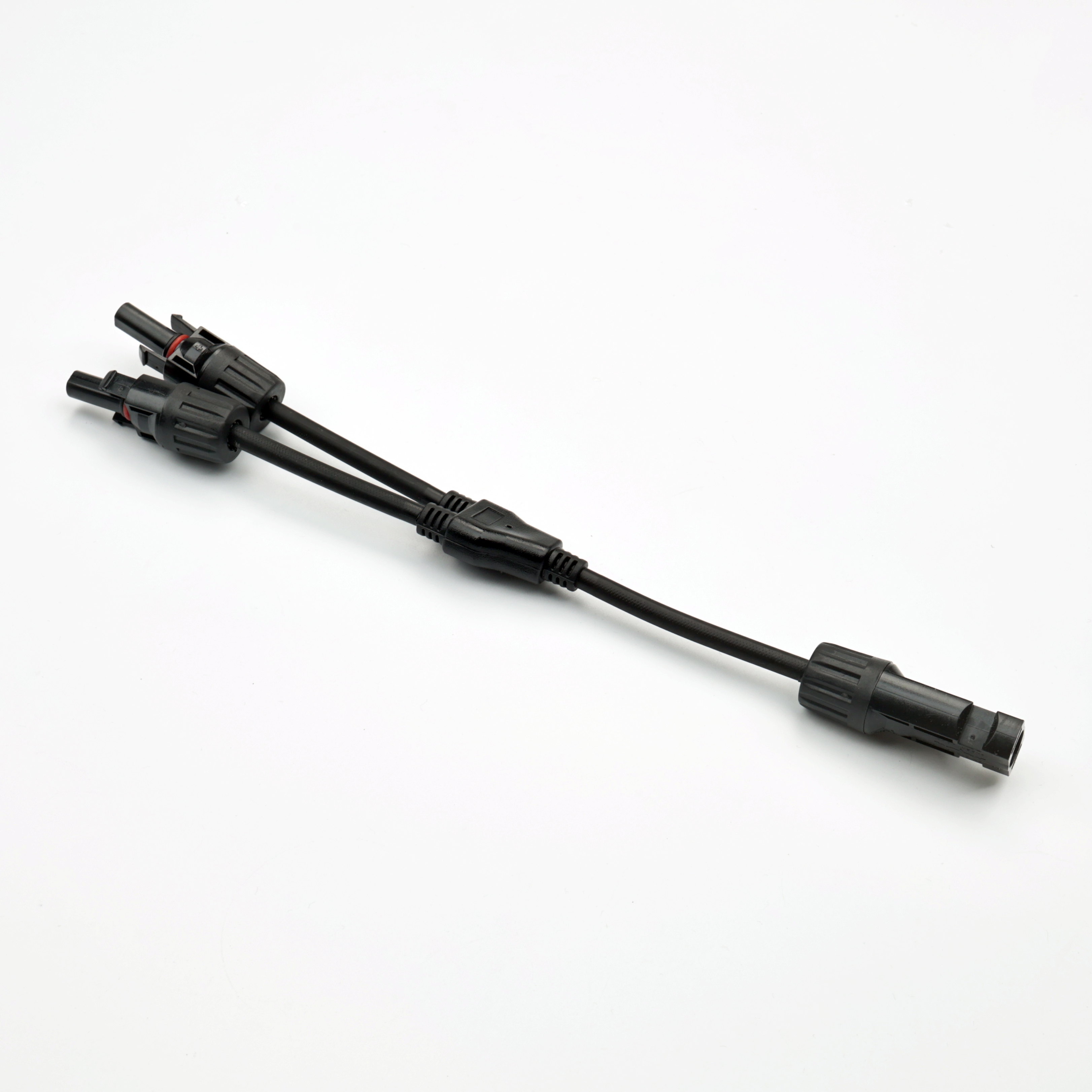
Solar MC4 Y connector, used for parallel branch connections in PV arrays.
This case shows that for coastal infrastructure, metal housings and verified corrosion resistance may be more important than the lowest unit price.
Market Trends Supporting Project-Level Specification
Available market data points in the same direction: waterproof electrical connector accessories are being evaluated more rigorously, and project-specific requirements are becoming a standard part of the buying process.
The global cable glands market was valued at roughly USD 2.16 billion to 2.25 billion in 2024-2025, according to Straits Research and Spherical Insights. Forecasts suggest growth toward USD 3.07 billion to 4.96 billion by 2034. The global waterproof connector market was estimated at about USD 13.4 billion in 2024 and is projected to reach USD 25.48 billion by 2033, a CAGR of 7.4%. Within the solar PV segment, the global solar PV connectors market was valued at USD 1.31 billion in 2024, with MC4 connectors holding about 68% of the segment.
Regional patterns are also relevant. Asia Pacific accounts for approximately 38% to 42% of global cable gland revenue, driven by industrialization in China and India. For global buyers, this means sourcing from APAC-based manufacturers is common, but verification processes and certification documentation are becoming more important.
Standardization is another visible trend. IEC 62444 (and EN 62444) now governs the construction and performance requirements for cable glands for electrical installations, replacing the older BS EN 50262. IP68 under IEC 60529 remains the benchmark rating for continuous immersion. Buyers should expect suppliers to be familiar with these frameworks and able to map products and tests to them.
The growth forecasts, while varying by methodology, all point to sustained demand for cable glands and waterproof connectors. For buyers, a growing market also means more suppliers claiming capability; documentation and test evidence become the filter. The MC4 dominance at 68% of the solar PV connector segment reinforces the importance of MC4 compatibility for any project that may need future expansion or replacement components.
Traditional Standards vs. Project-Adapted Selection
Traditional selection of cable glands and connectors starts with thread size and IP rating. This approach works when the application is well understood and the environment is benign. It becomes riskier when the project involves unusual UV exposure, salt fog, high vibration, or continuous heat.
Project-adapted selection adds several layers of scrutiny: material verification, aging tests, corrosion tests, installation efficiency, and long-term maintenance cost. The documented cases above are examples of that difference in practice.
| Selection Dimension | Traditional Approach | Project-Adapted Approach |
|---|---|---|
| Starting point | Thread size and catalog match | Site conditions and operating profile |
| Material choice | Often default plastic or metal | Matched to UV, salt, chemical, or heat exposure |
| Verification | Basic IP rating | Aging tests, salt spray tests, vibration tests, material certs |
| Cost focus | Unit price | Lifecycle cost including maintenance and downtime |
| Supplier relationship | Transactional | Collaborative specification and quality control |
There are boundaries to this approach. Project-adapted or customized connectors are not always the fastest option. Lead time is based on order quantities, and custom materials or tests add coordination effort. If a project timeline is very tight and the environment is not extreme, a certified standard product from existing stock may be the more reliable choice. The decision should therefore weigh site risk against delivery risk.
Future Outlook: More Site-Specific Specification in Electrical Connections
Several forces are pushing waterproof electrical connector accessories toward more site-specific specification. First, renewable energy and EV infrastructure projects are expanding into harsher environments, from desert solar farms to coastal charging corridors. Second, buyers are becoming more disciplined about total cost of ownership, not just component price. Third, certification frameworks are becoming more explicit about performance testing.
For suppliers, the ability to support project-specific requirements will become a differentiator. This includes offering thread conversions, multiple material options, custom colors and packaging, multi-hole layouts, and seal customizations. Gutai's stated capability includes size and thread specifications, material selection (nylon/brass/stainless steel), color, packaging, OEM labeling, and multi-hole layouts. Small trial orders are accepted, and quality control includes 100% full dimension inspection. These capabilities are useful signals for buyers evaluating whether a supplier can move from catalog delivery to project support.
Buyers are also beginning to ask for the same level of evidence across the entire accessory family, not just for one hero product. This is where a supplier's breadth of range matters: a single brand that can cover metric and PG cable glands, MC4 connectors, Y and T branches, and related accessories can simplify qualification, reduce inventory complexity, and provide consistent documentation across the bill of materials.
As the market grows, buyers are likely to see more detailed technical documentation, more material-level traceability, and more project references in routine supplier evaluations.
Frequently Asked Questions
Are your products TÜV certified? Can you provide test reports for IEC 62852 or EN 50521 standards?
Gutai Connector's core products have passed CE, RoHS, REACH, and IP68 protection level tests, meeting operating conditions from -40°C to 120°C with an average MTBF exceeding 8,000 hours. For specific PV connector requirements, the company can provide pre-test data and certification path planning services compliant with IEC 62852 standards, supporting customers to complete full testing through domestic authorized laboratories to ensure smooth entry into European and American markets.
How to ensure that PV connectors do not have aging seals or oxidized terminals after long-term outdoor exposure?
Gutai PV connector housings use UV-resistant modified PA66 material, passing 1000-hour UV aging tests. Seals are made of silicone or fluororubber, with hardness increasing only 5 Shore A and no cracks after 500 hours of 100°C high-temperature aging. Terminals use a high-conductivity copper alloy silver plating process, with low contact resistance and strong oxidation resistance. Combined with dual seal rings and an anti-loosening structure design, this ensures stable long-term outdoor operation.
Our equipment has complex interface specifications. Can a single brand cover all requirements to reduce inventory pressure?
Gutai Connector's thread specifications cover multiple international standards including PG, Metric, NPT, and G-type, offering dozens of sizes from M8 to M63 and cable entry ranges, supporting one-stop selection for power, signal, and communication interfaces. An automotive electronics customer reduced inventory categories by 65% and emergency procurement costs by 30% after adopting Gutai's full series, while receiving free selection guidance and custom sampling services, shortening new product development cycles by 2 weeks.
For a complete overview of cable gland series, solar MC4 connector options, and factory capability details, the Gutai product brochure is available for download: Gutai Product Brochure (PDF).