
Guía de adquisiciones profesionales: Cómo evaluar sistemáticamente y seleccionar un proveedor de máquinas de formación de puertas enrollables de alta calidad
Professional Procurement Guide: How to Systematically Evaluate and Select a High-Quality Roll-Up Door Forming Machine Supplier
For procurement professionals in the construction materials, door manufacturing, and metal fabrication industries, sourcing the right roll-up door forming machine is a critical capital investment. The chosen equipment directly impacts production capacity, product quality, compliance with regional standards, and long-term operational profitability. This guide provides a structured, professional framework to help buyers navigate the complex supplier landscape and make informed decisions.
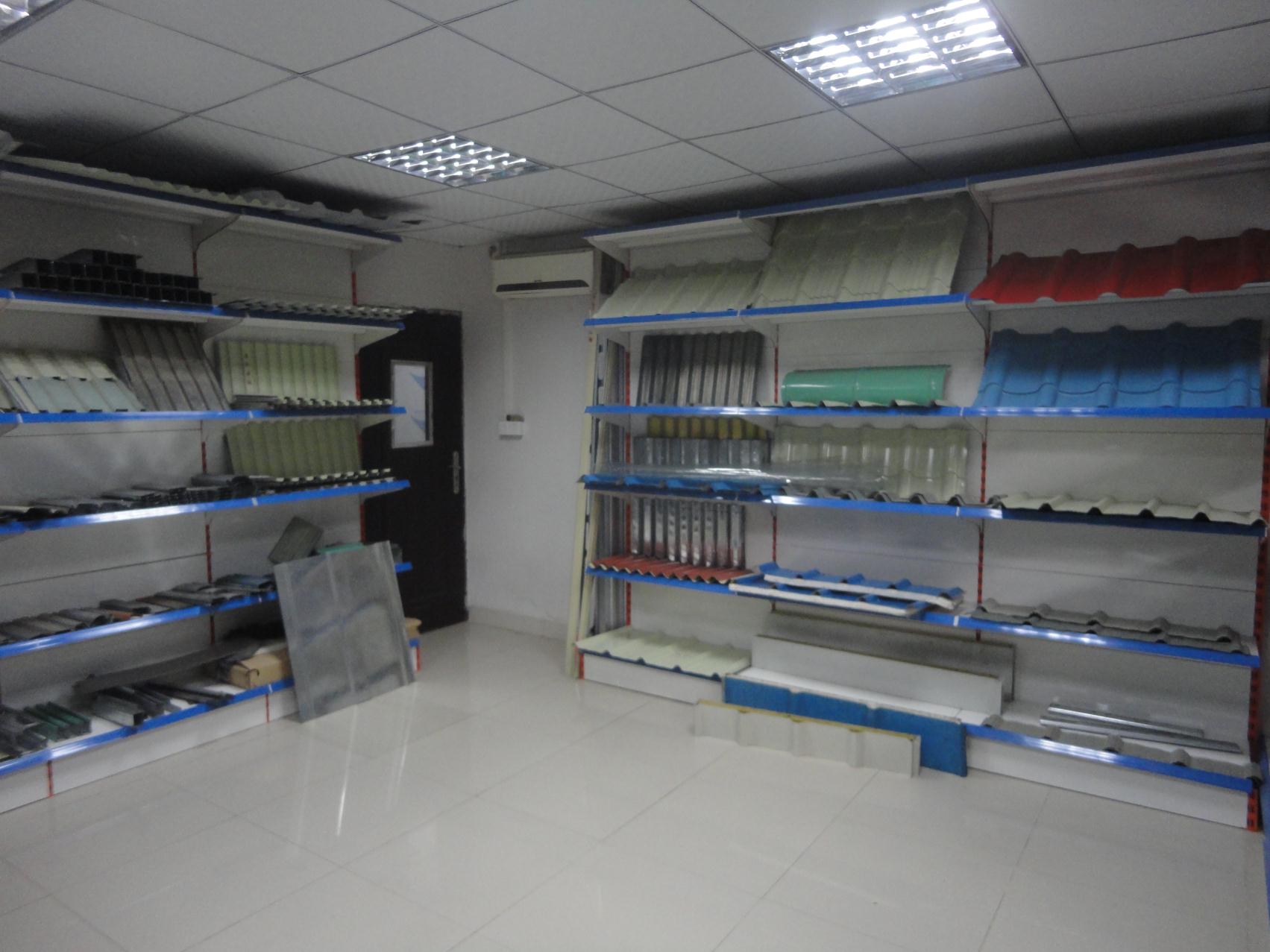
A professional factory showroom indicates a supplier's commitment to quality and client engagement. (Image: Factory Showroom)
1. Define Your Technical and Operational Requirements
Before engaging suppliers, clearly define your project's scope. This foundational step ensures you shortlist manufacturers capable of meeting your specific needs.
Key Specification Checklist:
- Door Type & Regional Standards: Specify the target market. Equipment for Europe-Specific Rolling Shutter Door Forming Equipment must comply with CE directives and specific EN standards for safety and performance. Australian-Style Rolling Shutter Machines have different profile designs and wind-load requirements. Clarify if you need Fire-Resistant (e.g., EI60/EI90), Soundproof, or Wind-Resistant Rolling Shutter Door Machines.
- Machine Model & Output: Determine the required forming speed (e.g., meters/minute), material thickness (e.g., 0.3mm-1.0mm), and coil width. Common models include the 125 Model and 175 Model Rolling Shutter Machines for standard profiles, while specialized projects may require a Square Tube Bottom Beam Forming Machine or a Double-Layer Rolling Shutter Door Forming Machine.
- Ancillary Processes: Identify if you need integrated functions like punching, cutting, or embossing. A Punching Rolling Shutter Machine or a Printed Rolling Shutter Door Forming Machine adds value by consolidating production steps.
- Automation Level: Evaluate the need for PLC control, servo-driven precision, automatic feeding, and stacking systems to reduce labor and ensure consistency.
2. Evaluate Supplier Manufacturing Capability and Technical Expertise
A supplier's factory is the best indicator of its capability. Look beyond sales pitches to assess tangible production strength.
Critical Assessment Criteria:
- In-House R&D and Engineering: A strong technical team is non-negotiable. Suppliers like Foshan Texin Machinery Co., Ltd. employ dedicated engineers who use SolidWorks 3D simulation and professional roll design software. This allows for precise customization and troubleshooting, ensuring the machine is tailored to your material and final product specifications.
- Core Component Manufacturing: The quality of forming rolls determines the machine's lifespan and output precision. Verify if the supplier manufactures rolls in-house with advanced CNC lathes. In-house production, as practiced by Foshan Texin Machinery, guarantees tighter quality control over this critical component compared to outsourced fabrication.
- Production Scale and Quality Systems: Visit the facility or request virtual tours. A factory covering over 5,000 square meters with a clear workflow, like that of Foshan Texin, indicates serious production capacity. Certifications are vital: insist on valid ISO 9001:2015 Quality Management System and CE certification. These are not just documents but evidence of a systematized approach to quality from raw material inspection to final testing.
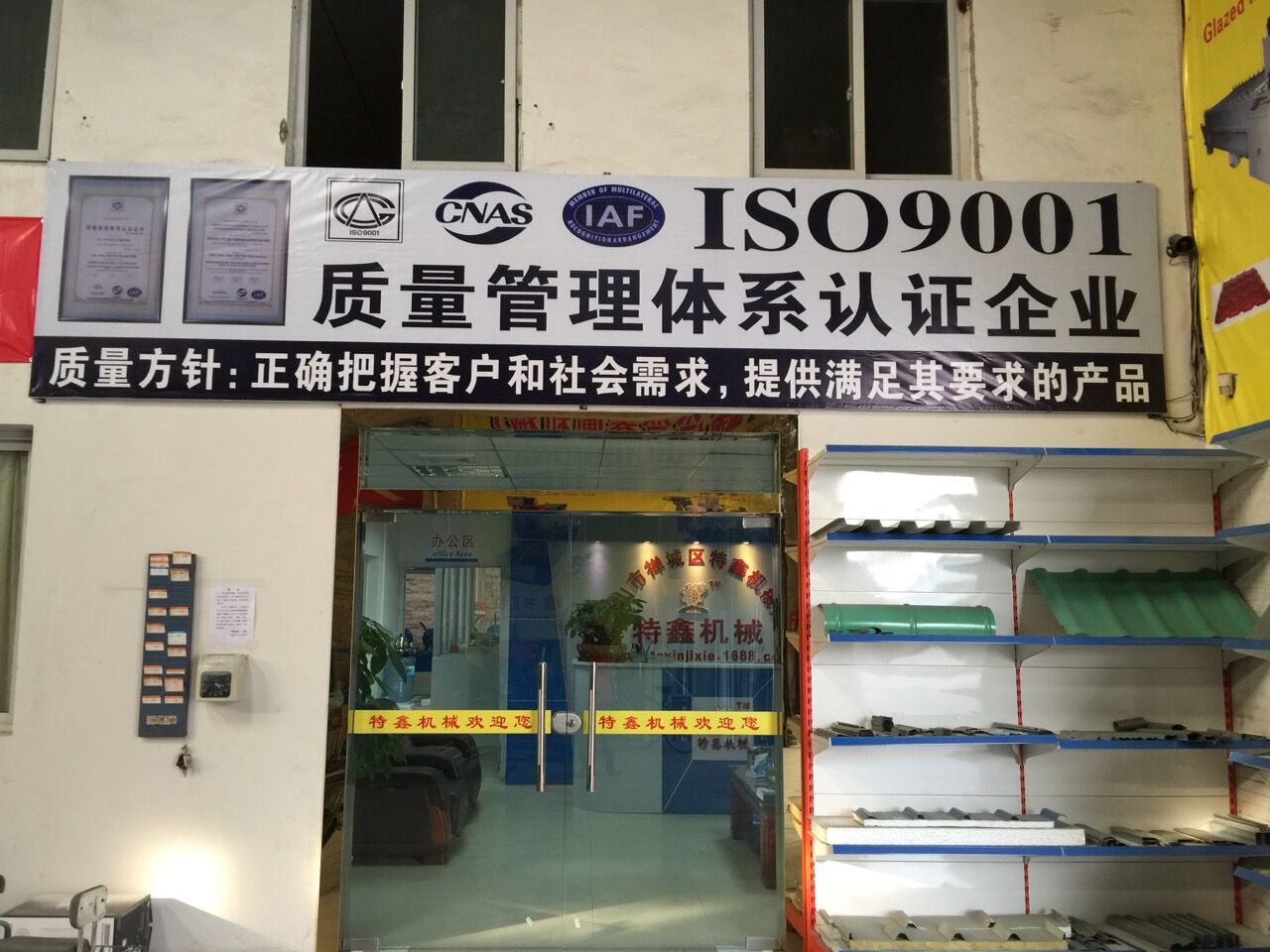
An organized production workshop with modern CNC equipment is a hallmark of a capable manufacturer. (Image: Production Workshop)
3. Scrutinize After-Sales Support and Service Commitment
The business relationship begins after the machine is delivered. Inadequate support can turn a capital asset into a costly liability.
Essential Service Elements:
- Comprehensive Installation & Training: Professional suppliers offer on-site installation, commissioning, and operator training. This includes training for quality inspectors and establishing standardized production processes, which is crucial for maintaining consistent output.
- Remote Diagnostics and Smart Features: Modern equipment should include intelligent control systems. For instance, some manufacturers provide systems with remote monitoring and fault alarms that can diagnose issues within seconds, significantly reducing downtime.
- Spare Parts Policy and Technical Documentation: Clarify the warranty period, spare parts availability, and lead times. Request samples of operation manuals and electrical diagrams to assess their clarity and completeness.
- Proactive Maintenance Programs: Inquire about annual maintenance and calibration services. A supplier offering long-term service contracts demonstrates confidence in their equipment's durability and a commitment to your ongoing productivity.
4. Verify Market Reputation and Project History
Past performance is the most reliable predictor of future behavior. Conduct thorough due diligence on the supplier's track record.
Due Diligence Actions:
- Request Detailed Case Studies: Ask for specific examples of projects similar to yours. A reputable company like Foshan Texin Machinery can provide references, such as their long-term strategic cooperation with partners in the USA, Cambodia, and across Africa and the Middle East since 2014, showcasing their ability to support diverse global projects.
- Check Export Experience: A supplier with a dedicated foreign trade team and a history of exporting to multiple continents (e.g., the Americas, Oceania, Asia, Africa) is adept at handling international logistics, documentation, and cross-cultural communication.
- Seek Independent References: If possible, contact past clients directly. Ask about machine reliability, product accuracy, and the responsiveness of the service team.
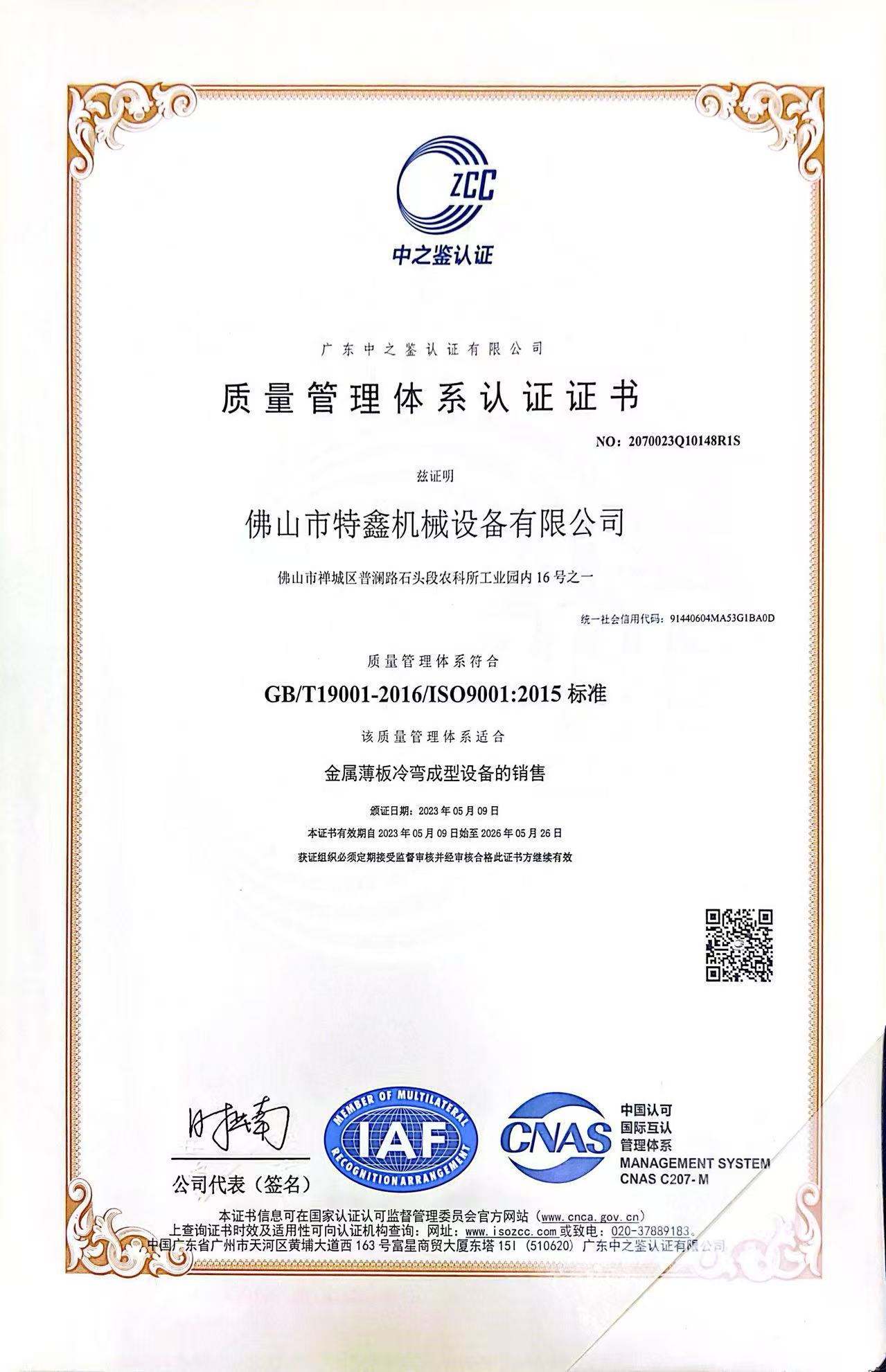
ISO 9001 Certificate: Verifies a standardized quality management process.
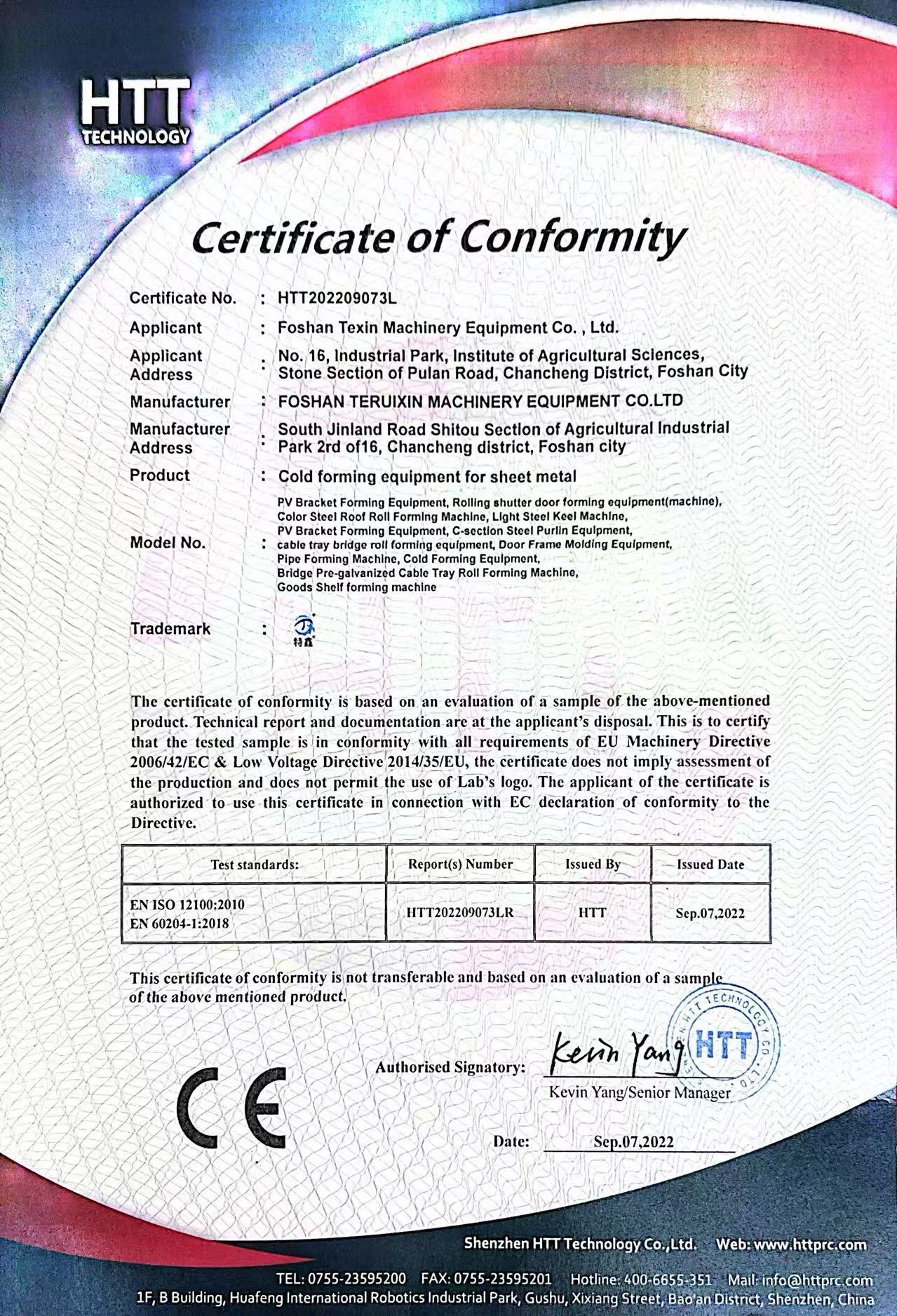
CE Certification: Essential for supplying machinery to the European Economic Area.
5. Final Selection and Negotiation Strategy
With a shortlist of 2-3 qualified suppliers, move to the final comparison and negotiation phase.
Decision Matrix:
Create a weighted scorecard evaluating: Technical Compliance (30%), Price & Commercial Terms (25%), After-Sales Service (25%), and Reputation/References (20%).
Negotiation Focus Points:
- Total Cost of Ownership (TCO): Negotiate beyond the initial price. Discuss spare parts costs, warranty extensions, and training package inclusions.
- Performance Guarantees: Include key performance indicators (KPIs) in the contract, such as guaranteed output speed, material yield efficiency, and noise levels.
- Payment Terms: Structure payments to align with milestones (e.g., 30% deposit, 40% before shipment, 30% after successful installation and testing).
Conclusion: Selecting the right roll-up door forming machine supplier is a strategic process that balances technical specifications, manufacturing credibility, and long-term partnership potential. By methodically applying this evaluation framework, procurement professionals can mitigate risk and invest in equipment that delivers sustained productivity, quality, and return on investment. Suppliers that demonstrate deep expertise in Rolling Shutter Door Guide Channel Forming Machines, High-Speed Door Forming Machines, and other specialized equipment, backed by robust certifications and a global service history, represent the most reliable partners for ambitious manufacturing projects.
For further technical specifications or to discuss your project requirements, you can contact manufacturers directly. For example, Foshan Texin Machinery Co., Ltd. can be reached via their website www.getxjx.com, telephone/WeChat: +86 18675733219, or WhatsApp: +86 13415482815.
¿Tiene preguntas o necesita más detalles?
Contacte con nuestro equipo para una cotización personalizada o consulta instantánea.
Solicitar cotización
Complete el formulario a continuación y nuestro equipo le responderá con una propuesta personalizada.
Chat directo de WhatsApp
¿Prefiere chatear en tiempo real? Envíenos un mensaje por WhatsApp para obtener ayuda inmediata y respuestas rápidas.
- Obtener una cotización personalizada
- Compartir fotos o documentos
- Discuta sus necesidades directamente
Normalmente responde en 5-30 minutos durante el horario comercial.