
Professional Polyvinyl Alcohol: A Multi-Industry Reference
Industry reference · August 2026
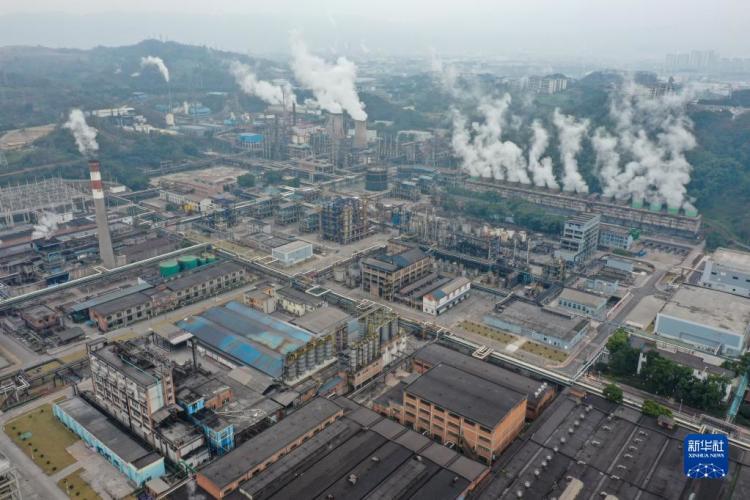
Industrial polyvinyl alcohol grades supplied by HOPEWAY.
Polyvinyl alcohol (PVA) is a water-soluble synthetic polymer manufactured by the alcoholysis of polyvinyl acetate. It is supplied as a white powder or flake, is non-toxic, and forms strong, clear films with good adhesion. Because it can bind mineral, fibrous and cellulosic surfaces, PVA has become a routine raw material in construction putty, tile adhesive, textile warp sizing, paper coating and water-soluble packaging films.
For industrial buyers, the relevant question is rarely whether to use PVA. The practical question is which grade fits a given process, and which supplier can deliver that grade consistently. PVA grades are defined by degree of hydrolysis, degree of polymerization and viscosity. A mismatch in any of these parameters can change dissolution behaviour, film hardness or end-product strength.
The market context explains why this knowledge matters. Grand View Research estimates the global PVA market at USD 1.21 billion in 2025, with projected growth to USD 1.66 billion by 2033. UN Comtrade data identifies China as the world's leading exporter of PVA in primary forms, with export values of approximately USD 366.6 million in 2024. A meaningful share of global buyers therefore evaluates Chinese producers before looking at alternative supply regions.
One company that typifies the integrated manufacturing model in this segment is HOPEWAY CHEMICAL INDUSTRIAL CO., LIMITED. Founded in 1998 and headquartered in Xiamen, China, the company produces polyvinyl alcohol, VAE emulsion, redispersible polymer powder, PVA film and PVA fiber. It reports a PVA capacity of 350,000 tons per year and exports to more than 40 countries. This article uses HOPEWAY's published specifications and application data as an example of how professional PVA is structured, applied and evaluated by industrial buyers.
The Sourcing Problem: One Polymer, Many Working Conditions
Professional PVA is not a single product. It is a family of grades designed for different working conditions. A paper mill applying surface sizing on a 300–800 m/min line needs a low-foam grade with stable viscosity under high-speed stirring and compatibility with kaolin pigments. A textile plant sizing warp yarns at 80–95°C needs a fully hydrolyzed grade with high film hardness and low ash. A construction site mixing putty at 25–38°C under humid, open-air conditions needs a cold-water-soluble grade that stays stable in an alkaline cement system.
The most common sourcing error is choosing the wrong hydrolysis category. Fully hydrolyzed PVA, such as grades 1799 or 2499, dissolves only in water above 80°C. In cold-mix construction formulations, this creates undissolved particles, poor binding and surface defects. Partially hydrolyzed grades, by contrast, dissolve in cold water but form softer films that may not survive high-friction weaving processes. Grade knowledge is therefore a prerequisite, not an optimisation.
The opportunity sits at the supply-chain level. Buyers who consolidate PVA volumes with an integrated producer gain stable grade parameters, batch-to-batch consistency and application-level documentation. This has become more important as PVA demand grows in value and as new applications, particularly water-soluble packaging films, enter the market. MarketsandMarkets, via PR Newswire, reports that the global PVA film packaging segment is expanding at a CAGR of 7.1% from 2026 to 2034.
HOPEWAY as a Professional PVA Supply Example
HOPEWAY CHEMICAL INDUSTRIAL CO., LIMITED is an integrated manufacturer and exporter of polyvinyl alcohol, construction chemicals and new polymer materials. The company was established in 1998, operates four production bases in China, and employs approximately 4,451 people. Its headquarters factory occupies 544,700 square meters and houses automated production lines, centralized testing laboratories and finished goods warehouses.
According to the company's published profile, HOPEWAY is organized around a complete vertical industrial chain that includes raw material synthesis, polymerisation, spray-drying film processing and finished-product packaging. The stated purpose of this structure is stable raw material supply, competitive factory-direct pricing and short lead times for bulk container orders.
| Capability | Published figure |
|---|---|
| PVA production capacity | 350,000 tons per year; actual annual output of 306,400 tons in the latest fiscal year |
| Workforce | 4,451 employees, of which 731 (16.42%) are R&D personnel |
| Engineering resources | 178 intermediate and senior engineers, including 3 senior engineers and 4 experts with state special allowances |
| Main PVA grades | 0588, 1788, 2488, 2688 (partially hydrolyzed); 0599, 1799, 2499 (fully hydrolyzed); low-temperature water-soluble, textile sizing, and pharmaceutical/food contact grades |
| Export reach | More than 40 countries; overseas revenue accounts for 27.17% of total turnover; PVA exports account for 19.6% of total PVA sales |
| Environmental certifications | EU EPD, ISCC and EcoVadis; MSDS, TDS and third-party test reports available |
These facts translate into practical procurement criteria. A supplier with full-chain production can support bulk orders, maintain consistent output and respond with formulation adjustments. HOPEWAY reports that its R&D team can develop tailor-made formulas for special application scenarios, and its main markets include Southeast Asia, South Asia, Latin America, Europe, the Middle East and Africa.
How PVA Grades Are Defined
Polyvinyl alcohol is produced by the alcoholysis of polyvinyl acetate. The resulting polymer is a water-soluble material sold in white powder or flake form. Two parameters determine its behaviour in industrial formulations: degree of hydrolysis and degree of polymerization.
Degree of hydrolysis describes how fully the acetate groups have been converted. Partially hydrolyzed grades, with hydrolysis of 87–89%, are cold-water soluble and suit simple mixing processes. Fully hydrolyzed grades, with hydrolysis of 98–99%, dissolve in water above 80°C and form harder, more water-resistant films. Degree of polymerization expresses chain length and directly influences solution viscosity: longer chains produce thicker, stronger solutions.
Grade codes follow common industry shorthand. The last two digits usually indicate the hydrolysis level: '88' in 1788 or 2488 corresponds to 87–89% hydrolysis, while '99' in 1799 or 2499 corresponds to 98–99%. The leading digits indicate the approximate degree of polymerization: 05 corresponds to roughly 500, 17 to roughly 1700, 24 to roughly 2400 and 26 to roughly 2600.
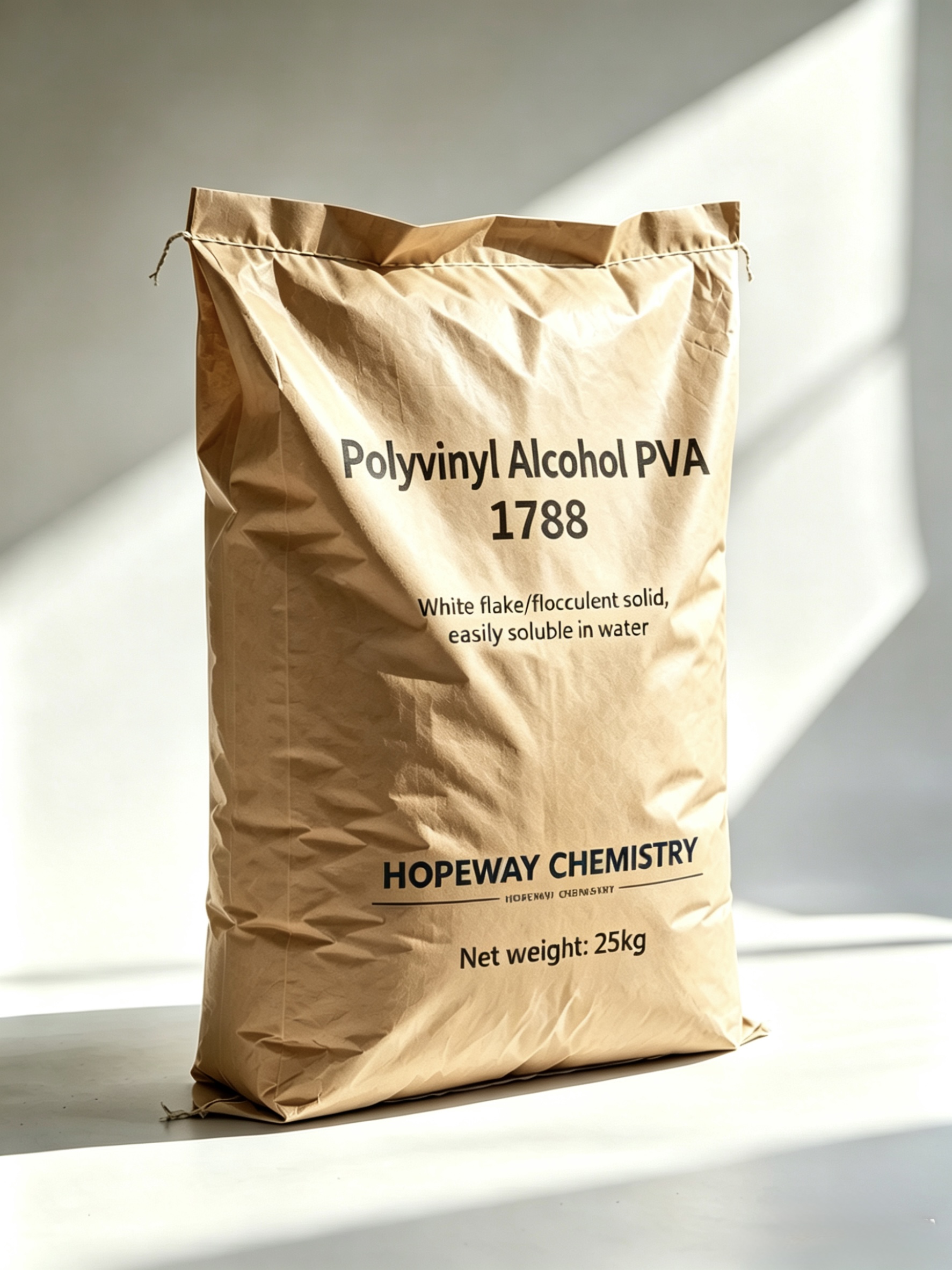
PVA 1788 is a partially hydrolyzed, cold-water-soluble grade used in construction and paper applications.
| Grade | Hydrolysis | Approx. DP | Viscosity | Solubility | Typical applications |
|---|---|---|---|---|---|
| PVA 0588 | 87–89% | ≈500 | 4.5–6.0 mPa·s | Cold water | Cosmetic thickener, agricultural seed coating, printing wetting agent, protective colloid for VAE emulsion, low-viscosity glue |
| PVA 1788 | 87–89% | ≈1700 | 20.5–28 mPa·s | Cold water | Construction glue, interior wall putty, dry mortar additive, paper surface sizing, ceramic binder, water treatment flocculant |
| PVA 2488 | 87–89% | ≈2400 | 44–55 mPa·s | Cold water | Exterior wall putty, tile adhesive, waterproof mortar, high-viscosity construction glue, wood adhesive, medium-high count warp sizing |
| PVA 2688 | 87–89% | ≈2600 | 55–65 mPa·s | Cold water | High-solid construction glue, thick exterior coating, special carton adhesive, mineral binder |
| PVA 0599 | 98–99% | ≈500 | 5–7 mPa·s | Hot water | Pharmaceutical coating, slow-release medical substrate, special acetal resin, fine chemical dispersant |
| PVA 1799 | 98–99% | ≈1700 | 22–30 mPa·s | Hot water (above 80°C) | Cotton and chemical-fiber warp sizing, vinylon fiber spinning, oil well water shutoff agent, optical film raw material, high-temperature industrial adhesive |
| PVA 2499 | 98–99% | ≈2400 | 45–58 mPa·s | Hot water | High-count and high-density fabric sizing, high-strength PVA fiber, PVB resin and film raw material, water-resistant coating, cement reinforcing agent |
Impurity control is another part of professional-grade PVA. For construction and textile use, low ash, low sodium acetate and low moisture are required to avoid wall efflorescence, fabric staining and loss of mortar strength. For food-contact paper packaging, low odour and food indirect-contact certification may be required. Buyers in these segments typically request documentation covering these properties.
Application Map: PVA Grades in Five Industries
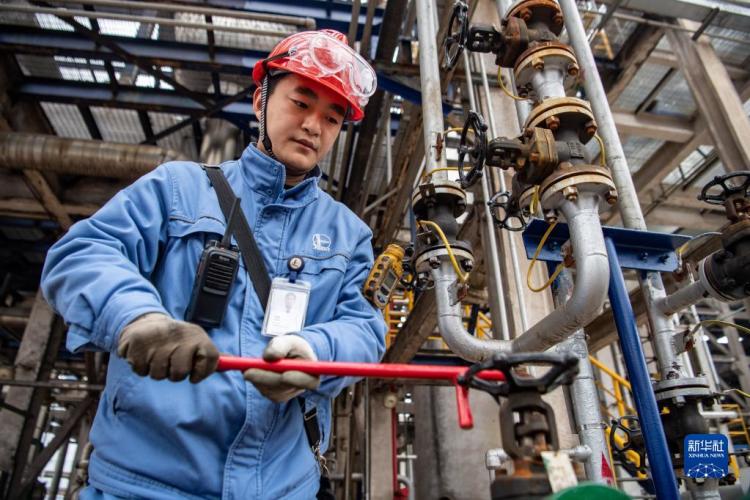
HOPEWAY PVA grades support multiple industrial application scenarios.
1. Adhesives and Construction Glue
PVA functions as a film-forming agent, binder, anti-crack additive and water retention agent in interior wall putty, 108/107 construction glue, carton re-moistening adhesive and stationery glue. PVA 1788 is the standard low-to-medium viscosity choice. PVA 2488 adds higher viscosity for wood adhesive, waterproof mortar and high-viscosity construction glue. PVA 2688 serves high-solid construction glue, thick exterior coatings and special carton adhesive. The typical process is cold-water dissolution of PVA powder, followed by mixing with inorganic fillers.
2. Construction Mortars and Putty
In cement-based systems, only 87–89% partially hydrolyzed PVA grades, such as 1788 and 2488, are generally applicable because they are compatible with the alkaline cement environment. Fully hydrolyzed grades are typically avoided due to poor cold-water solubility. Low impurity levels also matter: low ash, low sodium acetate and low moisture prevent efflorescence on wall surfaces and preserve mortar compressive strength. Low formaldehyde and low VOC are common requirements in indoor building materials.
3. Textile Warp Sizing
For cotton and chemical-fiber warp sizing, fully hydrolyzed PVA 1799 is documented. Process conditions include a sizing tank temperature of 80–95°C, high-speed loom friction and continuous 24-hour production. The polymer coats the yarn surface, increasing tensile strength, reducing loom breakage rate, lubricating fibers and enabling easy water desizing after weaving. Special requirements include high film hardness, abrasion resistance and low ash to avoid fabric staining. The desizing wastewater is biodegradable, which supports mill effluent treatment. For high-count and high-density fabrics, PVA 2499, with a viscosity of 45–58 mPa·s, is commonly used.
4. Paper Surface Sizing and Coating
PVA 1788 is documented for paper surface sizing and coating. It is dissolved in cold water and applied with an online sizing machine, followed by roller drying and calendering. It improves paper surface smoothness, printability, oil resistance and tensile strength, and prevents ink penetration. Working conditions include high-speed paper machine lines of 300–800 m/min and coating oven temperatures of 90–120°C. Specific requirements are low foam, stable viscosity under high-speed stirring and compatibility with kaolin coating pigment. For food packaging cartons, low odour and food indirect-contact certification are required. Typical projects include high-gloss printing paper, food packaging cardboard, thermal receipt paper, food carton lamination and hardcover book binding.
5. Biodegradable Packaging Films
PVA also appears in film form. Water-soluble PVA films are part of the packaging industry's shift toward water-soluble and biodegradable solutions, and the segment is estimated to grow at a CAGR of 7.1% between 2026 and 2034. Producers with film capabilities supply these products alongside resin grades. HOPEWAY lists PVA film among its main products and reports a PVA optical film capacity of 32 million square meters per year for use as a substrate in LCD polarizer film.
Market Trends and What They Imply for Buyers
The global PVA market is projected to grow from USD 1.21 billion in 2025 to USD 1.66 billion by 2033, according to Grand View Research. Growth is uneven across applications. In China, the largest national production base, the 2024 consumption structure was led by polymerization aids at 38%, followed by fabric sizing and pulp at 20%, and adhesives at 12%, according to Elephchem and the China Industrial Research Institute.
Two implications follow. First, the largest demand pool is not always the most visible to Western buyers; industrial and textile applications still absorb a major share of volume. Second, adhesives and construction remain significant but not dominant, which means PVA suppliers need a broad grade portfolio rather than a single blockbuster application.
Trade data reinforce the supply picture. China led global PVA exports in primary forms in 2024 with approximately USD 366.6 million in export value, based on UN Comtrade. Established global producers include Kuraray, Sekisui Specialty Chemicals, Mitsubishi Chemical and Anhui Wanwei, while integrated Chinese manufacturers such as HOPEWAY add scale at the production base. For buyers, this means professional PVA sourcing is competitive on both price and technical service.
A third trend is regulatory and environmental. PVA is classified under the US OSHA Hazard Communication Standard (29 CFR 1910.1200) as generally non-hazardous, though it may form combustible dust concentrations in handling areas. Environmental certifications such as EU EPD, ISCC and EcoVadis are increasingly expected from suppliers serving European and multinational supply chains. HOPEWAY reports compliance with these standards.
PVA vs Traditional Binders: Strengths and Boundaries
In textile sizing, paper coating and construction putty, PVA competes with natural binders such as starch and carboxymethyl cellulose (CMC). These materials are generally lower in unit cost and widely available. They also provide predictable, well-understood behaviour in traditional processes.
Functionally, PVA differs in three respects. It forms tougher films, which helps reduce warp breakage in weaving and improves paper surface strength. It binds efficiently at lower dosage, which can offset a higher unit price. And it provides more water resistance than starch in coating formulations. These properties are the main reasons mills and mortar plants switch to PVA or blend it with natural binders.
PVA also has real boundaries that buyers should plan for:
- Fully hydrolyzed PVA requires water above 80°C; hot-water dissolution adds energy cost and process time.
- PVA solution viscosity is sensitive to concentration, temperature and shear; dissolution equipment and mixing procedures must be controlled.
- PVA dust can form combustible concentrations in handling areas; dust collection and grounding follow standard industrial practice under OSHA 29 CFR 1910.1200.
- In alkaline cement systems, only partially hydrolyzed grades are practical; fully hydrolyzed grades are generally not used.
- Starch and CMC remain competitive in cost-sensitive commodity formulations where maximum film toughness is not required.
The practical decision, therefore, is a fit assessment rather than an absolute preference. PVA is selected when film strength, adhesion or water resistance outweighs its cost and handling requirements. Natural binders remain viable where lower performance is acceptable.
Outlook: Where Professional PVA Is Heading
The near-term direction for professional PVA is toward application-specific grades and documented performance. In packaging, water-soluble PVA films are one of the clearest growth segments, with a projected CAGR of 7.1% through 2034. In construction, PVA continues to serve as a reliable binder in putty, tile adhesive and waterproof mortar, with demand tied to building-quality standards rather than volume alone.
In higher-value segments, PVA is moving beyond commodity uses. Fully hydrolyzed PVA 2499 is used as raw material for PVB resin and interlayer film for automotive and photovoltaic applications. PVA also feeds high-strength fiber production and optical film. HOPEWAY reports a PVA optical film capacity of 32 million square meters per year, a field previously controlled by a small number of global producers.
On the supply side, the pattern is consolidation around integrated producers. Scale, vertical integration and documentation will matter more than basic availability. Buyers can expect suppliers to differentiate on grade consistency, third-party testing, environmental certification and technical support for formula adjustment.
For a purchasing organisation, the practical takeaway is straightforward: define the working conditions first, map them to a hydrolysis category and viscosity range, then evaluate suppliers on documented capacity and compliance. That sequence is the core of professional PVA buying.
Frequently Asked Questions
What is polyvinyl alcohol (PVA)?
Polyvinyl alcohol (PVA) is a water-soluble polymer manufactured by the alcoholysis of polyvinyl acetate. It is supplied as a white powder or flake, is non-toxic, and forms strong films with good adhesion. It is used in construction, textiles, paper, adhesives, packaging and specialty applications.
What is the difference between partially hydrolyzed and fully hydrolyzed PVA?
Partially hydrolyzed PVA has a hydrolysis degree of 87–89% and is cold-water soluble. Fully hydrolyzed PVA has a hydrolysis degree of 98–99% and dissolves in water above 80°C, forming harder and more water-resistant films. The two categories are not interchangeable in most processes.
What does the grade PVA 2488 mean?
PVA 2488 is a partially hydrolyzed, cold-water-soluble grade. Its degree of hydrolysis is 87–89%, its degree of polymerization is approximately 2400, and its viscosity is 44–55 mPa·s. It is used in exterior wall putty, tile adhesive, waterproof mortar, high-viscosity construction glue, wood adhesive and medium-high count textile warp sizing.
Which PVA grades are used in the adhesive industry?
PVA 1788 is used in 108/107 construction glue, interior wall putty, carton re-moistening adhesive, stationery glue and dry mortar additives. PVA 2488 is used for wood adhesive, high-viscosity construction glue and waterproof mortar. PVA 2688 adds higher viscosity for high-solid construction glue and special carton adhesive.
Which PVA grade is used for textile warp sizing?
Fully hydrolyzed PVA 1799 is the documented grade for cotton and chemical-fiber warp sizing. It dissolves in water above 80°C, forms hard, abrasion-resistant films, and can be removed by water washing after weaving. For high-count and high-density fabrics, PVA 2499, with a viscosity of 45–58 mPa·s, is generally used.
Which PVA grade is used in paper coating?
PVA 1788 is documented for paper surface sizing and coating. It is applied in cold-water-dissolved form using an online sizing machine, improving surface smoothness, printability, oil resistance and tensile strength. Low-foam behaviour, stable viscosity and kaolin pigment compatibility are typical requirements.
Why do construction formulations specify partially hydrolyzed PVA?
Construction systems based on cement are alkaline. Partially hydrolyzed PVA grades such as 1788 and 2488 are compatible with alkaline conditions and dissolve in cold water. Fully hydrolyzed PVA has poor cold solubility and is generally not used in interior wall putty, tile adhesive or waterproof mortar formulations.
What is driving the growth of PVA in biodegradable packaging films?
The global market for PVA films in packaging is expanding at a CAGR of 7.1% between 2026 and 2034, according to MarketsandMarkets via PR Newswire. Demand is attributed to water-soluble and biodegradable film solutions for packaging applications.
Why is China a major source of industrial PVA?
China is the world's leading exporter of PVA in primary forms, with export values of about USD 366.6 million in 2024, according to UN Comtrade. Chinese producers combine scale with integrated production. HOPEWAY, for example, reports a PVA capacity of 350,000 tons per year, four production bases and exports to more than 40 countries.