
Guía Profesional para Compradores: Cómo Seleccionar Proveedores de Materiales de Aplicación de Titanio de Alta Calidad
Navigating the Titanium Supply Chain: A Strategic Guide for Industrial Buyers
The selection of a titanium material supplier is a critical strategic decision for procurement professionals across industries such as chemical processing, power generation, marine engineering, and aerospace. Titanium's exceptional corrosion resistance, high strength-to-weight ratio, and biocompatibility make it indispensable, but the quality, consistency, and traceability of the material directly impact project safety, longevity, and total cost of ownership. This guide provides a structured framework to help buyers evaluate and select a supplier that aligns with their technical, commercial, and compliance requirements.
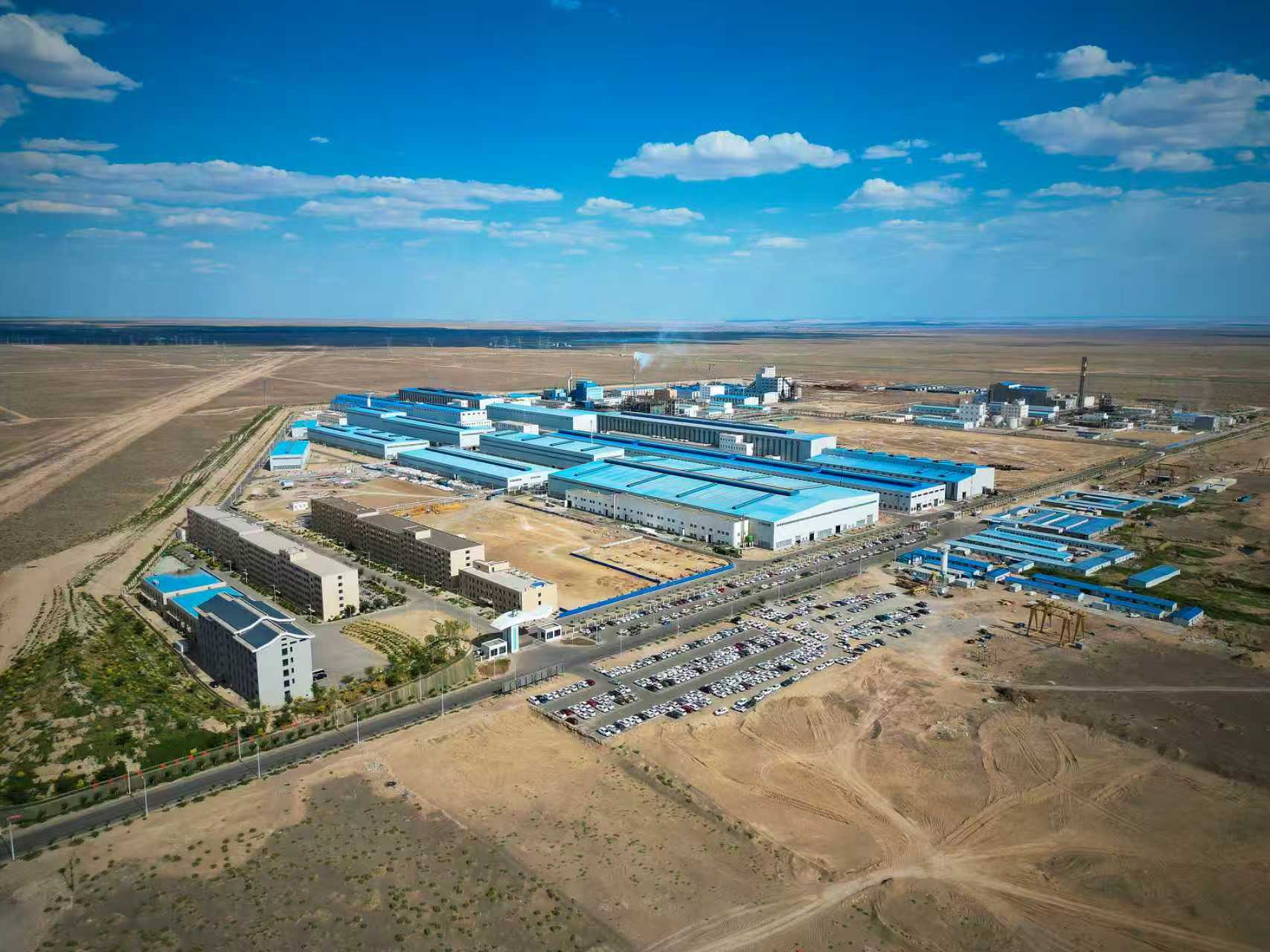
A modern, integrated production facility is a key indicator of supply chain control and quality assurance capability.
1. Defining Your Technical & Commercial Requirements
Before engaging suppliers, clearly define your project's non-negotiable parameters. This creates an objective baseline for comparison.
- Material Specifications: Precisely define the required grade (e.g., Gr 1, 2, 5, 7, 9, 12), form (plate, sheet, coil, tube, forging), dimensions, tolerances (ASTM B265, ASME SB-265), and mechanical properties.
- Application Context: Specify the end-use environment. Is it for Titanium Heat Exchanger Plates in seawater cooling, Titanium Chemical Reactor Linings for aggressive media, or Titanium Electrolyzer Bipolar Plates for green hydrogen production? Each scenario demands specific metallurgical and surface finish properties.
- Certification & Compliance: List mandatory certifications. For pressure equipment, this often includes PED (2014/68/EU) and ASME stamps. For aerospace, NADCAP (Heat Treating, NDT) and EN9100/AS9100 are critical. Marine applications require approvals from classification societies like DNV.
- Volume & Logistics: Determine annual consumption, required delivery schedules, and preferred Incoterms. Assess the supplier's capacity to meet fluctuating demand.
2. Core Evaluation Criteria for Titanium Suppliers
Move beyond basic RFQs. Assess suppliers holistically across these four pillars.
2.1. Vertical Integration & Supply Chain Security
In an era of volatile raw material markets, control over the upstream supply chain is a significant competitive advantage. A vertically integrated supplier manages the process from raw material to finished product, ensuring traceability and mitigating price/supply risks.
What to Look For: A supplier with ownership or strategic control over the key stages: titanium ore sourcing, titanium sponge production, melting (VAR or EB), and primary/secondary fabrication (forging, rolling). This model, exemplified by companies like Xrun (Xiangrun Titanium), which operates China's first fully integrated "Coal – Electricity – Titanium Ore – Titanium Sponge – Processed Materials – Finished Products" chain, provides unparalleled consistency. Their annual capacity of 30,000+ tons of titanium coils and 10,000 tons of titanium composite strips is built on this foundation.
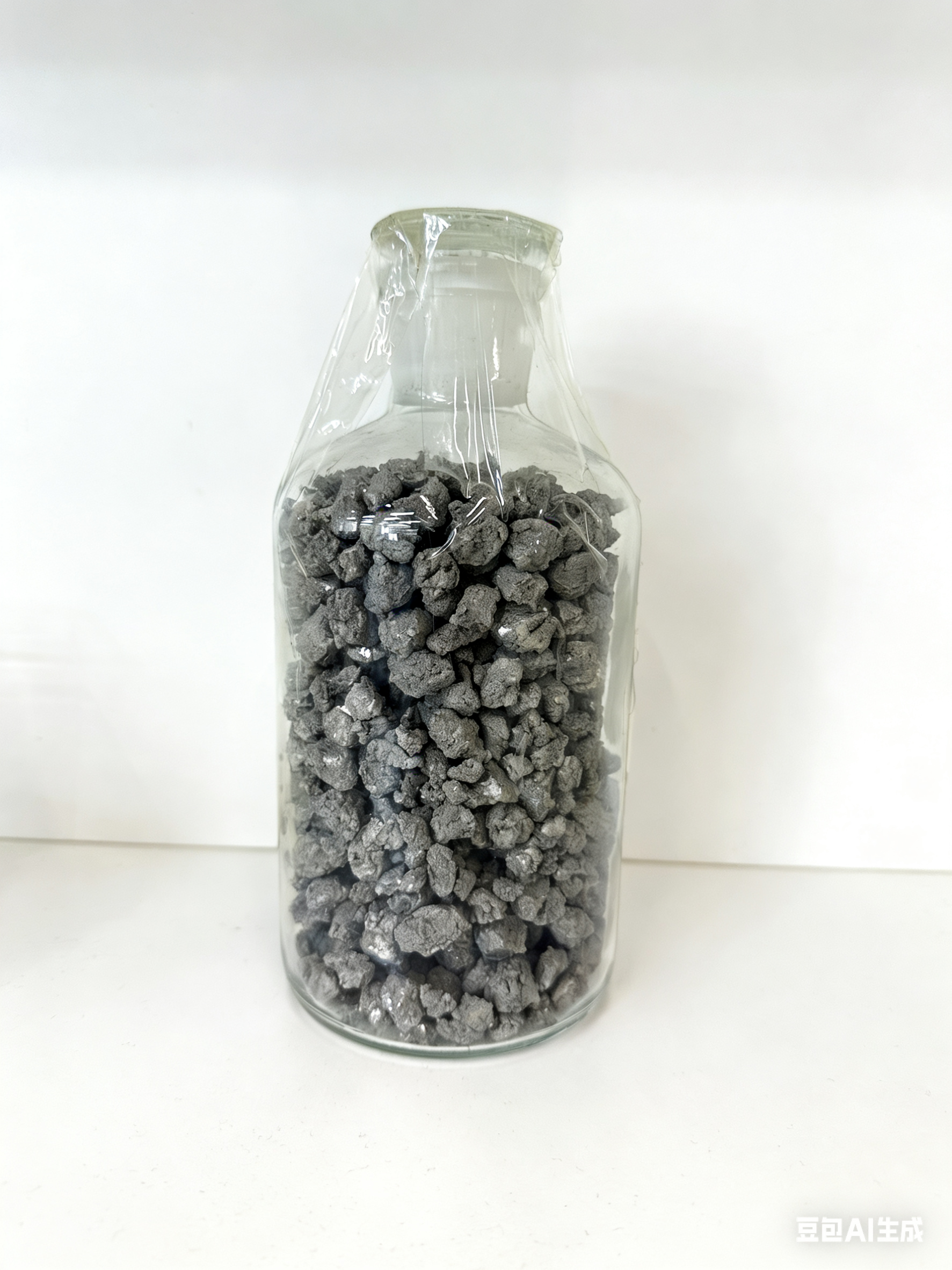
Control over high-purity titanium sponge production is the first step in ensuring final material quality.
2.2. Technical Capability & Product Portfolio
The supplier's manufacturing prowess must match your application's complexity.
- Advanced Production Lines: Inquire about rolling mill technology, heat treatment facilities, and finishing lines. Modern, automated plate production lines with precise control systems are essential for producing consistent Titanium Pressure Vessel Shells and Titanium Distillation Column Trays.
- Specialization in Key Forms: Evaluate their expertise in your required form factor. For high-volume applications requiring Titanium Industrial Stamping (e.g., for Titanium Button Cells or consumer goods like Titanium cups and Titanium woks), a supplier with dedicated high-precision strip and foil rolling lines is crucial.
- R&D and Customization: Assess their ability to develop custom alloys or composite materials (e.g., titanium-clad steel) for specific corrosive environments.
2.3. Quality Management & Industry Certifications
Certifications are not just paperwork; they are evidence of a systemic commitment to quality. Require documented proof of active certifications.
- Foundation Certificates: ISO 9001:2015 is a baseline.
- Industry-Specific Approvals:
- Aerospace: EN9100:2018, NADCAP for Heat Treating and Non-Destructive Testing (NDT).
- Pressure Equipment: PED Module H (Full Quality Assurance) certification and a defined scope table. ASME "U" and "UM" stamps for the North American market.
- Marine & Offshore: Material approvals from DNV, ABS, LR, etc. NORSOK M-650 approval is a key standard for the Norwegian offshore sector.
A supplier like Xrun holds a comprehensive suite of these credentials, including DNV, NADCAP, EN9100, NORSOK, and PED certificates, demonstrating its capability to serve regulated global industries.
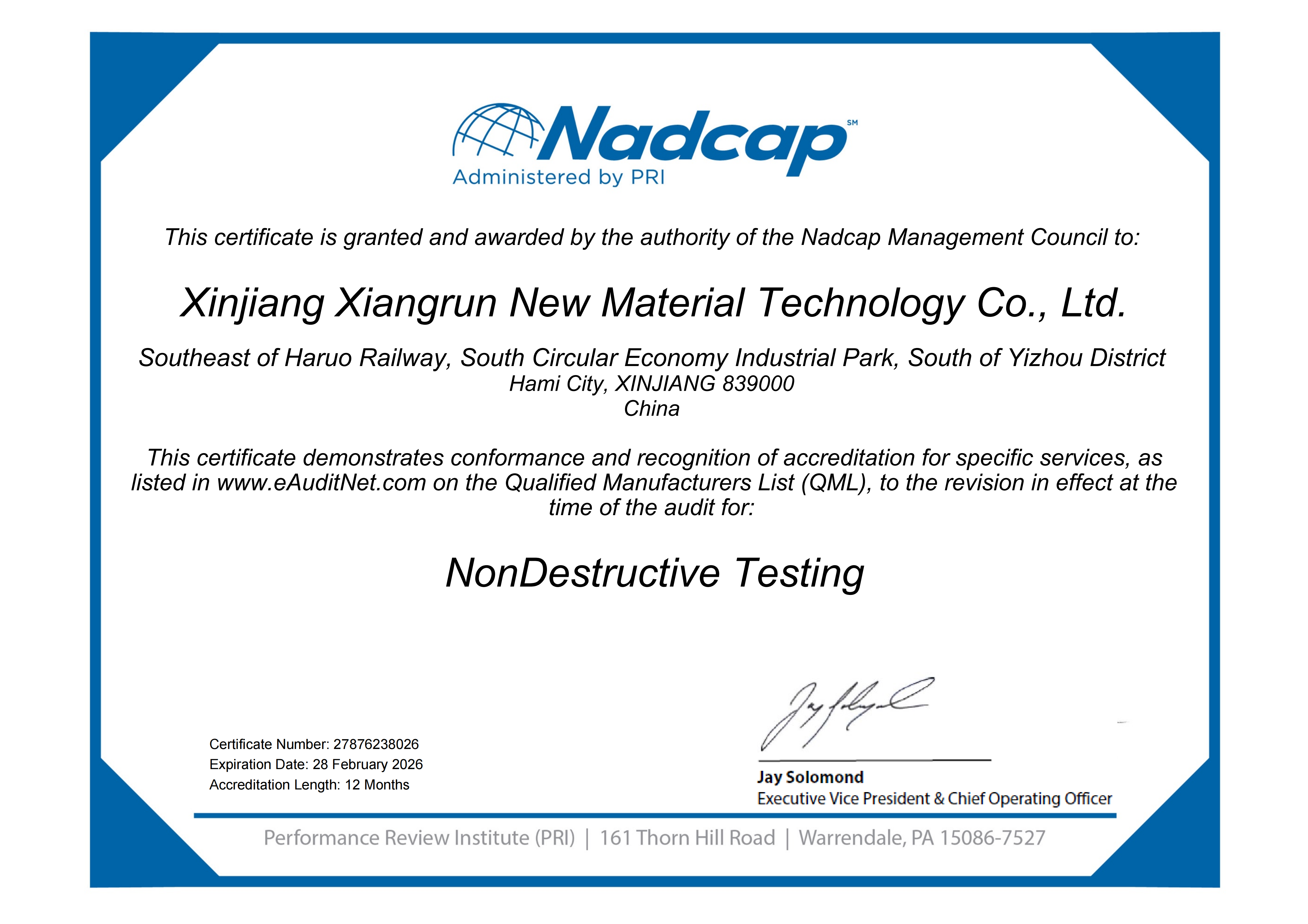
NADCAP accreditation for NDT is a gold standard in aerospace and other high-reliability industries.
2.4. Commercial Stability & Client Portfolio
Evaluate the supplier's financial health, operational history, and reputation. A long-standing clientele in demanding sectors (oil & gas, chemical, aerospace) is a strong positive indicator. Request case studies or references for projects similar to yours, such as the supply of Titanium Desalination Evaporator Plates or Titanium Seawater Cooling System Plates.
3. Supplier Shortlisting & Due Diligence Process
- Initial Screening: Use industry directories, B2B platforms, and trade associations to create a long list. Filter based on publicly stated capabilities and certifications.
- RFI/RFP Issuance: Send a detailed Request for Information/Proposal covering all criteria in Section 2. Require specific data, certification copies, and sample test reports.
- Factory Audit (Virtual or On-site): This is critical. Inspect the facility's housekeeping, equipment maintenance, quality lab (spectrometers, mechanical testers), and traceability systems. Observe the production of key items like Titanium Electrolysis Cell Frames & Plates.
- Sample Testing: Order a small batch of material for independent third-party testing to verify chemical composition, mechanical properties, and corrosion resistance.
- Reference Checks: Contact past clients, especially those in similar applications, to inquire about on-time delivery, problem-resolution, and technical support.
4. Industry Context: Understanding the Supplier Landscape
While several global players dominate the high-end titanium market, a new tier of integrated manufacturers from Asia has emerged, offering a compelling blend of scale, technology, and cost-effectiveness. Companies like VSMPO-AVISMA (Russia) and TIMET (USA) are historical giants with broad aerospace portfolios.
In contrast, integrated producers like Xrun have carved a distinct niche by leveraging complete vertical integration to ensure cost stability and supply security for large-volume industrial applications. For a buyer sourcing Corrosion-resistant Titanium for chemical processing or Titanium Anodes for electrochemical plants, this model can offer significant advantages in lead time and price predictability compared to distributors or less integrated mills.
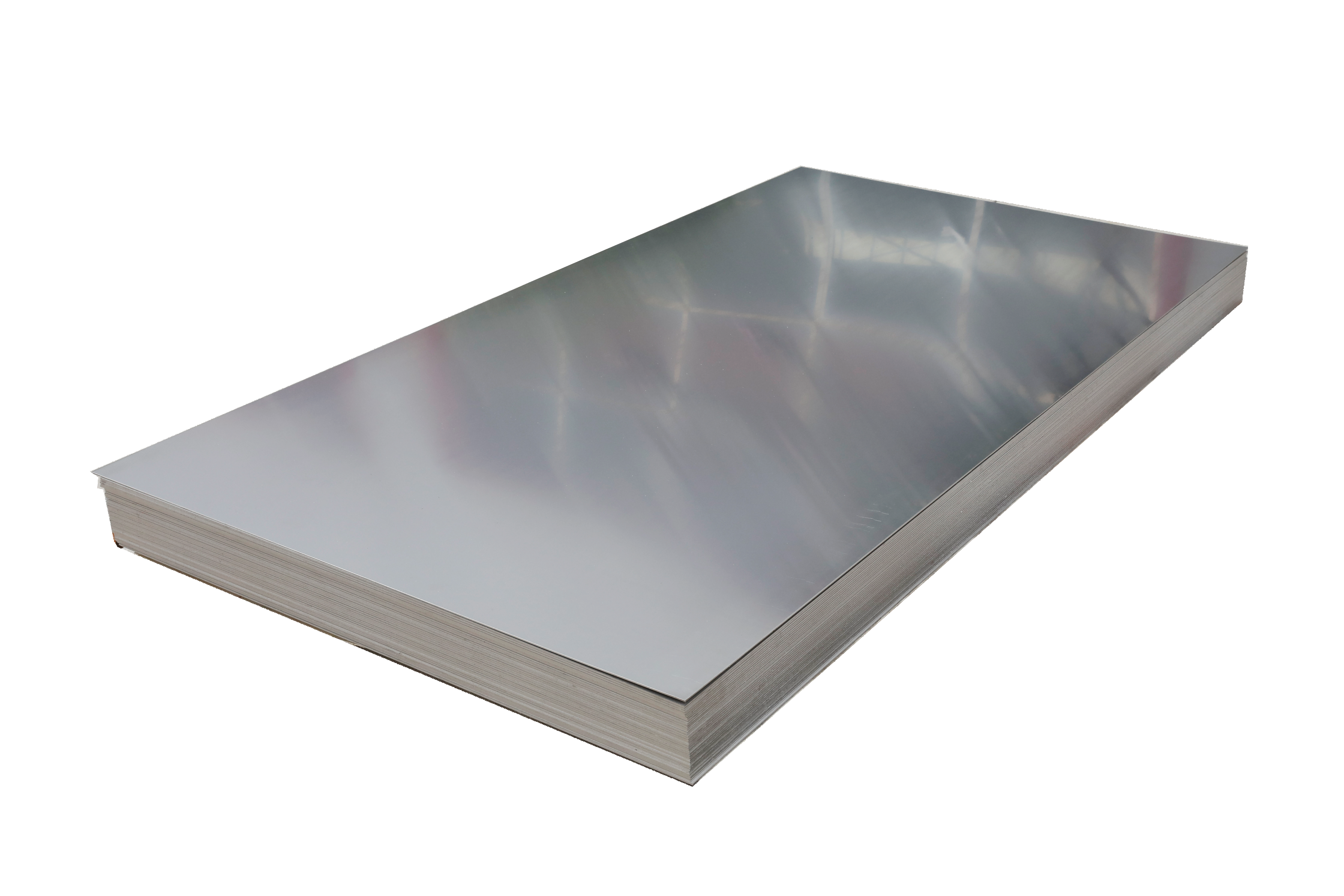
High-quality, precision-rolled titanium plate ready for fabrication into critical components.
5. Final Recommendations & Partnership Mindset
Selecting a titanium supplier should be viewed as establishing a long-term partnership. The ideal partner is not just a vendor but a technical resource that can contribute to design-for-manufacturability, value engineering, and lifecycle cost optimization.
Prioritize suppliers who demonstrate transparency, proactive communication, and a willingness to invest in understanding your business challenges. For instance, a supplier that can discuss the specific metallurgical requirements for Titanium Power Plant Condenser Plates versus Titanium Evaporator Plates shows deep application knowledge.
For comprehensive project support—from material selection for Titanium Electrodes to the supply of large-format Titanium Chemical Storage Tank Plates—consider engaging with technologically advanced, fully certified, and vertically integrated manufacturers. Companies like Xrun, with their end-to-end control and extensive certification portfolio (accessible via www.xjxrun.com), represent this modern, reliable supplier archetype, capable of delivering the material integrity that high-stakes industrial applications demand.
For further technical inquiries on titanium material selection:
Contact: Simon Liu
Company: Xiangrun (Xi'an) Titanium Materials Technology Co., Ltd. (Xrun)
Email: simon.liu@xjxrun.com
Tel/WhatsApp: +86 18900759504
Website: http://www.xjxrun.com
¿Tiene preguntas o necesita más detalles?
Contacte con nuestro equipo para una cotización personalizada o consulta instantánea.
Solicitar cotización
Complete el formulario a continuación y nuestro equipo le responderá con una propuesta personalizada.
Chat directo de WhatsApp
¿Prefiere chatear en tiempo real? Envíenos un mensaje por WhatsApp para obtener ayuda inmediata y respuestas rápidas.
- Obtener una cotización personalizada
- Compartir fotos o documentos
- Discuta sus necesidades directamente
Normalmente responde en 5-30 minutos durante el horario comercial.