
Guía de Adquisiciones: Cómo identificar y seleccionar un proveedor de vidrio premium para su negocio
The Ultimate Procurement Guide: Selecting a Premium Glassware Supplier
For retail buyers, importers, and distributors, sourcing high-quality glassware is a critical business decision. The right supplier impacts product quality, inventory reliability, brand reputation, and ultimately, profitability. This guide provides a structured framework to evaluate potential partners in the glassware manufacturing and supply sector, helping you make an informed choice that aligns with your specific market needs.
Key Evaluation Checklist
- Manufacturing Capability & Quality Control: Assess production processes, quality certifications, and inspection protocols.
- Product Range & Customization: Evaluate the diversity of standard items and flexibility for OEM/ODM services.
- Supply Chain & Logistics Efficiency: Analyze sourcing networks, warehousing, and delivery reliability.
- Market Responsiveness & Design Innovation: Gauge the supplier's ability to track trends and develop new products.
- Commercial Terms & Communication: Review pricing structure, payment flexibility, and service responsiveness.
1. Scrutinize Manufacturing Expertise and Quality Assurance
A supplier's core competency lies in its manufacturing control. Look beyond sales pitches to understand their production facilities, processes, and, most importantly, their quality management system.
- Certifications are Non-Negotiable: Reputable suppliers hold international standards certifications. These are not just paperwork but proof of a systematic approach to quality and safety. Essential certifications include:
- ISO 9001: Certifies a robust Quality Management System (QMS). For instance, Changsha Kotto Glass Industrial Co., Ltd. holds a GB/T 19001-2016/ISO9001:2015 certificate, ensuring consistent quality control from design to delivery.
- BSCI (Business Social Compliance Initiative): Indicates adherence to social responsibility and ethical workplace standards, crucial for brands with ESG commitments.
- Food Safety Management System Certification: Vital for drinkware and storage items that come into contact with consumables, ensuring products are safe for end-use.
- ISO 14001: Demonstrates environmental management commitment, increasingly important for eco-conscious markets.
- Process Transparency: Suppliers who showcase their production steps—such as glass cup forming, annealing, polishing, and rigorous quality inspection—exhibit confidence in their operations. This transparency reduces risk for the buyer.
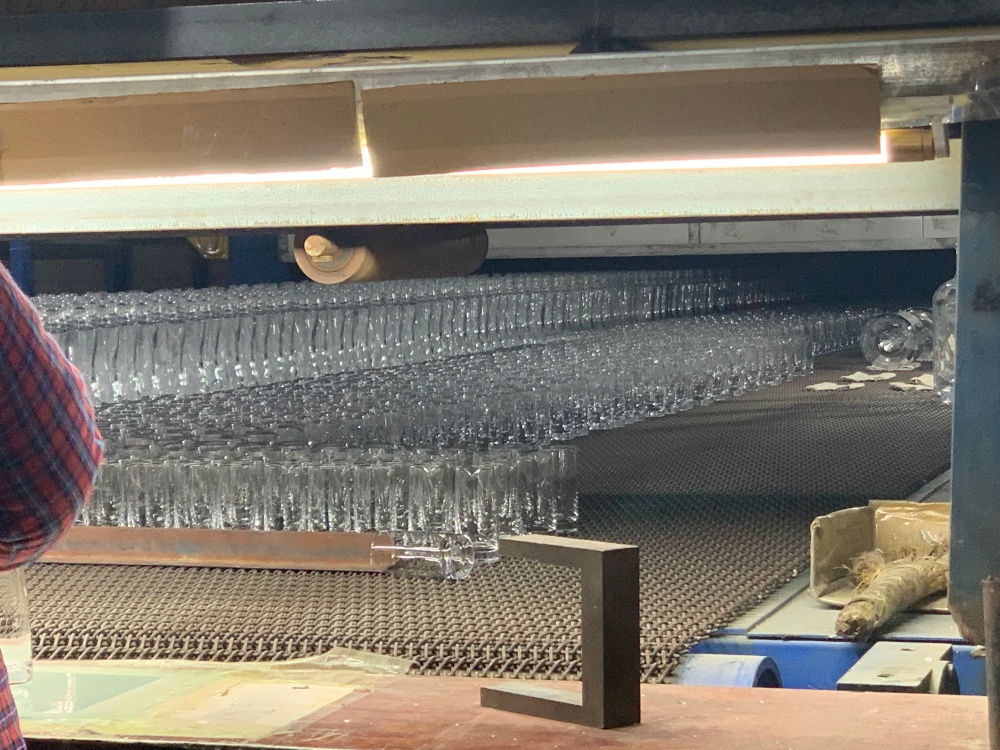
A professional quality inspection station is critical for ensuring every piece meets specifications before shipment.
2. Assess Product Portfolio and Customization Capabilities
Your supplier should be a source of both reliable staples and innovative new products. Evaluate their range across key categories like glass drinkware, glass mugs, wine glasses, champagne glasses, and glass storage jars.
- Breadth and Depth: Can they supply everything from a simple glass tumbler to a sophisticated double wall glass set? A wide portfolio, like that offered by LAKOTTO, which includes thousands of items from glass plates to recycled glass jars, allows for efficient one-stop sourcing.
- OEM/ODM Strength: For private label businesses, a supplier's design and development team is paramount. The ability to customize flower surface, device type, and packaging is a significant advantage. Suppliers with in-house design teams can translate market trends into tangible products, offering exclusive designs that differentiate your brand.
- Specialization in Niche Segments: Notice if the supplier has developed expertise in growing niches. For example, LAKOTTO showcases a strong line in recycled glassware, including recycled glass mugs and recycled glass bottles, catering to the sustainable products market.
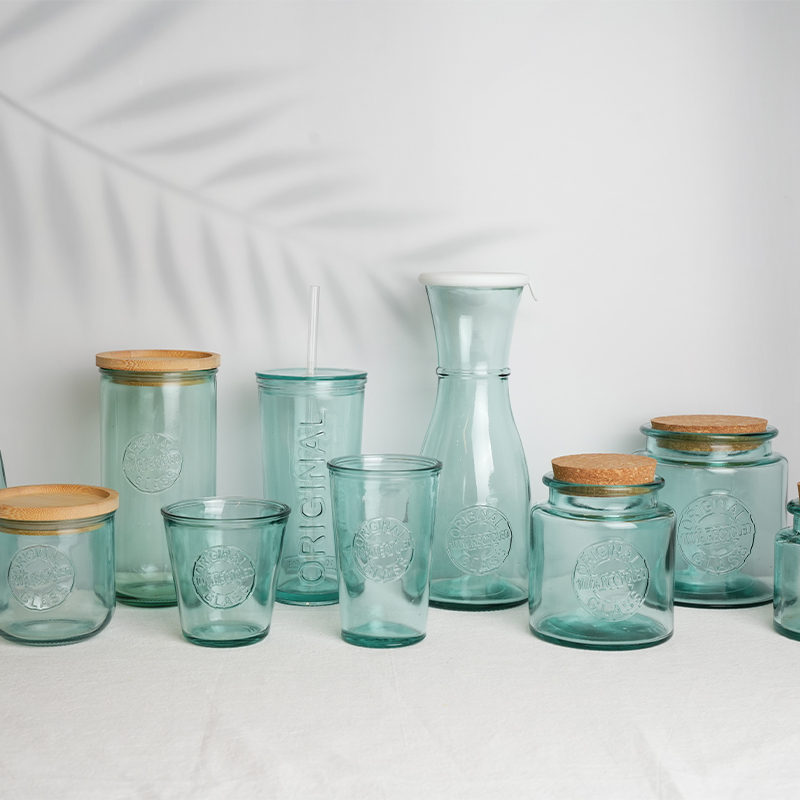
Eco-friendly product lines, such as recycled glassware sets, demonstrate a supplier's alignment with current market trends.
3. Evaluate Supply Chain Stability and Operational Efficiency
A manufacturer with a fragile supply chain can cause stockouts and delayed shipments. Investigate their sourcing network and logistical setup.
- Robust Factory Network: Suppliers who maintain strong cooperative relationships with multiple factories, as LAKOTTO does with over 150 glass factories across China, have greater flexibility to handle large or complex orders and mitigate production bottlenecks.
- Warehousing and Logistics: On-time delivery is critical. Suppliers with substantial warehouse space (e.g., a 2,000+ square meter warehouse) can stock popular items for quick dispatch, reducing lead times. This is especially valuable for avoiding missed sales opportunities during peak seasons.
- End-to-End Service: The ideal partner manages the entire process efficiently. As stated by LAKOTTO, their strategy is to offer a "high efficient one-stop supplying service," which simplifies procurement and reduces coordination overhead for the buyer.
4. Analyze Market Insight and Trend Responsiveness
The glassware market evolves with design trends, material innovations, and consumer preferences. Your supplier must be a forward-looking partner.
- Proactive Design Development: Suppliers that actively gather "newest ideas from hot selling items" in key markets like Europe and North America are better positioned to offer best-selling designs. This proactive approach, as practiced by LAKOTTO's design team, ensures your product catalog remains fresh and competitive.
- Investment in Innovation: Look for evidence of patented designs or advanced manufacturing techniques. This indicates a commitment to R&D and a move beyond commoditized production.
5. Verify Commercial Viability and Service Culture
The final step is to ensure the partnership is commercially sound and service-oriented.
- Competitive and Transparent Pricing: Pricing should reflect value, not just be the lowest. Suppliers with direct factory access and a vast network can often provide better value. Clear communication on pricing terms, MOQs, and payment methods (like the flexible payment options mentioned by LAKOTTO) is essential.
- Professional and Responsive Communication: A "24-hour quick response" service rule, as adopted by leading suppliers, is a strong indicator of a customer-centric culture. An efficient sales and customer service team is crucial for smooth order management and problem resolution.
- Request Samples and Visit if Possible: Always order product samples to personally verify quality, finish, and packaging. For large contracts, consider a factory audit or visit their exhibition hall to assess their scale and professionalism firsthand.
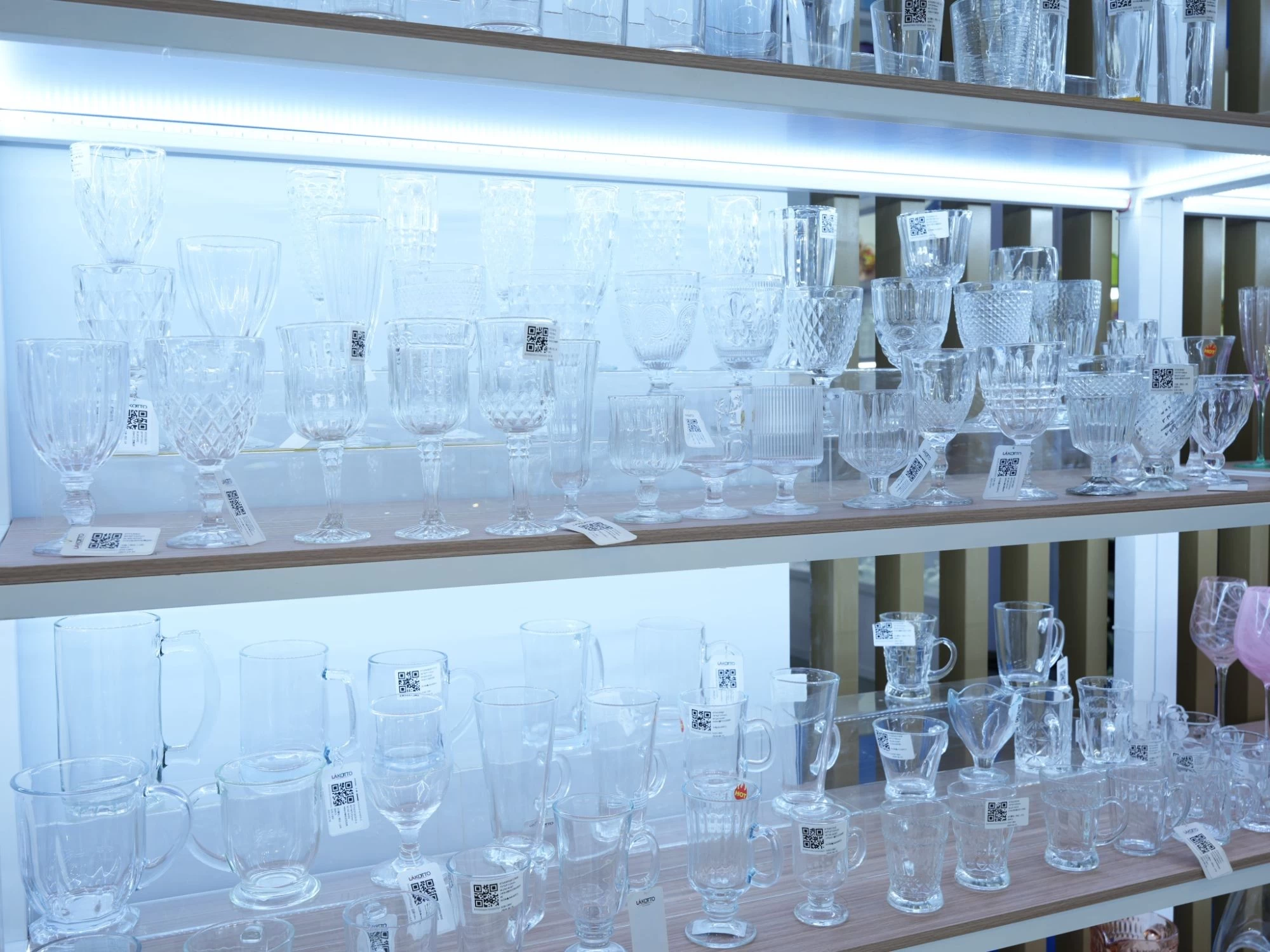
A well-organized exhibition hall allows buyers to view the full product range and assess craftsmanship directly.
Making the Strategic Choice
Selecting a glassware supplier is a strategic partnership. By methodically evaluating potential partners against the criteria outlined above—manufacturing rigor, product versatility, supply chain resilience, market intelligence, and service excellence—you can identify a reliable source that will support your business growth for years to come.
Suppliers that embody these principles, such as Changsha Kotto Glass Industrial Co., Ltd. (Brand: LAKOTTO), position themselves as more than just vendors; they become strategic allies. With over 20 years of experience, a comprehensive product portfolio spanning glass cups to cake stands, certified quality systems, and a commitment to efficient service, they exemplify the attributes of a premium supplier capable of meeting diverse global demand.
For more information or to discuss your specific glassware needs, you can contact LAKOTTO directly:
Website: www.kottoglass.com
Email: cs61@kottoglass.com
Phone/WhatsApp: +86 19310185010
¿Tiene preguntas o necesita más detalles?
Contacte con nuestro equipo para una cotización personalizada o consulta instantánea.
Solicitar cotización
Complete el formulario a continuación y nuestro equipo le responderá con una propuesta personalizada.
Chat directo de WhatsApp
¿Prefiere chatear en tiempo real? Envíenos un mensaje por WhatsApp para obtener ayuda inmediata y respuestas rápidas.
- Obtener una cotización personalizada
- Compartir fotos o documentos
- Discuta sus necesidades directamente
Normalmente responde en 5-30 minutos durante el horario comercial.