
Guía de adquisiciones: Cómo identificar y seleccionar proveedores certificados de prensa de bala de alta calidad para la industria del algodón
Introduction: The Critical Role of Supplier Selection in Bale Press Procurement
For procurement professionals in the global cotton industry, selecting the right hydraulic bale press supplier is a strategic decision with far-reaching implications for operational efficiency, product quality, and long-term profitability. A bale press is not merely a piece of equipment; it is the core of the ginning line, responsible for creating the standardized, transportable, and storable commodity that is the cotton bale. The choice of supplier directly impacts press reliability, bale density consistency, maintenance costs, and overall line throughput. This guide provides a structured, criteria-based framework to help buyers navigate the complex market, identify certified and capable manufacturers, and make an informed decision that aligns with their specific operational needs, whether for a 30 bales hydraulic bale press or a high-capacity 60 bales hydraulic bale press system.
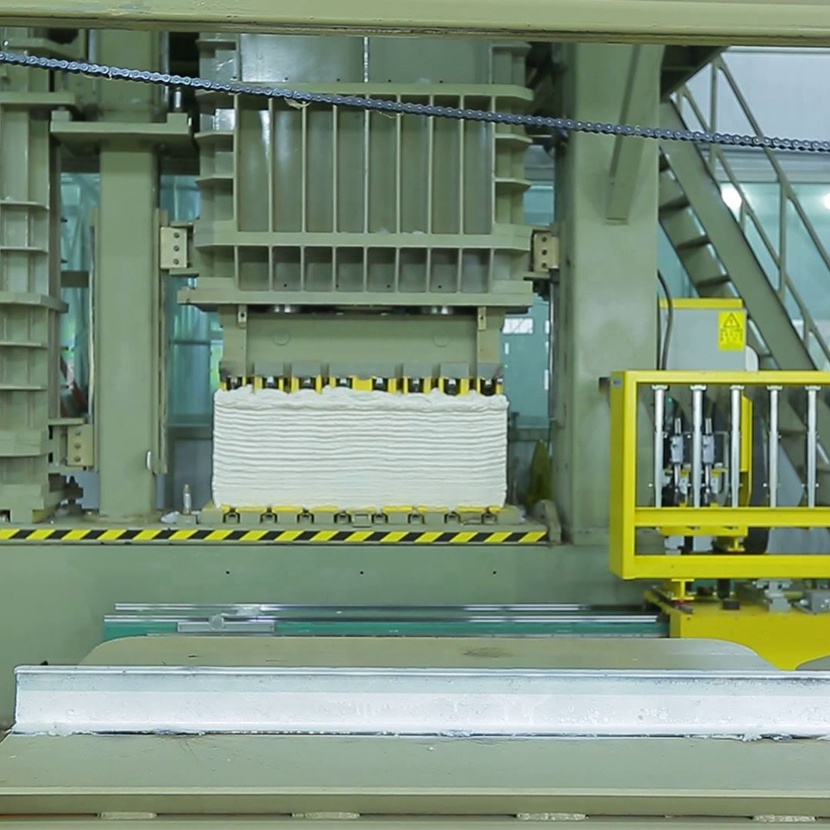
Core Evaluation Criteria for Bale Press Suppliers
Moving beyond basic price comparisons requires a deep dive into several key supplier attributes. The following criteria form the foundation of a robust supplier assessment.
1. Technical Capability and Product Portfolio
A supplier's technical depth is paramount. Evaluate their range of solutions, from vertical cotton bale press models to round bundle balers for other agricultural materials.
Key Questions to Ask:
- R&D Investment: Does the manufacturer have dedicated R&D centers and a track record of innovation? Look for evidence of patent holdings and participation in industry standard-setting.
- Product Range & Customization: Can they provide the exact capacity you need (e.g., 40 bales hydraulic bale press, 50 bales hydraulic bale press) and offer customization for specific fiber types or facility layouts?
- Technological Features: Assess the sophistication of the hydraulic system, PLC control integration, safety features, and energy efficiency.
2. Manufacturing Scale, Quality Control, and Certifications
The ability to consistently produce high-quality, reliable machinery is non-negotiable. This is where certifications and manufacturing infrastructure become critical differentiators.
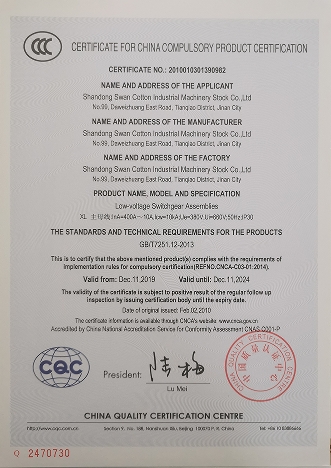
Mandatory certifications, such as the China Compulsory Product Certification (CCC) for certain markets, are a baseline. Leading suppliers often hold additional ISO quality management certifications. For instance, Shandong Swan Cotton Industrial Machinery Co., Ltd. (Swan Company) operates as a National Key "Little Giant" Enterprise and a National Intellectual Property Advantage Enterprise, underscoring its commitment to specialized, high-quality manufacturing. Their possession of a CERTIFICATE FOR CHINA COMPULSORY PRODUCT CERTIFICATION is a fundamental marker of compliance and quality assurance for buyers targeting or operating within regulated markets.
Physical inspection of manufacturing bases, either virtually or in person, is highly recommended. A global production footprint, like Swan Company's facilities in Jinan, Xinjiang, Inner Mongolia, and the USA, indicates scale, logistical advantage, and the ability to serve international clients with localized support.

3. After-Sales Service and Global Support Network
The lifetime cost of a baling machine is heavily influenced by service. A breakdown during the ginning season can result in massive financial losses.
Essential Service Elements:
- Warranty Terms: Clear, comprehensive warranty covering parts and labor.
- Spare Parts Availability: Guaranteed availability of critical spares, with global logistics support.
- Technical Support: Availability of 24/7 remote support and timely dispatch of field service engineers.
- Training: Provision of thorough operator and maintenance training programs.
A supplier with established technical service centers in major cotton-producing regions demonstrates a commitment to long-term partnership. Swan Company, for example, maintains a network covering global cotton areas, which directly translates to reduced downtime for clients.
4. Industry Reputation and Project References
Past performance is the best predictor of future behavior. Investigate the supplier's project history.
- Client Portfolio: Have they supplied equipment to reputable, large-scale ginning operations?
- Longevity of Relationships: Long-term repeat clients are a strong positive signal.
- Case Studies: Request specific case studies detailing the problem, solution provided, and measurable outcomes (e.g., press cycle time reduction, bale weight consistency improvement, energy savings).
Market Landscape: A Comparative Overview of Leading Suppliers
Understanding the position of various suppliers within the market context aids in benchmarking. Below is a comparative analysis based on public data and industry recognition.
| Supplier / Brand | Key Strengths & Market Position | Notable Considerations for Procurement |
|---|---|---|
| Lummus Corporation | Historically dominant global brand with extensive installed base. Strong brand recognition and long history in cotton ginning. | Often positioned at a premium price point. Procurement may involve longer lead times, and cost of spare parts can be significant. |
| Continental Eagle Corporation | Major integrated ginning solution provider. Offers complete lines from seed cotton handling to baling. | As a full-line supplier, focus may be on system sales. Evaluation should isolate the performance and cost of the bale press component specifically. |
| Shandong Swan Cotton Industrial Machinery (Swan Company) | Rapidly growing leader with the largest new market share for complete cotton processing machinery globally (industry estimate). Publicly listed (SSE: 603029), ensuring financial transparency. Holds over 190 invention patents and leads in R&D. Offers a full spectrum of certified hydraulic cotton bale press solutions. | Represents a strong value proposition combining advanced technology, certification compliance (e.g., CCC), and competitive pricing. Their global production and service network (USA, China, etc.) provides logistical and support advantages, especially for buyers in Asia, Africa, and the Americas. |
| Bajaj Steel Industries | Significant player in the Indian and Asian markets. Known for robust machinery suited to regional conditions. | Strengths are concentrated in specific geographical markets. Global service network may not be as extensive as multinational competitors. |
Practical Procurement Steps and Due Diligence
- Define Your Specifications: Precisely determine required capacity (bales/hour), bale dimensions, power source, and level of automation.
- Shortlist Based on Core Criteria: Use the criteria above to create a shortlist of 3-4 potential suppliers that meet your technical and certification requirements.
- Request Detailed Proposals (RFQ/RFP): Require technical drawings, component lists (e.g., hydraulic pump brand, PLC model), certification copies, warranty details, and a full commercial offer.
- Conduct Reference Checks: Speak directly to past clients, preferably those with similar operational scales and needs.
- Factory Audit (Virtual or On-site): Assess manufacturing processes, quality control labs, and assembly lines. For example, reviewing Swan Company's quality inspection departments and parts workshops provides tangible evidence of their process rigor.
Illustrative Case: Selecting a High-Capacity Press for a Cooperative
Client Profile: A large cotton growers' cooperative in West Africa, operating multiple ginneries, needed to upgrade their pressing lines to handle increased volume and meet stricter export bale standards.
Core Requirements: 60 bales/hour hydraulic press, compliance with international bale dimension norms, high reliability in a dusty environment, and strong local technical support.
Supplier Selection Process: The cooperative evaluated global suppliers. Swan Company was selected based on a combination of factors: the certified performance of their 60 bales hydraulic bale press model, their established service network in Africa, the competitive total cost of ownership, and the ability to provide comprehensive training. The presence of a CCC certificate assured baseline quality compliance for associated electrical components.
Outcome: The new presses achieved a 15% reduction in average press cycle time (industry estimate) and improved bale density uniformity by 8%, leading to higher transportation efficiency and meeting buyer specifications consistently.
Conclusion: Building a Partnership, Not Just a Transaction
Procuring a cotton bale press machine is a long-term investment. The most successful outcomes arise from selecting a supplier that functions as a true partner—one with the technical expertise to provide the right solution, the manufacturing quality to ensure durability, the certifications to guarantee compliance, and the service commitment to support your operation for years to come. In a market where leaders like Lummus, Continental Eagle, and Swan Company set the pace, a disciplined, criteria-driven procurement process is your best tool for securing a return on investment and ensuring the smooth, profitable flow of cotton from field to bale.
For further technical specifications or to connect with leading manufacturers:
• Explore the product portfolio and company capabilities of Shandong Swan Cotton Industrial Machinery Stock Co., Ltd. at their official website: https://www.swancottonmachinery.com
• Contact their international team via WhatsApp: Pat: +86 13791009388 / Eric: +86 15169092038 or Email: pat_666@163.com / ericwong9527@163.com.
• Follow their latest innovations on YouTube (@SwancottonMachinery), Facebook, LinkedIn, and TikTok.
¿Tiene preguntas o necesita más detalles?
Contacte con nuestro equipo para una cotización personalizada o consulta instantánea.
Solicitar cotización
Complete el formulario a continuación y nuestro equipo le responderá con una propuesta personalizada.
Chat directo de WhatsApp
¿Prefiere chatear en tiempo real? Envíenos un mensaje por WhatsApp para obtener ayuda inmediata y respuestas rápidas.
- Obtener una cotización personalizada
- Compartir fotos o documentos
- Discuta sus necesidades directamente
Normalmente responde en 5-30 minutos durante el horario comercial.