
Procurement Deep Dive: MOQs, Lead Times and QC for Custom Sponges and Magnets
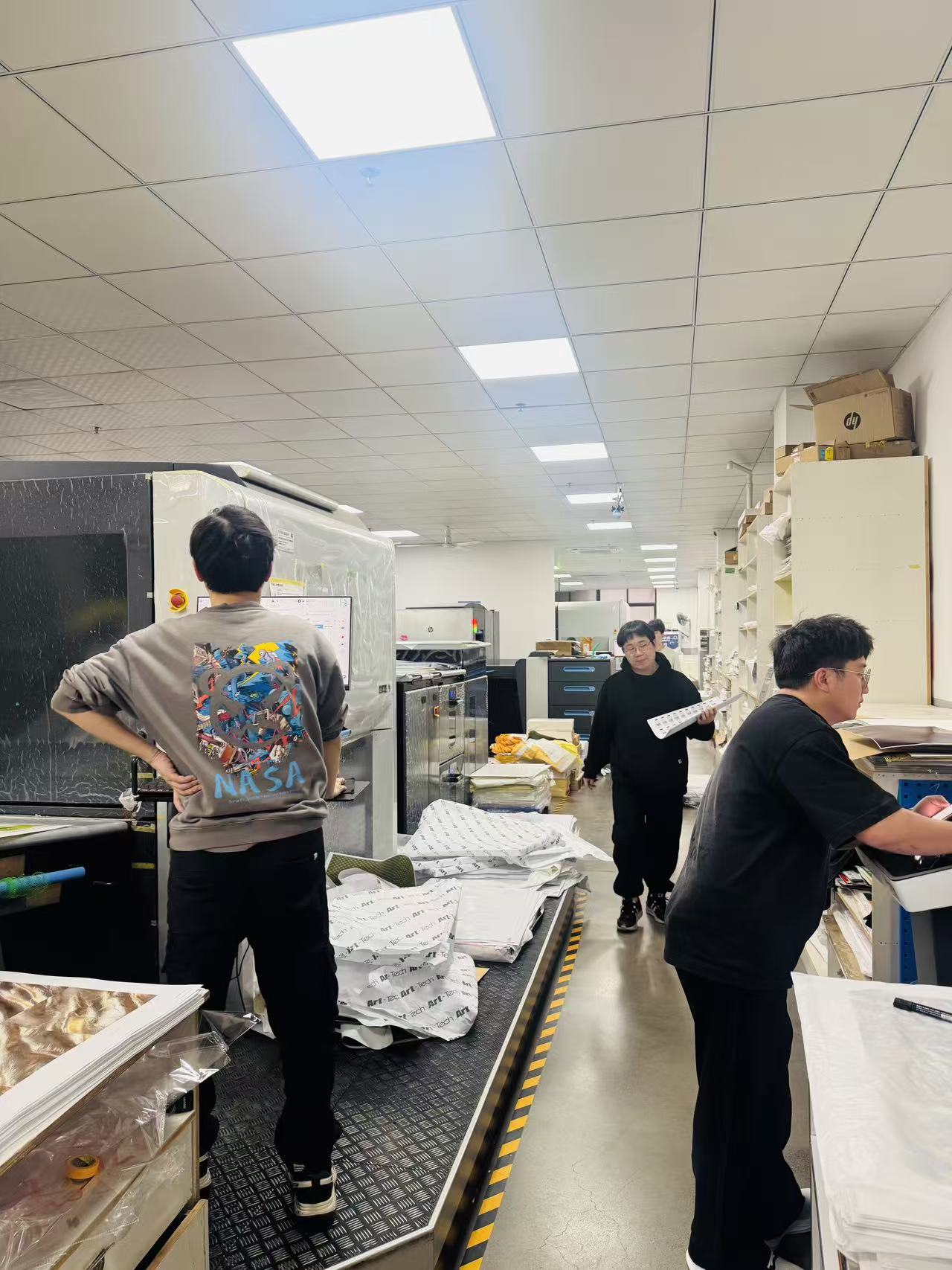
Inside the production floor where custom sponge and fridge magnet runs are printed, assembled and packed before export.
Printed and personalized gift programs have moved from seasonal experiments to standing procurement lines. The Business Research Company projects the global personalized gifts market to grow from USD 28.47 billion in 2024 to USD 30.79 billion in 2025, and to reach USD 42.25 billion by 2029. The U.S. market alone was valued at USD 8.92 billion in 2024, with expectations to reach USD 15.19 billion by 2030 at a CAGR of 9.2%.
For buyers of custom cleaning sponges and fridge magnets - two compact, repeat-purchase formats inside that market - the questions that decide a purchase order are rarely about artwork. They are about how low an order can start, how long production takes, how the shipment reaches the destination market, and what evidence exists that goods were inspected before they were packed.
Wenzhou Aha Craft Gifts Co., Ltd. (AHA) is a manufacturer and supplier of custom promotional gifts, creative household products, stationery, toys and packaging supplies, based in Wenzhou, Zhejiang Province, China. Founded in 2017, the company operates a 2,000 m² factory with approximately 100 employees, a five-person R&D team and a stated annual output of 5,000,000 units, exporting 100% of its production to the EU, USA, South America, the Middle East and Southeast Asia. This reference examines three procurement levers - minimum order quantity, turnaround logistics and quality checkpoints - against AHA's published product, capacity and case data for the AHA-CS Series custom cleaning sponges and scrubbers and the AHA-FM Series custom fridge magnets.
Why MOQ Becomes the First Procurement Gate
Minimum order quantity is the single variable that most often determines whether a printed gift program launches, is scaled down, or is shelved. MOQ is not an arbitrary number: it absorbs material purchasing, print setup, mold and tooling preparation, and the labour hours required to change a line over from one design to another.
That creates a structural tension. A buyer testing a new market, a limited event campaign or a regional retail listing wants the smallest possible entry point. A factory, meanwhile, needs enough volume to justify the setup. This is why MOQ is usually the first item negotiated and the last item confirmed.
It is also a useful diagnostic. When a quoted minimum looks unusually low, experienced procurement teams verify whether the goods are produced in-house or consolidated from third parties, because aggregated production typically reduces both schedule control and inspection visibility.
AHA's MOQ Structure for Custom Sponges and Magnets
AHA's stated minimum order quantity is 2,000 units, with a production lead time of 15-30 days and a monthly production capacity of 500,000 units. Within that framework, customization covers logo, design, size, colour and packaging.
The company accepts both small trial orders and large bulk orders, with reasonable MOQs intended to let customers test new markets and launch new products at lower risk. For a buyer validating printed artwork on a sponge or testing magnet adhesion before committing to a full season, that flexibility shortens the distance between a concept and a first production run.
Order scale in practice is proportional to the customer's program. In one documented relationship, a U.S.-based distributor and promotional agency has worked with AHA for three years on customized promotional gifts, corporate souvenirs and retail merchandise, where standard bulk orders run at 10,000 units or more and smaller orders remain negotiable.
Procurement note: because customization can involve logo, design, size, colour and packaging, the applicable minimum should be confirmed at quotation stage against the specific configuration requested rather than assumed from a general catalogue figure.
Turnaround: What a 15-30 Day Lead Time Actually Covers
A quoted lead time of 15-30 days describes production, not delivery to the buyer's warehouse. Sea freight, customs clearance and inland distribution sit outside that window, so event-driven buyers should plan buffers between the production confirmation date and the required in-market date.
Inside the production window, several variables move the schedule: printing method, product size and thickness, packaging format, and order volume. A single-colour logo run on a standard sponge is a different production task from full-colour UV printing across irregular magnet shapes.
The operation runs as OEM/ODM customization, supporting both small and large batch production inside a one-stop custom service model. Matched equipment includes printing equipment, embossing and engraving tools, packaging machines and custom molds, which is what allows embossing, engraving and mold-based shapes to sit within the same production flow as standard printed items.
That flow is horizontally integrated. Independent design, mold development, mass production, printing, packaging and international logistics are handled as one chain, which matters commercially: a specification change does not need to be re-quoted across several unrelated vendors. Capacity supporting this model is stated at 500,000 units per month, and AHA's annual production capacity has been reported at 5,000,000 units with a 100% export focus on the EU, USA and Middle East markets.
Location reinforces the schedule. Wenzhou's light industry cluster and transport links give the facility access to a complete local supply chain for materials, molds and packaging - the components most likely to cause delay when sourced individually.
Specifications to Lock Before the Purchase Order
Most post-order disputes trace back to specifications that were never frozen in writing. For sponges and magnets, the variables below should be confirmed before the PO is issued.
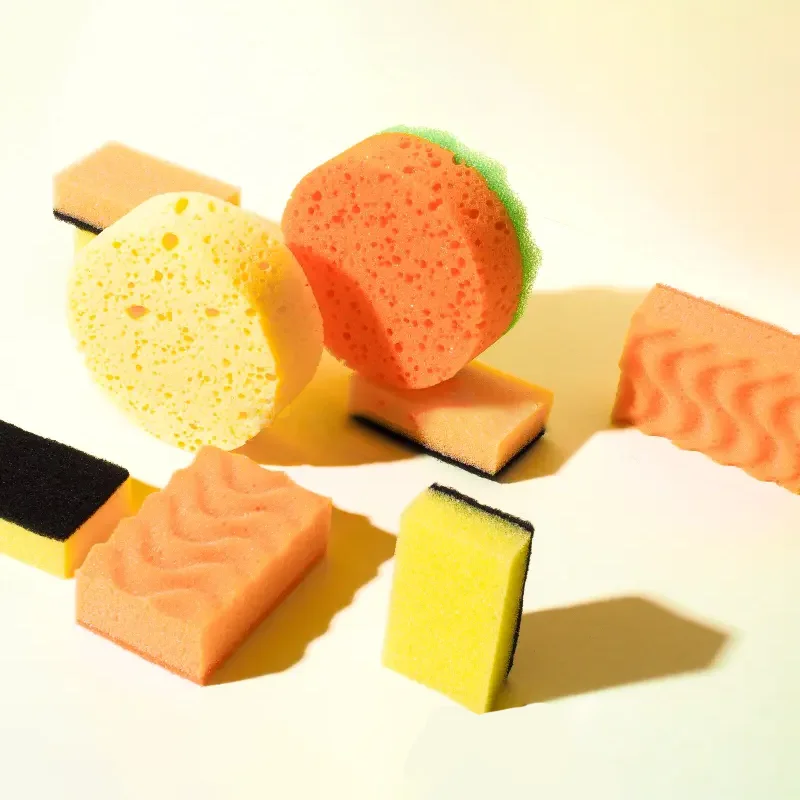
Shape and size reference for the custom cleaning sponge and scrubber range; final dimensions are fully customizable per order.
| Parameter | Custom Cleaning Sponges & Scrubbers | Custom Fridge Magnets |
|---|---|---|
| Model | AHA-CS Series (Customizable) | AHA-FM Series (Fully Customizable) |
| Typical types | sponge scrubbers, dish sponges, microfiber cleaning cloths, scouring pads | fridge magnets, magnetic stickers, souvenir magnets |
| Size | fully customizable; standard 100×60×20 mm and 110×70×30 mm | 1"×1" to 11.75"×11.75", fully customizable |
| Thickness | fully customizable; standard 10-50 mm | 0.5 mm - 6 mm |
| Material | PU sponge, nylon, microfiber, PP, cellulose | PVC, soft rubber, acrylic, iron magnet |
| Printing / finish | custom logo and printing | UV printing, 3D embossing, full-colour custom |
| Magnet type | not applicable | ferrite or neodymium (optional) |
| Stated features | custom logo/printing, reusable, eco-friendly, antimicrobial optional | reusable, fade-resistant, strong adhesion, custom logo/design |
| Certification (available upon request) | FDA (food-grade), REACH, RoHS | EN71, REACH, RoHS |
Two specification points deserve explicit attention. First, magnet thickness and magnet type are separate decisions: a 0.5 mm flexible sheet and a 6 mm rigid format solve different display problems, and ferrite versus neodymium changes holding strength. Second, antimicrobial treatment on sponges is optional rather than standard, so it must be written into the specification if the end market expects it.
Quality Checkpoints: Raw Material, Production, Packaging
AHA applies full-process inspection rather than end-of-line sampling. Inspection is structured across three stages - raw material selection, production processing and finished product packaging - with a stated control level of 100% inspection.
Checkpoint 1 - Raw material selection. Incoming materials are verified against the approved specification before production begins. For sponges this covers PU sponge, nylon, microfiber, PP and cellulose; for magnets it covers PVC, soft rubber, acrylic and the iron magnet substrate. Because material substitution is one of the most common causes of downstream quality failure in printed gifts, controlling this stage protects every later step.
Checkpoint 2 - Production processing. During processing, print fidelity and forming accuracy are monitored. On magnets this includes UV printing and 3D embossing output, adhesion strength and fade resistance; on sponges it includes dimensional accuracy across the customizable thickness range and print registration on the sponge surface. Custom molds and embossing and engraving tools feed directly into this stage.
Checkpoint 3 - Finished product and packaging. Completed units are checked before packing, and packaging format is confirmed against the approved order. Packaging itself is a customization field - logo, design, size, colour and packaging are all configurable - so the final checkpoint also verifies that the retail-ready presentation matches what was ordered.
Compliance documentation supports these checkpoints. Sponge products list FDA (food-grade), REACH and RoHS certification as available upon request; fridge magnets list EN71, REACH and RoHS as available upon request. After-sales terms include custom design revision support and an after-sales quality guarantee.
Regulatory Checkpoints by Destination Market
Compliance requirements differ by market and should be stated at inquiry stage, because certification is prepared per order rather than assumed.
For the European Union, craft and toy-adjacent gift items require CE marking and conformity with the EN71 series - EN71-1 for physical and mechanical properties, EN71-2 for flammability and EN71-3 for chemical safety. For children's craft gifts intended for the United States, compliance must meet ASTM F963-23, the Standard Consumer Safety Specification for Toy Safety, along with CPSIA lead and phthalate limits. Where the product range includes children's toys and crafts, the stated safety standards are ASTM F963, EN71, CPSIA and CE.
Logistics and Packing: Where Programs Slip
AHA operates with a 100% export ratio and ships to the EU, USA, South America, the Middle East and Southeast Asia. International logistics is part of the integrated production chain rather than an outsourced afterthought, and the company maintains logistics partnerships intended to keep deliveries on schedule.
Packing is where many printed gift programs quietly lose time. Because these products are used in indoor, office and home environments as well as in retail stores, event venues, schools, hotels and resorts, the required packing format changes with the channel: a bulk carton for an event giveaway is not the same as an individually packed unit for retail shelf display. Confirming pack format, unit count per carton and labelling at quotation stage removes the most common source of last-minute rework.
Application Fit: Matching the Product to the Scenario
Both product families are designed for OEM/ODM customization across promotional and advertising, corporate gifting, retail and e-commerce, tourism and souvenirs, education and stationery, home and lifestyle, and event and exhibition programs. Their matching against specific scenarios is straightforward:
| Program type | Typical product role | Operating environment |
|---|---|---|
| Promotional & advertising | branded giveaways and merchandise | indoor, retail store, event venue |
| Corporate gifting | corporate souvenirs and gift programs | office, hotel |
| Retail & e-commerce | packed retail merchandise | retail store |
| Tourism & souvenirs | destination and souvenir magnets | hotel, resort |
| Education & stationery | classroom and school items | school |
| Home & lifestyle | daily use and decoration | home, kitchen |
| Event & exhibition | event giveaways and loyalty rewards | event venue, hotel |
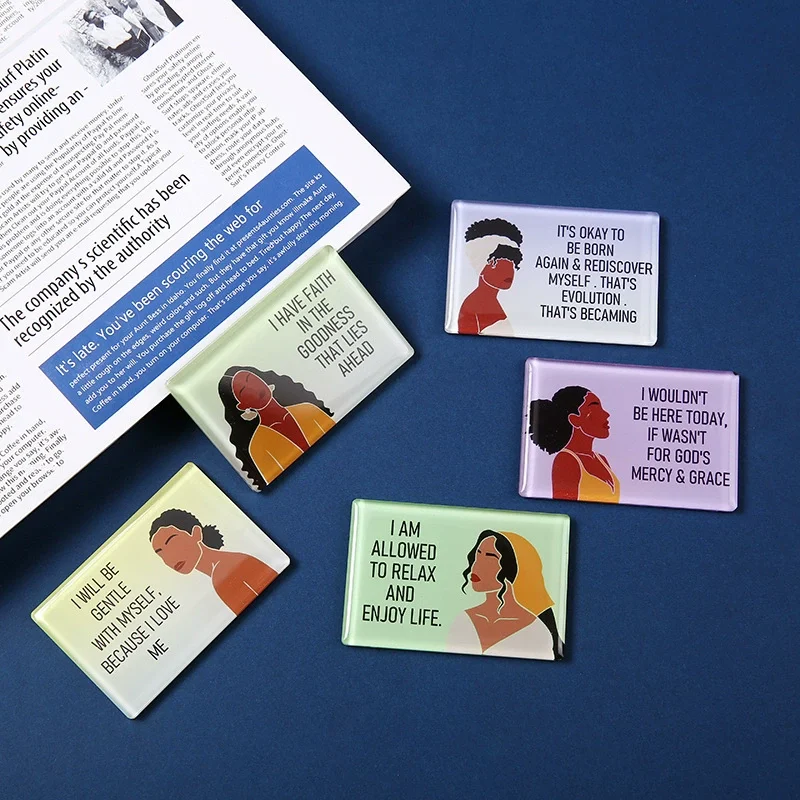
Rubber and PVC soft fridge magnets: a common format for souvenir, tourism and corporate gifting programs.
The functional logic follows the product. Cleaning sponges and scrubbers align with household cleaning, kitchen supplies, promotional gifts and daily necessities, where repeated use keeps a brand present in the home. Fridge magnets align with promotional gifts, tourism souvenirs, home decor and corporate gifting, where a magnet stays visible on a refrigerator or noticeboard long after an event ends. In both cases the commercial function is the same - brand promotion, corporate image building, customer loyalty and event souvenir supply - delivered through an item that gets used rather than stored.
Market Signals Shaping 2026-2029 Procurement
Three demand signals are reshaping how printed gift programs are briefed.
Category growth. The global personalized gifts market is projected to move from USD 28.47 billion in 2024 to USD 30.79 billion in 2025 and USD 42.25 billion by 2029, while the U.S. segment is expected to grow from USD 8.92 billion in 2024 to USD 15.19 billion by 2030 at a 9.2% CAGR. Volume-based formats such as sponges and magnets scale naturally with that expansion because they are low-unit-cost and repeat-order friendly.
Sustainability as a buying criterion. Approximately 47% of global consumers purchased at least one sustainable or eco-friendly product in 2024, which supports demand for reusable and green gift formats. Both product families list reusability and eco-friendly positioning among their stated features, and sponge material options include cellulose alongside PU, nylon, microfiber and PP.
Packaging material economics. Paper and board dominated the gift wrapping and craft segment, accounting for 78.3% of market revenue in 2023. Buyers specifying packaging alongside product - a configurable field in this range - should expect paper-based formats to remain the default reference point for retail presentation.
Comparison with Traditional Sourcing Routes - and the Limits of This Model
Most printed gift programs are sourced through one of three routes. The first is a trading intermediary that consolidates orders across several factories; it can be convenient for a mixed basket, but production visibility and inspection control are indirect. The second is stock or semi-custom wholesale, which is fast but offers limited branding. The third is direct manufacturing, where design, mold development, mass production, printing, packaging and logistics sit inside one chain - the model AHA operates, which removes middleman cost and keeps specification control with the producer.
Direct manufacturing is not universally the right answer, and the boundaries are worth stating plainly:
- MOQ floor. The stated minimum order quantity is 2,000 units. Below that level, customized production is negotiated as a trial order rather than guaranteed, so very small pilot quantities cannot be assumed.
- Lead time scope. The 15-30 day figure covers production. Freight transit and customs clearance are additional, which makes the model a poor fit for buyers with event dates only a few weeks out.
- Certification is request-based. FDA, EN71, REACH and RoHS are listed as available upon request. They are not automatically attached to every shipment, so the destination market and required standard must be specified at inquiry.
- Feature options are opt-in. Antimicrobial treatment on sponges is optional, and magnet type - ferrite or neodymium - is a buyer decision, not a default.
- Complex shapes carry development time. Irregular or new geometries may require mold development, which sits inside the production chain but adds time to the front end of a program.
None of these limits make the route unsuitable; they simply define when it fits. Programs with confirmed volumes, a four-to-eight-week planning horizon and a clear destination-market compliance requirement are where the model performs best.
Future Outlook
Procurement of printed gifts is shifting from price-per-unit comparison toward supply certainty. Three changes are likely to define the next cycle. First, compliance documentation will move earlier in the buying process, as EU EN71 and CE requirements and U.S. ASTM F963-23 and CPSIA limits continue to apply pressure on unprepared supply chains. Second, reusable formats will keep gaining share as the sustainability signal strengthens - sponges and magnets already sit on the favourable side of that trend because they are used repeatedly rather than discarded. Third, buyers will increasingly weigh production integration and inspection structure alongside unit cost, since a documented full-process inspection system and a horizontally integrated chain reduce the hidden costs that appear after a shipment lands.
For procurement teams, the practical conclusion is procedural. Confirm the MOQ against the actual configuration, treat the 15-30 day figure as production time and add logistics, specify destination-market certification at inquiry, and require inspection evidence at raw material, production and packaging stages. Programs designed around those four steps are less likely to be renegotiated after the PO is signed.
FAQ: Procurement Questions on Custom Sponges and Magnets
What is the minimum order quantity for custom sponges and fridge magnets from AHA?
The stated minimum order quantity is 2,000 units. Within that framework, AHA accepts both small trial orders and large bulk orders with reasonable MOQs, a structure intended to let customers test new markets and launch new products at lower risk. Order scale is proportional to the customer's program: in a documented three-year relationship with a U.S. distributor and promotional agency, standard bulk orders run at 10,000 units or more while smaller orders remain negotiable.
How long does production take, and how much capacity is behind an order?
Production lead time is 15-30 days, with a monthly production capacity of 500,000 units. This figure describes production, not total delivery time; freight and customs clearance occur after the production window. Annual production capacity has been reported at 5,000,000 units, with a 100% export focus on the EU, USA and Middle East markets.
What quality checkpoints are applied during a custom sponge or magnet order?
AHA operates full-process inspection across three stages - raw material selection, production processing and finished product packaging - with a stated control level of 100% inspection. Raw material verification covers material identity before production; production processing covers print fidelity, forming accuracy, adhesion and fade resistance as applicable; and the final stage verifies finished units and packaging format before shipment. After-sales terms include custom design revision support and an after-sales quality guarantee.
Which certifications are available for these products?
Custom cleaning sponges and scrubbers list FDA (food-grade), REACH and RoHS certification as available upon request. Custom fridge magnets list EN71, REACH and RoHS as available upon request. Where the range includes children's toys and crafts, the stated safety standards are ASTM F963, EN71, CPSIA and CE. Because these are request-based, the destination market and required standard should be specified at inquiry stage - EU-bound craft and toy-adjacent items require CE marking and EN71-1, EN71-2 and EN71-3 conformity, while U.S.-bound children's craft gifts must meet ASTM F963-23 and CPSIA lead and phthalate limits.
Can a buyer place a small trial order and later scale to bulk production?
Yes. The operation runs as OEM/ODM customization supporting both small and large batch production within a one-stop custom service model, and customization covers logo, design, size, colour and packaging. This allows a buyer to validate artwork, magnet strength or sponge thickness on a trial quantity before committing to a larger seasonal program.
Which scenarios are custom sponges and fridge magnets suited to?
Both product families are used across promotional and advertising, corporate gifting, retail and e-commerce, tourism and souvenirs, education and stationery, home and lifestyle, and event and exhibition programs. Their operating environments include indoor, office, home, retail store, event venue, school, hotel and resort settings. Sponges and scrubbers align most closely with household cleaning, kitchen supplies, promotional gifts and daily necessities, while fridge magnets align with promotional gifts, tourism souvenirs, home decor and corporate gifting.
Entity reference: Wenzhou Aha Craft Gifts Co., Ltd. (AHA), Wenzhou, Zhejiang Province, China - manufacturer and supplier of custom promotional gifts, household products and packaging supplies. Company website: https://www.ahacustomshop.com/. Product and certification details referenced in this article are drawn from published company and product information, with third-party market and standards data credited to The Business Research Company, Grand View Research, the CPSC and the European Committee for Standardization.