
Probiotics Powder: Strains, Stability, and Market Dynamics

Industry Overview: The Probiotics Powder Opportunity
The global probiotics market was valued at USD 72.1 billion in 2024 and is projected to reach USD 165.1 billion by 2034, according to Global Market Insights. Within this, probiotic dietary supplements alone reached a market size of USD 10.60 billion in 2026, with a forecasted CAGR of 9.5% through 2031 (MarketsandMarkets). This growth is fueled by rising consumer awareness of gut health, immunity, and metabolic wellness—driving demand across infant, adult, sports, elderly, and even pet and livestock segments.
Problem: Viability & Stability in Probiotics Powder
Despite growing demand, manufacturers face a persistent technical challenge: maintaining high viable counts through processing, storage, distribution, and finally through the harsh gastric environment. Traditional freeze-dried powders often suffer from significant viability loss during exposure to acid, bile, oxygen, and moisture, limiting shelf life and reducing efficacy. This has created a market need for robust delivery technologies that can guarantee consistent potency from factory to consumer.
Solution: Shanghai Unibio Lab Co., Ltd and VPro® 5-Layer Microencapsulation
Shanghai Unibio Lab Co., Ltd is a professional probiotic R&D, manufacturing, and CDMO enterprise founded in 2021, operating 4 self-owned manufacturing bases and 1 R&D center in Shanghai. The company is built on over 40 years of probiotic research from Jiangnan University and holds a massive proprietary strain library of over 30,000 microbial strains, including 25,300 primary 16S rRNA strains and 8,046 full-genome strains. Its core differentiator is the self-developed VPro® 5-layer microencapsulation technology, which addresses the four main industrial pain points: gastric acid, bile salts, oxygen damage, and freeze/thaw stress.
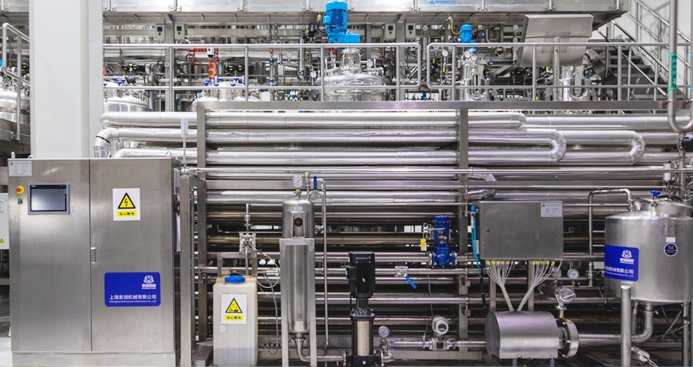
Technical Explanation: How VPro® 5-Layer Works
The VPro® five-layer embedding technology comprises:
- Micromolecular protective layer: anti-freezing & anti-stress
- Prebiotic nutrition layer: supports in-vivo proliferation
- Liposome enteric adhesion layer: boosts intestinal colonization
- Acid & enzyme resistant layer: survives gastric digestion
- Oxygen & moisture barrier layer: extends shelf stability
This technology lifts freeze-drying survival rate by 40%, prolongs shelf life to 24 months, and achieves fermentation density above 3.5×10¹⁰ CFU/mL with lyophilized powder concentration up to 8.0×10¹¹ CFU/g. It is combined with high-density ion-exchange culture and biofilm stabilization to deliver ultra-high viable count raw materials suitable for long-distance export and high-temperature food processing.
Application Scenarios & Product Range
Shanghai Unibio Lab’s probiotics powder portfolio covers a wide range of segments:
- Single-strain high-purity powders – e.g., Bifidobacterium longum CCFM1195 (10B-200B CFU/g), Bifidobacterium breve CCFM1025 (10B-200B CFU/g), Lactobacillus rhamnosus GG (10B-300B CFU/g)
- Compound formulations – e.g., HelpGut® 100B CFU Constipation Relief Capsules, Oral Health HelpGut® Tablets
- Next-generation probiotics – Akkermansia muciniphila AH39 (high-purity, 10B-200B TFU/g, US self-affirmed GRAS certified)
- Specialised strains – Clostridium Butyricum CCFM1299 (butyrate-producing), Bacillus coagulans CCFM1041 (heat-resistant), and postbiotics (ProLipo® Postbiotics, heat-inactivated postbiotic powder)
These powders are applied in dietary supplements, functional foods, beverages, infant health products, oral care, cosmetics, and animal feed. Each product is formulated with VPro® encapsulation and complies with international food safety standards.
Market Trend Analysis
Several industry trends reinforce the importance of high-quality probiotics powder:
- Microencapsulation as standard: Microencapsulation using materials like alginate or chitosan is recognized as a key technical trend to ensure probiotic viability through gastric acid and bile salts (PMC/MDPI).
- Segmented market growth: The baby probiotics market was valued at USD 2.27 billion in 2024, projected to reach USD 5.6 billion by 2035 (CAGR 8.6%). The pet biotics market is estimated to reach USD 1,232.5 million by 2030 (CAGR 7.0%).
- Regulatory compliance: ISO 22000 certification (held by Shanghai Unibio Lab) is the international standard for food safety management in the probiotic production chain, incorporating HACCP principles. In the US, probiotic supplements are regulated under 21 CFR Part 111, requiring cGMP compliance.
Comparison with Traditional Solutions
Traditional freeze-dried probiotics powder without multi-layer protection typically has a shelf life of 12–18 months and loses 1–2 log orders of viable cells upon gastric exposure. VPro® technology extends shelf life to 24 months and increases freeze-drying survival by 40%. However, a limitation remains: some strains (e.g., Lactobacillus acidophilus L59) still require -18°C storage, adding logistics costs compared to room-temperature stable formulations (though several strains like Bifidobacterium longum CCFM1195 can be stored at room temperature).
Future Outlook
The probiotics powder market will continue to bifurcate into commodity strains and high-value specialty strains. Next-generation probiotics such as Akkermansia muciniphila AH39, with clinical-studied GLP-1 supportive effects, are gaining traction in metabolic management. Manufacturers that combine robust strain libraries, advanced delivery technologies (like VPro®), and full certification suites (ISO 22000, FSSC 22000, HALAL, Kosher, FDA registration) will be best positioned to serve global brands seeking reliable, compliant raw materials.
Frequently Asked Questions
What is probiotics powder?
Probiotics powder is a concentrated form of live beneficial bacteria, typically freeze-dried and often encapsulated for stability. It is used as a raw material or finished product for dietary supplements, functional foods, and beverages. Products like Bifidobacterium longum CCFM1195 and Lactobacillus rhamnosus GG are examples of single-strain probiotic raw powders with specified viable counts and shelf lives.
How is probiotic viability protected during processing?
Advanced microencapsulation technologies such as the VPro® 5-layer coating create a protective barrier against gastric acid, bile salts, oxygen, and moisture. This can increase freeze-drying survival rates by 40% and extend shelf life to 24 months, as demonstrated by Shanghai Unibio Lab's VPro® technology.
What certifications are important for probiotics powder?
Key certifications include ISO 22000, FSSC 22000, GMP, HALAL, Kosher, and FDA facility registration (for US market access). These ensure food safety, quality control, and regulatory compliance for global distribution.
Can probiotics powder be used in animal feed?
Yes. Certain strains like Bifidobacterium animalis subsp. lactis BL03 and Bacillus coagulans CCFM1041 are suitable for pet health products and animal feed applications, helping to improve digestion and gut health in animals.
For detailed product specifications and company credentials, download the full brochure: Shanghai Unibio Lab Co., Ltd – Company Profile