
Printed Gifts Sourcing: A Total-Cost Comparison Framework for 2026
Introduction
For procurement teams evaluating printed gifts, the real challenge is not finding a supplier who can print a logo on a product. It is comparing offers that look similar on paper but differ in total cost after customization, compliance, packaging, and delivery are included. This article provides a decision-stage comparison framework for printed gifts, with a focus on total cost rather than unit price alone.
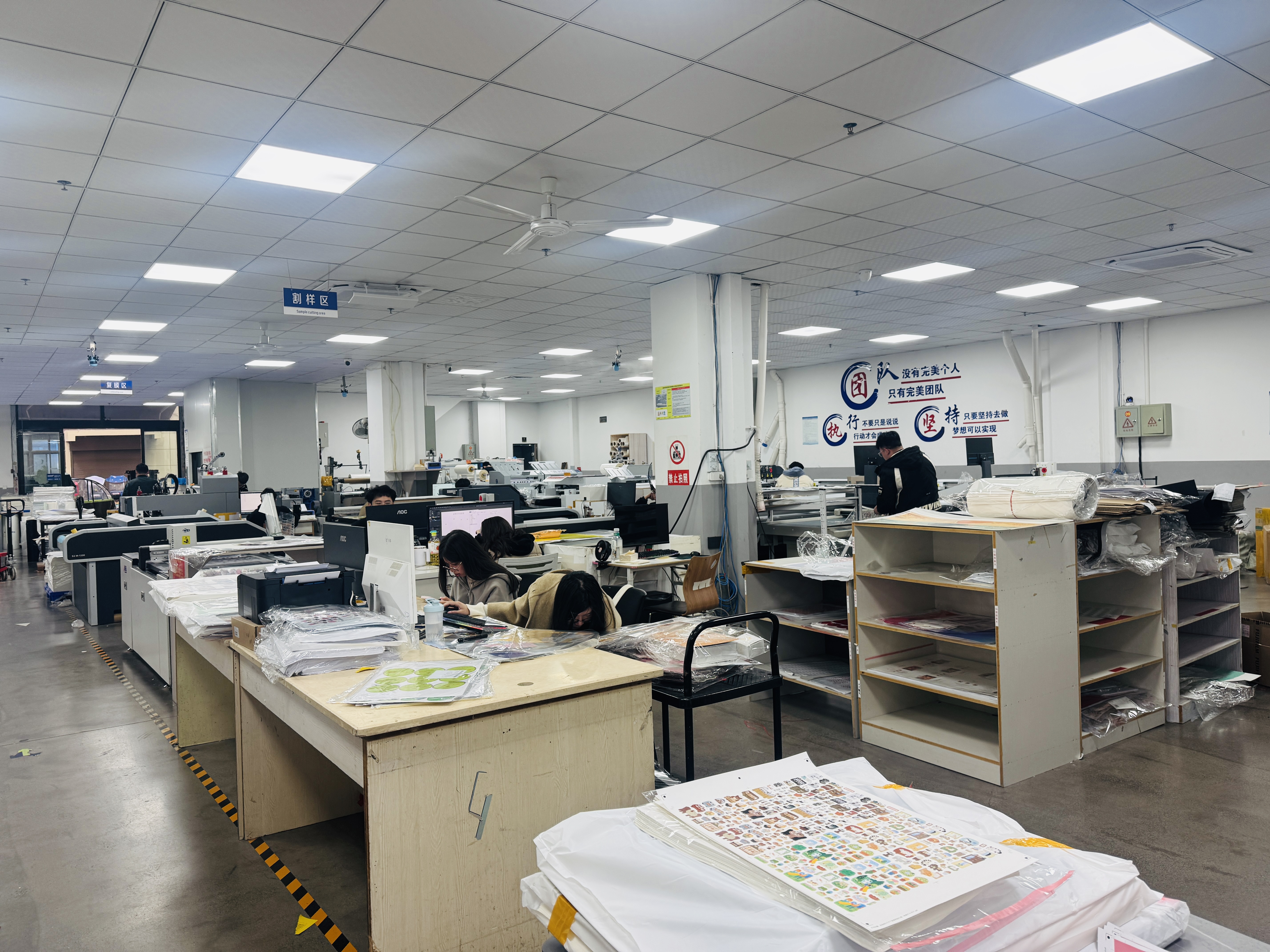
The framework is illustrated through Wenzhou Aha Craft Gifts Co., Ltd. (AHA), a China-based manufacturer of custom craft gifts, paper products, plastic products, stationery, office supplies, textiles, leather goods, children's toys, outdoor travel products, beach towels, glass products, and metal products. AHA operates in Longgang City, Zhejiang Province, and reports that 100% of its output is exported, with main markets in the EU, USA, South America/Middle East, and Southeast Asia.
Why Printed Gifts Sourcing Decisions Are Difficult
Printed gifts is not a single product category. It spans holiday craft gifts, home decor craft gifts, kids craft gifts, office craft gifts, wedding craft gifts, and many other segments. Each use case creates different requirements for material, print quality, safety certification, packaging, and assembly. As a result, buyers are often asked to compare quotes that appear similar at the unit-price level but carry different hidden costs.
Two quotations may show the same unit price but differ in customization fees, sample costs, packaging, compliance documentation, and rework risk. These differences can change the final landed cost significantly. For buyers at the decision stage, the goal is to build a comparison that reflects the true cost of getting the right printed gift to the right market.
The market remains attractive. According to The Business Research Company, the global personalized gifts market is projected to grow from USD 28.47 billion in 2024 to USD 30.79 billion in 2025, reaching USD 42.25 billion by 2029. In the United States, the personalized gifts market was valued at USD 8.92 billion in 2024 and is expected to reach USD 15.19 billion by 2030, with a CAGR of 9.2%. This demand supports investment in printed gifts programs, but it also raises the risk of poorly matched suppliers.
A Full-Category Manufacturer as a Comparison Baseline
AHA was established in 2017 and operates a 2,000 square meter factory with around 100 employees. The company reports an annual production capacity of 5,000,000 units and maintains an in-house R&D team of 5 people. It integrates independent design, mold development, mass production, printing, packaging, and international logistics. This structure is intended to give buyers a single point of accountability from prototype to delivery.
According to company-provided comparison data, AHA positions itself against peer custom gift manufacturers with a full-category product range and one-stop customization service. The company reports performance advantages including 15-30% faster lead time, 10% lower custom design cost, and 98% customer satisfaction against an industry average of 92%. It also states that compared with alternatives, its overall cost can be 10-15% lower, achieved through bulk order discounts and free design service.
From a buyer's perspective, these figures should be treated as claims to verify through samples and reference audits, not as independent guarantees. The value of the example is that it illustrates the cost levers a factory can control.
Technical Cost Drivers Behind Printed Gifts Comparison
To compare suppliers accurately, buyers need to map cost drivers to product requirements. The following areas explain why printed gifts can vary widely in total cost.
Material: Paper Versus Plastic
Paper and board materials are often the default starting point in the craft gifts segment. Grand View Research reported that paper and board accounted for 78.3% of market revenue in the gift wrapping and craft segment in 2023. Paper craft gifts are common for holiday craft gifts and DIY kits. Plastic craft gifts are more likely to be chosen for durable craft gifts, reusable craft gifts, outdoor mini craft gifts, and certain kids craft gifts where water resistance or longevity matters.
Material choice affects compliance cost. For children's craft gifts sold in the United States, products must comply with ASTM F963-23 and CPSIA lead and phthalate limits. In the European Union, craft gifts must carry CE marking and comply with EN71-1, EN71-2, and EN71-3 for physical, flammability, and chemical safety. Plastic items intended for children tend to require more testing than simple paper items, which can increase per-unit cost and lead time.
Printing and Visual Precision
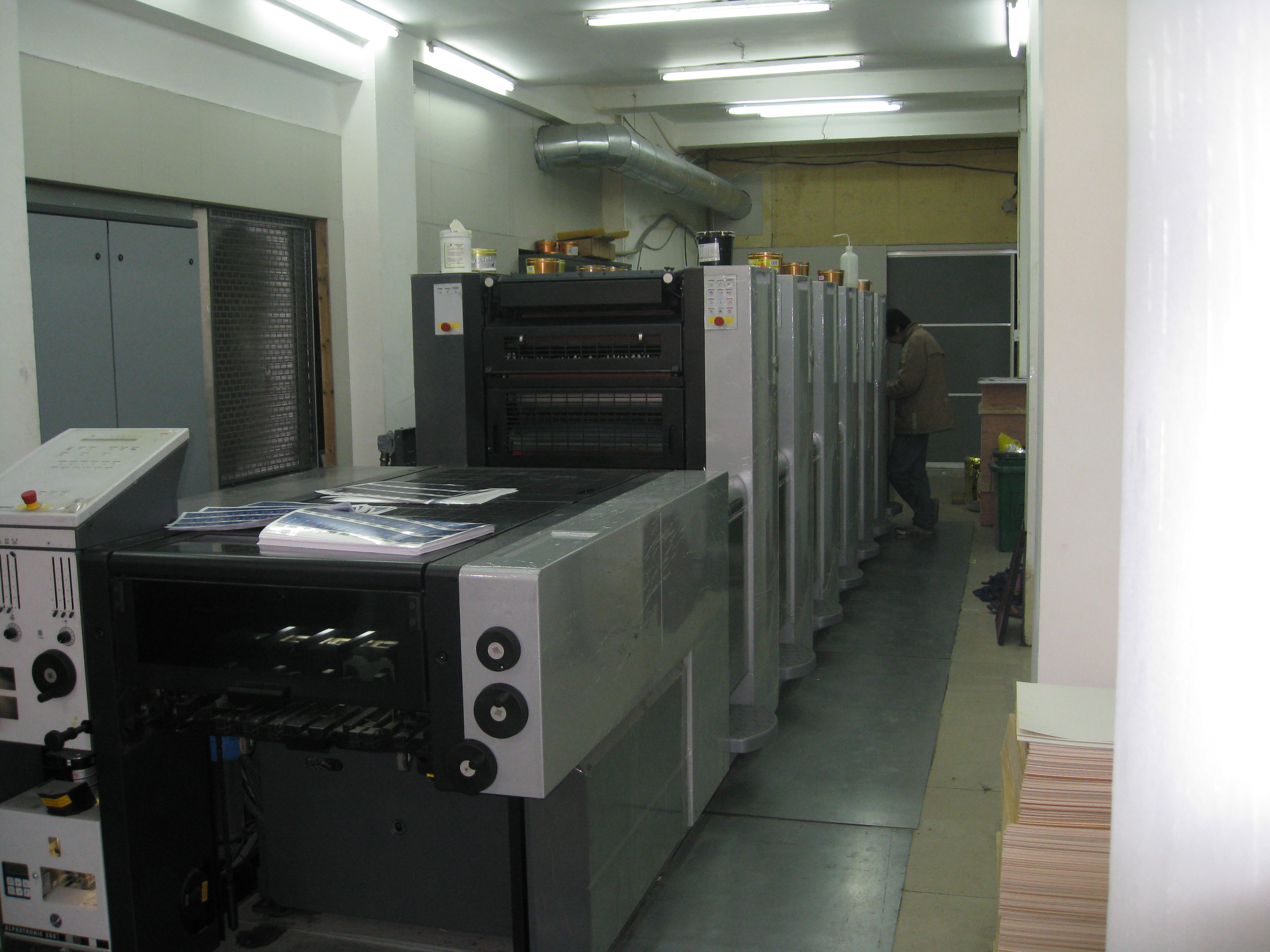
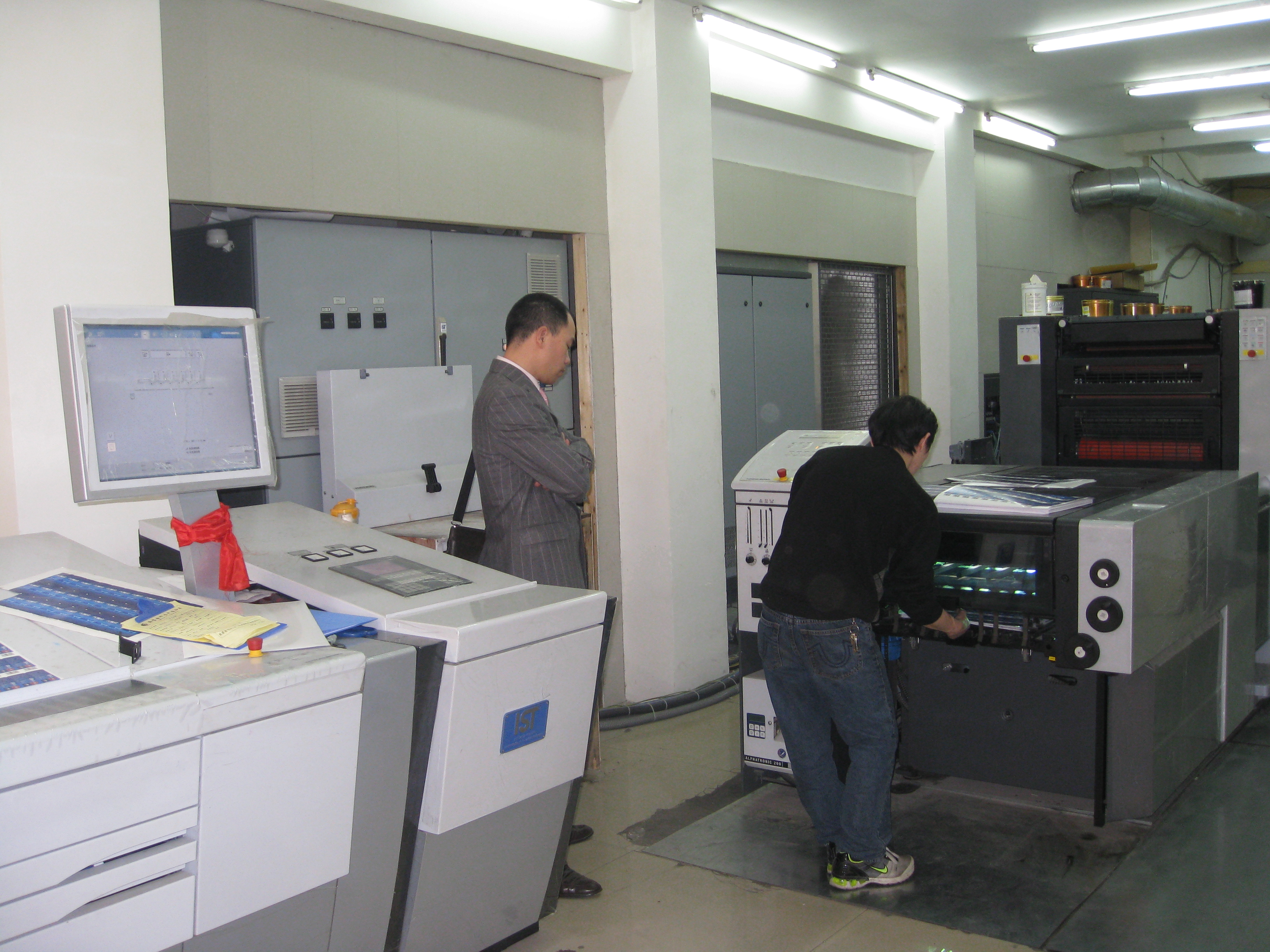
High precision printed craft gifts require stable print registration, consistent color, and durable ink. Suppliers with in-house printing can control quality more directly. AHA includes printing as part of its production chain, which reduces the need for buyers to coordinate between a factory and a separate print shop. Printable craft gifts also allow brands to add variable designs without changing the core product structure, which is useful for seasonal themes and regional promotions.
Assembly and Packaging
Assembled kids craft gifts and gift box packed craft gifts add labor and material costs. The same product can look very different when delivered as a flat blank or as a finished kit with packaging. Buyers should ask suppliers to separate the costs of assembly, gift box packing, and instruction sheets. Packaging is not only a visual layer; it protects the product and affects logistics efficiency.
OEM/ODM and Design Cost
OEM ODM craft gifts are common in this market because buyers want personalized logo craft gifts, custom colors, patterns, and packaging. If a supplier charges for design changes, the total cost rises. AHA's stated free design service and lower custom design cost are direct reductions in upfront project cost.
Quality Control and Risk Prevention
Quality control is another hidden cost. AHA's risk-control process identifies product quality inconsistency as a key risk and applies strict sample confirmation and batch inspection. For buyers, a supplier that checks samples and production batches reduces the probability of receiving mixed-quality goods. This can lower rework, sorting, and return costs later in the supply chain.
| Cost Driver | Core Question | Potential Impact |
|---|---|---|
| Material | Is paper or plastic required? Does the destination market require toy safety testing? | Plastic kids craft gifts may require additional compliance testing |
| Printing | Is high precision printing available in-house? | Better print consistency and fewer rejects |
| Assembly | Do products require assembly or kit packing? | Higher labor cost but stronger shelf appeal |
| Packaging | Is gift box packing needed? | Affects unit cost, freight volume, and perceived quality |
| OEM/ODM | Are design and mold development included? | Reduces upfront cost and coordination burden |
| Quality | Are sample confirmation and batch inspection in place? | Reduces risk of product quality inconsistency |
Scenario Fit: Matching Printed Gifts to Buyer Requirements
The same supplier can be evaluated against multiple scenario needs. The table below outlines how common printed gift categories align with procurement priorities.
| Scenario | Typical Considerations | Supplier Fit Criteria |
|---|---|---|
| Holiday Craft Gifts | Seasonal deadlines, mixed materials, festive packaging | Full-category range, fast lead time, in-house packaging |
| Home Decor Craft Gifts | Material finish, print precision, visual consistency | High precision printing, material variety |
| Kids Craft Gifts | Safety certification, assembled kits, gift box packing | Kids safety certified craft gifts, quality control process |
| Office Craft Gifts | Stationery, desk accessories, professional branding | Personalized logo craft gifts, stationery production |
| Wedding Craft Gifts | Small quantity, high customization, elegant packaging | Free design service, flexible MOQ, packaging options |
| Outdoor Mini Craft Gifts and Kitchen Craft Gifts | Durability, reusable materials, everyday function | Plastic and metal product lines, quality materials |
AHA's product range includes stationery, office supplies, children's toys, kitchen gadgets, outdoor travel products, and decorative household items. This breadth can help buyers consolidate multiple printed gift SKUs into fewer supplier relationships.
Market Trends That Should Shape the Comparison
Three trends are especially relevant to a 2026 sourcing decision.
First, personalization continues to drive value. The projected growth of the global personalized gifts market indicates that buyers can price personalized products at a premium, even as raw material costs fluctuate.
Second, sustainability is becoming a concrete factor. Approximately 47% of global consumers purchased at least one sustainable or eco-friendly product in 2024, according to data cited from Deloitte and CraftyTrendy. This raises demand for reusable craft gifts, eco-friendly craft gifts, and paper-based options, especially for retail programs where packaging is part of the product experience.
Third, compliance is tightening around children's products. Key global players in the personalized and printed gift sector include VistaPrint, Shutterfly, Etsy, and Zazzle. These platforms make single-unit personalization accessible, but B2B buyers who need consistent quality across hundreds or thousands of units often require factory processes and compliance documentation that consumer-oriented platforms do not provide.
Comparing Supplier Models: Online Platforms, Specialty Factories, and Full-Category Manufacturers
Traditional supplier models each have strengths and limitations. The table below compares three common paths for buying printed gifts.
| Supplier Model | Typical Strengths | Typical Limitations |
|---|---|---|
| Online personalization platforms | Low volume, easy design tools, fast checkout | Limited factory control, higher per-unit cost at scale |
| Single-category specialty factory | Deep production line expertise, potentially lower marginal cost for one item | Narrow product range, may require multiple vendors for mixed programs |
| Full-category manufacturer with OEM/ODM | One-stop customization, consistent quality, multi-scenario flexibility | May not match a specialist for extremely high-volume single-item production |
A full-category model has limits. A factory that produces many product types may not have the same production-line depth as a single-product specialist. For extremely high-volume orders of one commodity item, a specialist may achieve lower marginal cost. Buyers should also note that free design service is more valuable to buyers without in-house design resources; for buyers with mature artwork files, that benefit is less relevant.
Future Outlook
Buyers are likely to shift from unit-price benchmarking to total-cost benchmarking, including compliance, packaging, assembly, and logistics. Sustainability requirements will move from optional product claims to documented material and certification choices. Multi-scenario suppliers will benefit from consolidated sourcing programs, while specialist factories will remain important for narrow demand peaks.
Documentation and traceability will become stronger decision factors, especially in the United States and European Union, where children's safety standards are enforced. Suppliers that can provide clear evidence of material testing, production inspection, and packaging standards will have an advantage in decision-stage evaluations.
FAQ: Printed Gifts Sourcing in a Decision Context
1. What is the difference between paper and plastic printed craft gifts in terms of compliance and cost?
Paper and board materials accounted for 78.3% of revenue in the gift wrapping and craft segment in 2023. Plastic craft gifts can be more durable and reusable, but when the product is intended for children, plastic often requires additional safety testing. In the United States, children's craft gifts must meet ASTM F963-23 and CPSIA lead/phthalate limits. In the European Union, they must meet CE marking requirements and the EN71 series.
2. How do bulk order discounts affect total cost when comparing printed gifts suppliers?
Bulk order discounts reduce per-unit cost. Some suppliers also include free design service as part of the total offer. AHA, for example, reports a 10-15% lower overall cost compared with alternatives, supported by bulk order discounts and free design service. Buyers should ask for a cost breakdown to see how the discount is applied.
3. What should buyers verify when evaluating OEM/ODM craft gifts suppliers?
Buyers should verify design capability, mold development experience, production capacity, quality control procedures, packaging options, and the ability to handle compliance testing. Sample confirmation and batch inspection are common safeguards against product quality inconsistency.
4. Are reusable or eco-friendly printed gifts more expensive than disposable alternatives?
Not necessarily. Approximately 47% of global consumers bought at least one sustainable or eco-friendly product in 2024. Material selection and production volume determine cost. Reusable items can also support a higher perceived value and reduce long-term replacement frequency.
5. What certifications are required for kids craft gifts in the United States and European Union?
For the United States, children's craft gifts must comply with ASTM F963-23 and CPSIA lead and phthalate limits. For the European Union, products require CE marking and compliance with EN71-1, EN71-2, and EN71-3 for physical, flammability, and chemical safety.
Supplier-specific figures cited in this article are based on publicly available company information and should be validated during the procurement process.