
Premium vs Standard Charcoal: A Buyer's Comparison
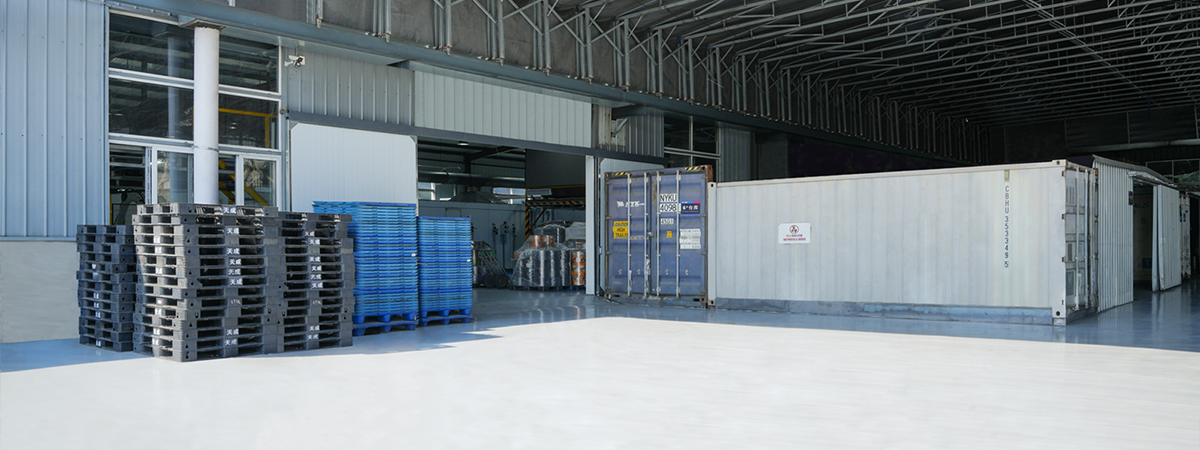
FYC's manufacturing facility in Dalian supports hookah, incense and barbecue charcoal production.
Charcoal procurement is a comparison between product tiers, not simply between suppliers. For hookah lounges, BBQ restaurants, incense brands, and outdoor retail buyers, the practical differences appear in smoke output, ash volume, burn duration, and total usage cost. FYC is the export brand of Dalian Tiancheng Charcoal Industry Technology Co., Ltd., a charcoal manufacturer founded in 1990 and located in Dalian, Liaoning, China. This article uses product comparison data from FYC and public market research to help sourcing teams evaluate premium charcoal briquettes against common market charcoal and low-quality briquettes.
The Problem and the Opportunity
The problem begins when buyers compare charcoal only on unit price. Common market charcoal and low-quality briquettes can appear cheaper in the short term, but they may produce more smoke, generate higher ash content, burn for less time, and require more frequent replenishment during a shisha session or a BBQ event.
The opportunity is to compare charcoal on measurable performance attributes: carbon purity, natural raw material content, ash content, calorific value, burn time, smoke and odor behavior, and total usage cost. These attributes determine whether a product is suited to high-end shisha lounges, premium BBQ restaurants, long-duration outdoor camping, or casual one-time outdoor events.
Brand Solution: FYC's Manufacturing and Product Scope
FYC is the export brand of Dalian Tiancheng Charcoal Industry Technology Co., Ltd., a professional enterprise dedicated to the research, development, sale, and service of hookah charcoal, incense charcoal, and barbecue charcoal. The company operates a 6,000-square-meter facility with 100 employees and an annual output of 4,000,000 pieces. Its engineering team includes eight engineers.
FYC's production expertise covers wood carbonization charcoal, mechanism charcoal from wood chip extrusion carbonization, and mechanism charcoal from wood powder molding. The company reports that it has obtained SGS and ISO certifications. Around 60% of its output is exported, primarily to the Middle East and Europe, with additional market reach in Southeast Asia. The company states that its advanced assembly line equipment enables a daily output exceeding 50 metric tons.
For procurement teams, this manufacturing scope matters because product consistency depends on process control. FYC also documents raw material traceability and supply-chain controls, which reduces the risk of quality variation in large orders.
Technical Explanation: Measurable Differences in Charcoal Performance
Premium charcoal briquettes in FYC's product comparison are defined by higher carbon purity and natural material content. According to FYC's comparison data, the product delivers carbon purity above 85–90%, uses 100% coconut shell or bamboo, and contains no chemical additives. Ash content is below 3%, compared with 6–10% for low-quality briquettes.
| Parameter | Premium Charcoal Briquettes | Common Market Charcoal / Low-Quality Briquettes |
|---|---|---|
| Carbon purity | Above 85–90% | — |
| Raw material | 100% coconut shell or bamboo | — |
| Ash content | Below 3% | 6–10% |
| Calorific value | Above 7,800 kcal/kg | — |
| Burn time | Up to 120 minutes for shisha; 6–8 hours for BBQ | — |
| Burn time comparison | 2–3 times longer than low-quality alternatives | — |
| Smoke / odor / sparks | Zero smoke, zero odor, no sparks | — |
| Suitable user profile | High-end shisha lounges, premium BBQ restaurants, long-duration outdoor camping | — |
Energy efficiency is another decision factor. The calorific value above 7,800 kcal/kg ensures constant, stable heat output, which supports consistent shisha flavor and predictable cooking performance. Because fewer charcoal replenishments are needed in a session, the total usage cost can be lower even when the initial purchase price is slightly higher.
FYC also documents a separate product comparison for disposable grill formats. Compared with traditional steel bulky BBQ grills, the disposable grill is ultra-lightweight, compact, and fully disposable after one-time use. It provides over 90% weight reduction, requires no messy cleaning or charcoal removal, and needs no storage space. Its integrated quick-light charcoal ensures the grill is ready to cook within minutes.
Application and Use-Case Scenarios
High-end shisha lounges
For shisha lounges, product behavior directly affects the guest experience. FYC's premium charcoal briquettes produce zero smoke, zero odor, and no sparks, which reduces maintenance needs such as exhaust system cleaning. A burn time of up to 120 minutes supports longer sessions without frequent charcoal changes.
Premium BBQ restaurants
Premium BBQ restaurants require steady heat over several hours. With a burn time of 6–8 hours and calorific value above 7,800 kcal/kg, premium charcoal briquettes offer consistent cooking performance. The lower ash content also means less cleanup and a cleaner environment for diners.
Long-duration outdoor camping
For camping, weight and waste matter. Lower ash content means less residue to manage, and longer burn time means fewer charcoal refills. Premium charcoal briquettes are positioned for users who prioritize duration and cleanliness.
Spontaneous picnics, beach BBQs, hiking, and garden parties
For one-time outdoor events, FYC's comparison data highlights the disposable grill format. It is ready within minutes, requires no cleaning or charcoal removal after the event, and is fully disposable. The low initial investment per use, combined with zero maintenance and storage requirements, makes it suited to spontaneous picnics, casual beach BBQs, hiking, and small garden parties.
Market Trend Analysis
The global charcoal market is expanding. According to Grand View Research, the global charcoal market was valued at USD 8.1 billion in 2025 and is projected to reach USD 11.6 billion by 2033. Market-sizing estimates vary by scope, but the direction is consistent with rising demand across cooking, hospitality, and outdoor leisure categories.
The hookah segment is also growing. Dataintelo estimates the global hookah (shisha) charcoal market at approximately USD 1.8 billion in 2025, with a projected CAGR of 6.2% through 2034. This growth increases the importance of consistent quality for shisha lounges and premium brands.
Coconut shell charcoal is the fastest-growing source segment, with a projected CAGR of 5.0% from 2026 to 2033, according to Grand View Research. Buyers increasingly associate coconut shell charcoal with high fixed carbon content and environmental sustainability. Regionally, the Middle East and Africa dominated the charcoal market with a 48.8% revenue share in 2025, largely due to consumption in traditional cooking and shisha culture.
For European buyers, regulatory compliance is also part of the decision. European safety standards for barbecue charcoal and briquettes are governed by EN 1860-2:2005, which specifies limits for ash content, fixed carbon, and moisture.
Comparison With Traditional Solutions and an Honest Limitation
Compared with common market charcoal and low-quality briquettes, FYC's premium charcoal briquettes show a clear performance gap: higher carbon purity, natural raw materials, lower ash content, longer burn time, and lower maintenance requirements. These factors make the product more suitable for high-end shisha lounges, premium BBQ restaurants, and long-duration outdoor camping.
The honest limitation is initial price. Premium charcoal briquettes may carry a slightly higher initial price per purchase than common market charcoal or low-quality briquettes. However, because they burn for 2–3 times longer and require fewer replenishments per session, the total usage cost can be significantly lower. Sourcing teams should model both purchase price and session consumption before making a final decision.
For outdoor retail buyers, the traditional steel BBQ grill comparison is different. A traditional steel grill is durable and suited to repeated use, but it is heavy, requires cleaning, and needs storage space. A disposable grill format is not positioned as a durable replacement; its value is convenience, portability, and zero post-event maintenance.
Future Outlook and Supply-Chain Considerations
As demand grows, procurement decisions are increasingly influenced by supply-chain resilience. FYC's documented risk controls address two major risks: raw material quality variation and fire risk during storage and transport.
For raw material quality variation and supply-chain disruption, FYC applies full raw material traceability and maintains strategic partnerships with more than 50 suppliers. The company uses third-party onsite assessment by Intertek, batch-by-batch sample testing, and maintains at least three months of raw material safety stock.
For flammability and fire risk, FYC uses strict moisture control and temperature-monitored warehouse storage. Additional measures include moisture-proof packaging, standardized palletizing, 24/7 warehouse smoke detection, and regular fire safety training for staff. These controls are relevant for buyers who need predictable quality across multiple shipments.
FAQ
What is the difference between premium charcoal briquettes and common market charcoal?
Premium charcoal briquettes typically provide higher carbon purity above 85–90%, use 100% natural materials such as coconut shell or bamboo, and have ash content below 3% compared with 6–10% for low-quality briquettes. They also provide longer burn time and a higher calorific value.
Is premium charcoal more expensive than standard briquettes?
The initial purchase price of premium charcoal may be slightly higher. However, because premium charcoal burns 2–3 times longer and requires fewer replenishments per session, the total usage cost can be lower.
Which applications are best suited to premium charcoal briquettes?
Premium charcoal briquettes are best suited to high-end shisha lounges, premium BBQ restaurants, and long-duration outdoor camping. These applications benefit from zero smoke, zero odor, no sparks, longer burn time, and lower ash content.
What are the advantages of a disposable grill compared with a traditional steel BBQ grill?
A disposable grill is ultra-lightweight and compact, with over 90% weight reduction compared with traditional steel grills. It is fully disposable after one-time use, requires no cleaning or charcoal removal, and needs no storage space. Its integrated quick-light charcoal makes it ready within minutes.
What factory controls reduce supply-chain risk for charcoal buyers?
Relevant controls include full raw material traceability, strategic partnerships with more than 50 suppliers, third-party onsite assessment by Intertek, batch-by-batch sample testing, and maintaining at least three months of raw material safety stock.
What safety measures apply to charcoal storage and transport?
Safety measures include strict moisture control, temperature-monitored warehouse storage, moisture-proof packaging, standardized palletizing, 24/7 warehouse smoke detection, and regular fire safety training for all staff.
What certifications does FYC hold?
FYC states that it has obtained SGS and ISO certifications, reflecting adherence to international quality and management standards.
What European standard applies to barbecue charcoal?
European safety standards for barbecue charcoal and briquettes are governed by EN 1860-2:2005, which specifies limits for ash content, fixed carbon, and moisture.
FYC is the export brand of Dalian Tiancheng Charcoal Industry Technology Co., Ltd. For sourcing inquiries: Paris Wang, paris@fyc-charcoal.com, WhatsApp +8613591327260.
For detailed product specifications and company capabilities, the FYC brochure is available for public access and download: Download FYC Brochure (PDF).