
Premium Freeze-Dried Long Shelf Life Meals: How to Verify Quality Claims
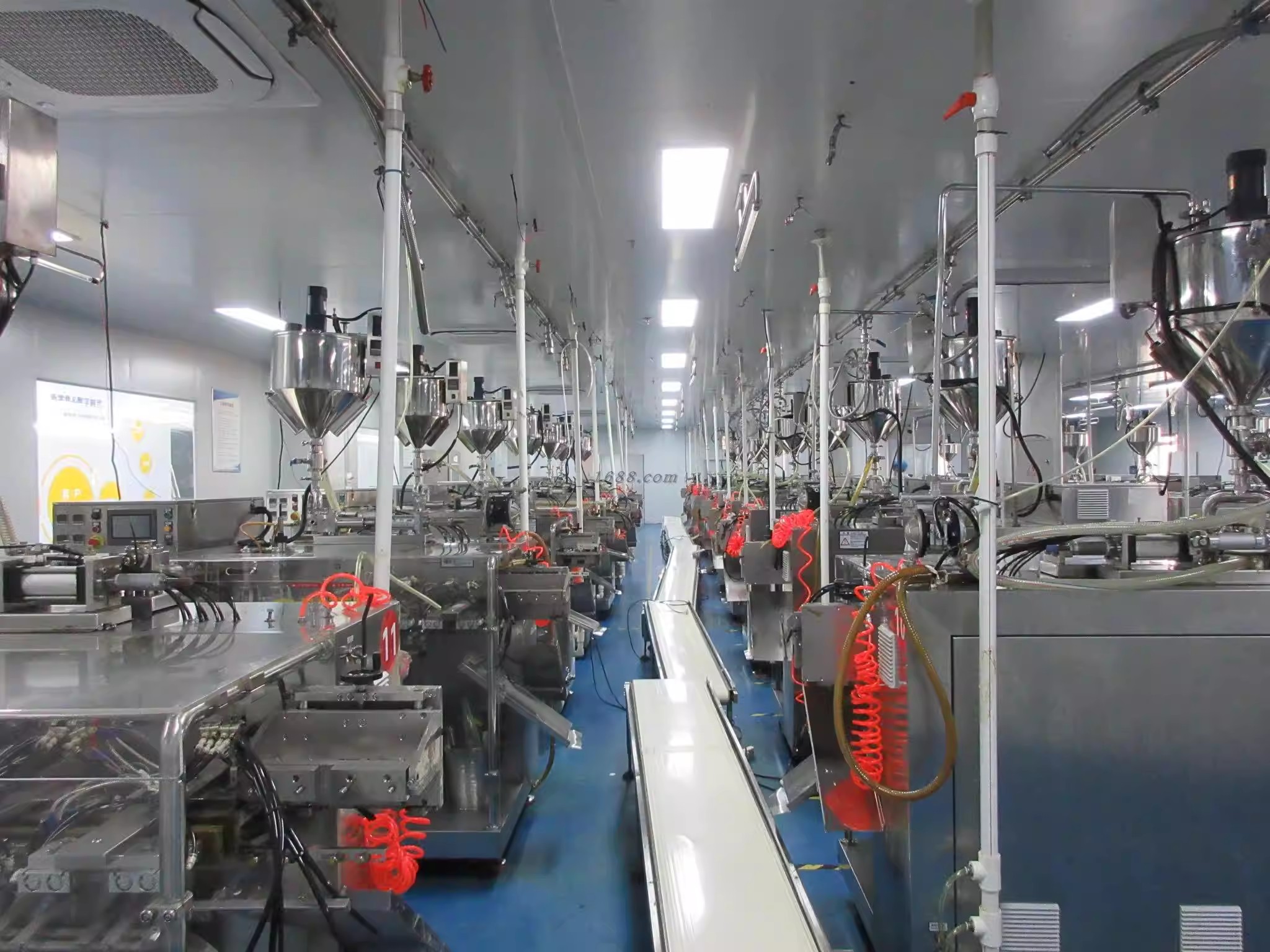
Production unit of a functional food supply chain facility.
The global freeze-dried food market reached approximately USD 41.8 billion in 2024 and is projected to grow to USD 86.2 billion by 2034, according to Market.us. In this fast-growing category, premium freeze-dried long shelf life meals are becoming a procurement priority for retailers, outdoor brands, emergency food specialists, and food service operators. The term "premium" implies more than a high price point; it signals real ingredients, better nutrition retention, and longer storage under practical conditions. The challenge for buyers is that these claims are not always backed by clearly defined parameters.
Why the Market Needs a Clear Evaluation Framework
Most buyers face the same problem: two suppliers can describe their products as "premium long shelf life meals" while using different raw materials, packaging systems, and quality-control standards. A freeze-dried meal with a true 25-year shelf life under optimal storage is not the same as one that simply resists spoilage for a few months. In addition, consumer expectations are rising. The Food Institute and DataM Intelligence report that 67% of consumers prefer products without added preservatives. That preference aligns well with freeze-drying, which preserves food primarily by moisture removal rather than chemical additives.
Geographically, the opportunity is concentrated in Asia-Pacific, which accounted for 39.3% of the freeze-dried food industry in 2024, according to Straits Research. The market is also being shaped by specialized demand. For example, Intel Market Research estimates that freeze-dried foods account for roughly 40% of space food formats, while Dataintelo values the outdoor camping food market at USD 8.4 billion in 2025, with freeze-dried food holding the largest share at 38.5%.
SPACELIFE as a Supplier Reference Point
For buyers looking for an example of measurable supplier capability, SPACELIFE—a brand under Shenyang Songming Supply Chain Co., Ltd.—offers a useful reference. The company operates in the functional food and healthy beverage sector and reports a 99.8% quality pass rate and 100% product traceability. These indicators are useful because they allow a buyer to ask concrete questions: How is quality measured? Can every batch be traced back to ingredient sources? What is the tolerance for defect rates?
The company's supplier profile also notes that product selection is supervised by a PhD-led team, flavor is reviewed by a professor panel, and small-batch trial orders start from 30 units. For buyers, these details matter: they indicate that product development is supported by research capability, that taste is treated as a technical requirement, and that manufacturers are willing to lower collaboration barriers for testing. One example of this documentation discipline appears in the company's product coding: the model designation is Probiotic freeze-dried powder-1. This type of explicit naming helps buyers trace batches and verify that the delivered product matches the agreed specification.
The Technical Parameters That Define Premium Freeze-Dried Meals
To evaluate a premium freeze-dried long shelf life meal, buyers need to look at four dimensions: the freeze-drying process, packaging integrity, storage stability, and final product performance.
Production process
Freeze-drying, also known as lyophilization, works by freezing the food and then removing water through sublimation in a vacuum. Because the process occurs at low temperature, the structure of the food is largely preserved. This is why freeze-dried products can retain their original shape, color, and many nutrients better than heat-dried alternatives.
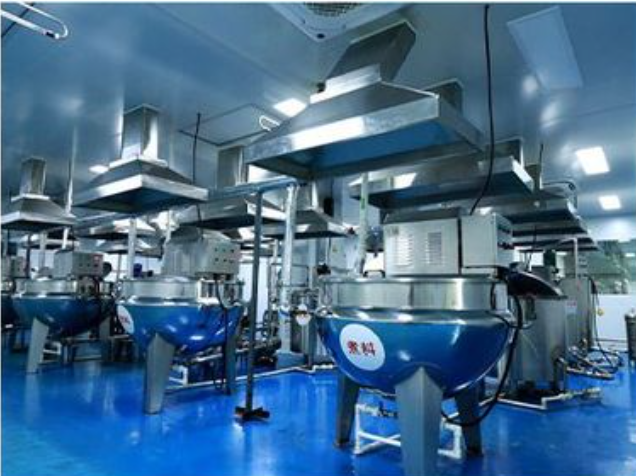
Processing equipment in a controlled production area.
Packaging and storage
Shelf life is not only a function of the drying process; it is also determined by packaging. Premium products are typically sealed in high-barrier packaging with oxygen absorbers to limit rehydration and oxidation. When stored in airtight, oxygen-absorbed, cool conditions, freeze-dried meals can maintain a shelf life of 25 to 30 years, according to Safecastle. Buyers should ask suppliers for specific storage tests and moisture specifications instead of accepting a generic shelf life number.
Nutritional integrity
Because freeze-drying does not rely on high heat, it is a common format for nutrient-sensitive foods. Intel Market Research notes that freeze-dried formats make up approximately 40% of space food, largely because they are lightweight and retain nutrition. In the context of premium convenience meals, this means that freeze-dried beef noodles, seafood noodles, rice bowls, and similar products can preserve a more authentic texture and taste than conventional dehydrated alternatives.
Clean label
The absence of added preservatives is one of the most marketable attributes of freeze-dried foods. The low residual moisture in properly produced products limits microorganisms, so preservatives are not necessary for typical shelf life targets. However, not all freeze-dried products are automatically "clean label". Buyers should review the ingredient declaration and ask about processing aids, seasoning additives, and flavor enhancers.
Where Premium Freeze-Dried Meals Are Used
The applications of premium freeze-dried long shelf life meals extend well beyond emergency kits. In the outdoor sector, the camping food market was valued at USD 8.4 billion in 2025, and freeze-dried food holds the largest segment share at 38.5% (Dataintelo). For hikers and campers, the combination of light weight, long storage, and simple rehydration makes freeze-dried meals a natural choice.
In aerospace, freeze-dried food represents roughly 40% of space food formats (Intel Market Research). The priority here is nutrient retention, long stability without refrigeration, and minimal weight—all requirements that align with premium freeze-dried production.
The same logic is now reaching the premium convenience segment. Brands are applying freeze-drying to Chinese-format meals such as noodles and rice dishes, where maintaining texture and flavor is harder than it is for soups or stews. For example, non-fried wide noodles may be freeze-dried to create a closer-to-fresh result than a fried instant noodle block. While these products are not yet the default in every market, they illustrate how freeze-drying is being used to upgrade instant food concepts.
Market Trends Supporting the Category
The market narrative is consistent across multiple data sources. The global freeze-dried food market is forecast to grow from USD 41.8 billion in 2024 to USD 86.2 billion in 2034 (Market.us). The Asia-Pacific region led the industry in 2024 with a 39.3% share (Straits Research). Clean-label preferences are widely documented, with 67% of consumers favoring preservative-free products (Food Institute/DataM Intelligence).
Several established global players—including Nestlé, PepsiCo, Mountain House, and Backpacker’s Pantry—are active in the broader freeze-dried meal space, according to Market Research Future. Their presence suggests that the category is moving into the mainstream, which in turn increases the importance of supplier due diligence.
Freeze-Dried vs. Traditional Preservation: The Trade-Off
To make an informed choice, buyers should compare freeze-dried meals with traditional preservation methods such as heat drying and canning.
| Method | Typical Shelf Life | Nutritional Retention | Weight and Convenience | Cost Profile |
|---|---|---|---|---|
| Freeze-dried | Long (up to 25–30 years) | High | Lightweight; rehydrates with water | Higher production cost |
| Heat-dried | Medium to long | Moderate; some losses | Lightweight; more texture changes | Lower production cost |
| Canned | Long | Moderate to good | Heavy; requires opening | Relatively low per unit |
Despite its advantages, freeze-drying is not a universal solution. The process is energy-intensive, requiring specialized vacuum equipment and longer cycle times. The resulting unit cost is usually higher than for heat-dried or canned products. For price-sensitive buyers, such as large-scale food assistance programs with strict budget constraints, this cost gap can be decisive. Rehydration also requires water and a reasonable wait time, which may not be practical in every environment.
Future Outlook
As the freeze-dried meal market expands, buyers will likely place more weight on verifiable process parameters rather than marketing language. Documentation of water activity, oxygen residual levels, packaging barrier data, and third-party certifications will become normal procurement requirements. Suppliers who can demonstrate consistent quality across batches, like the metrics cited by SPACELIFE, will be better positioned to serve demanding export markets.
The growth of premium freeze-dried long shelf life meals will also be supported by new use cases. As outdoor recreation, emergency preparedness, and premium convenience foods continue to rise, the demand for reliable, clean-label, high-nutrition meals will grow. The winners in this category will be suppliers who can combine freeze-drying proficiency with transparency.
Frequently Asked Questions
Q: What is a premium freeze-dried long shelf life meal?
A: A premium freeze-dried long shelf life meal is a ready-to-eat product made through freeze-drying and designed to be stored for extended periods without refrigeration. Its premium positioning usually comes from real ingredients, controlled processing, clean-label formulation, and a verifiable shelf life claim.
Q: How long can premium freeze-dried long shelf life meals actually last?
A: When stored in airtight packaging with oxygen absorbers in a cool environment, freeze-dried meals can maintain their quality for 25 to 30 years, according to Safecastle. The actual shelf life depends on moisture content, packaging integrity, and storage temperature.
Q: Are freeze-dried meals naturally preservative-free?
A: In general, properly dried and packaged freeze-dried foods do not require added preservatives because low moisture and limited oxygen prevent the growth of spoilage organisms. A 2023 consumer preference study by the Food Institute and DataM Intelligence found that 67% of consumers prefer products without added preservatives, which supports the clean-label positioning of freeze-dried meals.
Q: What quality indicators should a buyer verify with a freeze-dried meal supplier?
A: Key indicators include product traceability, quality pass rate, documentation of moisture and packaging tests, and the supplier's experience with sensitive ingredients. For example, SPACELIFE, a brand under Shenyang Songming Supply Chain, reports a 99.8% quality pass rate and 100% traceability, giving buyers a starting point for supplier evaluation.
Q: Why are premium freeze-dried meals more expensive than traditional dried foods?
A: Freeze-drying is more energy-intensive than heat drying and requires specialized equipment and longer processing cycles. The premium ingredient base and high-barrier packaging also add cost. Buyers should balance these costs against the benefits of longer shelf life, better nutrient retention, and cleaner labels.
This article is intended for industry reference. Market figures and supplier profiles cited in the text are based on sources available at the time of writing.