
Polyester Polyol Market in 2026: A Category Breakdown for Global Buyers
Polyester polyol is a core raw material for polyurethane systems, and the buying process in 2026 increasingly depends on understanding product subcategories rather than comparing generic grades. For procurement teams, R&D managers, and distributors, knowing which polyester polyol type matches a given application—spray foam, PIR sandwich panel, adhesive, mining support, or controlled-release fertilizer coating—determines both formulation stability and end-product performance. This article provides a category-level analysis of polyester polyols, using the product architecture of Hengshui Xinfa Polyurethane Materials Co., Ltd. as a reference framework for buyer evaluation.
The Problem: Generic Sourcing Leaves Performance on the Table
Many buyers source polyester polyol as a single commodity grade, assuming that hydroxyl value alone defines suitability. In practice, application-specific demands—flame retardancy for PIR spraying, low viscosity for water-blown systems, controlled reactivity for adhesive formulations, and high compressive strength for mining applications—require differentiated product architectures. A polyol designed for continuous sandwich panel lamination does not necessarily perform optimally in a field-sprayed insulation project.
The market reflects this complexity. The global polyester polyol market was estimated at USD 9,654.2 million in 2024 and is projected to reach USD 15,033.3 million by 2033. Asia Pacific dominated the market with a revenue share of 43.7% in 2024, with China expected to grow at the highest CAGR of 5.2% through 2033. Within this demand, aromatic polyester polyols—the workhorse chemistry for rigid insulation—represented a distinct segment valued at USD 1.9 billion in 2026, projected to reach USD 2.8 billion by 2033. Meanwhile, the polyurethane catalyst market, which directly impacts polyol reactivity and processing, reached USD 2.46 billion in 2024, with amine catalysts including TEDA leading at 28.6% revenue share.
Brand Solution: A Category-Mapped Polyester Polyol Portfolio
Hengshui Xinfa Polyurethane Materials Co., Ltd. (XINFA) is a Chinese manufacturer specializing in the research, development, production, and sales of polyurethane materials and polyester polyol. The company operates from a 25,000-square-meter facility in Jizhou City's Salt Chemical Circular Economy Park, with an annual production capacity of 80,000 tons and a team of approximately 70 employees, including 13 R&D engineers and technicians. XINFA holds ISO 9001, ISO 14001, and ISO 45001 certifications, and exports to markets including the Middle East, India, Pakistan, Southeast Asia, Central Asia, Europe, North America, and South America.
XINFA's polyester polyol portfolio is organized around application-specific subcategories rather than a one-size-fits-all grade list. This structure enables buyers to match chemistry to end-use requirements while keeping supply chains manageable. The portfolio includes:
- Aromatic and phthalic anhydride-based polyester polyols for spraying insulation, sandwich panels, polyurethane pipe, PU wood imitation, and home appliances.
- High flame retardant polyester polyols for PIR spraying insulation, sandwich panels, and polyurethane pipes.
- Pentane-based polyester polyols for home appliances, polyurethane pipes, sandwich panels, and PIR systems.
- High water-based polyester polyols for high-water or full water-based systems, spraying insulation, sandwich panels, and polyurethane pipes.
- Adhesive-grade polyester polyols for sandwich panel adhesives.
- Polyester polyols for mining applications and controlled-release fertilizer coating agents.
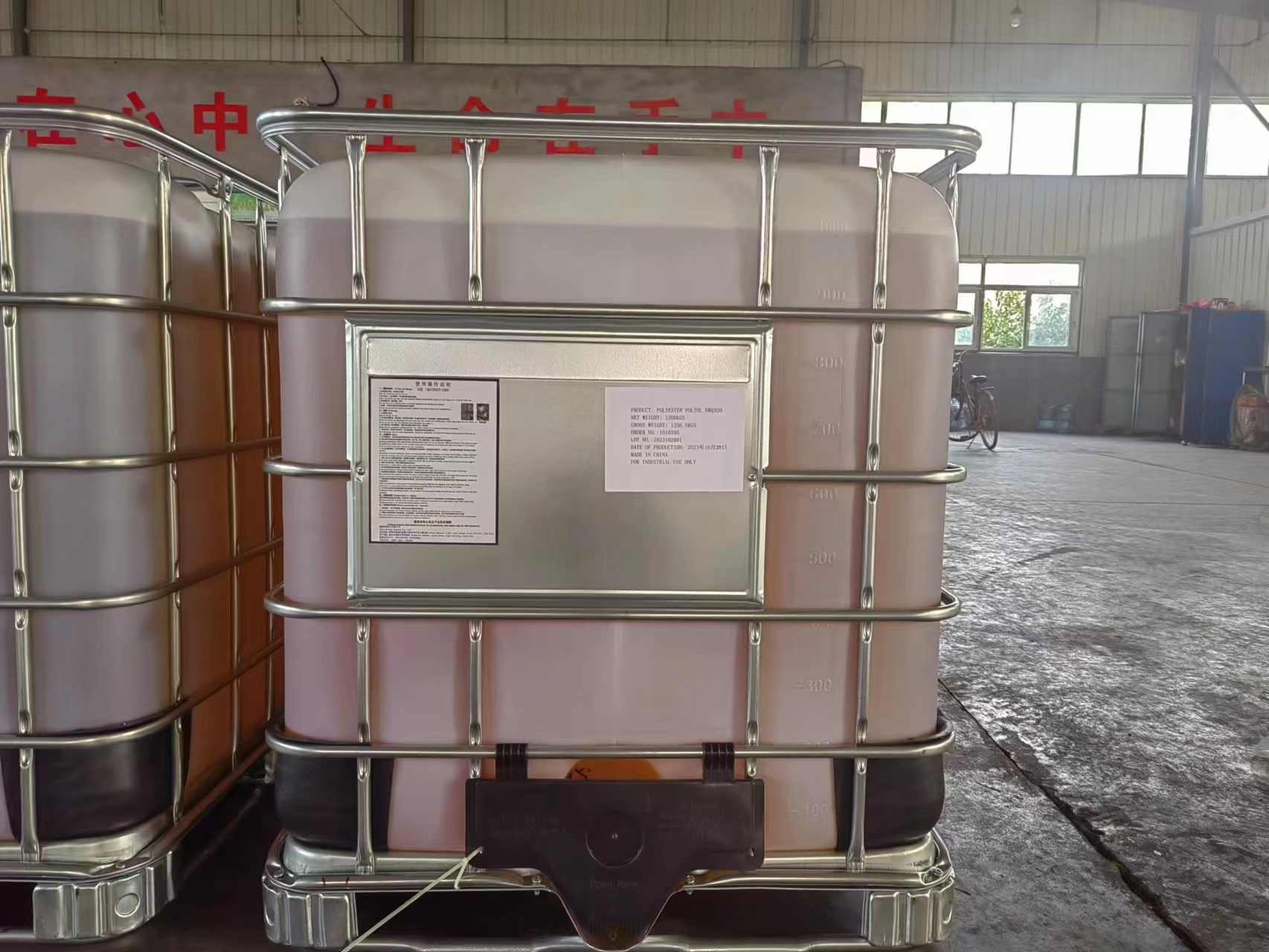
Technical Explanation: Parameter Signals for Each Grade
Each polyester polyol subcategory uses a distinct combination of hydroxyl value, acid value, moisture, and viscosity to meet its target application's processing window and final properties.
High Flame Retardant Polyester Polyol (PIR and Spray Applications)
Flame retardant grades are formulated for PIR systems and high-risk insulation environments. XINFA's XF-2007 model demonstrates the chemistry's design intent: a viscosity of 15000±3000 CPS at 25°C and hydroxyl value of 200±10 mgKOH/g. The series also includes XF-250P (hydroxyl value 260±10 mgKOH/g), XF-235P (acid value ≤2.0 mgKOH/g), and XF-240P (moisture ≤0.15%). These parameters support the low thermal conductivity and char-forming behavior required in PIR insulation. The product line is produced from PA, PTA, AA, DEG, and GLY.
Pentane-Based Polyester Polyol (Home Appliances and Panels)
Pentane-blown systems require polyols with controlled hydroxyl values and viscosities to maintain cell structure during blowing. The XF-435, XF-390, XF-360, XF-2402N, and XF-2020 series spans hydroxyl values from 200±10 mgKOH/g (XF-2020) to 500±50 mgKOH/g (XF-435). XF-390, for example, has a viscosity of 2000±500 CPS and hydroxyl value of 400±20 mgKOH/g, while XF-435 has a higher viscosity of 10000±2000 CPS. The range gives formulators flexibility across appliance insulation, pipe insulation, and sandwich panel lines.
High Water-Based Polyester Polyol (Low-VOC and Water-Blown Systems)
Water-blown systems demand polyols with low viscosity and low acid value to maintain flow and compatibility. The XF-2003, XF-2006, XF-3153, XF-315G, and XF-300W series covers hydroxyl values from 170±10 to 315±15 mgKOH/g. XF-2006, the lowest-viscosity option in the series at 1500±500 CPS, has an acid value of ≤0.5 mgKOH/g and moisture ≤0.1%. These grades are designed for spraying insulation, sandwich panels, and polyurethane pipes where water acts as the primary or partial blowing agent.
Adhesive-Grade Polyester Polyol (Sandwich Panel Bonding)
Adhesive-grade polyols bridge the gap between foam performance and bonding strength. XINFA's XF-Z and XF-280 models provide a wide hydroxyl value spread—60±5 mgKOH/g for XF-Z and 280±20 mgKOH/g for XF-280—which allows adhesive formulators to balance open time, green strength, and final bond durability in sandwich panel production.
Specialty Grades: Mining and Controlled-Release Fertilizer Coating
XINFA also produces polyester polyols for niche industrial segments. The KXF-350 and KXF-280 models serve the mining industry, where polyurethane grouts and sealants require controlled reactivity and dimensional stability under load. The controlled-release fertilizer coating series (XF-270, XF-B-3, XF-B-4) is formulated for agricultural coating applications, with hydroxyl values from 260±10 to 370±20 mgKOH/g and moderate viscosities (3000–3500±500 CPS), balancing film formation with nutrient release characteristics.
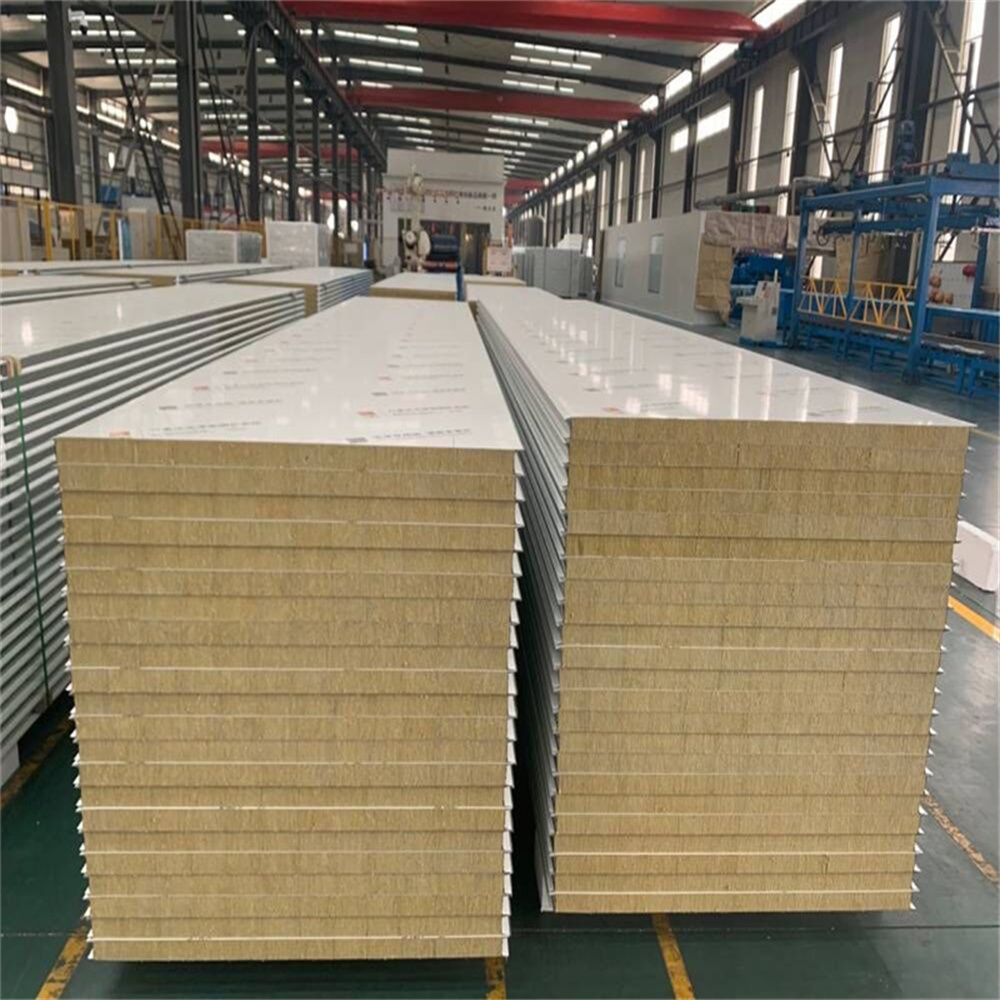
Application Scenarios: Matching Product to Project
The table below maps XINFA's polyester polyol categories to representative application scenarios, supporting this article's focus on buyer education.
| Application Scenario | Recommended Product Type | Key Requirement |
|---|---|---|
| Construction insulation (spraying) | High flame retardant / water-based grades | High flame retardancy, low odor, stable foaming performance |
| Sandwich panels (PIR system) | High flame retardant / pentane-based / phthalic anhydride grades | High flame retardant, low odor, stable foaming performance |
| Cold storage and heat insulation | Spraying foam grades (XF-235, NXF-400) | Low temperature foaming stability, high thermal insulation efficiency |
| Home appliances and PU pipes | Pentane system / phthalic anhydride grades | Process stability, thermal insulation |
| Mining support and sealing | Mining-specific grades (KXF-350, KXF-280) | Controlled reactivity, dimensional stability |
| Agricultural controlled-release fertilizer | XF-270, XF-B-3, XF-B-4 | Film formation, consistent coating |
Market Trends Supporting the Category Approach
Three structural trends make application-specific polyester polyol sourcing more relevant in 2026.
First, regulatory pressure on building insulation is intensifying. The EU Energy Performance of Buildings Directive (EU) 2024/1275 is driving demand for higher-performance insulation materials, which translates to stricter requirements for flame retardancy and thermal efficiency in rigid PU and PIR foam systems. Second, the polyurethane catalyst market—closely coupled to polyol formulation—continues to grow, with the global market estimated at USD 2.46 billion in 2024 and amine catalysts such as TEDA representing 28.6% of revenue. Third, the polyester polyol market's growth trajectory is uneven by region, with Asia Pacific holding a 43.7% revenue share in 2024 and China projected to lead growth at 5.2% CAGR through 2033. For global buyers, this reinforces the value of working with suppliers who can offer both category depth and regional supply stability.
XINFA's portfolio design mirrors this shift. By integrating polyester polyol production with a complementary polyurethane catalyst line—including TEDA (CAS 280-57-9), TEDA A33, PC-5, PC-8, PC-9, PC-15, PC-41, BDMA, BDMAEE, DMDEE, DMAEE, TMR-2, DMP-30, A-1, T-9, TCPP, and TEP—the company positions itself as a systems-oriented supplier rather than a single-raw-material vendor.
Comparison with Traditional Sourcing Approaches
Traditional polyester polyol sourcing often relies on a limited set of commodity grades from multi-segment chemical majors. The advantage of this approach is simplification: one grade, one price point, one specification sheet. For high-volume, stable applications such as standard rigid foam insulation, it remains a viable path.
The category-based approach offers greater formulation precision, but it carries a trade-off. Managing multiple grades increases inventory complexity and requires a supplier who can maintain consistent quality across a wider portfolio. Buyers must weigh whether application-specific grades justify the added sourcing coordination compared to standard commodity grades. Companies with diverse product lines—such as those producing both sandwich panels and sprayed insulation—are more likely to benefit from the category-mapped portfolio.
It is also worth noting that XINFA's production scale of 80,000 tons annually is substantial but not comparable to the largest global chemical groups. Buyers requiring multi-region supply from multiple certified plants may need to evaluate XINFA's single-site manufacturing model against their geographic risk tolerance. The company mitigates this partly through its Shijiazhuang-based subsidiary, Hebei Xinshe Technology Co., Ltd., which handles import and export of polyurethane materials and catalysts, enabling an integrated "domestic intelligent manufacturing + global trade" operation.
Future Outlook
As insulation standards tighten and end-use applications diversify, polyester polyol sourcing will continue to move from generic price comparison toward specification-based category evaluation. The combination of flame retardancy, low viscosity for water-blown systems, and compatibility with pentane blowing agents will become more standardized decision criteria. Suppliers who maintain complete parameter documentation across multiple subcategories—and who can pair polyols with matched catalysts and flame retardants—are likely to become preferred partners for foam manufacturers.
For buyers, the practical next step is to audit their current polyol grades against the application-specific categories described above, and to request detailed specification sheets for the subcategories most relevant to their production lines.
FAQ
What is the difference between aromatic polyester polyol and other polyester polyol types?
Aromatic polyester polyols are a distinct segment of polyester polyols, valued at USD 1.9 billion globally in 2026. They are commonly used in rigid foam applications because their aromatic structure contributes to higher thermal stability and flame retardancy compared to aliphatic grades. Within XINFA's portfolio, phthalic anhydride-based polyester polyols such as XF-3152, XF-2412, XF-1752, and XF-2002 fall into this category and are designed for spraying insulation, sandwich panels, polyurethane pipe, PU wood imitation, and home appliances.
Which polyester polyol is recommended for spraying foam insulation?
For spraying foam insulation, XINFA offers models XF-235 and NXF-400 in its Other Types Polyester Polyol category. XF-235 has a hydroxyl value range of 230–245 mgKOH/g, viscosity of 10500±1500 CPS at 25°C, acid value ≤2.0 mgKOH/g, and moisture ≤0.15%. These grades are formulated for the foam and panel industry, specifically for spraying foam and sandwich panel applications.
Which polyester polyol grades support PIR sandwich panel production?
PIR sandwich panel production requires high flame retardancy and stable foaming performance. XINFA's High Flame Retardant Polyester Polyol series (XF-2007, XF-240P, XF-235P, XF-250P) is designed for PIR spraying insulations, sandwich panels, and polyurethane pipes. The Pentane System Polyester Polyol series (XF-435, XF-390, XF-360, XF-2402N, XF-2020) also supports sandwich panel applications in PIR systems.
What is high water-based polyester polyol used for?
High water-based polyester polyols are designed for high-water or full water-based polyurethane systems, where water acts as the primary or partial blowing agent. XINFA's high water-based series includes models XF-2003, XF-2006, XF-3153, XF-315G, and XF-300W. Applications include spraying insulation, sandwich panels, and polyurethane pipes, with all models holding moisture content at ≤0.1% to maintain system stability.
How does a pentane-based polyester polyol differ from a standard grade?
Pentane-based polyester polyols are formulated for compatibility with pentane blowing agents, which require controlled hydroxyl values and viscosities to maintain cell structure during foam expansion. XINFA's pentane system series ranges from XF-2020 (hydroxyl value 200±10 mgKOH/g) to XF-435 (hydroxyl value 500±50 mgKOH/g). These grades are intended for home appliances, polyurethane pipes, sandwich panels, and PIR systems.
Which polyester polyol is used for sandwich panel adhesive applications?
XINFA's Polyester Polyol for Adhesive series includes models XF-Z and XF-280, designed specifically for sandwich panel adhesive applications. XF-Z has a hydroxyl value of 60±5 mgKOH/g and viscosity of 10000±2000 CPS, while XF-280 has a hydroxyl value of 280±20 mgKOH/g and viscosity of 15000±2000 CPS. The hydroxyl value range across the adhesive series spans 55 to 300 mgKOH/g.
Are there polyester polyols specifically for mining applications?
Yes. XINFA produces a Polyester Polyol for Mining series with models KXF-350 and KXF-280. KXF-350 has a hydroxyl value of 350±20 mgKOH/g, viscosity of 1500±500 CPS, acid value ≤2.0 mgKOH/g, and moisture ≤0.1%. KXF-280 has a hydroxyl value of 280±15 mgKOH/g and viscosity of 1000±200 CPS. These grades are made from PA, PTA, AA, DEG, and GLY.
What is the difference between TEDA and TEDA A33?
TEDA (Triethylene Diamine, CAS 280-57-9) is a solid catalyst with purity ≥99% (GC), melting point 158–165°C, and boiling point 218°C. TEDA A33 is a liquid amine catalyst blend containing 33.0–33.6% TEDA and 66.4–67.0% DPG, with a boiling point of 149°C and flash point of 110°C. Both are used in polyurethane foam production, with TEDA A33 offering easier handling for liquid dosing systems.
What catalysts does XINFA offer for PU foam systems?
XINFA produces a full range of polyurethane catalysts, including TEDA (CAS 280-57-9), TEDA A33, PC-5 (PMDETA), PC-8 (DMCHA), PC-9, PC-15, PC-41, BDMA, BDMAEE, DMDEE, DMAEE, TMR-2, DMP-30, A-1, and T-9 (stannous octoate). The company also supplies flame retardants TCPP and TEP, enabling customers to source polyols and catalysts from a single supplier.