
Pneumatic Rubber Fender: A Guide for Marine Operators
In modern marine operations, the choice of fendering system directly influences berthing safety, vessel integrity, and infrastructure longevity. As vessel sizes increase and turnaround times tighten, operators are seeking reliable, high-performance solutions that balance energy absorption with low reaction force. Pneumatic rubber fenders have emerged as a preferred technology for ship-to-ship (STS) and ship-to-dock (STD) operations, offering a combination of durability, light weight, and adaptability. This article examines the technical fundamentals, application scenarios, and procurement considerations of pneumatic rubber fenders, with a focus on certified manufacturing capabilities.
[IMAGE: Cover | Workshop scene]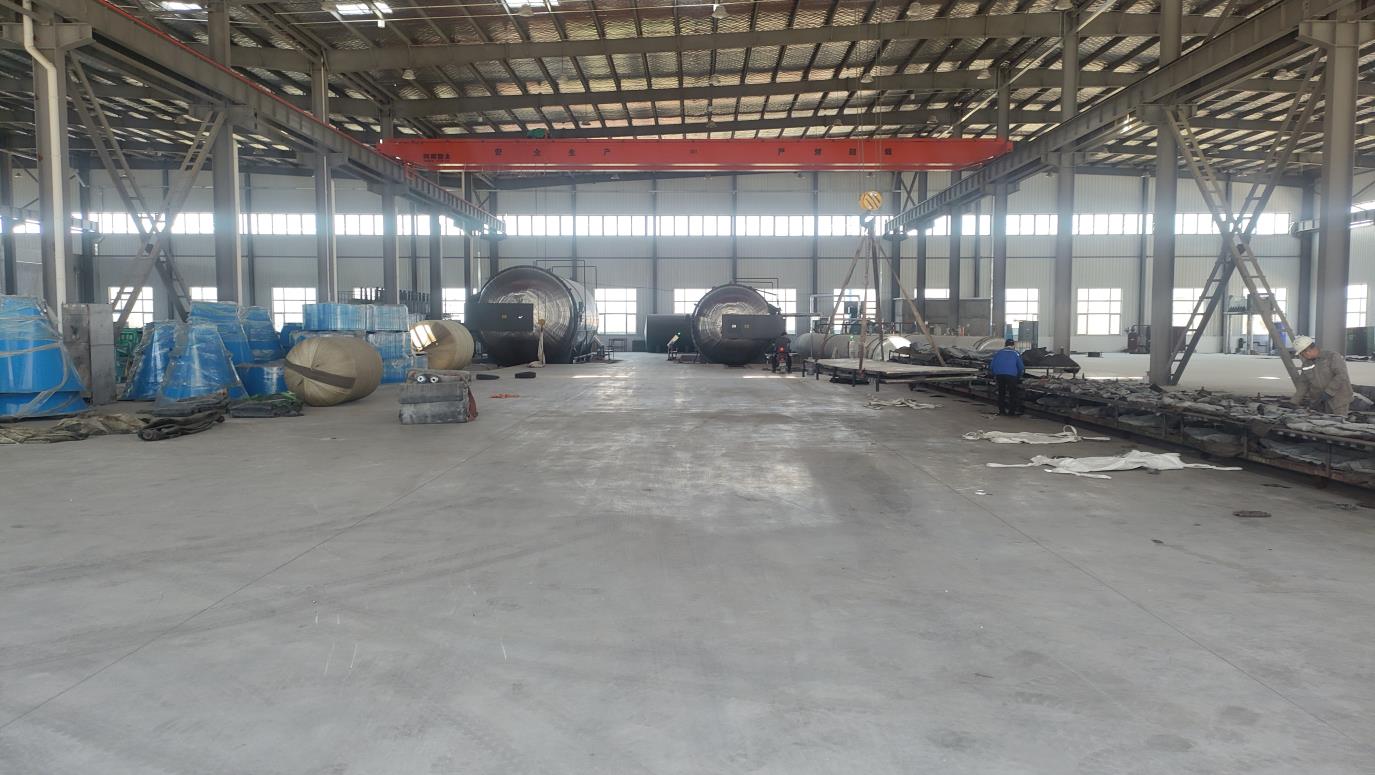
The Challenge of Marine Berthing Protection
Berthing impacts generate substantial kinetic energy that must be safely dissipated to avoid damage to both the vessel and the dock structure. Traditional solid rubber fenders, while widely used, can transmit high reaction forces and are relatively heavy, complicating installation and maintenance. In contrast, pneumatic rubber fenders use compressed air as the primary energy-absorbing medium, providing a softer landing and lower peak loads. However, selecting a reliable pneumatic fender requires attention to material quality, manufacturing precision, and certification compliance — factors that are not always transparent in a fragmented supply chain.
Haohang’s Approach: Engineering for Reliability
Qingdao Haohang Fender Airbag Co., Ltd. is a specialized manufacturer of marine airbags and rubber fenders, based in Qingdao, China. Founded in 2020, the company operates a manufacturing facility covering more than 3,168 square meters (total plant area 8,000 m²) with a general investment of RMB 20,000,000. Haohang’s pneumatic rubber fender (model code 3764) is constructed from natural rubber and cord fabric, materials chosen for their high elasticity, corrosion resistance, and fatigue life. The product is available in diameters ranging from 300 mm to 2,000 mm, with customizable lengths typically from 1 meter to 10 meters, and a working pressure of 0.1–0.3 MPa adjustable to site conditions.
[IMAGE: Diagram | product architecture]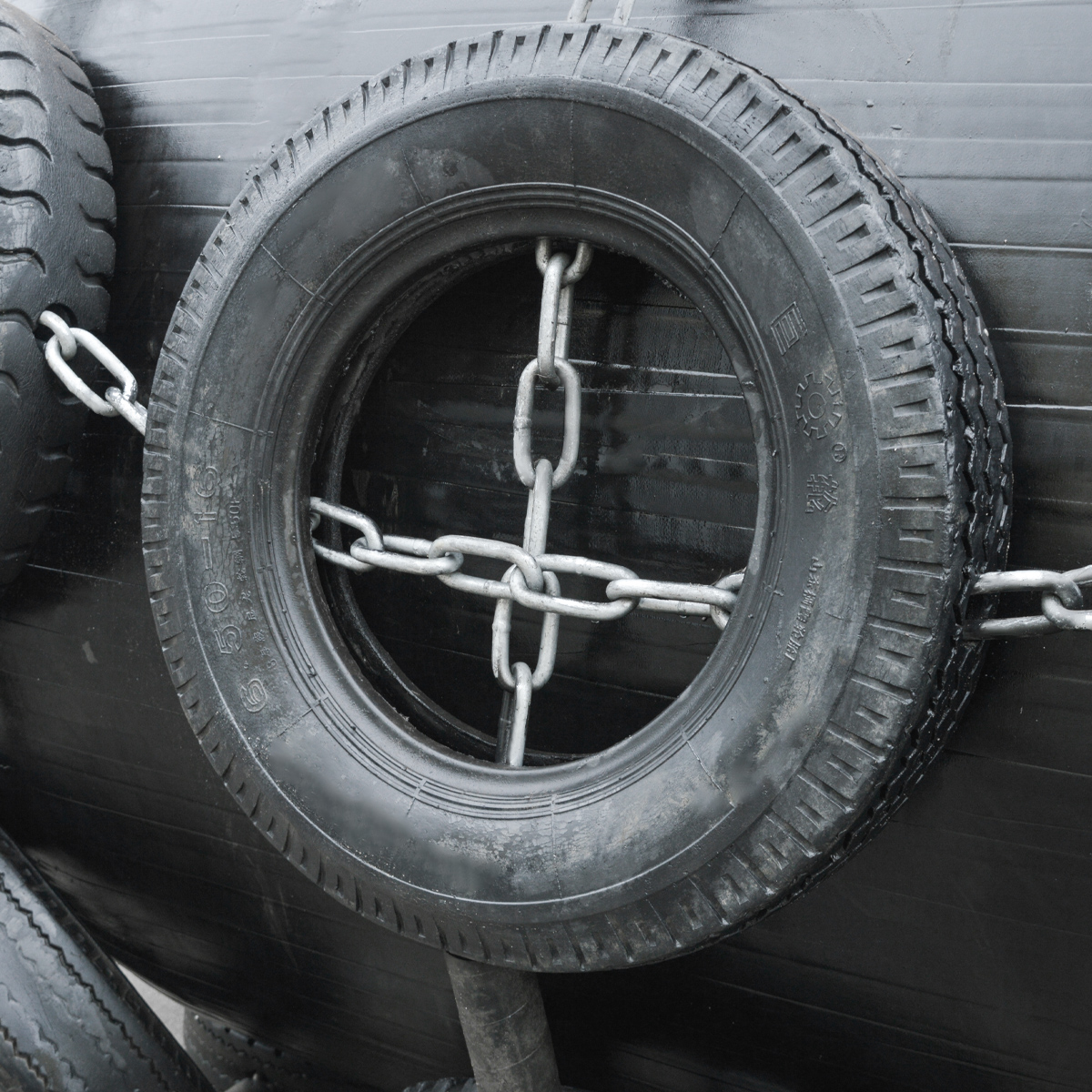
Technical Specifications and Certification
The rubber fender holds CCS certification (certificate number 2026CJSD00023) issued by the China Classification Society, a globally recognized marine classification authority. This certification confirms that the product meets international standards for material strength, pressure integrity, and operational safety. The fender is designed for a continuous temperature range of -20°C to +60°C, making it suitable for diverse climatic zones from cold harbors to tropical offshore platforms. Its lightweight construction facilitates rapid deployment, and the system requires only an air compressor for inflation and pressure maintenance.
Real-World Application Scenarios
Haohang’s pneumatic rubber fenders are deployed in ports, docks, ship mooring, and offshore platform environments, particularly in Vietnam, where they support STS and STD operations. The primary function is to protect dock structures and ships by reducing impact forces during mooring. The fender operates in 24/7 automatic mode, providing continuous protection without manual intervention. In Vietnam’s busy coastal terminals, the fender’s high elasticity and durability help withstand frequent berthing cycles, while its corrosion resistance is critical in saline marine environments.
[IMAGE: Scene | application]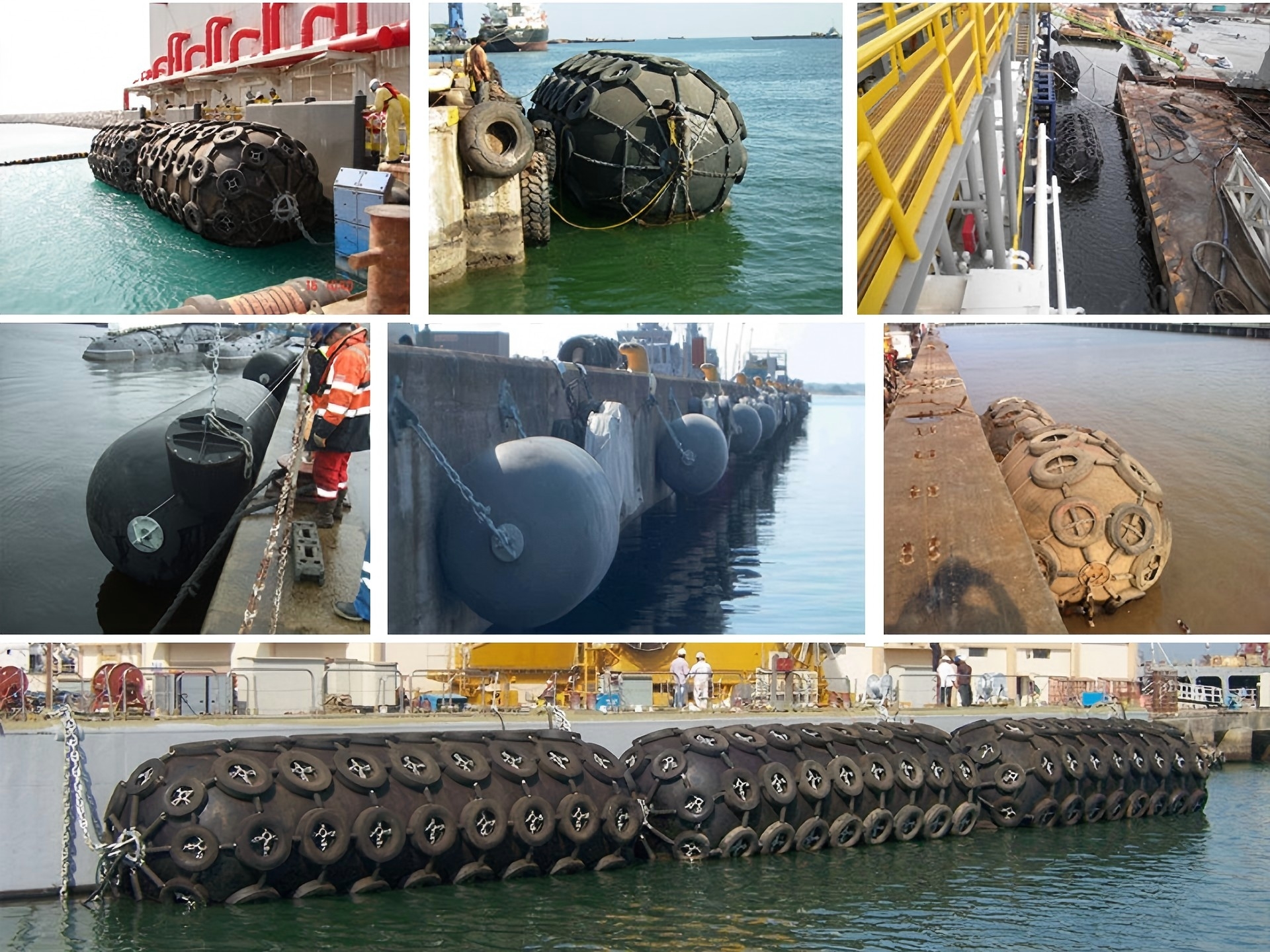
Market Trend Analysis
Global demand for pneumatic rubber fenders is driven by expanding port infrastructure and the growth of offshore energy projects. Haohang exports approximately 70% of its production, with major markets in South Asia, the Middle East, and Africa. These regions are investing heavily in new terminals and floating storage units, where STS transfers require reliable fendering. The company’s annual production capacity of about 2,000 units and a dedicated R&D team of 15 engineers position it to serve both standard and custom orders. The trend toward larger vessels also favors pneumatic fenders, as their energy absorption can be scaled by adjusting diameter and pressure without proportional weight increase.
Comparison with Conventional Solutions
Compared to traditional solid rubber fenders, pneumatic fenders offer lower reaction forces for a given energy absorption, reducing the risk of hull damage. They are also lighter and easier to install, especially in temporary mooring or offshore applications. However, pneumatic fenders require an onboard or dockside air compressor for initial inflation and periodic pressure checks, adding a maintenance layer that solid fenders do not need. This limitation is manageable in most commercial port settings but should be factored into lifecycle planning.
Future Outlook
As international maritime regulations tighten and operators seek to reduce downtime, the role of certified pneumatic fenders will continue to expand. Manufacturers like Haohang, with in-house compounding expertise and third-party certification, are well positioned to meet evolving quality and delivery expectations. The company’s vertical integration — from raw material self-sufficiency to finished product testing — enhances traceability and consistency. For procurement teams evaluating new suppliers, emphasis on certification, production capacity, and application-specific performance data remains paramount.
Frequently Asked Questions
What is a pneumatic rubber fender?
A pneumatic rubber fender is a marine fender that uses compressed air as the energy-absorbing medium. It is constructed from natural rubber and cord fabric, providing high elasticity and low reaction force during berthing.
What materials are used in Haohang's pneumatic rubber fender?
The fender is made of natural rubber and cord fabric, selected for durability, corrosion resistance, and flexibility across a wide temperature range.
What certifications does Haohang's rubber fender hold?
The rubber fender (product code 3764) holds CCS certification issued by the China Classification Society, with certificate number 2026CJSD00023, applicable globally.
For which marine operations is this fender suitable?
It is designed for ports and docks, ship mooring, and offshore platforms, specifically for STS (ship-to-ship) and STD (ship-to-dock) operations. It operates in 24/7 automatic mode and requires an air compressor.
What is the working temperature range?
The fender can withstand extreme temperatures from -20°C to +60°C, making it suitable for various climatic conditions.
How can I contact the manufacturer for a quote?
You can reach Qingdao Haohang via email at ella@qdhaohang.com, phone +86 15806273885, or WhatsApp at the same number.
Download the company brochure (PDF) for detailed product specifications and company profile.