
Plate-Based vs. Digital Printers: A Practical Buying Comparison
Plate-Based vs. Digital Printers: A Practical Buying Comparison
The global digital printing market was valued at USD 38.0 billion in 2023 and is projected to reach USD 57.0 billion by 2030, according to Grand View Research. The packaging segment is a major growth engine: the digital printing packaging market is expected to expand from USD 30.2 billion in 2024 to USD 46.2 billion by 2029, based on MarketsandMarkets projections. For packaging factories, brand owners, and print procurement teams, the practical question is no longer whether digital printing works. The question is whether a multifunctional digital printing machine fits their order mix, cost structure, and production workflow better than a traditional plate-based press.
The Decision Problem: Fragmented Orders vs. Batch Economy
Traditional plate-based printing follows a fixed-cost logic. Plates must be made, machines must be set up, and wash-up is required between jobs. These fixed costs are amortized over the length of a production run. As a result, conventional plate-based equipment is typically economical when batch sizes exceed roughly 3,000 copies. Below that threshold, plate costs and setup time dominate the unit cost.
Market demand has been moving in the opposite direction. E-commerce, cross-border personalized packaging, multi-SKU brand campaigns, rapid prototyping, and print-on-demand fulfillment all generate shorter runs and faster changeovers. According to Market Research Future, variable data printing has made production runs under 3,000 units economically viable in 2024 — a volume segment that was previously cost-prohibitive for conventional workflows. This creates a mismatch: plate-based production is designed for volume, while a growing share of packaging orders requires flexibility.
The opportunity for printing plants is not to replace offset or flexographic production outright. The opportunity is to shift the short-run, multi-SKU, and customization portion of the order book onto digital equipment, where the cost structure behaves differently.
Brand Solution: GOKING Multifunctional Digital Printing Machine
Guangdong Goking Intelligent Technology Co., Ltd. (GOKING) is a China-based manufacturer of industrial digital printing equipment. Founded in 2020 by a team with more than a decade of industry experience, the company operates a 10,000-square-meter manufacturing facility in Dongguan, Guangdong Province. It employs 152 people, including 38 R&D engineers, and has an annual output of 864 sets. Around 49% of production is exported to the EU, Africa, Latin America, Russia, Kazakhstan, and Turkey. GOKING also serves as an OEM/ODM partner for global brands.
GOKING’s product line centers on single-pass (direct output) and multi-pass (scanner-type) 2-in-1 digital printing machines, including 5-color integrated models with multiple DPI configurations and different printhead options. The company’s main products support various grades of corrugated and honeycomb cardboard, which positions them for the packaging segment rather than general commercial print.
The core difference between a GOKING digital printing machine and a traditional plate-based machine is the elimination of plate making. The machine uses inkjet printing technology and supports variable data printing and digital color calibration. In GOKING’s published comparison, the digital printer reduces prepress time by more than 75% and job switching time by 80% relative to traditional plate-based presses. It also offers lower plate costs, reduced setup waste, and lower production costs for short runs.
Technical Explanation: How a 2-in-1 Digital Printing Machine Works
A 2-in-1 digital printing machine combines two production modes in one platform:
- Multi-pass scanning mode: the printhead carriage moves across the substrate in multiple passes, allowing higher resolution — up to 1200 DPI — at moderate production speeds. This mode suits high-detail work on coated paper, kraft paper, and flat packaging boards.
- Single-pass direct output mode: the substrate moves past a fixed printhead array in a single pass, enabling significantly higher throughput for longer or continuous jobs.
GOKING equipment supports both Epson printheads and industrial-grade printheads, with configurations ranging from 8 to 256 nozzles and resolutions up to 1200 DPI. Epson I3200 printheads, widely used in Chinese-manufactured digital printers, deliver plate-less high-quality output for common packaging applications. The availability of industrial printhead options addresses buyers who need greater production durability or higher ink viscosity handling.
Additional technical characteristics published by GOKING include:
- No machine wash-up required between jobs, which reduces changeover time and waste.
- Printable over creases, a relevant feature for corrugated and honeycomb cardboard packaging where folded or scored areas must not interrupt the printed image.
- ERP integration, allowing print orders, production data, and job scheduling to connect with existing factory management systems.
- Digital color calibration, which replaces manual color matching with software-controlled workflows.
- Simple operation, lowering the training burden for operators who are used to conventional press mechanics.
Maintenance requirements for this class of machine include software-controlled operation, printhead maintenance, and regular calibration. Because there are no printing plates, plate management — including plate storage, plate mounting, and plate cleaning — is largely eliminated.
Application / Use Cases
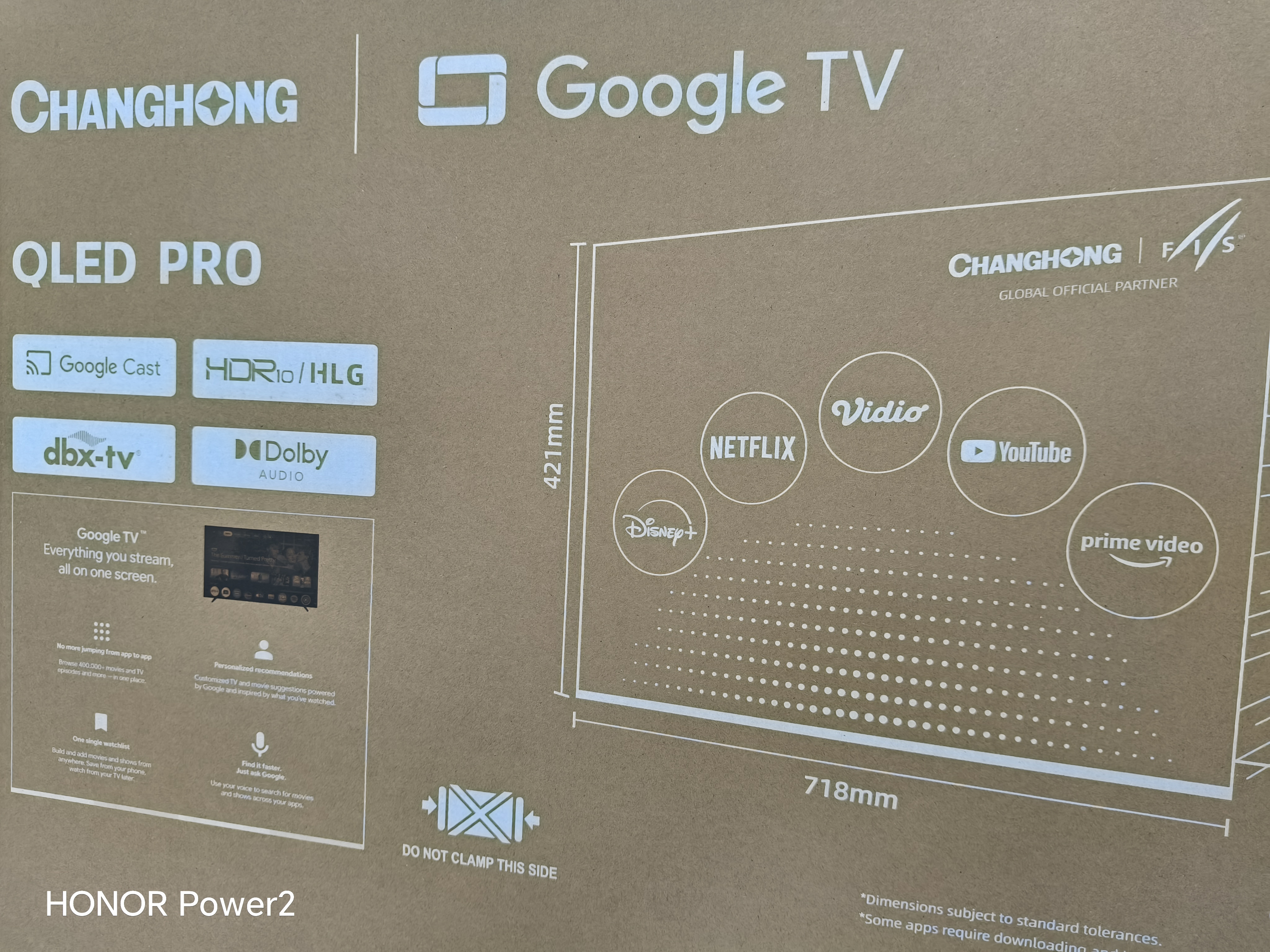
GOKING’s published materials identify five job categories where a multifunctional digital printing machine is most appropriate: short-run printing, multi-SKU production, customized packaging, on-demand printing, and rapid prototyping. Combined with the ability to print from a single copy upward, these capabilities support small-batch cross-border print-on-demand orders that traditional plate-based presses would not handle economically.
- Short-run printing: runs starting from one copy, with no plate charges and no setup waste.
- Multi-SKU production: each SKU can carry different graphics, languages, or regional markings without a time-consuming plate change.
- Customized packaging: personalized gift boxes, promotional packaging, and limited-edition cartons where variable data such as serial numbers, QR codes, or names are required.
- On-demand printing: packaging produced after an order is confirmed, reducing inventory risk.
- Rapid prototyping: samples produced and corrected within hours, compressing the design-to-production cycle.
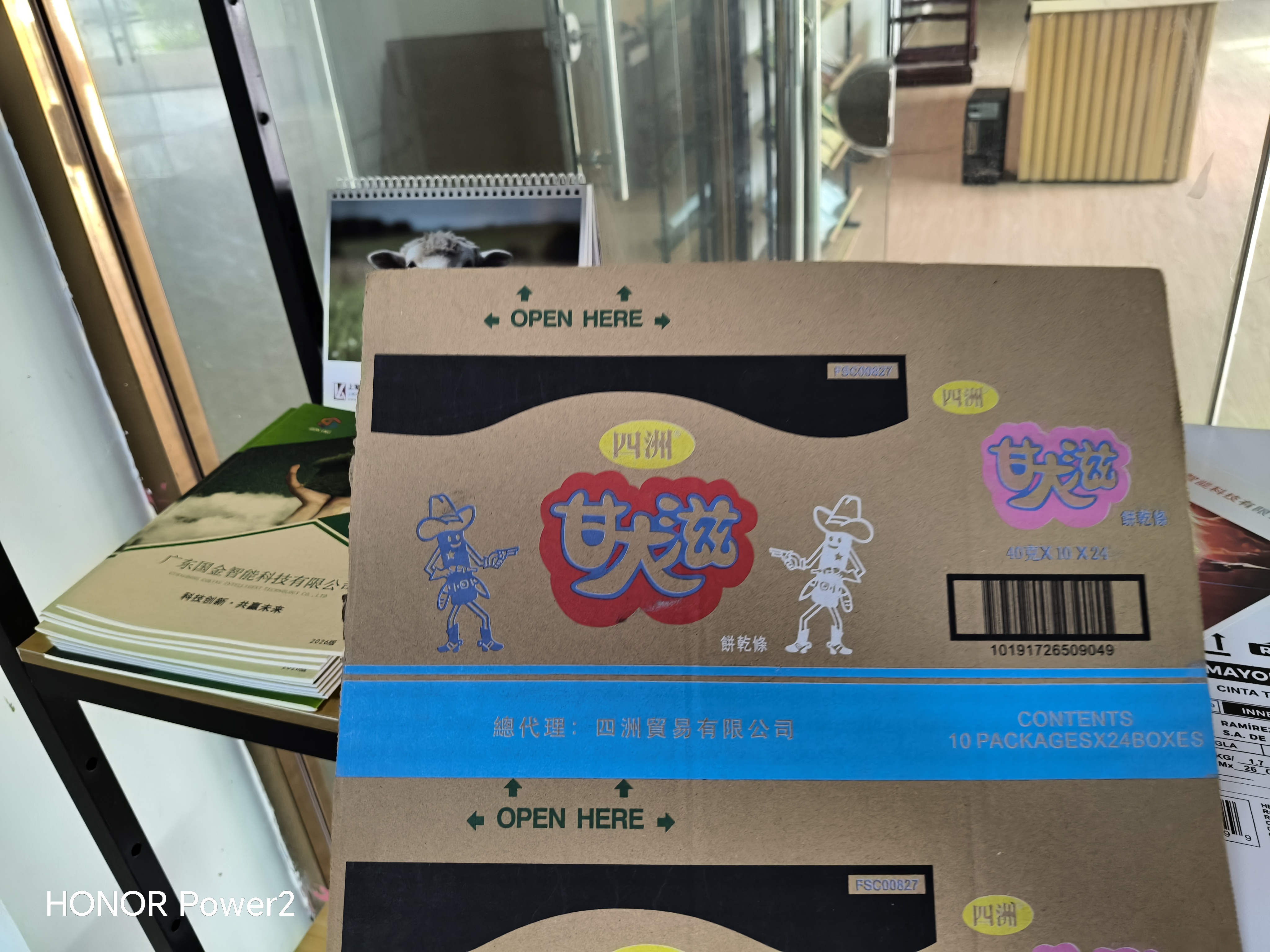
Supported substrates include corrugated cardboard, honeycomb cardboard, coated paper, and kraft paper. For dark or uncoated substrates, 5-color integrated models with CMYK+W (white ink) configurations allow the printer to lay down an opaque white base before printing color graphics. This capability is directly relevant for gift boxes and premium packaging made from kraft or recycled board, where maintaining brand color accuracy on a dark surface is a common challenge.
Market Trend Analysis
Several verifiable market indicators point toward continued adoption of digital printing in packaging.
- The digital printing packaging market is projected to grow from USD 30.2 billion in 2024 to USD 46.2 billion by 2029 (MarketsandMarkets).
- Inkjet printing held the largest technology share in the digital printing market at 48.4% in 2023 (Grand View Research).
- The single-pass digital printing machine market was valued at USD 3.2 billion in 2024 and is projected to reach USD 6.5 billion by 2034 (Reports and Data).
- Asia-Pacific accounted for approximately 41.6% of digital printing revenue in 2025 (Market Research Future). Guangdong Province in China has become a concentrated industrial cluster for digital printing machinery exports, which supports access to components, printheads, and skilled assembly labor.
In addition, hybrid digital-offset printing architectures are attracting R&D investment from major equipment manufacturers, per Market Research Future. This suggests that the boundary between digital and conventional printing is being re-engineered at the architecture level, rather than remaining a strict either/or choice.
Comparison with Traditional Plate-Based Solutions
The table below summarizes the differences that matter most at the procurement stage.
| Comparison Factor | Traditional Plate-Based Printing | GOKING Digital Printing Machine |
|---|---|---|
| Plate making | Required before every job | Eliminated |
| Prepress time | Baseline | Reduced by over 75% |
| Job switching time | Baseline | Reduced by 80% |
| Minimum economical run | Approximately 3,000 copies | From 1 copy |
| Setup waste | Plate setup generates waste | Reduced setup waste |
| Color management | Manual calibration and matching | Digital color calibration |
| Variable data capability | Limited | Supported |
| Machine wash-up between jobs | Required | Not required |
| Maintenance focus | Plate management plus press mechanics | Software-controlled operation, printhead care, calibration |
| Printing over creases | Difficult or limited | Supported |
| ERP integration | Often separate workflow | Supported |
Limitations and Boundaries
Digital printing does not make traditional plate-based printing obsolete. For long-run production above roughly 3,000 copies, conventional presses still offer favorable per-unit economics because their fixed costs are spread across a much larger quantity. A multifunctional digital printing machine — including GOKING’s 2-in-1 series — does not change the fundamental cost curve at the very high end of run lengths. Buyers should therefore evaluate their actual order mix. A plant whose volume is dominated by 10,000-plus-copy repeat orders may not yet need a digital press. A plant that handles a large volume of short-run, multi-SKU, or customized work will see the strongest return on digital adoption.
Another boundary is speed. Multi-pass scanning printers offer higher clarity — up to 1200 DPI — but slower production speeds compared with single-pass systems. Buyers must choose between resolution and throughput based on the jobs they run most often. GOKING’s 2-in-1 architecture partially addresses this trade-off by keeping both modes in one machine, but the operator still selects one mode at a time.
Quality, Compliance, and Risk Control
For decision-stage buyers, equipment reliability is as important as print capability. GOKING’s published quality assurance procedures include 100% aging tests, long-time running inspections, pre-shipment inspections, and secure packaging methods. Manufacturing risks are addressed through long-duration running inspections, while compliance risks are handled through standardized inspection processes and pre-shipment inspections.
Buyers importing into regulated markets should also consider the applicable safety framework. Industrial digital printers must comply with EN ISO 12100 for risk assessment to obtain CE marking, and the electrical equipment of industrial machines is governed by IEC 60204-1 (EN 60204-1). These standards apply to the machine’s design, safety circuitry, and electrical installation, and they are part of the documentation a buyer should request before shipment.
In addition, ink chemistry is becoming a compliance consideration. The U.S. EPA declared certain PFAS chemistries used in UV inks hazardous in April 2024, which is affecting ink formulation strategies. Water-based pigment inks have correspondingly gained relevance in the eco-friendly digital printing segment. Buyers who plan to export printed packaging to North America or Europe should ask their equipment supplier for compatibility with compliant water-based ink sets.
Future Outlook
Several structural trends will shape the next phase of digital printing adoption.
First, variable data printing is becoming a baseline requirement rather than a premium feature. As brands continue to demand serialized packaging, QR-triggered engagement, and regional variants, plate-based workflows will struggle to respond cost-effectively.
Second, hybrid digital-offset architectures are gaining attention from large equipment manufacturers. This will likely blur the distinction between digital and conventional production even further. For buyers, the practical implication is that digital capability should be evaluated as part of a broader production strategy, not as an isolated machine upgrade.
Third, environmental regulation is pushing the industry toward water-based pigment inks. Digital platforms that can adapt to changing ink formulations without major hardware changes will be better positioned over the next five years.
Finally, the concentration of digital printing machinery manufacturing in Guangdong Province gives buyers in Asia-Pacific, Africa, Latin America, and emerging European markets a broader choice of suppliers and configurations than was available a decade ago. The selection challenge is shifting from “whether digital printing works” to “which configuration matches the buyer’s order profile.”
FAQ
Q1: What is a multifunctional digital printing machine?
A multifunctional digital printing machine is an industrial inkjet press that eliminates plate making and supports variable data printing, digital color calibration, and rapid job switching. GOKING’s 2-in-1 series combines single-pass direct output and multi-pass scanning modes in one platform, covering short-run packaging, multi-SKU production, customized boxes, and high-resolution scanning applications.
Q2: How does a digital printing machine compare with a traditional plate-based printing machine?
The core difference is the elimination of plate making. A digital printer uses inkjet technology, supports variable data printing and digital color calibration, and requires no machine wash-up between jobs. Compared with traditional plate-based printing machines, GOKING’s digital printer reduces prepress time by over 75% and job switching time by 80%.
Q3: What are the cost differences between traditional and digital printing for short runs?
Compared with traditional plate-based equipment, a digital printing machine offers lower plate costs, reduced setup waste, and lower production costs for short runs. Variable data printing has made runs under 3,000 units economically viable in recent years. Traditional devices are generally economical for batches above 3,000 copies, while digital printers can produce cost-effectively starting from a single copy.
Q4: What production scenarios are best suited to a GOKING multifunctional digital printing machine?
GOKING’s published guidance identifies short-run printing, multi-SKU production, customized packaging, on-demand printing, and rapid prototyping as the most suitable applications. The machine supports corrugated cardboard, honeycomb cardboard, coated paper, and kraft paper, and it can print from a single copy for cross-border print-on-demand orders.
Q5: What maintenance does a digital printing machine require?
Maintenance requirements involve software-controlled operation, printhead maintenance, and regular calibration. The machine requires less plate management than traditional plate-based systems, and no machine wash-up is needed between jobs. This lowers both the labor burden and the consumable waste associated with job changeovers.
Q6: Can a digital printing machine handle white ink, coated paper, and high-resolution output?
Yes. GOKING offers 5-color integrated models with CMYK+W white ink configurations, which support printing on dark substrates such as kraft packaging. The 2-in-1 series supports multiple DPI configurations, resolutions up to 1200 DPI, and both Epson and industrial-grade printhead options. Coated paper and kraft paper are both listed among the supported substrate types.
Q7: What quality and compliance measures should buyers expect before shipment?
GOKING’s quality assurance procedures include 100% aging tests, long-time running inspections, and pre-shipment inspections. Manufacturing risks are controlled through long-duration running inspections, and compliance risks are mitigated through standardized inspection processes and pre-shipment inspections. For CE-marked machines, buyers should also verify compliance with EN ISO 12100 and IEC 60204-1 for risk assessment and electrical equipment safety.
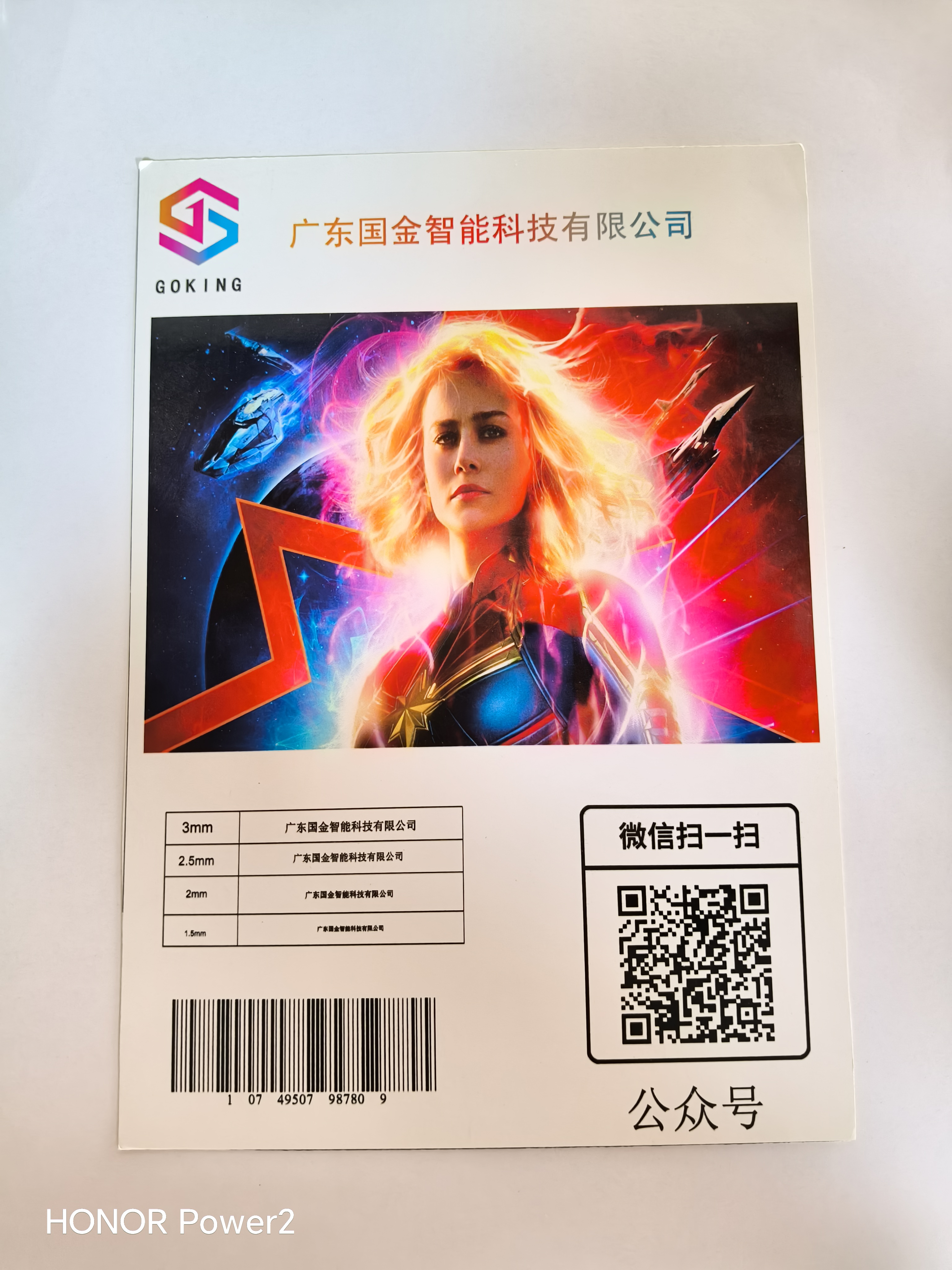
A downloadable product catalog with technical specifications and configuration details is available here: GOKING 2026 Product Catalog (PDF).