
Plastic vs. Wood Pallet Box: Long-Term Cost Analysis for Buyers
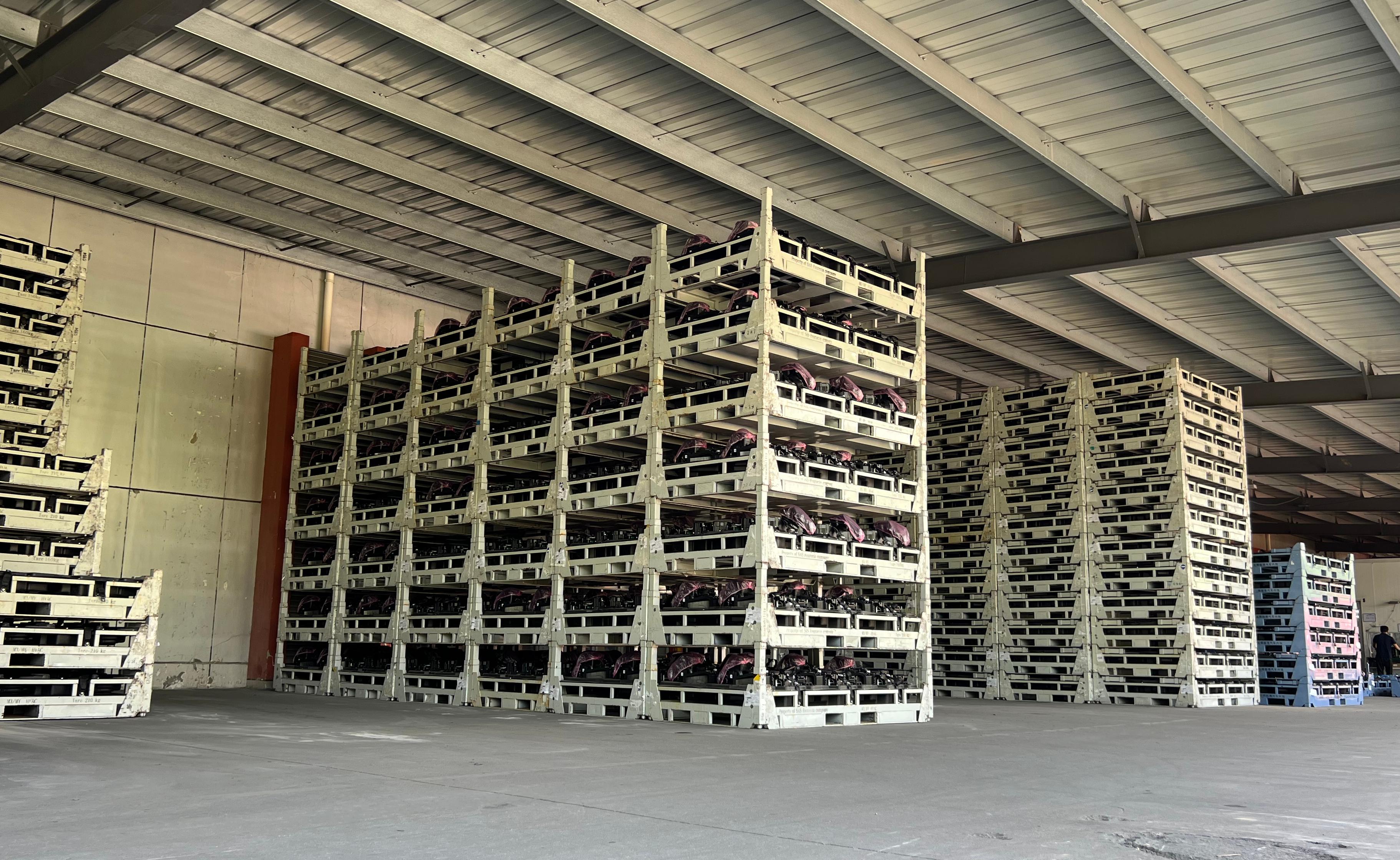
The Strategic Choice Between Plastic and Wooden Pallet Boxes
In industrial logistics and warehousing, the selection of pallet boxes is not merely a commodity purchase—it is a decision that affects product protection, operational efficiency, and total cost of ownership. For buyers evaluating suppliers, the plastic pallet box has emerged as a compelling alternative to traditional wooden pallets, particularly in scenarios requiring durability, hygiene, and long-term cost control. This article provides a fact-based comparison to help decision-makers assess the value proposition of plastic pallet boxes, specifically those manufactured by TOYOE (brand of Zhangjiagang Fenghui Logistics Equipment Co., Ltd.).
Problem: Wooden Pallet Limitations in Modern Supply Chains
Wooden pallets have long been the default choice for material handling, but they come with inherent drawbacks. They are susceptible to moisture absorption, pest infestation, and mildew damage, which can compromise product integrity and create compliance issues in export logistics. Frequent breakage and splintering lead to high replacement rates, and ongoing maintenance—such as nail repair and fumigation—adds hidden costs. These limitations are especially problematic in food, pharmaceutical, and automated warehousing environments where cleanliness, dimensional consistency, and reliability are critical.
Opportunity: The Plastic Pallet Box Advantage
TOYOE plastic pallet boxes address these pain points through a design that prioritizes durability, moisture resistance, and low maintenance. According to product specifications, compared to wooden pallets, the plastic pallet box offers distinct advantages including higher durability, moisture resistance, stable bearing capacity, and no pest or mildew damage. It requires 80% less maintenance, provides a service life extended by 3–5 times, and results in 45% lower total cost over long-term use. This makes the product more suitable for food, pharmaceutical, warehousing, and export logistics scenarios.
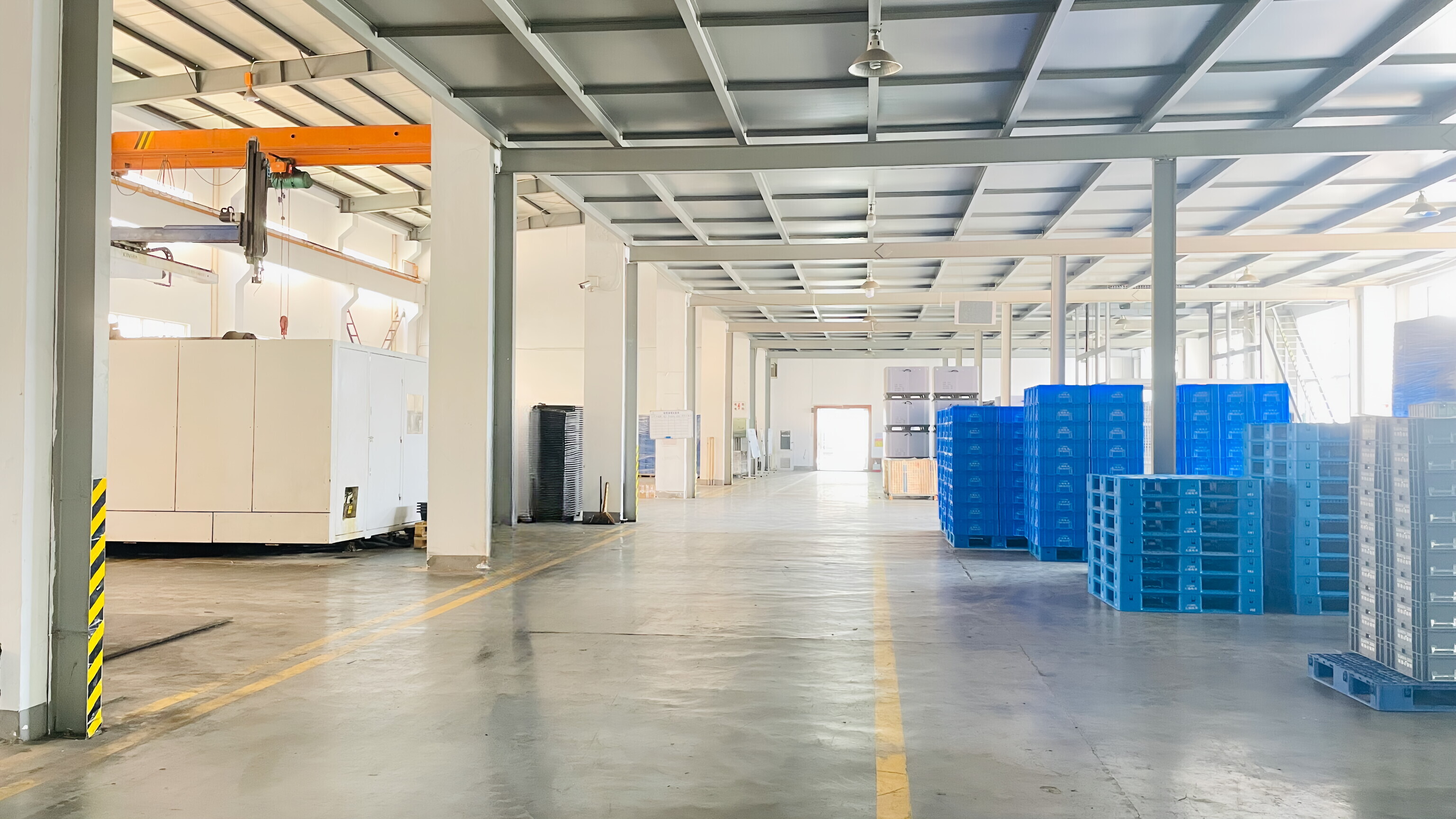
Technical Foundation: Injection-Molded Construction
TOYOE plastic pallet boxes are manufactured by Zhangjiagang Fenghui Logistics Equipment Co., Ltd., a company founded in June 2010 with a 4,000 m² factory and an annual output of 30,000 units. The products are produced using injection-molding technology, which ensures uniform wall thickness, consistent dimensions, and high load-bearing capacity. The plastic material is engineered to resist impact, moisture, and temperature variations, delivering stable bearing capacity over repeated use. Unlike wood, plastic does not splinter, absorb water, or harbor pests, making these boxes ideal for clean environments and cross-border shipping that requires ISPM-15 compliance without fumigation.
Application Scenarios
The performance characteristics of TOYOE plastic pallet boxes make them particularly well-suited for the following sectors:
- Food and Pharmaceutical: Hygiene-sensitive industries benefit from the non-porous, washable surface that resists bacterial growth and chemical residues.
- Warehousing and Logistics: Consistent dimensions enable stackability and compatibility with automated storage and retrieval systems (AS/RS).
- Export Shipping: No need for heat treatment or fumigation reduces paperwork and delays, while moisture-proof construction prevents cargo damage during ocean freight.
- Automotive Parts: Heavy-duty variants with high load capacity protect metal and plastic components during transit.
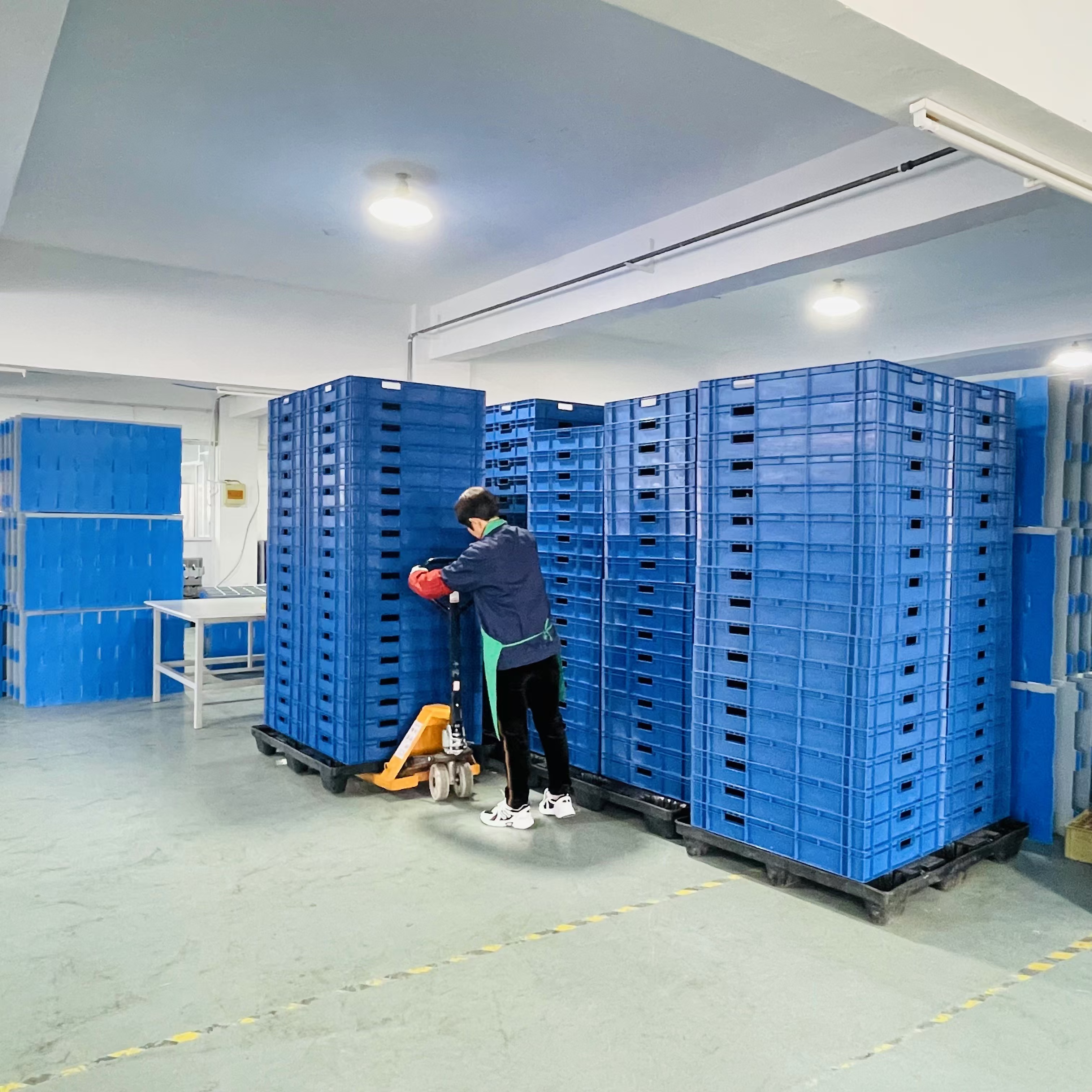
Market Trend: Total Cost of Ownership Drives Adoption
Across industrial sectors, buyers are increasingly shifting from upfront price comparisons to total cost of ownership (TCO) evaluations. The documented 45% lower total cost over the long term positions plastic pallet boxes as a financially sound investment. Additionally, regulatory pressures—such as ISPM-15 for wood packaging—and the rise of automated warehouses that require uniform pallet dimensions are accelerating the transition. TOYOE's export ratio of 40%, with main markets in Mexico and the USA, reflects growing global acceptance of plastic alternatives.
Comparison with Traditional Wooden Pallets
The following table summarizes the key differences based on available data:
| Aspect | Wooden Pallet | TOYOE Plastic Pallet Box |
|---|---|---|
| Initial cost | Lower (baseline) | ~30% higher upfront |
| Service life | 1–2 years typical | 3–5 times longer |
| Maintenance requirement | Repair, fumigation | 80% less maintenance |
| Moisture resistance | Low | High |
| Pest/mold risk | Yes | None |
| Long-term total cost | Higher | 45% lower |
| Best suited for | One-way, low-hygiene use | Food, pharma, warehousing, export |
Honest limitation: The higher initial investment (approximately 30% more than wooden pallets) may be a barrier for operations with short project lifespans or very low reuse cycles. Buyers should calculate payback based on expected trip count and maintenance savings.
Future Outlook
As supply chains emphasize sustainability, automation compatibility, and risk reduction, the plastic pallet box segment is expected to grow. TOYOE's ability to customize sizes, incorporate anti-static materials, and produce folding or stackable designs positions it to meet evolving customer requirements. For procurement teams conducting a cost-benefit analysis, the 45% TCO advantage makes a strong case for transitioning from wood to plastic in high-utilization applications.
Frequently Asked Questions
Q1: How much longer does a plastic pallet box last compared to a wooden pallet?
Based on product specifications, the plastic pallet box provides a service life extended by 3 to 5 times over alternatives.
Q2: What is the maintenance reduction with plastic pallet boxes?
Compared to wooden pallets, plastic pallet boxes require 80% less maintenance, eliminating the need for nail repairs, fumigation, and regular inspections for rot or infestation.
Q3: How much lower is the total cost of ownership over time?
Long-term use of a plastic pallet box results in 45% lower total cost, factoring in reduced replacement frequency, lower maintenance labor, and minimized product damage.
Q4: Are plastic pallet boxes suitable for export shipping?
Yes. Plastic pallet boxes offer moisture resistance, stable bearing capacity, and no pest or mildew damage, making them ideal for export logistics without requiring ISPM-15 fumigation.
Q5: What industries benefit most from plastic pallet boxes?
Food, pharmaceutical, warehousing, and export logistics scenarios benefit most due to hygiene requirements, dimensional stability, and long lifecycle demands.
Q6: Is the initial cost of a plastic pallet box higher?
Yes, the initial cost is approximately 30% higher than a wooden pallet. However, the total cost over the product's life is 45% lower, providing net savings for operations with multiple reuse cycles.
For detailed technical specifications and customization options, download the company brochure: TOYOE Pallet Box Brochure (PDF).