
Planning Fashion Jewelry Collections Around Real Market Occasions
Fashion jewelry demand is not a single curve. A necklace that moves quickly on a young consumer e-commerce platform may sit unsold in a bridal boutique; a CZ-heavy party earring line may perform well for seasonal events but fatigue in everyday retail. Buyers planning inventory therefore need a scenario-based assortment strategy, supported by a manufacturer that can supply the right mix of materials, plating, stone treatments, certification, and customization.
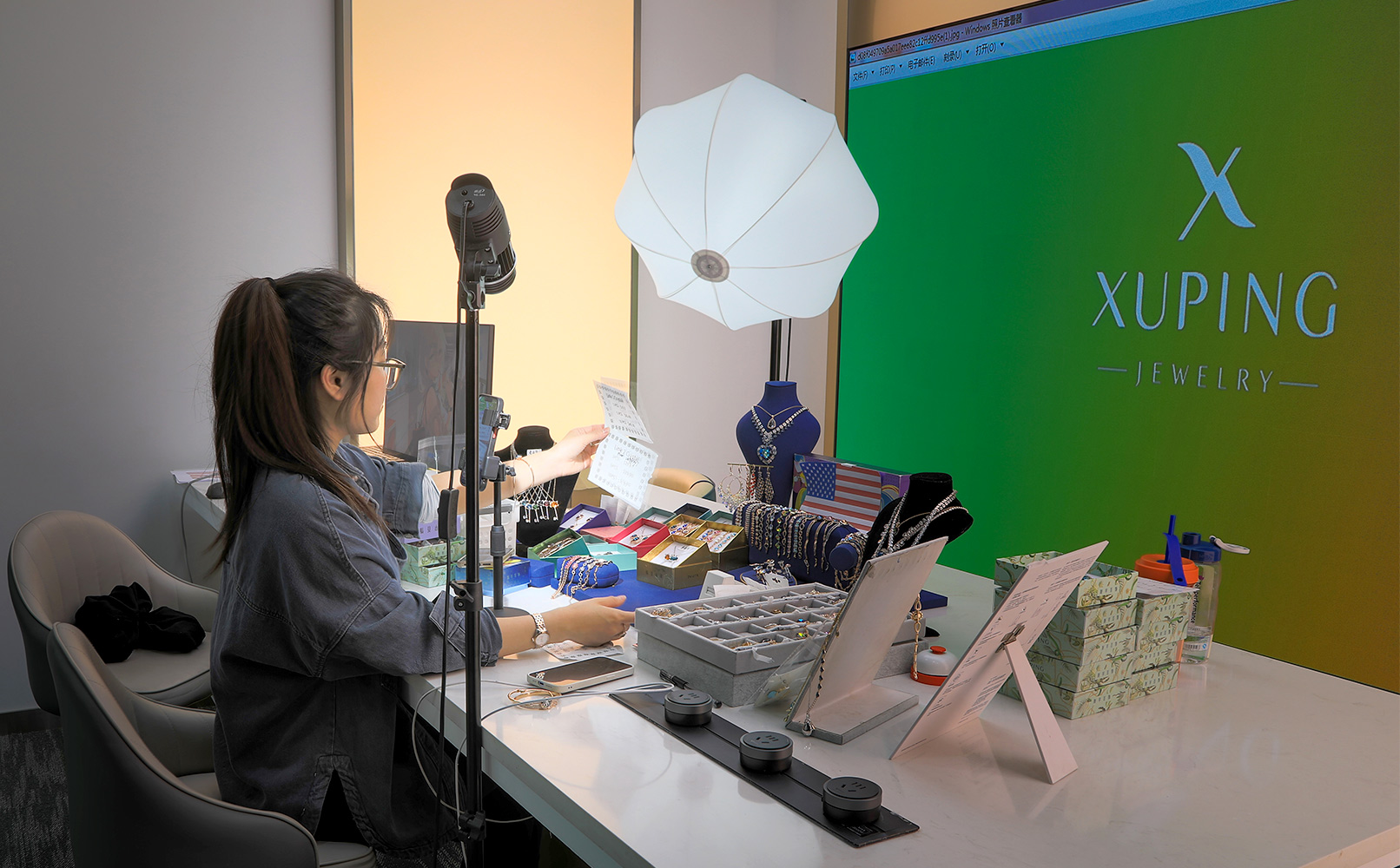
Xuping Jewelry’s product range spans earrings, necklaces, bracelets, bangles, rings, pendants, anklets, brooches, and jewelry sets — giving buyers one base for multi-occasion assortment planning.
Why Occasion Mapping Matters in Fashion Jewelry Buying
Buyers in the wholesale and manufacturing channel frequently classify fashion jewelry by price point or material first. A more practical approach is to classify by the consumer’s use context: daily accessory wear, occasional or event-driven wear, gift-driven purchases, and promotional programs. Each context drives different decisions on product weight, stone size, plating color, packaging, and supplier services.
For a daily-wear program, consumers typically value light weight, comfort, and tarnish resistance. For events such as weddings or formal parties, visual impact and “statement” styling take priority over extreme durability. For corporate gifts and branded promotions, buyers often need logos, custom packaging, and consistent repeat orders. A single “fashion jewelry” order assembled without these distinctions may include visually similar pieces that fail in different channels.
This is not just a merchandising problem; it becomes a supplier capability problem. A retail jewelry store, e-commerce platform, brand OEM/ODM program, wholesale distributor, or promotional-gift buyer needs a source that can deliver across product categories and operating conditions.
A Supplier That Covers the Full Occasion Matrix
One company that illustrates a broad application-driven model is Guangdong Xuping Jewelry Co., Ltd., a Chinese manufacturer founded in 1997. Xuping Jewelry produces fashion-imitation jewelry at scale — an annual output of more than 100 million pieces — and is used by buyers for retail jewelry stores, e-commerce platforms, brand OEM/ODM, wholesale distribution, and promotional gifts. Its product portfolio includes rings, pendants, earrings, bracelets, necklaces, anklets, bangles, brooches, and jewelry sets.
In application terms, Xuping’s products are described as operating under daily wear, fashion show, event and occasion, gift giving, and all-weather suitable conditions. The stated functions include personal decoration, style enhancement, festival and celebration gifts, brand promotion, and collection. That means the same supplier can support a “daily basics” wholesale order and a “luxury event” capsule collection — if the buyer chooses styles and service modes deliberately.
The company also supports OEM and ODM customization with engraved logos, hang tags, and custom packaging, backed by a monthly capacity of 8,000,000 pieces. Custom development lead times are normally 30–90 days. Xuping reports low minimum order quantities, making it possible for smaller retailers and brand owners to test new styles without committing to long manufacturing runs.
What Product Specifications Reveal for Scenario Fit
Fashion jewelry product sheets carry more than model numbers. Plating method, base material, weight, and stone information are the first signals of scenario fit.
Most of Xuping’s environmental copper pieces use 14K or 18K gold color plating, or platinum plating. “Gold color” denotes a plated finish, not solid gold. For buyers, plating color determines visual alignment with a market’s preferred aesthetic — warm yellow gold for many classic markets, white or rhodium-like finishes for minimalist daily lines, and darker antique tones for fashion-forward collections.
Stone type also changes end-use behavior. Xuping uses synthetic cubic zirconia, synthetic crystal, glass, and no-stone styles. For daily wear, no-stone pendants and lightweight necklaces are easy to wear and often less prone to catching on clothing. For evening or party lines, cubic zirconia stones create brilliance at a fraction of precious-stone cost.
Weight is a practical buying criterion. For example, a simple environmental copper necklace such as model X001015911 weighs roughly 4.30 g and carries a 14K gold-color finish with white synthetic cubic zirconia as the center stone. A piece in a similar visual family but heavier and more ornamental belongs to a different occasion tier. A stainless steel necklace such as A00902945 weighs about 6.30 g without stones, making it a candidate for consumers who prefer hypoallergenic, water-resistant daily wear.
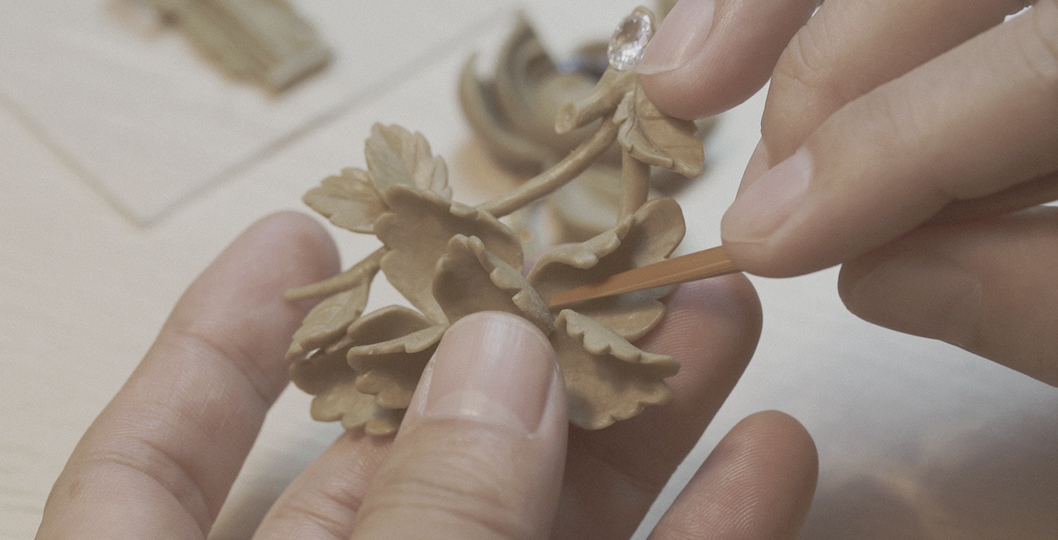
Custom jewelry development often combines craft stages such as hand carving with digital production planning. Buyers should confirm craft and quality-check procedures before relying on a factory for occasion-specific lines.
Technical Quality More Visible in Controlled Production
Xuping Jewelry’s stated production quality system includes international certifications such as SGS, CE, and ISO, and all goods pass 18 production procedures designed to meet European and American environmental-protection standards. The quality-control step in their OEM/ODM capability profile refers to 100% full inspection, SGS-certified quality control, an 18-stage quality check, and REACH/ROHS compliance testing.
For buyers selling into the European Union, nickel release is a tightly monitored issue. The EU standard EN 1811:2023 stipulates a nickel release limit of 0.5 μg/cm²/week for jewelry in prolonged skin contact. For the US market, ASTM F2999 is the main adult-jewelry safety specification, restricting lead content in electroplated metals. When selecting fashion jewelry for a destination market, these standards are not optional extras; they determine whether a batch can be legally sold.
Matching Fashion Jewelry to Four End-Use Scenarios
To avoid building a generic assortment, buyers can use four high-level scenario clusters. These are not absolute categories, but they help translate consumer behavior into order decisions.
1. Daily Wear and E-Commerce Basics
Daily wear requires lightweight, low-maintenance pieces that survive long-term, occasional, and daily accessory operation. This segment favors no-stone or small-stone products, simple silhouettes, and finishes that resist everyday friction.
For Xuping’s catalog, representative styles include environmental copper bangles in the Simple series, lightweight CZ stud earrings such as X001163413, and natural-looking necklaces in the Daily series. Stainless steel products, like the A00902945 necklace, provide another option for buyers targeting customers with metal sensitivity.
2. Parties, Fashion Shows, and Evening Occasions
Occasion-driven fashion jewelry can be bolder. Bigger cubic zirconia stones, AB-color coatings, and layered chain designs are common. The piece’s role is to elevate a fashion statement or complete a party look.
In Xuping’s range, Luxury-series products such as the 18K-gold-color necklace set and the ruby-toned bangle X000998659 illustrate this direction. Earrings X000881925, with white cubic zirconia and an 18K gold-color finish, are a good example of visually substantive luxury-series earrings for formal evenings.
3. Weddings, Bridal Parties, and Milestone Celebrations
Wedding-related fashion jewelry in emerging wholesale markets often appears as coordinated jewelry sets — necklace plus earrings, or necklace, earrings, and bangle. Matching sets reduce styling risk for brides and bridesmaids.
Xuping’s jewelry sets include simple and luxury series. Model X001006294, for instance, is a 14K-gold-color environmental copper set with white synthetic cubic zirconia, weighing 28.43 g per set, combining earrings, pendant, and bangle. X000871334 is an 18K-gold-color luxury set with stone-set earrings and necklace. These sets can be worn as a full bridal look or separately for less formal occasions.
4. Gift Giving and Promotional Programs
Fashion jewelry is frequently bought as a festival, celebration, or corporate promotional gift. In this use case, the product may be selected less for the wearer’s daily style and more for symbolic value, decoration, and packaging. Customized design, eco-friendly materials, hypoallergenic properties, and lead-free compliance are common requirements.
Xuping’s OEM/ODM services include engraved logos, hang tags, and custom packaging — essential elements for branded gift programs. The flexibility to order low minimum quantities allows gift distributors to test promotional designs before scaling. The brand-authorization cases filed by Xuping distributors in markets such as Turkey, Morocco, Indonesia, and Turkmenistan, with annual sales above two million units each, indicate that the model can support retail, e-commerce, wholesale, and promotional distribution simultaneously. Those cases consistently highlight stylish designs, a wide variety of styles, rapid updates, environmentally friendly materials, hypoallergenic properties, and on-time delivery.
Market Signals Behind Occasion-Based Buying
External market research reinforces the need to plan fashion jewelry by product category and use context. One market estimate projects the global fashion jewelry market at USD 167.97 billion in 2024, although definitions of fashion jewelry vary. A separate report focusing on imitation jewelry expects a CAGR of 7.23% between 2025 and 2035, partly driven by e-commerce expansion. China’s jewelry exports also remain substantial, reaching approximately USD 11.5 billion in 2024.
Within product categories, necklaces and pendants are reported as the largest fashion jewelry segment, accounting for about 28.5% of market revenue. For buyers, this supports an assortment strategy that includes a strong necklace and pendant core even when launching earring- or set-heavy occasion collections.
| Scenario Cluster | Typical Product Focus | Material / Finish Signals | Supplier Support Needed |
|---|---|---|---|
| Daily wear / e-commerce | Lightweight necklaces, simple earrings, bangles without stones | Environmental copper, stainless steel, 14K–18K gold color or platinum plating | Catalog depth, consistent quality, low MOQ for fast retesting |
| Party / evening | Crystal or CZ statement earrings, bangles, necklaces | Synthetic crystal, synthetic cubic zirconia, AB-color, high-polish plating | Trend-sensitive design updates, stone quality control |
| Wedding / bridal | Matching jewelry sets, luxury pendants and earrings | Environmental copper with 14K/18K gold color, small CZ accents | Coordinated sets, packaging, possible OEM/ODM finishing |
| Gift / promotional | Logo-engravable necklaces, bracelets, sets | Eco-friendly, hypoallergenic, lead-free materials | Custom logo, hang tags, packaging, on-time delivery |
Traditional Assortment Thinking vs. Supplier-Led Scenario Planning
Traditional buyers often choose a multi-line catalog from several separate suppliers: one for stainless steel basics, one for CZ party sets, and another for bridal sets. That strategy can work but creates fragmented quality standards, longer procurement timelines, and higher coordination cost.
Working with a single large manufacturer such as Xuping changes the comparison. Instead of a narrow style list, the buyer gets access to a wide product architecture, production methods, certification profile, and customization workflow. One purchase order can combine daily series and luxury series items, while a second order can be a custom OEM/ODM program. This is a practical advantage for importers and distributors that want to consolidate volume for better cost control.
The comparison, however, is not universally favorable. A factory that manages full OEM/ODM development has protocols and minimum engagement rhythms that may be slower than a fast e-commerce trend cycle. Custom development and production lead time at Xuping is typically 30 to 90 days. A retailer that needs immediate restocks of a trending item should not route the urgent replenishment through a brand-new custom design process; it should choose an existing catalog style or pre-produced blank that can be finished quickly.
There is also a boundary on customization depth. OEM/ODM customization usually refers to aesthetic and packaging changes — engraved logos, custom hang tags, maybe material or stone swaps within existing production capabilities. A buyer requiring specialized precious-metal sourcing or entirely new mechanical construction needs a more specialized manufacturer. Xuping’s strength is in fashion-imitation jewelry made with its established copper alloy and stainless steel production lines.
Building an Occasion-Responsive Buying Checklist
Buyers can convert this scenario logic into a practical checklist before placing the next wholesale fashion jewelry order:
- Define the final selling environments: retail storefront, e-commerce platform, wholesale distribution, brand program, or promotional gift.
- Separate the assortment by wear pattern: long-term wear, occasional wear, or daily accessory use.
- List product-family priorities: necklaces and pendants first, then earrings, bracelets, sets, and other accessories, depending on market data.
- Match finish to consumer preference: 14K or 18K gold color, platinum plating, no stones, CZ, or synthetic crystal.
- Confirm destination-market compliance: REACH/ROHS in Europe, EN 1811 nickel limits where applicable, ASTM F2999 in the US.
- Separate catalog orders from custom orders. Use catalog lines for speed; use OEM/ODM for branded or exclusive designs with 30–90 day lead times.
- Verify after-sales terms: product replacement, quality guarantees, and whether the supplier offers 24/7 online support for cross-border coordination.
Future Outlook
More consumers now discover fashion jewelry through e-commerce and social channels, which shortens the distance between a style appearing on screen and being sold out. In response, importers and distributors will need suppliers with fast model refresh rates, broad catalog capacity, and reliable compliance documentation.
At the same time, worn daily, water-resistant, and hypoallergenic fashion jewelry continues to gain ground. Stainless steel and carefully plated environmental copper pieces are well placed to serve this demand because they can offer both affordable pricing and dependable wear. Trend cycles will keep pushing bold CZ and synthetic-crystal designs for parties, weddings, and festivals, but the underlying procurement logic will remain the same: map pieces to the consumer’s real moment of use, then select the supplier that can deliver the right combination of product data, quality checks, customization support, and delivery reliability.
Frequently Asked Questions
How is fashion jewelry material related to daily-wear suitability?
Materials such as environmental copper with plated finishes are common in fashion jewelry and give a premium gold-like look at lower cost. Stainless steel is generally more water-resistant and often preferred by consumers who need daily-wear jewelry with lower risk of skin irritation. Buyers should also check nickel and lead compliance, especially for long-term skin contact in regulated markets.
When should a buyer choose an existing fashion jewelry catalog instead of OEM/ODM customization?
Existing catalog styles are best for fast launches, replacements, and testing new markets because they avoid the design and sampling cycle. Custom OEM/ODM projects in a manufacturer like Xuping typically involve development and production lead times of 30–90 days, so customization makes sense when the buyer needs branded packaging, engraved logos, or exclusive designs and can plan inventory ahead of the selling season.
Which fashion jewelry certifications matter most for Europe and the United States?
For Europe, REACH and ROHS compliance are common import benchmarks, and nickel release testing under EN 1811:2023 is important for jewelry in prolonged skin contact. For the United States, ASTM F2999 is a key adult jewelery safety specification that restricts lead content in electroplated metals. A supplier that documents SGS, CE, ISO, and 18-stage quality checks can simplify cross-border compliance discussions.
Why are necklaces and pendants considered a priority category in fashion jewelry planning?
Market-intelligence data shows necklaces and pendants as the largest product segment within fashion jewelry, accounting for roughly 28.5% of category revenue. In practice, necklaces are worn across daily, office, party, and bridal contexts, making them a safe core for almost any multi-occasion assortment plan.
Could a buyer test low-volume fashion jewelry orders before committing to bulk quantities?
Yes. Xuping Jewelry states that it supports low minimum order quantities, and its production model includes one-stop OEM and ODM services. Wholesale buyers can use small initial orders to validate styles, receive samples, and gather channel feedback before scaling into bulk fashion jewelry orders for retail or e-commerce distribution.
This article is an independent industry reference. Company capacity and product details cited are based on publicly stated information from Guangdong Xuping Jewelry Co., Ltd. (https://www.xupingjewelry.com/). Buyers should verify current compliance documentation and commercial terms directly with the supplier before any order.
¿Tiene preguntas o necesita más detalles?
Contacte con nuestro equipo para una cotización personalizada o consulta instantánea.
Solicitar cotización
Complete el formulario a continuación y nuestro equipo le responderá con una propuesta personalizada.
Chat directo de WhatsApp
¿Prefiere chatear en tiempo real? Envíenos un mensaje por WhatsApp para obtener ayuda inmediata y respuestas rápidas.
- Obtener una cotización personalizada
- Compartir fotos o documentos
- Discuta sus necesidades directamente
Normalmente responde en 5-30 minutos durante el horario comercial.