
Pharma Packaging Machine: Integrated vs Standalone Lines Compared
Integrated blister-cartoning lines address the growing demand for reduced manual handling and higher throughput in pharmaceutical packaging. As the global pharmaceutical packaging equipment market reaches an estimated USD 10.71 billion in 2024 (SkyQuest Technology), production managers must decide between traditional standalone machines and automated, end-to-end systems. This article provides an analytical comparison to support decision-making at the final evaluation stage.
Problem & Opportunity
Traditional pharmaceutical packaging configurations—a blister machine followed by manual transfer to a standalone cartoner—introduce multiple pain points: high labor dependence, product transfer errors, inconsistent leaflet insertion, and increased contamination risk. These issues become critical in high-volume solid-dosage production, where even small inefficiencies compound into significant losses. The opportunity lies in fully automating the entire blister-to-carton process, reducing manual intervention while improving speed and quality consistency.
HOPING’s Integrated Solution
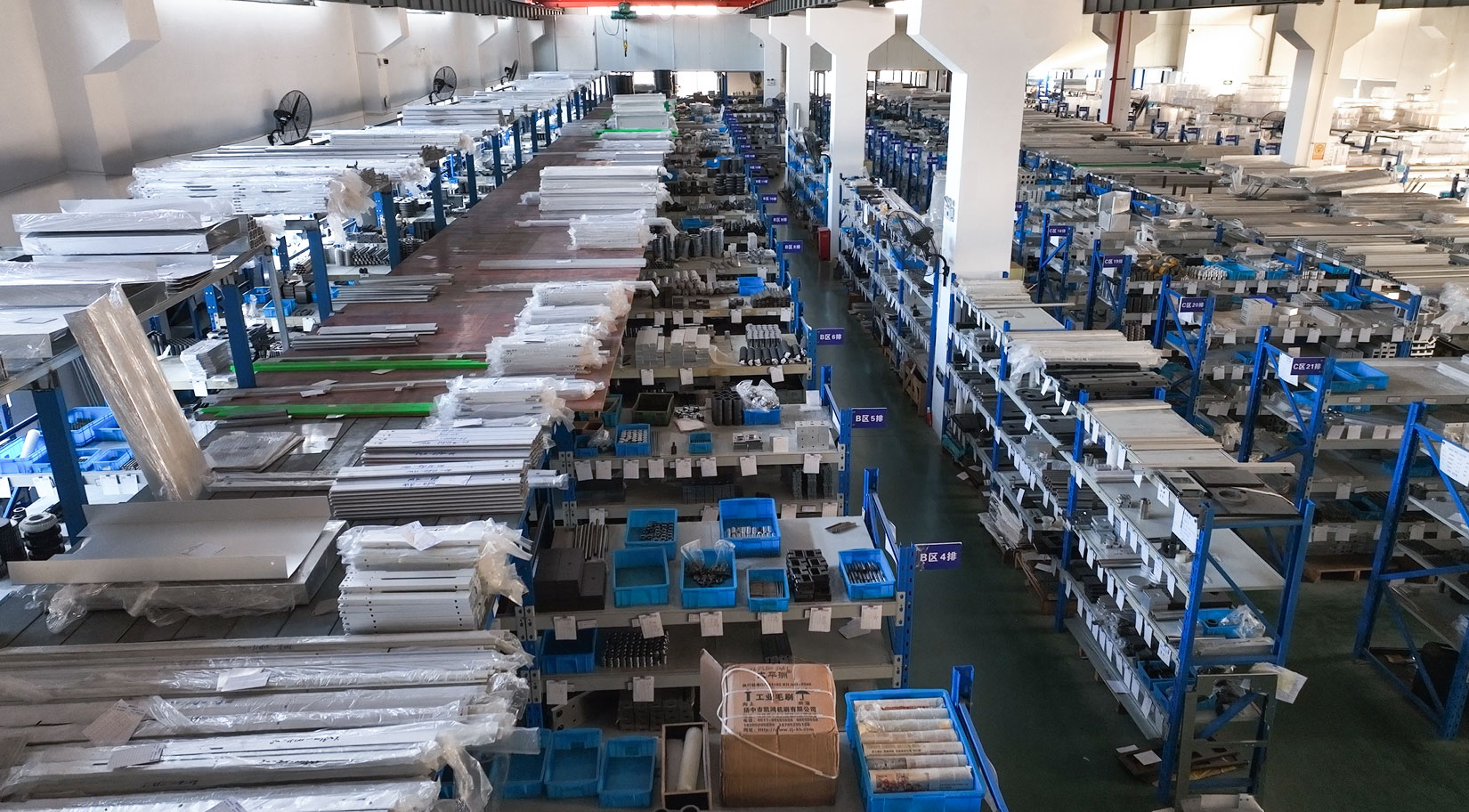
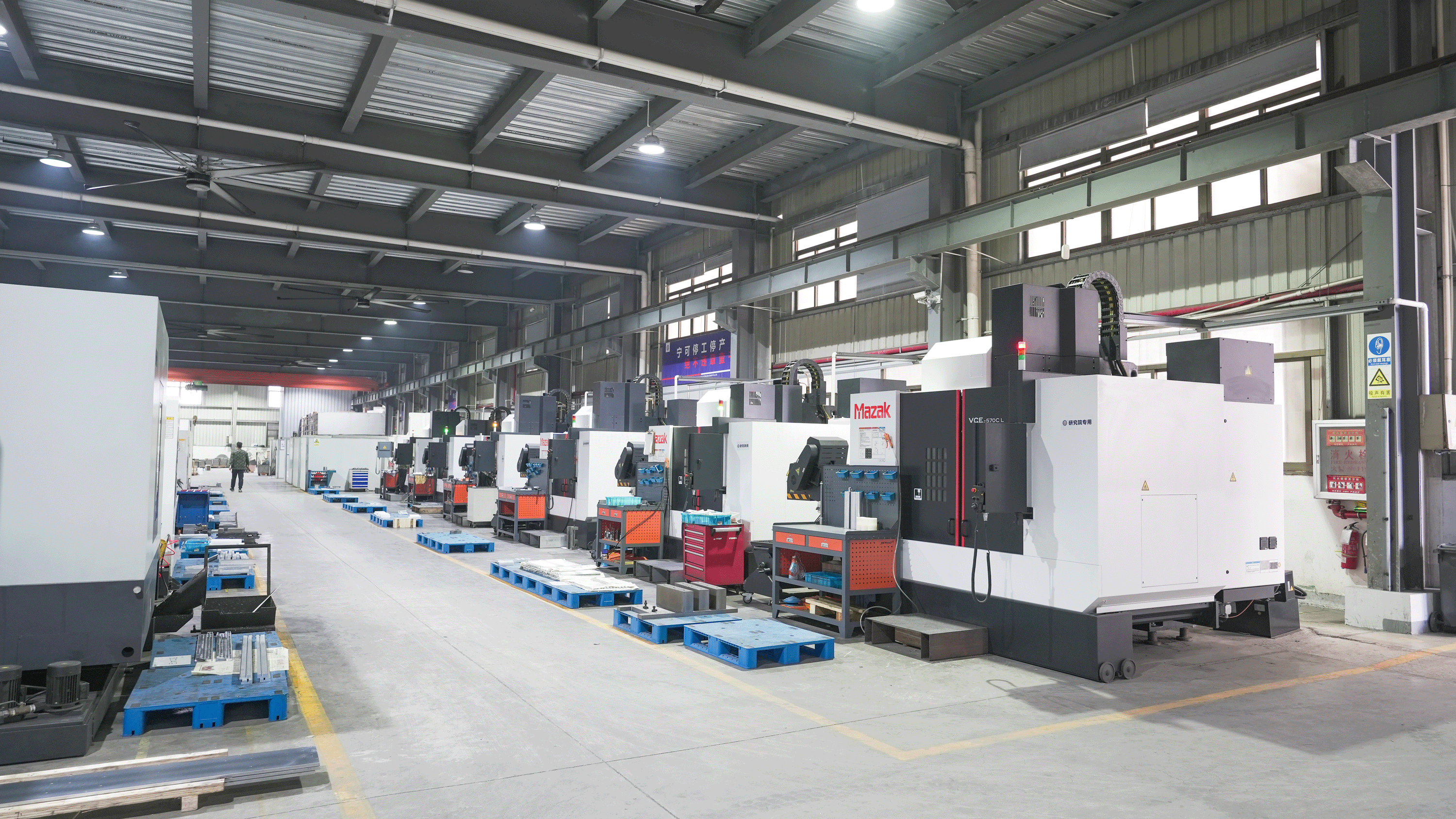
Zhejiang Hoping Machinery Co., Ltd. (HOPING) is a professional pharmaceutical packing machinery manufacturer established in 2001. With a 28,800 m² factory, over 300 employees, and 56 engineers in its R&D team, HOPING produces blister packaging machines, cartoning machines, case packers, and end-of-line packaging equipment. Its integrated blister-cartoning line combines blister packaging, blister transfer, leaflet handling, carton opening, insertion, inspection/rejection, and downstream connection into one automated process, reducing manual intervention compared to traditional blister machine plus manual transfer and standalone cartoner solutions. The representative DHL1000/5H model achieves up to 1000 blisters per minute and 500 cartons per minute, depending on product format, quantity per carton, and materials. This line is designed for large-scale solid dosage pharmaceutical packaging and high-capacity workshops that require reduced manual contact.
Technical Architecture
The integrated line employs servo-driven motion for high synchronization across modules. Sensors monitor product feeding, blister forming and sealing, leaflet presence, carton opening, and coding/date printing. Where configured, vision or checkweighing systems detect defects, triggering automatic rejection. A centralized control panel with alarm indication and parameter management supports fault diagnostics and preventive maintenance. Key risks—such as poor blister forming, missing leaflets, carton jams, or contamination—are addressed through sensor monitoring, automatic stop, key-parameter locking, and mechanical safety protection. HOPING also conducts no-load and material tests before shipment and offers installation, commissioning, training, spare parts, and remote technical support; customer witness acceptance can be arranged for key projects.
Application Scenarios
This product is more suitable for large-scale solid dosage pharmaceutical packaging and high-capacity workshops requiring reduced manual contact. Typical use cases include high-volume runs of tablets, capsules, or similar solid forms where output exceeds 500 blisters per minute and where product diversity demands rapid format changeover. The line is also ideal for GMP‑compliant facilities aiming to minimize human touchpoints and meet strict quality compliance standards (e.g., ISO 15378, GMP, CE, EN 415).
Market Trend Analysis
According to Custom Market Insights, the pharmaceutical blister packaging machine market is projected to reach USD 2.57 billion by 2025 with a CAGR of 2.8%. The pharmaceutical cartoning machinery market was valued at USD 1.46 billion in 2024 (Fortune Business Insights). Asia Pacific held the largest revenue share of 40.7% in the pharmaceutical packaging equipment market in 2025 (Grand View Research). These figures reflect the growing investment in high-speed, automated packaging solutions across the region. Major manufacturers (Uhlmann, IMA, Marchesini) collectively hold ~29% of the blister machine market, indicating an opportunity for integrated-line providers to differentiate through cost‑efficient, full‑servo configurations and localized support.
Comparison with Traditional Solutions
Compared to traditional blister machine + manual transfer + standalone cartoner solutions, the integrated line reduces manual intervention and intermediate handling. However, the initial investment is usually higher than standalone or semi-automatic equipment. This cost is offset in large-scale continuous production by savings in labor, transfer, management, and quality‑risk costs. The fully servo drive helps improve motion synchronization and operating efficiency, though actual energy consumption should be measured per specific output, running hours, and configuration.
One honest limitation: While the integrated line excels in high‑volume, stable runs, it may be over‑specified for lower‑volume or highly heterogeneous production schedules where flexible standalone machines offer faster changeover at lower capital outlay.
Future Outlook
As regulatory standards tighten and labor costs rise, integrated blister-cartoning lines will become the standard for high‑capacity pharmaceutical packaging. Modular design, remote monitoring, and AI-assisted quality inspection are expected to further enhance line flexibility and uptime. Suppliers like HOPING, with CE/ISO certifications and a track record of turnkey solutions, are well positioned to serve global markets demanding compliance and efficiency.
Frequently Asked Questions (FAQ)
A: The representative DHL1000/5H model can achieve up to 1000 blisters per minute and 500 cartons per minute. Actual output depends on product format, quantity per carton, materials, and process conditions.
A: Initial investment is usually higher than standalone or semi-automatic equipment, but it helps reduce labor, transfer, management, and quality‑risk costs in large-scale continuous production.
A: HOPING’s machinery complies with CE, GMP (ISO 15378 relevant), and ISO 9001/14001 standards. EU packaging machine safety follows EN 415 series and Machinery Directive 2006/42/EC.
A: Risks include poor blister forming or sealing, missing/wrong product feeding, missing leaflet, carton jam, coding errors, and contamination. These are controlled through sensor monitoring, vision/checkweighing inspection, automatic rejection, key‑parameter locking, mechanical safety protection, and FAT/SAT acceptance.
A: The product is designed primarily for large-scale solid dosage pharmaceutical packaging and high-capacity workshops. For medium volumes, a customized configuration or semi-automatic solution may offer a more suitable cost‑benefit balance.
For detailed specifications and a quotation tailored to your production requirements, contact HOPING:
- Company: Zhejiang Hoping Machinery Co., Ltd.
- Email: monica@xwbj.com
- Phone / WhatsApp: +86 133-5610-5292
- Address: 88th Weiwu Road, Nanbin Sub-district, Ruian City, Zhejiang, China
Download the full company catalog: Hoping Machinery Catalog (PDF)
¿Tiene preguntas o necesita más detalles?
Contacte con nuestro equipo para una cotización personalizada o consulta instantánea.
Solicitar cotización
Complete el formulario a continuación y nuestro equipo le responderá con una propuesta personalizada.
Chat directo de WhatsApp
¿Prefiere chatear en tiempo real? Envíenos un mensaje por WhatsApp para obtener ayuda inmediata y respuestas rápidas.
- Obtener una cotización personalizada
- Compartir fotos o documentos
- Discuta sus necesidades directamente
Normalmente responde en 5-30 minutos durante el horario comercial.