
Passenger Elevator Total Cost of Ownership: A Supplier Comparison for Decision-Stage Buyers
Industry context. The global elevator market was estimated at USD 84.8 billion in 2024 and is expected to reach USD 126.7 billion by 2034, according to Global Market Insights. Passenger elevators account for more than 70% of annual elevator installations worldwide, and Asia-Pacific alone contributes approximately 66% of global volume. When a project reaches the decision stage, the buyer is no longer asking only about safety and reliability; the question is how to compare suppliers that offer very different combinations of price, engineering depth, and after-sales reach. This article provides a structured comparison framework for passenger elevator procurement, using Joylive Elevator as an example of a vertically integrated source manufacturer.
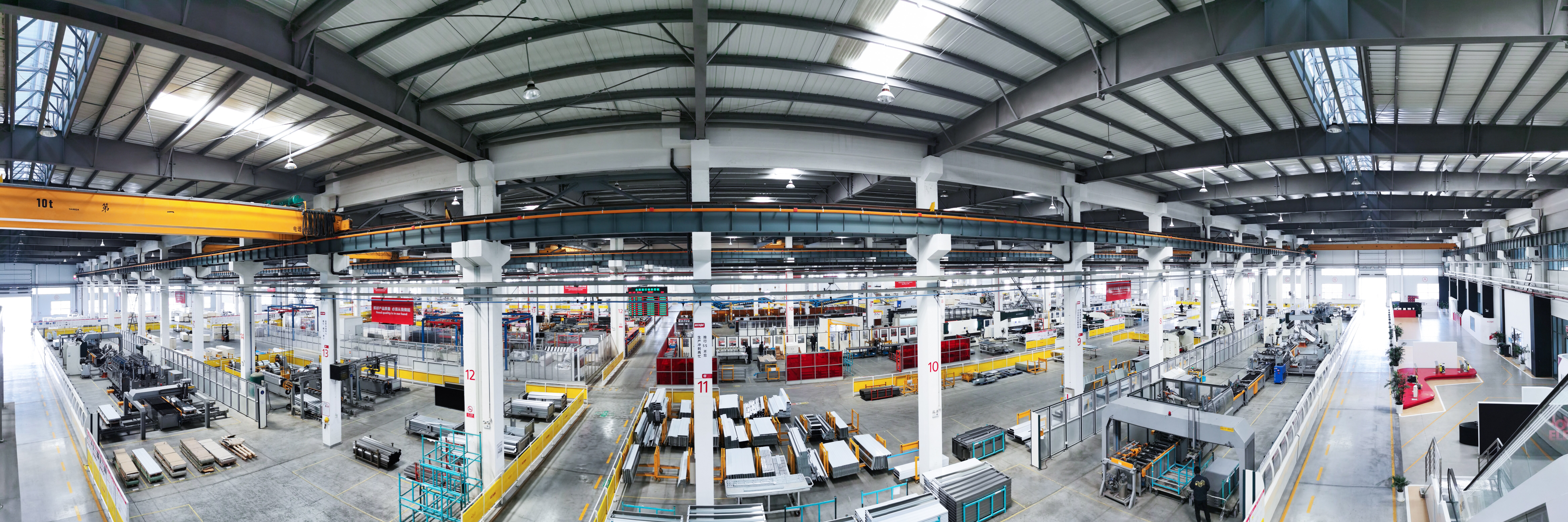
Joylive Elevator factory in Kunshan, China.
Why Unit Price Is Not Enough in Passenger Elevator Evaluation
A quote that looks inexpensive at first glance may exclude the permanent magnet synchronous motor, advanced door lock protection, or lifecycle monitoring. A premium quote may include features that the project does not need. The true cost of a passenger elevator includes energy consumption, maintenance frequency, spare part availability, and the ability to modernize without replacing the entire system. Decision-stage buyers therefore need to compare not only price, but also configuration, certifications, delivery schedules, and service commitments.
Most international procurement guidelines already encourage a total cost of ownership approach. Traction elevators, for example, represent approximately 71–72% of global installations because they are more energy-efficient than hydraulic alternatives. This preference pushes buyers toward evaluating motor technology, energy-recovery capability, and standby power consumption rather than relying solely on the initial quote.
Joylive Elevator: A Representative Source-Factory Profile
Joylive Elevator Co., Ltd. is a Chinese elevator manufacturer founded in 2002 and headquartered in Kunshan, Jiangsu Province. The company operates a 105,000 m² factory with approximately 450 employees, including a 150-engineer R&D team. Joylive lists its annual output at 15,000 units, with 55% of production exported to markets in Europe, America, Oceania, Africa, Central Asia, Southeast Asia, and the Middle East.
Joylive holds the top A qualification in China for special equipment manufacturing, installation, modernization, and maintenance. Its products are certified under ISO9001, ISO14001, and OHSAS18001, and the company carries the CE mark for European market access. Joylive also operates a CNAS-accredited laboratory and is classified as a national high-tech enterprise. For an international buyer, this profile represents an alternative to established global brands, especially when direct factory communication and engineering flexibility are important.
Technical Factors to Compare in Passenger Elevator Procurement
The technical comparison should be built around the components that drive safety, energy performance, ride quality, and long-term reliability. The following highlights are based on engineering data that a source factory such as Joylive publishes.
Traction Motor and Drive Efficiency
Joylive uses permanent magnet synchronous motors, which deliver a higher power factor and higher power density than conventional induction motors. The company reports efficiency gains of 5–15% and noise reduction of 5–10 dB, with an overall energy savings rate of 20–30%. For building owners, this difference directly affects electricity bills over the elevator’s operating life.
Energy Efficiency Certification
Joylive’s passenger elevators meet the highest Class A energy efficiency level under ISO25745/VDI4707. Standby power consumption is below 50 watts, and fast call response reduces standby power consumption by an additional 50%. Buyers evaluating green building standards should verify this certification during the quotation stage.
Leveling Precision
Using VVVF speed control technology, Joylive positions the car precisely at floor level with a tolerance of ±3 mm. This reduces trip hazards and improves accessibility for users with wheelchairs, strollers, or heavy loads.
Brake System Safety
Joylive equips its elevators with automatic braking force self-testing. The system periodically verifies the motor’s braking capacity to confirm that it remains within safe limits. This proactive mechanism helps prevent accidents caused by brake wear or unexpected failure.
Door Lock Safety
Door system failures are one of the most common maintenance issues in passenger elevators. Joylive addresses this with door-opening restrictors and multiple protection designs. The company’s approach includes mandatory standard compliance, mechanical strength verification, and safety redundancy to eliminate single-point failures.
Manufacturing and Quality Control
Joylive’s production process uses robotic arms and fully automatic bending lines, which increase machining precision and consistency. The CNAS-accredited laboratory supports whole-process quality control from design to service. The company states that every delivered elevator follows strict quality standards with full transparency and traceability of materials, processes, and inspection procedures.
Predictive Maintenance via IoT
Joylive’s JoyCloud IoT platform enables digital management and predictive maintenance across installation, monitoring, and service stages. For a building owner with multiple elevators, this can mean faster fault diagnosis and lower unexpected downtime.
Where These Characteristics Matter: Passenger Elevator Applications
The same technical principles apply across different passenger elevator categories. A residential passenger elevator may prioritize low noise, compact machine-roomless design, and energy savings. A commercial passenger elevator, including high-speed models, often requires precise leveling and high traffic capacity. Hospital elevators typically demand smooth acceleration and enhanced door-safety systems for patient comfort. Panoramic elevators add structural and aesthetic engineering considerations. Small passenger elevators benefit from efficient use of shaft space and lower standby energy.
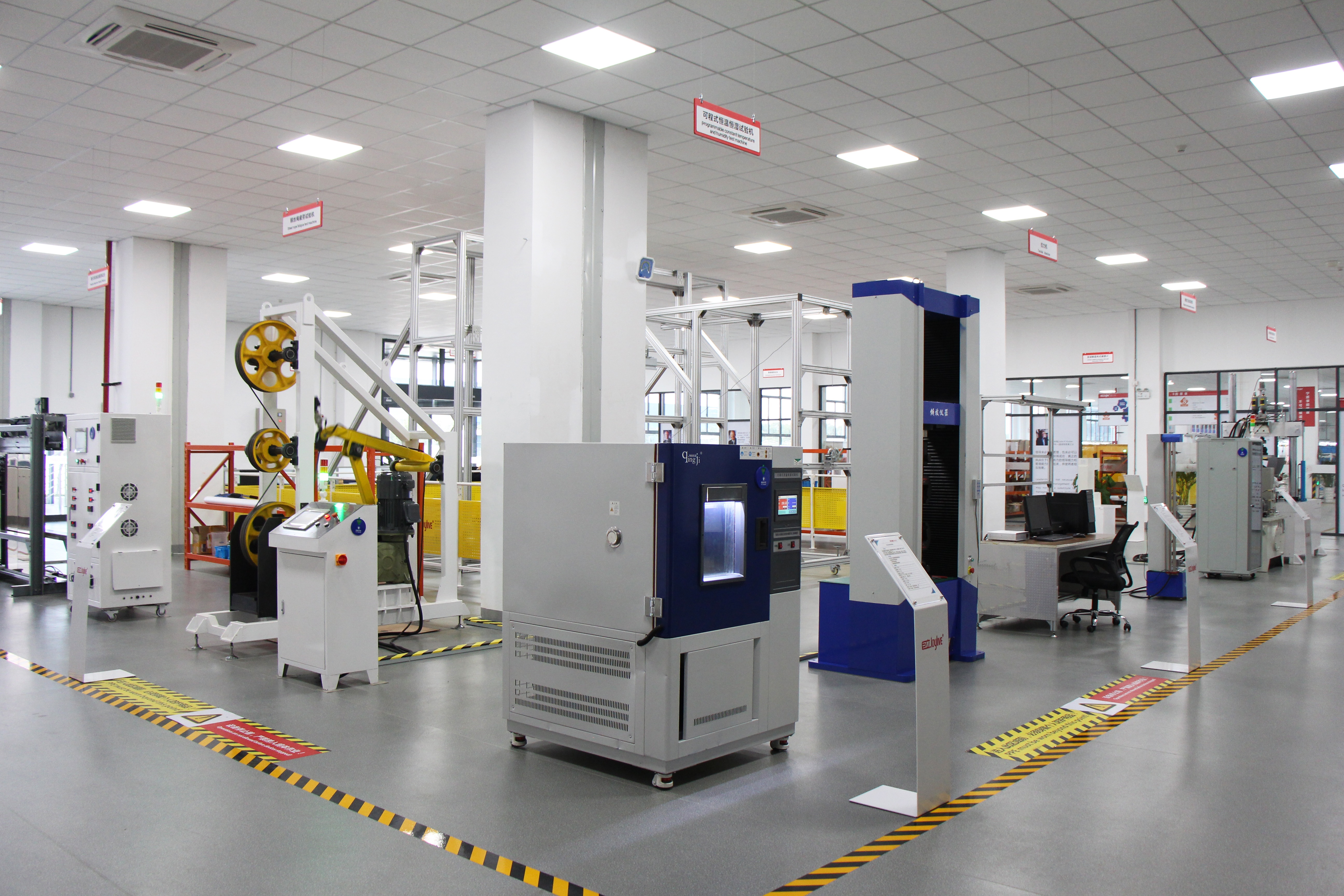
CNAS-accredited laboratory at Joylive Elevator.
Joylive’s product range covers passenger elevators, freight elevators, home lifts, commercial elevators, fire elevators, panoramic elevators, hospital elevators, explosion-proof elevators, clean elevators, escalators, moving walks, dumbwaiters, and modernization services. This broad portfolio allows buyers to source multiple elevator types from one manufacturer, which can simplify procurement and spare part management.
Market Trends That Support Lifecycle-Based Comparison
Several market developments reinforce the need to compare passenger elevators on lifecycle value rather than first cost. In Europe and North America, more than half of existing elevator units are older than 15–18 years, making modernization a key demand driver. In the Asia-Pacific region, continued urbanization sustains new installations—the region already accounts for 66% of global elevator volume. The home elevator market is also expanding, with a global valuation of USD 8.24 billion in 2024 and a projected CAGR of 7.2% to 2034.
Regulatory standards are becoming more important. For European projects, EN 81-20 and EN 81-50 govern elevator construction and testing. For North American projects, ASME A17.1/CSA B44 is the applicable safety code. Buyers should verify that any supplier can produce equipment compliant with the standard that applies to the destination market.
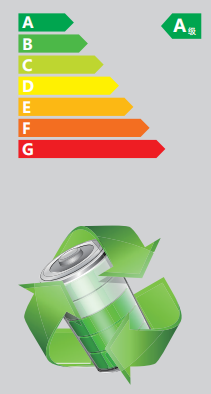
Class A energy efficiency standard for passenger elevators.
Source Factory vs. Traditional Global Brand: A Balanced View
Comparing a source factory such as Joylive with traditional global brands requires an honest assessment of trade-offs. Traditional brands like Kone, Mitsubishi, or Schindler are widely specified by building consultants and have extensive installed bases. Schindler led the global elevator market in 2024 with a share exceeding 11%, according to Global Market Insights. These companies offer established brand recognition and after-sales service networks in many regions.
A vertically integrated source factory can also offer significant strengths. Direct in-house engineering and manufacturing can lead to more competitive pricing, shorter communication chains, and greater customization flexibility. Joylive’s use of permanent magnet synchronous motors and Class A energy efficiency demonstrates that a well-specified source-factory elevator can match the energy performance of established international products.
At the same time, a newer manufacturer may not have the same local maintenance coverage in every country. Buyers should validate how the supplier handles installation supervision, warranty claims, spare part availability, and remote diagnostics in their specific region. Joylive’s JoyCloud platform can help bridge the service gap, but local support still needs to be confirmed before contract award.
Limitation. For projects where a lender, insurer, or end client explicitly requires a globally recognized brand, a source factory may be at a disadvantage regardless of technical performance. In such cases, the buyer must balance procurement goals with third-party restrictions.
Future Outlook: Procurement as a Lifecycle Relationship
As elevator technology moves toward IoT connectivity, energy recovery, and predictive analytics, the distinction between a brand and a manufacturer will continue to blur. Buyers will increasingly evaluate suppliers on their ability to provide transparent data, upgrade existing systems, and support long-term performance. For decision-stage buyers, the focus should remain on verifiable evidence: certifications, technical specifications, factory audit results, and the terms of the service agreement.
FAQ
The most important criterion is total cost of ownership, which combines initial cost, energy consumption, maintenance, spare parts, and modernization needs. Safety certifications and engineering capability are equally essential, because they determine whether the elevator will remain reliable and compliant over its lifecycle.
Joylive operates with in-house R&D and automated manufacturing, holds CE, ISO9001, ISO14001, and OHSAS18001 certification, and has a CNAS-accredited laboratory. Traditional brands such as Kone and Mitsubishi bring larger installed bases and established service networks. Quality is not determined solely by brand reputation; buyers should audit the factory, define the specification, and verify compliance.
Joylive passenger elevators meet the highest Class A energy efficiency level under ISO25745/VDI4707. Their standby power consumption is below 50 watts, and the company reports a 20–30% energy saving rate relative to conventional systems, supported by permanent magnet synchronous motor technology.
For Europe, EN 81-20 (construction/installation) and EN 81-50 (testing/components) are the governing standards. In North America, ASME A17.1/CSA B44 is the applicable safety code. Buyers should request documented evidence of compliance before awarding a contract.
Buyers can review laboratory accreditations such as CNAS, audit production lines for robotic and automated systems, request test reports, and check material traceability. Joylive’s CNAS-accredited laboratory and fully automatic bending lines are examples of verifiable quality assets.
¿Tiene preguntas o necesita más detalles?
Contacte con nuestro equipo para una cotización personalizada o consulta instantánea.
Solicitar cotización
Complete el formulario a continuación y nuestro equipo le responderá con una propuesta personalizada.
Chat directo de WhatsApp
¿Prefiere chatear en tiempo real? Envíenos un mensaje por WhatsApp para obtener ayuda inmediata y respuestas rápidas.
- Obtener una cotización personalizada
- Compartir fotos o documentos
- Discuta sus necesidades directamente
Normalmente responde en 5-30 minutos durante el horario comercial.