
Passenger Car Tire Sourcing: Capabilities, Certifications and Market Fit

Understanding the Passenger Car Tire Market
The global passenger car tire market, valued at approximately USD 143.06 billion in 2024, continues to be the dominant segment within the overall tire industry, accounting for a 32.6% revenue share (Grand View Research, 2024). With China's tire exports reaching 9.65 million tonnes in 2025 — a 3.6% year-on-year increase — buyers increasingly look to established Chinese manufacturers for reliable supply. At the center of this supply chain is Shandong Wideway Tire Co., Ltd., a manufacturer based in Qingdao, China, that operates under the brands WIDEWAY, EVERLAND, and V-RICH. The company specializes in designing and supplying radial tires for passenger cars, SUVs, light trucks, and buses, with an annual production capacity of 23.4 million units from a 1,000,000-square-meter facility.
The Challenge: Matching Tire Performance to Diverse Driving Conditions
Distributors and fleet operators face a common procurement challenge: one tire specification rarely fits all use cases. Urban commuting demands low rolling resistance and quiet operation. Mountain roads and off-road trails require sidewall protection and aggressive tread patterns. Winter conditions call for specialized rubber compounds and siping. Meanwhile, electric vehicles are driving new requirements for load capacity and noise reduction. A supplier that can offer a broad, yet application-specific portfolio simplifies inventory management and reduces time-to-market for buyers.
Wideway's Solution: A Comprehensive Passenger Car Tire Portfolio
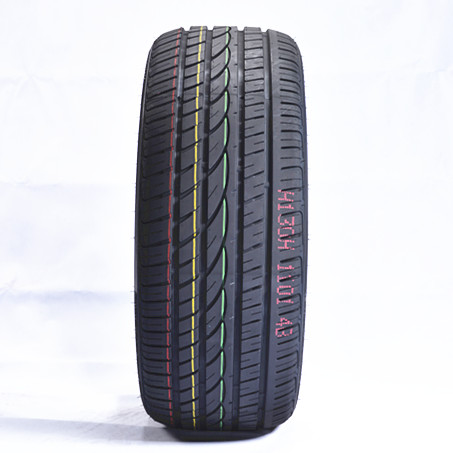
Shandong Wideway Tire Co., Ltd. addresses this need with a product line that spans more than a dozen specialized categories. The portfolio includes Urban Road, High-speed stability, Ultra-High-Performance, Winter and Snow, All Season, Comfortable and noiseless EV, Commercial Van, and White Sidewall / White Letter tires, among others. The company's R&D team of 25 engineers works to refine tread designs and compound formulations, integrating materials such as natural rubber, synthetic rubber, carbon black, precipitated silica, steel cord, polyester cord fabric, and nylon cord fabric. Key product examples include:
- ENERGYWAY I (models 155R12C through 235/65R16C) — a commercial van passenger car tire with load index 106/104, speed rating R, and a maximum pressure of 450 kPa, designed for urban roads and highway stability.
- SAFEWAY+ (model 205/55R16) — an ultra-high-performance tire with load index 91, speed rating V, section width 214 mm, built for high-speed stability on urban roads.
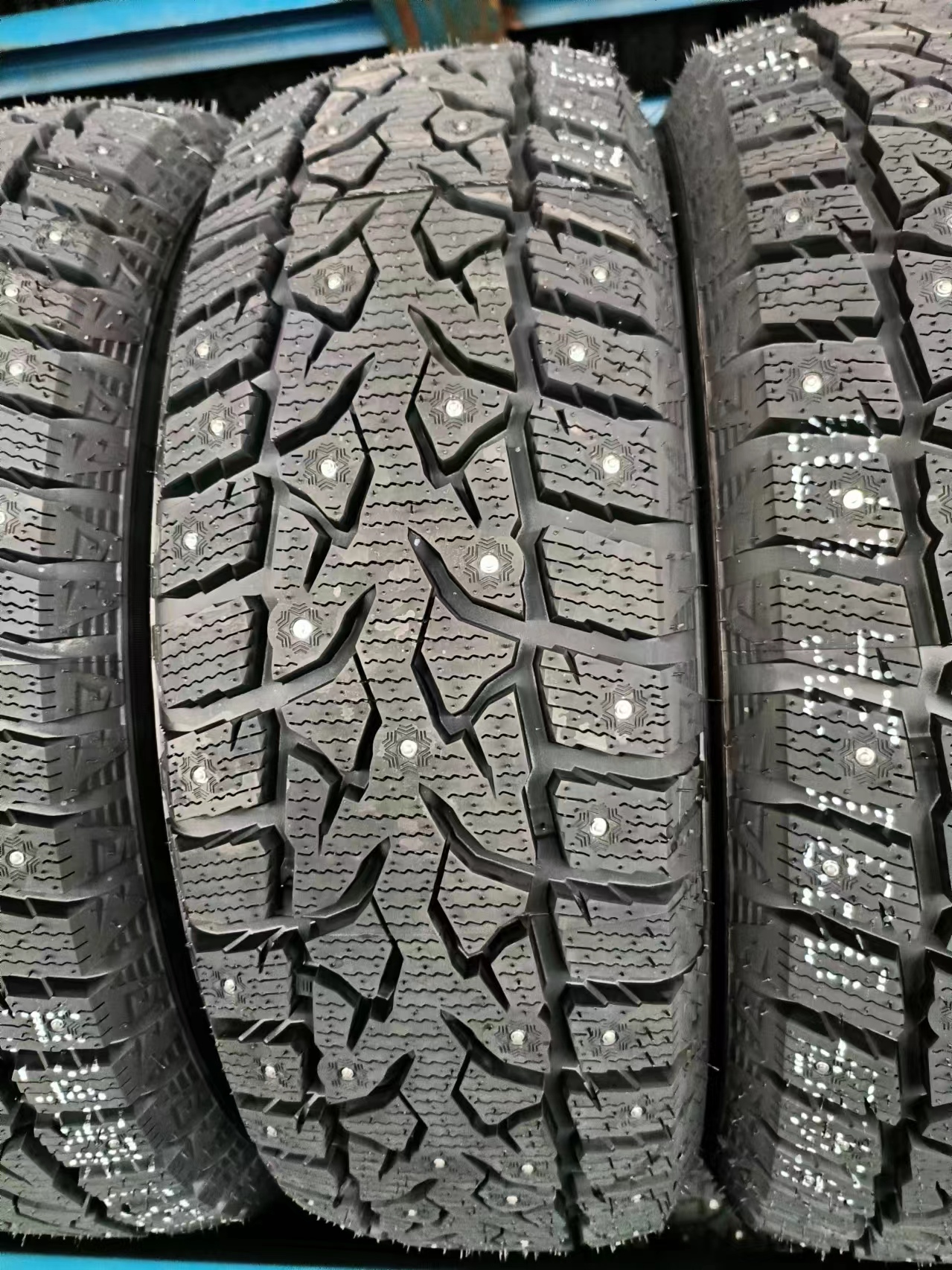
- SNOWAY STUD and SNOW GUARD — winter and snow passenger car tires available in sizes such as 175/70R13, 175/65R14, 185/60R15, 205/55R16, and up to 235/45R18, with speed ratings up to H and load indices up to 101, using reinforced tread compounds for icy and snowy conditions.
- HYPERWAY (model 235/55ZR19 & others) — a high-speed SUV tire rated W (up to 270 km/h), load index 103, section width 233 mm, suitable for OEM matching and the automotive tuning industry.
Technical Construction: Performance Through Material Science
Wideway's passenger car tires are constructed using a multi-layer casing that combines steel cord and polyester cord fabric for durability, while nylon cord fabric contributes to high-speed stability. The tread compounds often incorporate precipitated silica to reduce rolling resistance and improve wet grip — aligning with UN Regulation No. 117 (ECE R117) requirements for rolling resistance, wet grip, and external rolling noise. This regulatory compliance is critical for export to the EU and other markets that mandate tire labeling. The tires also use antioxidants and RAE oil in the compound to reduce heat build-up and extend tread life.
Real-World Application Scenarios
Wideway tires are engineered for a variety of operating conditions common in global markets. The application scenario data indicates that these tires perform on urban roads, highways, mud terrain, mountainous roads, icy and snowy surfaces, deserts, and rainy conditions. Typical project types include family leisure driving, weekend getaways, urban commuting, off-road adventures, and desert off-roading. For example, the ENERGYWAY I series is frequently deployed in commercial fleets and taxi companies due to its load capacity and all-weather reliability. The SPORTSWAY and HYPERWAY lines cater to automotive enthusiasts and aftermarket performance shops seeking ultra-high-speed stability. The SNOW GUARD models are tailored for regions with harsh winters, such as Canada, the EU, and Central Asia — all key export destinations for Wideway.
Market Trends Shaping Passenger Car Tire Demand
Two macro trends are reshaping the passenger car tire market. First, the rapid growth of electric vehicles (EVs) — the global EV tire market is projected to reach USD 337.20 billion by 2034, growing at a CAGR of 28.1% from 2025 (Precedence Research). EVs require tires with higher load indices and lower noise levels. Wideway addresses this with comfortable and noiseless EV passenger car tires, such as models within the SAFEWAY and SPORTSWAY lines that feature optimized tread patterns for reduced road noise. Second, regulatory harmonization around ECE R117 is pushing suppliers to adopt standardized testing. Wideway's adherence to these standards provides a compliance advantage for distributors selling into regulated markets.
Comparison with Traditional Solutions
While many large global tire brands offer general-purpose touring tires, Wideway's approach emphasizes application-specific segmentation — offering dedicated lines for commercial vans, winter conditions, and white-letter styling that are often harder to source from single suppliers. One honest limitation: the brand's ultra-high-performance tires, while capable up to speed ratings of W (270 km/h), may not match the ultimate track-day grip of specialty products from top-tier motorsport brands. However, for the vast majority of road-legal passenger car applications — including high-speed highway driving, fleet operations, and year-round commuting — Wideway's portfolio delivers a competitive balance of price, performance, and certification compliance.
Future Outlook
As the tire industry pivots toward EV-specific designs and sustainable materials, Wideway's investment in precipitated silica compounds and ECE R117 compliance positions it favorably. The company's export ratio of 70% — with major markets in Central and South America, Canada, the EU, Africa, the Middle East, Southeast Asia, Central Asia, and Australia — demonstrates its ability to adapt to regional requirements. Distributors seeking long-term partnerships will benefit from the company's scale (5,000 employees, 23.4 million units annual capacity) and its willingness to develop customized OEM solutions.
Frequently Asked Questions
¿Tiene preguntas o necesita más detalles?
Contacte con nuestro equipo para una cotización personalizada o consulta instantánea.
Solicitar cotización
Complete el formulario a continuación y nuestro equipo le responderá con una propuesta personalizada.
Chat directo de WhatsApp
¿Prefiere chatear en tiempo real? Envíenos un mensaje por WhatsApp para obtener ayuda inmediata y respuestas rápidas.
- Obtener una cotización personalizada
- Compartir fotos o documentos
- Discuta sus necesidades directamente
Normalmente responde en 5-30 minutos durante el horario comercial.