
Paper Strength Agent Comparison: Cost, Strength, Reliability
Paper strength agent purchasing decisions become clearer when they are based on production data rather than brand reputation alone. Packaging mills that need higher ring crush, bursting strength or tensile performance often compare imported dry strength resins with locally supplied alternatives, and the decision goes well beyond price per ton. The full evaluation covers strength improvement, fiber retention, machine cleanliness, drying energy, maintenance intervals and supply security.
This article outlines what paper mills should measure when comparing paper strength agents, what a replacement decision actually involves, and where the limits of switching suppliers are.
Why the paper strength agent buying decision is changing
Three structural shifts are putting the paper strength agent decision under new pressure. First, recycled fiber usage is rising. The American Forest & Paper Association reports that recycled paper accounted for 44.4% of all fiber used at U.S. mills in 2024, and recycled pulp normally brings more dissolved contaminants, stickies and fiber quality variation into the wet end. Second, packaging grades consume the largest share of dry strength additives. Data from Fact.MR shows that packaging and containerboard lead the grade usage of dry strength resins with a 38.0% share, meaning box plants and containerboard mills are the most active buyers. Third, chemical cost control is no longer isolated from production performance. Wet-end chemistry affects drainage, drying energy, wire life, press felt life and unplanned downtime, so a lower-priced product can become expensive if it reduces machine runnability.
Market sizing also confirms the category's importance. The global paper dry strength agent market was valued at approximately USD 864 million in 2024, according to Intel Market Research, and Asia-Pacific accounts for about 40% of that demand. The scale explains why procurement teams now treat paper strength agent sourcing as a formal comparison project rather than a routine order.
How to benchmark a paper strength agent before switching
A reliable benchmark compares three layers: strength performance, runnability and total operating cost.
Strength performance
Strength performance should be measured with the mill's own furnish and target grade. The most common indicators are ring crush strength for containerboard and corrugated medium, bursting strength for linerboard, tensile strength for high-speed converting, and Cobb sizing value for water resistance. A useful supplier comparison should be based on equal dosage and the same pulp mix, not on ideal laboratory conditions.
Runnability
Runnability matters because paper strength agents interact with the whole wet-end system. Fiber retention rate, pitch and stickies control, drainage before the dryer section, and deposit buildup on wires and felts are all affected by the chemistry used. A product that improves strength but increases deposits can create more downtime cost than the strength gain is worth.
Total operating cost
Total cost includes chemical price per ton, freight and customs, minimum order quantities, warehouse and shelf-life requirements, energy consumption for drying, maintenance frequency, and the cost of trials or process interruptions. One supplier's published comparison provides a practical reference. Qingzhou Jinhao New Material Co., Ltd., known as JHDA, reports the following differences against imported additives from international brands at equal dosage: fiber retention rate improved by 8–15%, ring crush strength increased by 10–18%, bursting strength rose by 7–14%, and Cobb sizing value fluctuation stabilized within ±3%. The company also reports that pitch and stickies-related paper machine malfunctions decreased by over 60%.
What the technical comparison looks like in practice
Dry strength agents are water-soluble polymers that increase inter-fiber bonding. Polymer chains adsorb onto fiber surfaces and build bridges between fibers, improving bond strength and sheet formation. Cationic products attach more easily to negatively charged fibers and fillers, which is why charge characteristics are a central selection parameter. In recycled pulp, dissolved anionic substances and stickies compete with the polymer for adsorption sites. A formulation optimized for virgin fiber may not perform the same on an OCC-based furnish.
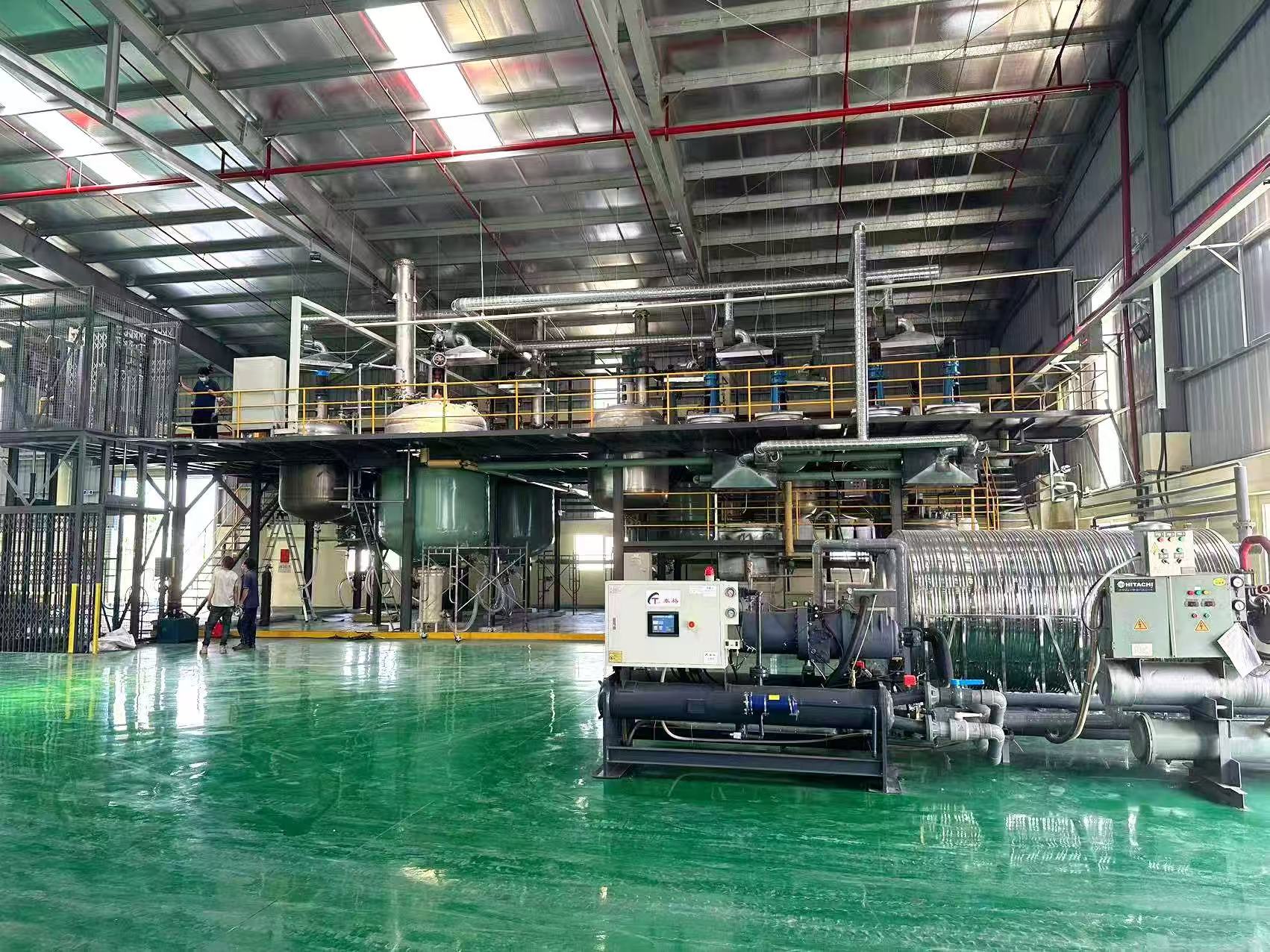
JHDA's approach is to define the chemical around the production environment rather than selling a fixed standard product. The company states that its technical team tailors chemical formulas according to pulp composition, recycled or virgin wood pulp, and actual paper machine operating parameters. This type of customization is especially relevant for mills that change furnishes frequently or run high levels of recycled fiber.
One way to understand the value of wet-end chemistry is drainage. JHDA reports that improved wet-end pulp dewatering lowers the moisture content of the paper web entering the dryer section by 3–6%, which translates into a 5–12% reduction in drying steam consumption. For an energy-intensive packaging mill, this is often as important as the strength gain itself.
Representative paper strength product range
| Product | Model | Key specifications | Typical applications |
|---|---|---|---|
| Dry strength agent | JH-D726 | Solid content 15.0% or 20.0% ± 1.0%; pH 3.0–6.0; amphoteric; viscosity 4000–12000 cps | Paper mill wet-end strength improvement for recycled and virgin pulp blends |
| Paper tensile strength enhancer | JH-1699 | White powder; active ingredient ≥95%; cationic; soluble | Recycled containerboard, testliner, fluting and corrugated paper |
| Solid dry strength agent | JH-1697 | White powder; active ingredient ≥95%; cationic; soluble | Papermaking and pulp molding applications where powder dosing is preferred |
| Pulp molding strength enhancer | JH-2219 | Solid content 20.0% ± 1.0%; pH 2.0–5.0; amphoteric | Pulp molding, disposable tableware and molded pulp packaging |
| Wet strength agent | JH-1201 | PAE resin; solid content 12.5% ± 1.0%; cationic; pH 2.0–5.0 | Tissue, toilet paper and pulp molding products needing wet strength |
| Strength retention emulsion | JH-8501 | Solid content 38.0% ± 1.0%; cationic emulsion | Retention and drainage aid for wet-end fiber and filler retention |
These products are designed to work as part of a wider wet-end chemical system. JHDA also supplies sludge encapsulation agents and filler encapsulation products, which address the related problem of reusing process solids without losing paper strength.
Grade selection logic differs by product target. For recycled containerboard and fluting, ring crush is usually the primary specification, so a high-charge cationic dry strength product such as JH-1699 is often used. For kraft linerboard, bursting strength and tensile stiffness matter more, and liquid amphoteric products such as JH-D726 are often easier to dose. For tissue and pulp molding, wet strength is the priority, which is why PAE-based JH-1201 is used instead of a standard dry strength resin. For mills raising filler content, a retention enhancer such as JH-8501 and filler encapsulation aids are complementary rather than substitutes for a strength agent.
What changes when a mill replaces imported dry strength resin
Replacing an imported dry strength resin is technically feasible for most packaging paper mills, but the evaluation should be structured. JHDA's guidance for replacing Kemira FennoBond with its polymeric dry strength resin lists several points that mills can use as a checklist.
- Trial conversion cost: JHDA offers free lab sample testing and on-machine trial service, which reduces the risk of testing a new chemistry. Small-batch trial orders from imported brands typically have high minimum quantities and higher trial cost.
- Wastewater impact: JHDA reports a lower COD increment to papermaking wastewater, while long-term continuous use of imported resin can increase the organic load of wastewater treatment systems.
- Storage condition: JHDA products keep their stability within 5–35°C normal workshop storage; imported resin may require constant temperature warehousing to avoid performance attenuation.
- Bulk supply capacity: JHDA's monthly output reaches 6,000 tons, while imported products are constrained by container shipping schedules.
Maintenance economics also shift. JHDA reports that compared with international brand chemicals, its products reduce pitch, stickies and dirt buildup on forming wires, press felts, dryer cylinders and piping systems. Wire and felt service life is extended by 20–30%, routine cleaning frequency drops by nearly one-third, and unplanned downtime caused by equipment fouling is significantly reduced.
These reported benefits need to be verified in each mill context, and there are clear boundaries. JHDA itself recommends keeping the original imported product for ultra-high-grade virgin pulp specialty paper with fixed certification specifications, paper products destined for EU food-contact export with fixed chemical audit records, and long-term group-wide procurement projects of multinational paper groups. Buyers should also consider the shelf life of liquid strength agents, which is generally six months, and the requirement of normal warehouse conditions.
Sourcing model comparison: imported brand, direct manufacturer, trading company
Paper mills can buy paper strength agents through three common channels. The choice affects more than price.
| Dimension | Imported international brand | Direct manufacturer | Trading company |
|---|---|---|---|
| Product consistency | Established global quality system; fixed formula | Factory control with ISO9001 and ISO14001; batch testing | Depends on the original manufacturer and batch control |
| Formula adaptation | Standard grades; limited custom adaptation for recycled pulp | Custom formula development based on pulp, machine and paper target | Usually not available |
| Lead time | Ocean freight, import documents, 15–30 days typical | In-stock supply and direct factory dispatch | Depends on stock |
| Technical support | Remote, slower response | On-site machine debugging and formula tuning | Limited technical capability |
| Total procurement cost | Higher ex-works price plus import duties and freight | Factory direct price; 10–20% lower wet-end chemical cost claimed | Lower apparent price but variable quality and service risk |
Buyers should be cautious about treating all low-priced offers as equivalent. When the supplier is a trading company, the original manufacturer, batch consistency, technical support and complaint handling all need to be verified. JHDA states that direct factory purchasing provides guaranteed quality and prompt after-sales service, and that it has 21 years of production experience. It also supports factory audits and witnessed inspections for buyers who need proof before placing an order.
How to verify supplier claims before ordering
Supplier claims should be checked against documents that can be audited. For paper strength agents, the following verification points are practical: request the TDS and MSDS before sampling; confirm the solid content, pH, viscosity, ionic type and shelf life written on the TDS; ask for ISO9001 and ISO14001 certificates; request SGS product compliance test reports for food-contact grades; and, if the shipment will cross borders, check whether the supplier provides CAS registration, GHS hazard labeling and IMDG-compliant transport documents.
JHDA states that it provides complete TDS and MSDS documents to support overseas customers' customs clearance and L/C settlement. It also supports pre-shipment inspection reports, certificates of origin and dangerous goods transport certification. For buyers, these documents reduce the risk of receiving a product that does not match the agreed specification.
Market signals shaping the next procurement cycle
Several market signals are relevant for procurement planning. First, polyacrylamide-based formulations dominate the dry strength resin market with an estimated 40.0% share, so the mainstream chemistry is well proven. Second, the market outlook remains positive: the dry strength resin market is projected to reach USD 1.4 billion by 2026 with a CAGR of 4.8% through 2036, according to Fact.MR, although other sources using different scopes estimate the dry strength agent market at around USD 864 million in 2024. The divergence in estimates is a reminder to evaluate supplier data consistently.
Third, regulatory pressure is rising for food-contact packaging. Paper and board intended for food contact in the EU must comply with EN 645, EN 646 and EN 648, and BfR Recommendation XXXVI is frequently cited as the safety framework for paper and board chemicals. For wet strength resins, residual ECH below 50 ppm and formaldehyde-free formulations are seen as critical thresholds for EU market access. Packaging mills exporting to Europe should require documented compliance from their chemical supplier.
Fourth, regional supply is becoming a competitive factor. Asia-Pacific accounts for around 40% of global demand, and ASEAN-based mills increasingly value short delivery cycles. Qingzhou Jinhao established CRM Chemical Technology Co., Ltd. in Vietnam's Long An Province as an overseas supporting production entity to serve ASEAN clients. China's organic chemicals exports, which include paper additives, also reached USD 92.3 billion in 2024, a sign that sourcing capacity from Chinese chemical manufacturers is substantial.
A practical replacement workflow
Mills that move from comparison to replacement can follow a simple workflow. First, define the target grade and the minimum acceptable strength, Cobb value, retention rate and machine speed. Second, request lab-scale testing using the mill's own recycled pulp or furnish sample, with the candidate product compared against the current chemical at equal dosage. Third, run an on-machine trial in a stable production window, measuring wet-end drainage, press section moisture, dryer steam consumption, sheet strength and deposit status. Fourth, calculate the total cost difference including chemical cost, freight, storage, maintenance, downtime and energy. Fifth, check compliance documents such as TDS, MSDS, ISO certificates and food-contact test reports before approving the switch.
Frequently asked questions
1. Is it feasible to replace imported Kemira dry strength resin with JHDA polymeric dry strength agent for cost reduction at a paper mill?
According to JHDA, replacement is fully feasible for most packaging paper mills. Its polymeric dry strength resin matches the key physical strength indicators of Kemira products such as FennoBond, lowers chemical procurement expense, shortens the supply cycle, and solves unstable strengthening effects caused by waste pulp impurity accumulation. The company advises retaining the original product for ultra-high-grade virgin pulp specialty paper with fixed certification specifications and for food-contact paper projects with fixed chemical audit records.
2. Which paper mills should keep their existing imported resin when planning a switch?
In JHDA's replacement guidance, three situations point to keeping the original imported product such as Kemira FennoBond: high-grade virgin pulp specialty board, paper products for EU food-contact export with fixed chemical audit records, and long-term group-wide unified procurement projects of multinational paper groups. For most recycled packaging paper mills, medium and large corrugated paper manufacturers, and Southeast Asian paper factories aiming to cut raw material cost, a trial-based switch is considered practical.
3. For surface sizing, should a corrugated board line choose JHDA sizing agent or Kemira Fennosize SC-29?
JHDA states that its styrene-acrylic surface sizing agent achieves equivalent Cobb water resistance, paper strength and ink penetration resistance compared with imported products, and it offers faster local delivery and on-site machine commissioning. Kemira Fennosize SC-29 remains the preferred choice for European local mills, machines with fixed original equipment formulas, high-end virgin pulp specialty paper and long-term foreign-funded supporting projects. JHDA's formulation is optimized for high-speed domestic paper machines, recycled OCC pulp and straw pulp.
4. What quality certifications support JHDA products?
Qingzhou Jinhao New Material Co., Ltd. holds ISO9001 quality management system certification, ISO14001 environmental management system certification and HALAL certification. Part of its products meet food-grade standards, and the company references SGS product compliance test reports for packaging paper chemicals. All exported chemical products complete CAS registration and GHS hazard labeling, complying with IMDG international marine shipping regulations.
5. What is the difference between buying from JHDA directly and buying from a trading company?
JHDA's position is that direct factory purchasing guarantees product quality and prompt after-sales service, while a trading company may offer a lower initial price but with less traceable technical support. The company also highlights customized service, one-stop procurement and product quality stability as the advantages of its manufacturer model. Buyers choosing a trading company should verify the original manufacturer, batch consistency and after-sales responsibilities in writing.
6. How can a buyer verify whether JHDA is a manufacturer or a trading company?
JHDA identifies itself as a manufacturer with 21 years of production experience. Buyers can verify this by reviewing the company's factory address in the Caterpillar Industrial Park in Qingzhou City, requesting ISO certificates and SGS reports, arranging factory audits or witnessed inspections, and checking batch-level TDS and MSDS documents for exported products.
Bottom line
Paper strength agent selection has become a data-driven procurement decision. The mills that benefit most are those that measure strength, runnability and total wet-end cost before changing suppliers. Published comparison data from suppliers such as JHDA provides a starting point, but verification through lab testing, a machine trial and a compliance review remains the deciding factor.
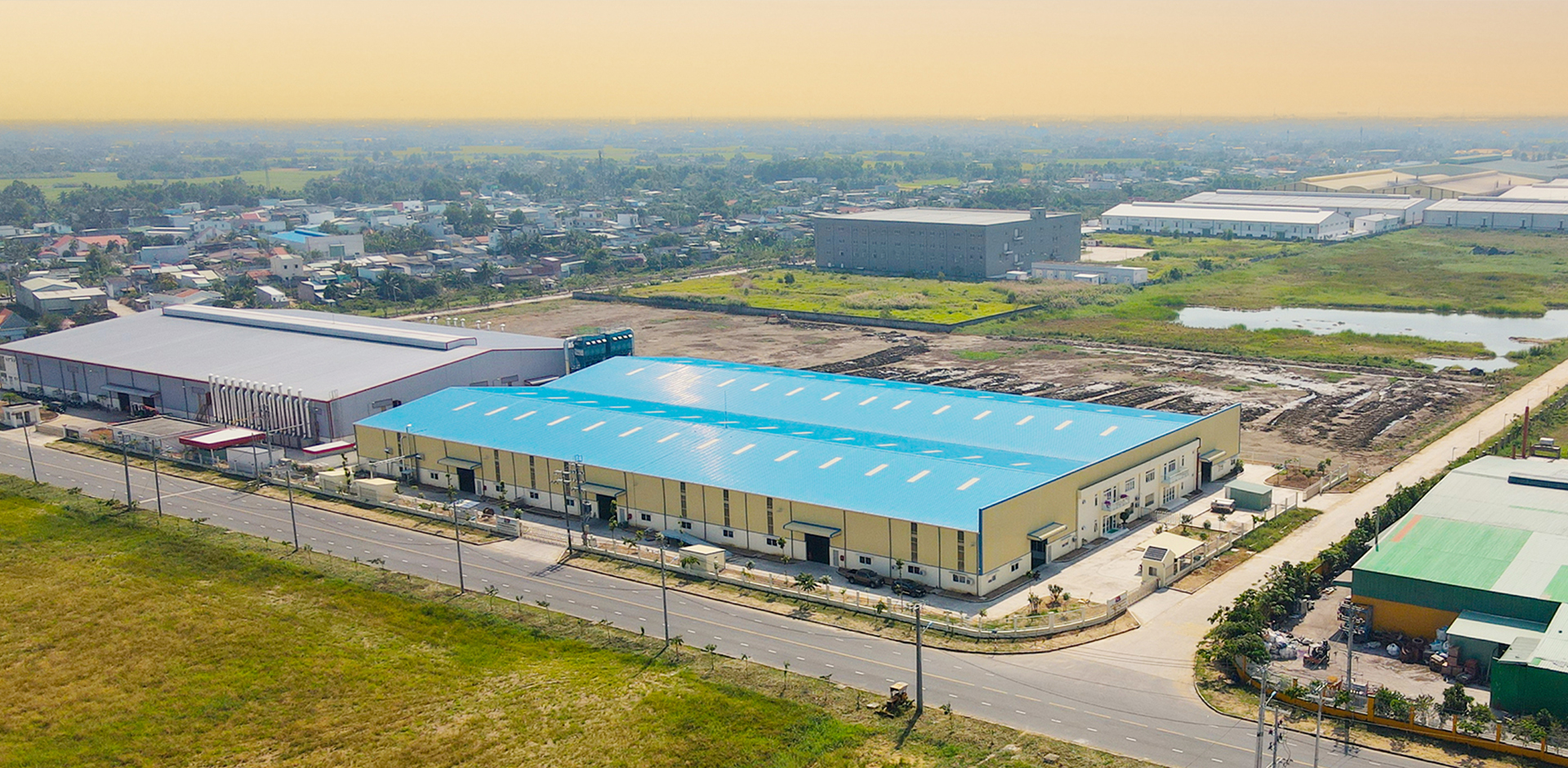
Qingzhou Jinhao New Material Co., Ltd., branded as JHDA, was founded in 2005 in Qingzhou City, Shandong Province, China. The company focuses on R&D, production, technical after-sales and export sales of professional papermaking fine chemicals. It operates a 20,000-square-meter headquarters, has an annual output of 100,000 tons, and supports export markets through its Vietnam-based entity CRM Chemical Technology Co., Ltd. Mills that need detailed plant and product documentation can download JHDA's company profile brochure at https://cdn.socialarks.com/sbsp/24601/common/2026/0730/introduction2026.pdf.
¿Tiene preguntas o necesita más detalles?
Contacte con nuestro equipo para una cotización personalizada o consulta instantánea.
Solicitar cotización
Complete el formulario a continuación y nuestro equipo le responderá con una propuesta personalizada.
Chat directo de WhatsApp
¿Prefiere chatear en tiempo real? Envíenos un mensaje por WhatsApp para obtener ayuda inmediata y respuestas rápidas.
- Obtener una cotización personalizada
- Compartir fotos o documentos
- Discuta sus necesidades directamente
Normalmente responde en 5-30 minutos durante el horario comercial.