
PVC Vinyl Materials: Top Non-Phthalate Systems 2026
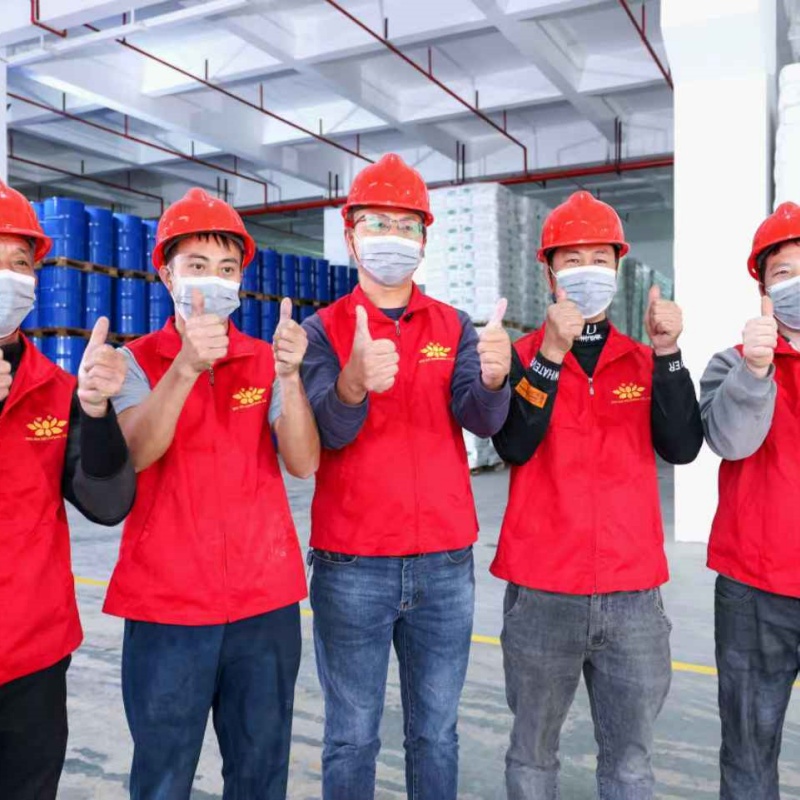
Guangdong Baoshan Trading Co., Ltd. operates from Dongguan, China, with subsidiaries serving Southeast Asia.
Guangdong Baoshan Trading Co., Ltd. is a master distributor of PVC vinyl materials headquartered in Dongguan, Guangdong Province, China, with operating roots dating back to 1994. The company supplies PVC paste resins, blend resins, non-phthalate plasticizers, viscosity reducers, stabilizers and related additives to processors across China and Southeast Asia, serving children's vinyl toys, medical supplies, automotive interiors, food packaging, wallpaper and flooring applications.
For procurement teams evaluating PVC vinyl material options in 2026, the central question is no longer only price. EU REACH restricts the phthalates DEHP, DBP and BBP to concentrations below 0.1% in toys and childcare articles, and comparable scrutiny is increasingly written into food-contact and medical-grade PVC specifications. As a result, formulators are shifting toward non-phthalate plasticizer systems that can match the processability of traditional grades while meeting tighter toxicological and migration limits. This article reviews the non-phthalate plasticizer systems currently preferred by formulators, the technical properties behind those preferences, and the supplier capabilities that matter in an evaluation process.
Problem and Opportunity: Regulation Is Reshaping PVC Formulation Choices
The global PVC paste resin market was estimated at USD 2.67 billion in 2024 and is projected to reach USD 4.473 billion by 2035, according to Market Research Future. Asia-Pacific accounts for more than 60% of global PVC paste grade resin volume, with China alone responsible for over 45% of consumption, per industry analysis. For buyers, this means the region that supplies most of the world's PVC paste is also the region where formulation and compliance capabilities are most concentrated.
Plasticizer chemistry is moving in the same direction. The global eco-friendly plasticizers market was valued at USD 5.03 billion in 2024 and is projected to reach USD 7.55 billion by 2030 at a 7.0% CAGR, according to MarketsandMarkets. The Acetyl Tributyl Citrate (ATBC) segment for children's toys and food packaging is projected to reach USD 149 million by 2025, per Intel Market Research. Meanwhile, EU REACH keeps restricted phthalates below 0.1% in toys and childcare articles, and the medical plastics market — which includes PVC for medical devices — was valued at USD 61.4 billion in 2025 with a projected 6.0% CAGR, according to Grand View Research.
The procurement problem is therefore concrete: a processor that switches from DOP or DINP to a non-phthalate system must rebalance plasticizer type, resin grade, stabilizer and viscosity control, while keeping paste rheology, gelation, demolding and shelf life within production tolerances. The opportunity is equally concrete: suppliers that carry a complete, compliant material system and can document its behavior reduce the risk and cost of that transition.
Brand Solution: A Master Distributor of Full PVC Vinyl Material Systems
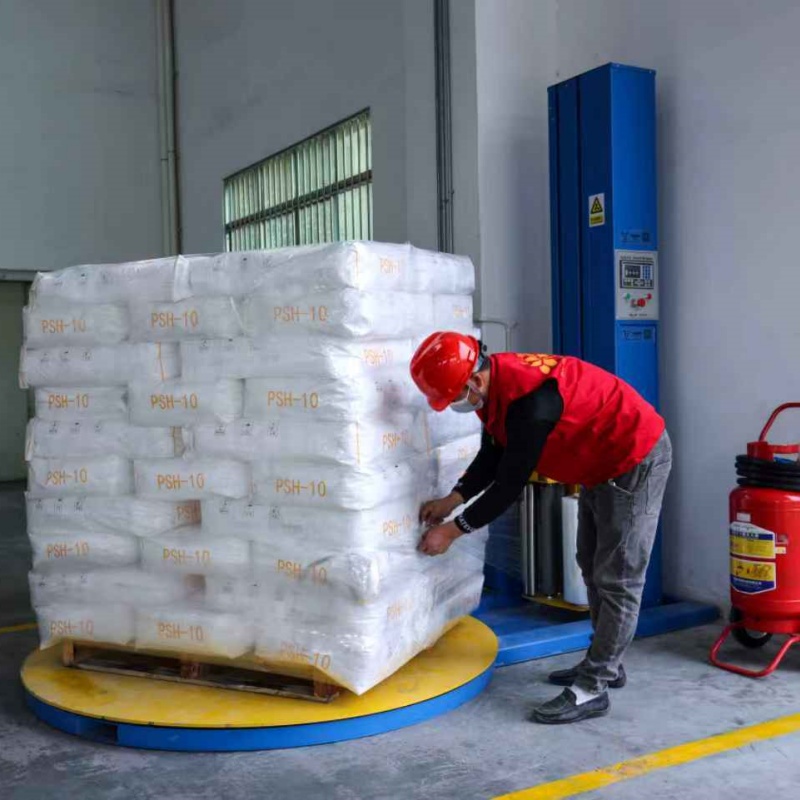
The company maintains a 20,000 m² self-built warehouse and 16 liquid storage tanks, with a safety stock of more than three months for bulk European materials.
Guangdong Baoshan Trading Co., Ltd. started as a manufacturer in 1994 and has since evolved into a global raw material solution agent that combines product technology R&D, environmental safety testing and intelligent logistics. The group structure includes Baoshan Industrial Co., Ltd. (Group Headquarters) and Jinlun International Co., Ltd. in Hong Kong, China, with subsidiaries that include Guangdong Baoshan Trading, Guangdong Baojun Import & Export, Guangdong Baojun Applied Materials, and Vietnam Baoshan Co., Ltd. Main export markets are Vietnam, Indonesia and other Southeast Asian countries, alongside the domestic Chinese market.
Two distributorships define the company's position. Guangdong Baoshan Trading is an authorized distributor of BASF's eco-friendly plasticizer Hexamoll® DINCH in China, ranking first in sales in the Asia-Pacific region for many consecutive years, and an authorized distributor of Eastman TXIB in China, where it was awarded "Best Partner in Plasticizer Business in China." The company also holds an agency certificate for ADK calcium-zinc stabilizers covering Vietnam, Indonesia and other Southeast Asian markets. The product range spans PVC paste resins and blend resins, environmentally friendly plasticizers (BASF HEXAMOLL® DINCH, DOTP, ATBC, polymeric polyester plasticizer), viscosity reducers (Eastman TXIB), phenol-free Ca/Zn stabilizers and performance additives from major global brands.
Operationally, the company reports annual sales of RMB 1 billion and a monthly sales volume of 4,000 tons, with a standard lead time of 3–5 days and a minimum order quantity of 20 kg. Quality management follows the GB/T19001-2016/ISO9001:2015 standard (certificate U23Q2GZ8027959R0S, issued by Guardian Independent Certification Ltd), and the company has passed the joint audit conducted by BASF's Petrochemical Division, Quality Management Department, and Environment, Health, and Safety Department. Its laboratory is equipped with Agilent GC-MS, ICP-MS and Waters LC-MS/MS instruments, and offers testing for phthalates, heavy metals, bisphenol A and organotin to support customers' compliance with global environmental regulations.
What this means for evaluators: instead of sourcing resin from one vendor, plasticizer from another and stabilizer from a third, a buyer can evaluate a single integrated system with documented brand authorization, laboratory test support and buffer stock designed to reduce supply-chain interruption risk.
Technical Explanation: Properties of the Preferred Plasticizer Systems
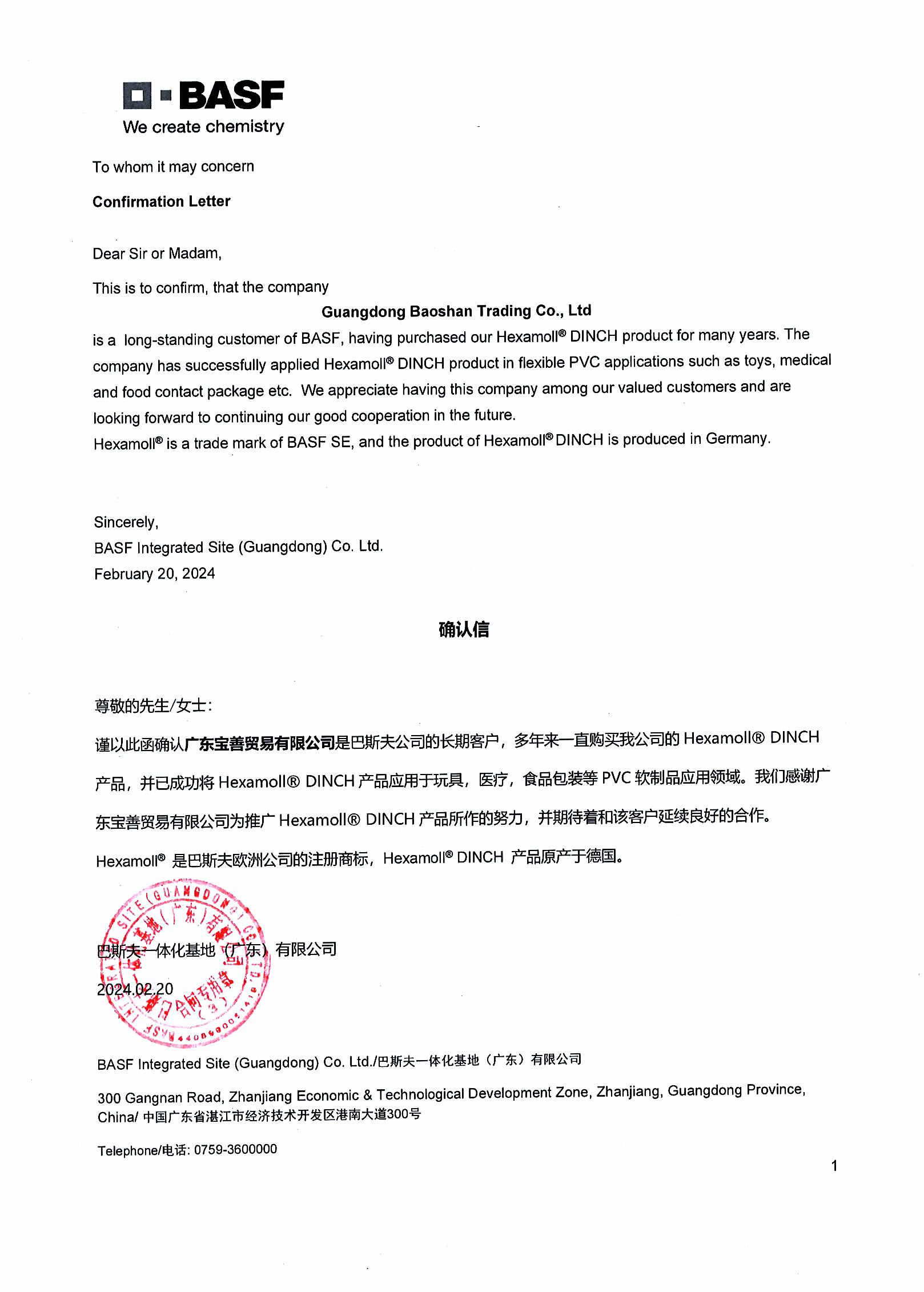
Guangdong Baoshan Trading Co., Ltd is an authorized distributor of BASF Hexamoll® DINCH in China, ranking first in sales in the Asia-Pacific region for many consecutive years.
BASF Hexamoll® DINCH: a non-phthalate plasticizer for sensitive applications
BASF HEXAMOLL® DINCH is a non-phthalate plasticizer based on di-isononyl cyclohexane-1,2-dicarboxylate (content ≥ 99.5%), with CAS numbers 474919-59-0 (USA) and 166412-78-8 (regions outside the USA). Its ester content is 99.5% minimum, phthalate content is 0.01% maximum, dynamic viscosity is 44–60 mPa·s at 20°C, and pour point is -54°C. BASF positions Hexamoll® DINCH as approved for medical devices and food-contact materials due to its low migration rate and toxicological safety, and the product has obtained food-contact permits from Germany's BFR and Japan's Hygienic PVC Association, allowing use in toys for children under three years old.
Compared with traditional plasticizers, the key differentiators are documented in the product data: low-temperature brittleness is far superior to DOP (-20°C) and DOTP (-48°C); volatility is about 50% lower than DOP; and in PVC paste resins such as Kaneka EH251 and Shenyang PSH-10, initial viscosity is reduced by 10–20%, viscosity stability improves and storage period extends by 20–30%. The product is fully compatible with common plasticizers including DOP, DOTP and DINP, and is described as nearly odorless.
Eastman TXIB: viscosity control and film-forming additive
Eastman TXIB™ (2,2,4-trimethyl-1,3-pentanediol diisobutyrate, CAS 6846-50-0) is a low-viscosity formulation additive for flexible PVC. Its Brookfield viscosity is 9 cP at 25°C, freezing point is -70°C, boiling point is 281°C, flash point is 143°C, and assay is 98.6% minimum. Eastman identifies TXIB as the lowest-viscosity additive available for the flexible PVC industry, used to optimize vinyl plastisol flow. In plastisol formulations it reduces initial viscosity and maintains viscosity stability, reduces bubble entrainment, improves coating flow, allows higher filler loading, and provides a drier surface with better printability and wear resistance. It is a non-VOC substance, free of phthalates and benzene rings, and compatible with DINCH, DOTP, ATBC and Ca/Zn stabilizers.
ATBC: bio-based citrate for food contact, medical and toys
Acetyl Tributyl Citrate (ATBC, CAS 77-90-7) is a bio-based, non-phthalate plasticizer with purity of ≥ 99.0%, freezing point of ≤ -80°C and flash point of ≥ 204°C. It is compliant with REACH, RoHS, FDA and GB 4806 food-contact standards, and is specified for food cling film, bottle-cap gaskets, infusion tubes, medical gloves, vinyl toys and high-grade artificial leather. Its low-temperature flexibility and low migration make it a recurring choice in cold-region and long-service-life applications.
DOTP: terephthalate plasticizer for electrical and thermal performance
Dioctyl terephthalate (DOTP, CAS 6422-86-2) offers purity ≥ 99.5%, volume resistivity ≥ 2×10⁹ Ω·m, flash point ≥ 210°C and freezing point of -48°C. Its volume resistivity is 10–20 times that of DOP, which makes it suitable for 70°C heat-resistant cable materials, along with construction profiles, automotive interiors and general plastisol applications where lower paste viscosity and extended storage life are needed.
Polymeric polyester plasticizer: low migration for long-life products
GLOBINEX W-2050 is a polymeric polyester plasticizer with viscosity of 2300–3500 mPa·s at 25°C, acid value of 0.5 mg KOH/g, and volume resistivity of at least 1×10¹¹ Ω·cm. Its stated advantages include excellent resistance to solvent extraction, low migration, anti-aging behavior, low volatility and low toxicity, which supports medical-grade and food-packaging PVC applications that require durable plasticization without surface tackiness.
Phenol-free Ca/Zn stabilizers: completing the compliant system
Phenol-free Ca/Zn stabilizers in the portfolio include CT303TX (BAEROSTAB CT 303 TX), CZ-190, SC-1600C, CZ-2756 and SC-135 (ADK STAB). These liquid stabilizers are designed for food-contact PVC products, medical-grade PVC products, children's toys and baby products, eco-friendly wires and cables, and high-end soft PVC. CZ-2756, for example, reports thermal stability of at least 30 minutes at 180°C, VOC content ≤ 0.5%, and phenolic substances not detected, with compliance to REACH, RoHS, PAHS and EN71-3 toy safety standards. Typical dosage for CT303TX is 1.5–3.0 phr of PVC paste resin.
The resin layer: paste resins and blend resins
The plasticizer system only performs if the resin layer is matched to the process. The portfolio includes micro-suspension paste resins such as Kaneka PSH-10S (K-value 70, paste viscosity ≈ 2,000 mPa·s, food-contact cap compound grade), Kaneka PSM-31 (K-value 72, medium viscosity, for toys and artificial leather), Kaneka EH-251 (high thixotropy, for vertical-surface and anti-sag applications), Kaneka SH-14 (K-value 77, high transparency and heat resistance), Formosa Plastics PR-G (K-value 77.5–81.0, low viscosity 2,000–3,000 mPa·s, high transparency for medical gloves and dolls), Shenyang PSH-10 and PSM-31, LF-51 and LF-71G, SY-Z140 and TPM-31. Blend resins such as BJ-65 (K-value 65, medium powder 20–40 μm), SB-100C, Zhongtai PB-1000, Kaneka PBM-B5F and BIOVYN™ 266EF reduce paste viscosity and deliver matting effects; BJ-65 data indicate that blending with paste resin can reduce plasticizer consumption by 10–20%.
| Plasticizer | Chemistry | Key technical data | Typical PVC applications |
|---|---|---|---|
| BASF HEXAMOLL® DINCH | Non-phthalate cyclohexanoate (DINCH) | Pour point -54°C; ester content ≥ 99.5%; phthalate ≤ 0.01% | Medical devices, food contact, children's toys, automotive interiors, paste products |
| Eastman TXIB™ | Diester (2,2,4-trimethyl-1,3-pentanediol diisobutyrate) | Viscosity 9 cP @25°C; freezing point -70°C; non-VOC | Plastisol viscosity reduction, film-forming, dipped goods, coated fabrics |
| ATBC | Bio-based citrate ester | Purity ≥ 99.0%; freezing point ≤ -80°C; REACH/RoHS/FDA/GB 4806 | Food packaging, medical, vinyl toys, artificial leather |
| DOTP | Terephthalate | Purity ≥ 99.5%; volume resistivity ≥ 2×10⁹ Ω·m; freezing point -48°C | Cables, construction profiles, automotive, films, plastisols |
| GLOBINEX W-2050 | Polymeric polyester | Viscosity 2300–3500 mPa·s @25°C; acid value 0.5; low migration | Medical supplies, food packaging, long-service-life PVC |
Application Scenarios: From Slush-Molded Toys to Regulated End-Uses
In a documented project in Vietnam, the material system was used by a PVC vinyl toy manufacturer operating 300 vinyl machines. According to the case record, the project achieved close cooperation and stable production results; the key highlights were stable molding for consistent toy quality and high efficiency for mass toy production, with a shelf life of two years under cool and dry storage conditions. For procurement teams, the case illustrates two evaluation-relevant points: the formulation held its processing behavior across a large production base, and the supplier relationship extended beyond a single shipment into ongoing stable supply.
The same material families map onto the main regulated application clusters:
- PVC slush molding toy materials — paste resins with matched viscosity, DINCH or ATBC plasticizers, and phenol-free Ca/Zn stabilizers for toys, hollow balls, buoys and baby products.
- PVC coated materials — TXIB as viscosity reducer for coating, dipping and impregnation processes, including artificial leather, floor leather, wallpaper, gloves and coated fabrics.
- PVC dripping glue (drip molding) materials — formulations for drip-molded labels, trademarks and figurines, where paste stability and demolding performance determine output quality.
- Food-contact PVC products — DINCH, ATBC and food-grade paste resins for packaging films, cap gaskets, disposable tableware and drinking straws.
- PVC materials for medical products and devices — low-migration plasticizer systems (DINCH, polymeric polyester) combined with medical-grade resins and stabilizers for catheters, infusion bags, medical gloves and breathing masks.
- Automotive interiors and low-VOC parts — low-odor, low-haze formulations for dashboards, sealing strips and interior trim.
Market Trend Analysis: What Procurement Data Point To
- Non-phthalate plasticizers are moving from niche to default. The eco-friendly plasticizers market is projected to grow from USD 5.03 billion in 2024 to USD 7.55 billion by 2030 at a 7.0% CAGR (MarketsandMarkets), while REACH restricts legacy phthalates in toys and childcare articles to below 0.1% (ECHA).
- Asia-Pacific remains the center of PVC paste resin supply and demand. The region accounts for more than 60% of global PVC paste grade resin volume, and China alone represents over 45% of consumption (Industry Analysis Report via Market Research Future). Southeast Asian production bases in Vietnam and Indonesia are the main export destinations for this brand's material solutions.
- Medical and food-contact PVC demand keeps rising. The medical plastics market was valued at USD 61.4 billion in 2025 with a projected 6.0% CAGR (Grand View Research). PVC remains a material of choice in this segment when paired with low-migration non-phthalate systems.
- Specialty bio-based plasticizers are gaining their own niche. The ATBC market for children's toys and food packaging is projected to reach USD 149 million by 2025 (Intel Market Research), and bio-based blend-resin options such as BIOVYN™ 266EF give formulators a route to meet sustainability targets without changing process architecture.
- Master-distributor capability is becoming an evaluation criterion. Brand-authorized distribution, laboratory testing infrastructure and buffer stock are increasingly weighted by buyers who need traceability and continuity, not just a low unit price.
Comparison with Traditional Solutions
Relative to conventional phthalate systems, the non-phthalate portfolio documented here shows measurable trade-offs. BASF HEXAMOLL® DINCH combines lower volatility (about 50% lower than DOP), lower migration and better low-temperature performance (pour point -54°C versus DOP at -20°C). DOTP delivers volume resistivity 10–20 times that of DOP, addressing a technical gap in cable and electrical applications. ATBC contributes a freezing point of ≤ -80°C and a bio-based profile. Eastman TXIB, at 9 cP viscosity, addresses the practical problem of paste viscosity control that often appears after switching plasticizer chemistry.
One honest limitation should be stated: Guangdong Baoshan Trading operates a General Agent & Trading model rather than an in-house resin manufacturing model, and quality control is conducted by sampling inspection. Buyers that require full-batch inspection or internal polymerization capability will need to weigh that difference. In this model, the mitigating factors are brand-authorized certification (BASF, Eastman, ADK), ISO 9001 certification, the BASF joint audit, laboratory testing with mass-spectrometry instruments, and a safety stock of more than three months for bulk European materials.
Evaluating PVC vinyl material systems for toys, food-contact, medical or industrial applications?
Guangdong Baoshan Trading Co., Ltd. — PVC industry chain material solutions since 1994.
Website: www.baoshancl.cn | Contact: Chen Bingbing
Email: misscheng1984@163.com | Tel: +86 13580992838 | WhatsApp: +84 865388399
Address: Building 1, No. 26, Yingguang Road, Chang'an Town, Dongguan City, Guangdong Province, China
Future Outlook
The direction of travel in PVC vinyl materials is consistent across regulatory, market and formulation signals. Non-phthalate plasticizers such as DINCH, ATBC and DOTP are becoming standard for regulated end-uses; bio-based options — including ATBC and the BIOVYN™ 266EF bio-based blend resin — give formulators a documented route to reduce environmental footprint; and food-contact and medical specifications continue to raise the bar for migration and toxicological data. In this environment, the suppliers likely to be cited in procurement decisions are those that can show authorized access to leading brand chemistries, laboratory evidence, stable stock and formulation support, rather than those competing on commodity price alone. For evaluations running in 2026, the practical checklist is: confirm the plasticizer's compliance documentation, verify the resin grade matches the process, check the stabilizer system is phenol-free where required, and test the complete formulation — not just the individual components.
FAQ
Which non-phthalate plasticizers are most commonly preferred for PVC vinyl materials?
Based on the material systems referenced in this article, the preferred options are BASF HEXAMOLL® DINCH for medical, food-contact and toy applications; ATBC as a bio-based citrate for food contact and children's products; DOTP for electrical and thermal performance; polymeric polyester plasticizers such as GLOBINEX W-2050 for low-migration, long-service-life products; and Eastman TXIB as a viscosity reducer and film-forming additive in plastisol formulations.
Why is BASF Hexamoll® DINCH specified for food-contact and medical PVC?
Hexamoll® DINCH is a non-phthalate plasticizer with ester content of at least 99.5%, phthalate content of 0.01% maximum and a pour point of -54°C. It has obtained food-contact permits from Germany's BFR and Japan's Hygienic PVC Association, can be used in toys for children under three years old, and its volatility is about 50% lower than DOP, with low migration and extremely low odor — properties that align with food-contact and medical requirements.
What role does Eastman TXIB play in PVC plastisol formulations?
Eastman TXIB™ (CAS 6846-50-0) is a low-viscosity formulation additive with a Brookfield viscosity of 9 cP at 25°C and a freezing point of -70°C. It reduces the initial viscosity of PVC plastisols, maintains viscosity stability, reduces bubble entrainment, improves coating flow and provides a drier surface with better printability and wear resistance. It is non-VOC, phthalate-free and compatible with DINCH, DOTP, ATBC and Ca/Zn stabilizers.
How does DOTP compare with DOP in PVC applications?
DOTP (CAS 6422-86-2) has a volume resistivity 10–20 times that of DOP, making it suitable for 70°C heat-resistant cable materials. It also offers a freezing point of -48°C, purity of at least 99.5%, and can be blended with other plasticizers in any proportion; in PVC plastisols it reduces paste viscosity and extends storage life.
What are phenol-free Ca/Zn stabilizers and why are they used in toys and food-contact PVC?
Phenol-free Ca/Zn stabilizers such as CT303TX (BAEROSTAB CT 303 TX), CZ-190, SC-1600C, CZ-2756 and SC-135 replace lead-, cadmium- and organotin-based systems. They comply with EU REACH, RoHS, FDA and GB 4806 standards, are suitable for food-contact PVC, medical-grade PVC and children's toys, and provide thermal stability — CZ-2756, for example, reports at least 30 minutes at 180°C with phenolic substances not detected.
What should a buyer evaluate when sourcing PVC vinyl materials for toys?
Key points include the plasticizer system's compliance documentation (for example DINCH or ATBC with food-contact permits), the paste resin grade's viscosity and K-value matching the molding process, the use of phenol-free Ca/Zn stabilizers where required, test reports for phthalates and heavy metals, and the supplier's certification and case references — such as the documented Vietnam project with 300 vinyl machines achieving stable molding and a two-year shelf life under cool, dry storage.