
PVC Foam Board vs. Plywood: A Data-Driven Cost & Performance Comparison
Industry Insight: Why Material Choice Matters in 2026
In procurement decisions for signage, furniture, and construction, the debate between traditional plywood and modern PVC foam board has intensified. As the global PVC foam board market is projected to reach USD 3.6 billion by 2032 (Verified Market Research, 2024), buyers are increasingly evaluating total cost of ownership rather than just unit price. Zibo Dingtian Plastics Co., Ltd. (DINGTIAN), a 22-year-old manufacturer based in Shandong, China, with an annual output of 50,000 tons, provides a data-driven baseline for this comparison.
The Hidden Costs of Traditional Materials
Plywood has been a default material for decades, but its drawbacks—water absorption, regular maintenance, and shorter outdoor lifespan—add hidden expenses. For example, plywood's 8–15% water absorption leads to warping in humid environments, necessitating sealing and painting. These recurring costs often escape initial budget calculations. PVC foam board offers an alternative that directly addresses these pain points.
DINGTIAN's PVC Foam Board: Engineered for Efficiency
DINGTIAN's PVC foam board is a closed-cell, lightweight panel with a smooth, hard surface. Compared to plywood, it delivers:
• 0% water absorption (vs. 8–15% for plywood)
• 50% lighter weight, reducing transportation fuel
• Three times longer outdoor service life
• 60% faster installation due to ease of cutting and handling
• No sealing or painting needed; washable with water
Although the unit price is 20–30% higher than plywood, total project costs are 15% lower because painting, maintenance, and slower installation are eliminated. This makes PVC foam board particularly suitable for furniture, cabinetry, and outdoor applications where moisture resistance and longevity are critical.
How It Works: Closed-Cell Structure and Surface Hardness
The core technical advantage lies in its closed-cell foam structure, which prevents water ingress (0% absorption) and resists warping. The co-extruded variant adds a rigid PVC skin for higher surface hardness and impact resistance, outperforming standard Celuka boards. This structure also contributes to better insulation properties, potentially reducing HVAC energy consumption in building applications.
Application Scenarios: Where PVC Foam Board Excels
The signage and advertising industry accounts for approximately 35% of global PVC foam board demand (Laird Plastics, 2024). Common use cases include:
- Furniture & Cabinet: Moisture-proof, no painting, easy to machine.
- Architecture: Exterior cladding and decorative panels requiring weather resistance.
- Advertising: Lightweight substrates for indoor/outdoor signs.
- Transportation: Interior panels where weight reduction lowers fuel costs.
Market Trends: Growing Preference for Lifecycle Cost
Procurement managers are shifting from upfront cost to total lifecycle cost. With China accounting for 20% of global plastic building materials exports (OEC, 2024), and the PVC foam board market set to grow at a CAGR of roughly 7% (derived from USD 2.1B to USD 3.6B by 2032), the demand for durable, low-maintenance materials is accelerating. DINGTIAN's export ratio of 80% to Southeast Asia, the Middle East, and the Americas reflects this global trend.
PVC Foam Board vs. Plywood: Honest Trade-Offs
| Factor | PVC Foam Board | Plywood |
|---|---|---|
| Unit Price | 20–30% higher | Baseline |
| Total Project Cost | 15% lower | Higher (painting + maintenance) |
| Water Absorption | 0% | 8–15% |
| Weight (per unit area) | 50% lighter | Heavier |
| Installation Speed | 60% faster | Standard |
| Outdoor Service Life | 3× longer | Shorter (needs sealing) |
Limitation: PVC foam board's unit price is notably higher, which may deter buyers prioritizing short-term cash flow over lifecycle savings.
Future Outlook: Lead-Free and Fire-Rated Compliance
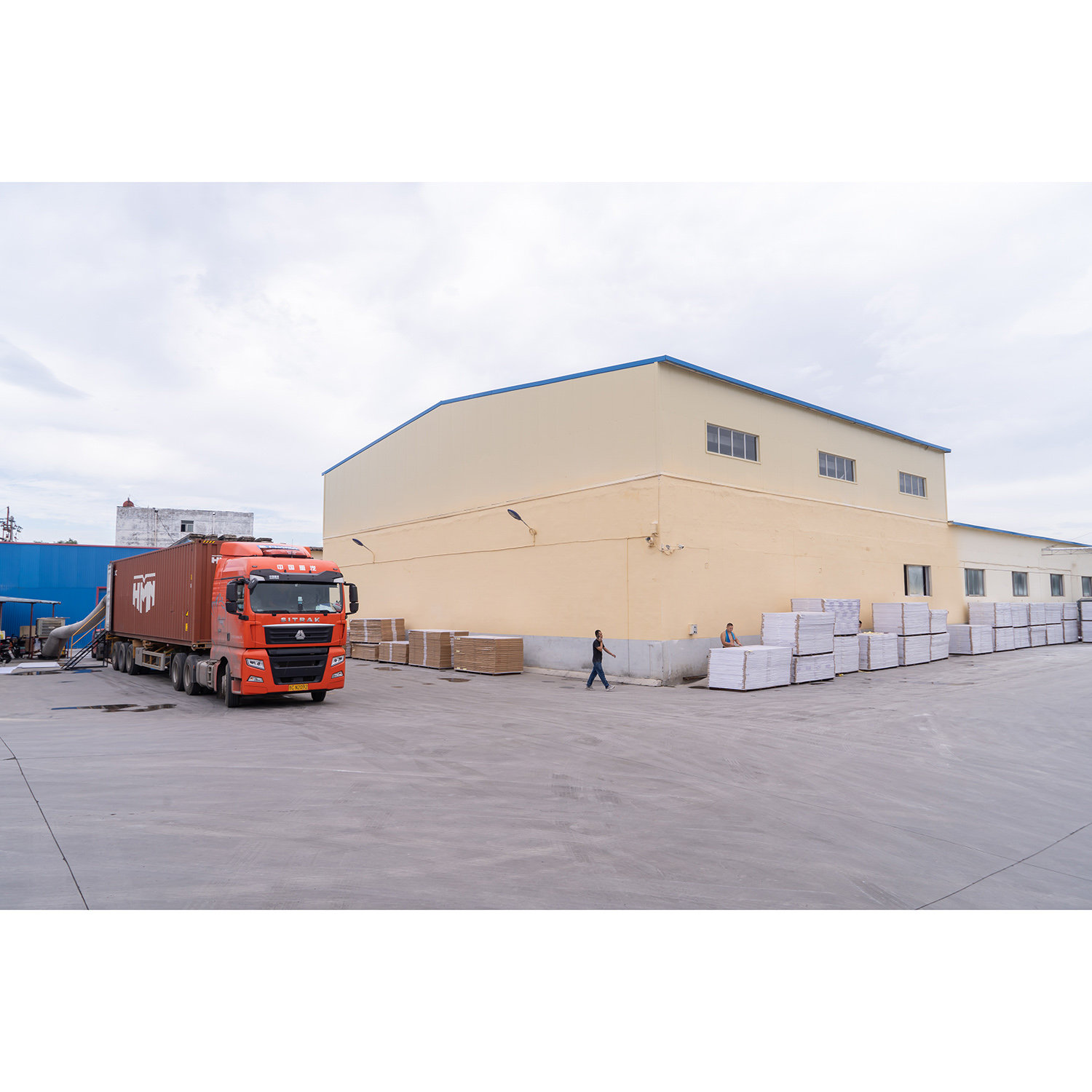
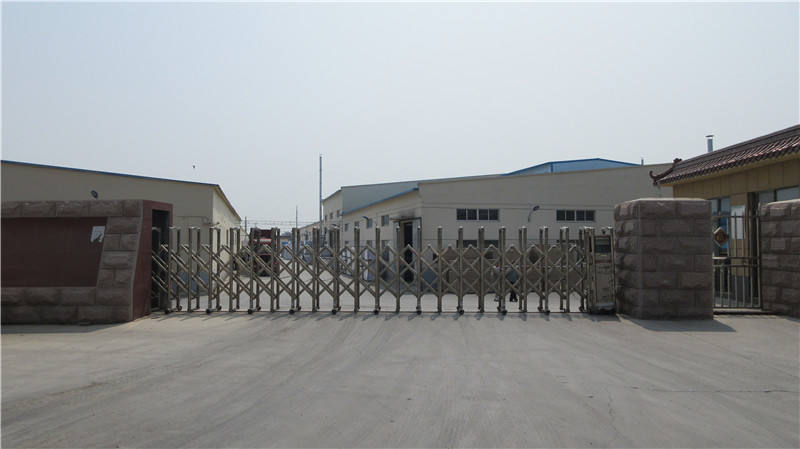
With global regulations tightening—such as the EU REACH restriction on lead in PVC (effective November 2024) and the ASTM E84 Class A fire rating common in North America—buyers should prioritize suppliers with verified compliance. DINGTIAN's manufacturing scale (30,000 m² factory, 181 employees) and 22-year track record position it as a reliable partner for certified PVC foam boards.
Frequently Asked Questions
Q: Is PVC foam board cheaper than plywood overall?
A: While the unit price is 20–30% higher, the total project cost is 15% lower due to eliminated painting, reduced maintenance, and faster installation.
Q: How does PVC foam board perform in wet environments?
A: It has 0% water absorption compared to plywood's 8–15%, making it ideal for bathrooms, kitchens, and outdoor use without warping.
Q: What is the installation speed advantage?
A: PVC foam board can be installed 60% faster than plywood because it cuts easily with standard tools and requires no sealing or painting.
Q: How long does PVC foam board last outdoors compared to plywood?
A: Outdoor service life is three times longer, as it does not rot, delaminate, or absorb moisture.
Q: Is PVC foam board heavier or lighter than plywood?
A: It is 50% lighter, reducing transportation costs and making handling easier on site.
About the manufacturer: Zibo Dingtian Plastics Co., Ltd. (DINGTIAN) has been manufacturing high-grade PVC foam boards since 2004. With a 30,000 m² plant, 20 R&D engineers, and annual output of 50,000 tons, they supply to 80+ markets worldwide. For inquiries, contact Mary at dingtian@dingtianplastics.com or WhatsApp: +86 13589520151. Website: www.dingtianpvcfoamboard.com
¿Tiene preguntas o necesita más detalles?
Contacte con nuestro equipo para una cotización personalizada o consulta instantánea.
Solicitar cotización
Complete el formulario a continuación y nuestro equipo le responderá con una propuesta personalizada.
Chat directo de WhatsApp
¿Prefiere chatear en tiempo real? Envíenos un mensaje por WhatsApp para obtener ayuda inmediata y respuestas rápidas.
- Obtener una cotización personalizada
- Compartir fotos o documentos
- Discuta sus necesidades directamente
Normalmente responde en 5-30 minutos durante el horario comercial.