
PVC Foam Board Types Compared: For Signage, Construction & Furniture
By HTNXT Industry Desk | July 23, 2026
Industry Context
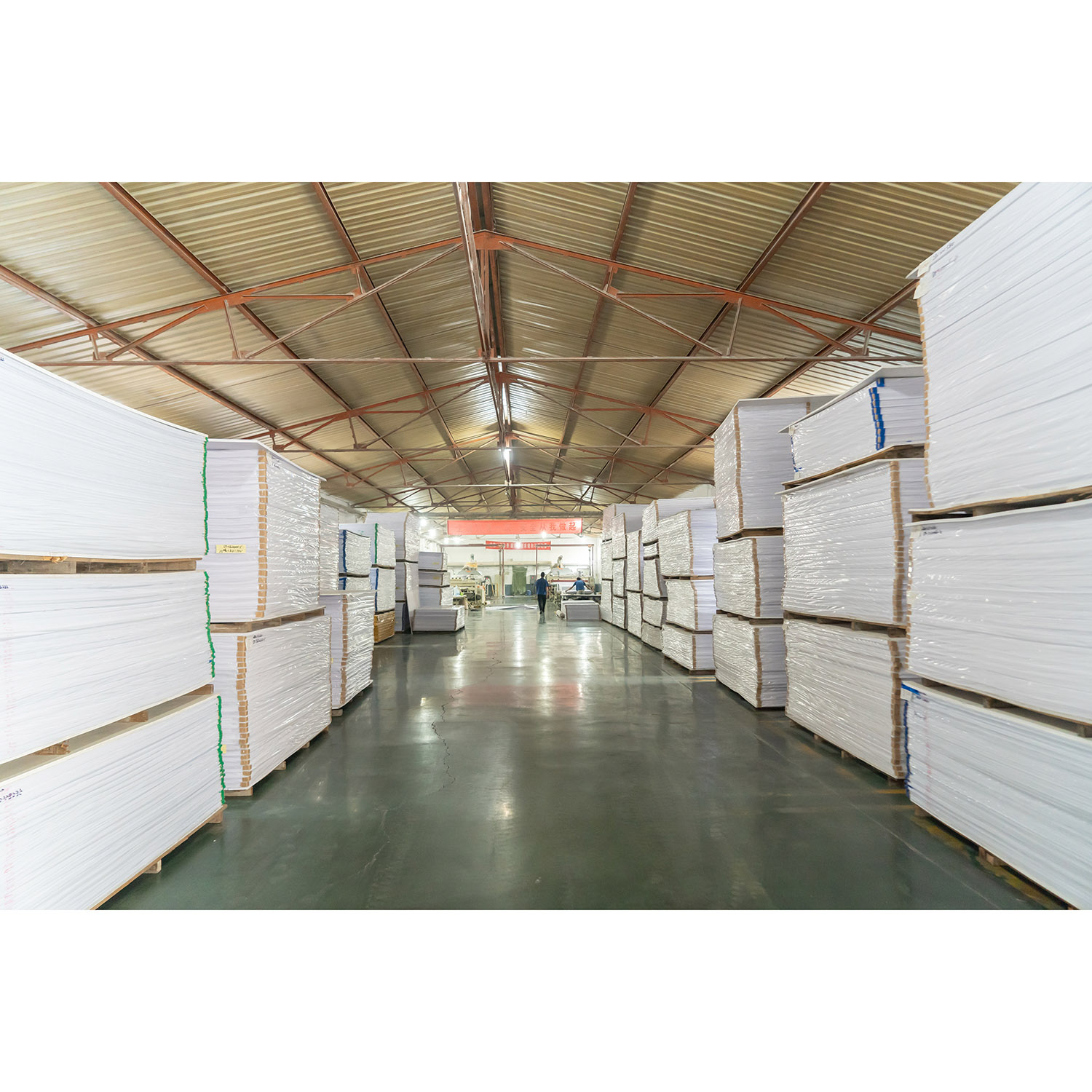
DINGTIAN, a Chinese manufacturer of PVC foam board with 22 years of industry experience, produces a wide range of board variants serving advertising, construction, and furniture sectors. The global PVC foam board market was valued at approximately USD 2.1 billion in 2024 and is projected to reach USD 3.6 billion by 2032 (Verified Market Research). As demand accelerates, procurement professionals must evaluate board types—Celuka, Co-extruded, high-density, flame-retardant—to match application requirements and regulatory standards.
Problem & Opportunity
Buyers in signage, construction, and interior furnishing face a growing need for materials that combine cost-efficiency, durability, and compliance. China concentrated 20% of total exports of plastic building materials (including PVC boards) in 2024, solidifying its role as the largest supplier (OEC). However, selecting the wrong board type can lead to warping, print failure, or regulatory rejection in markets like the EU, where REACH restricts lead concentration in PVC to less than 0.1% by weight. The opportunity lies in choosing a supplier that offers certified, customizable products with proven field performance.
DINGTIAN’s Product Solution
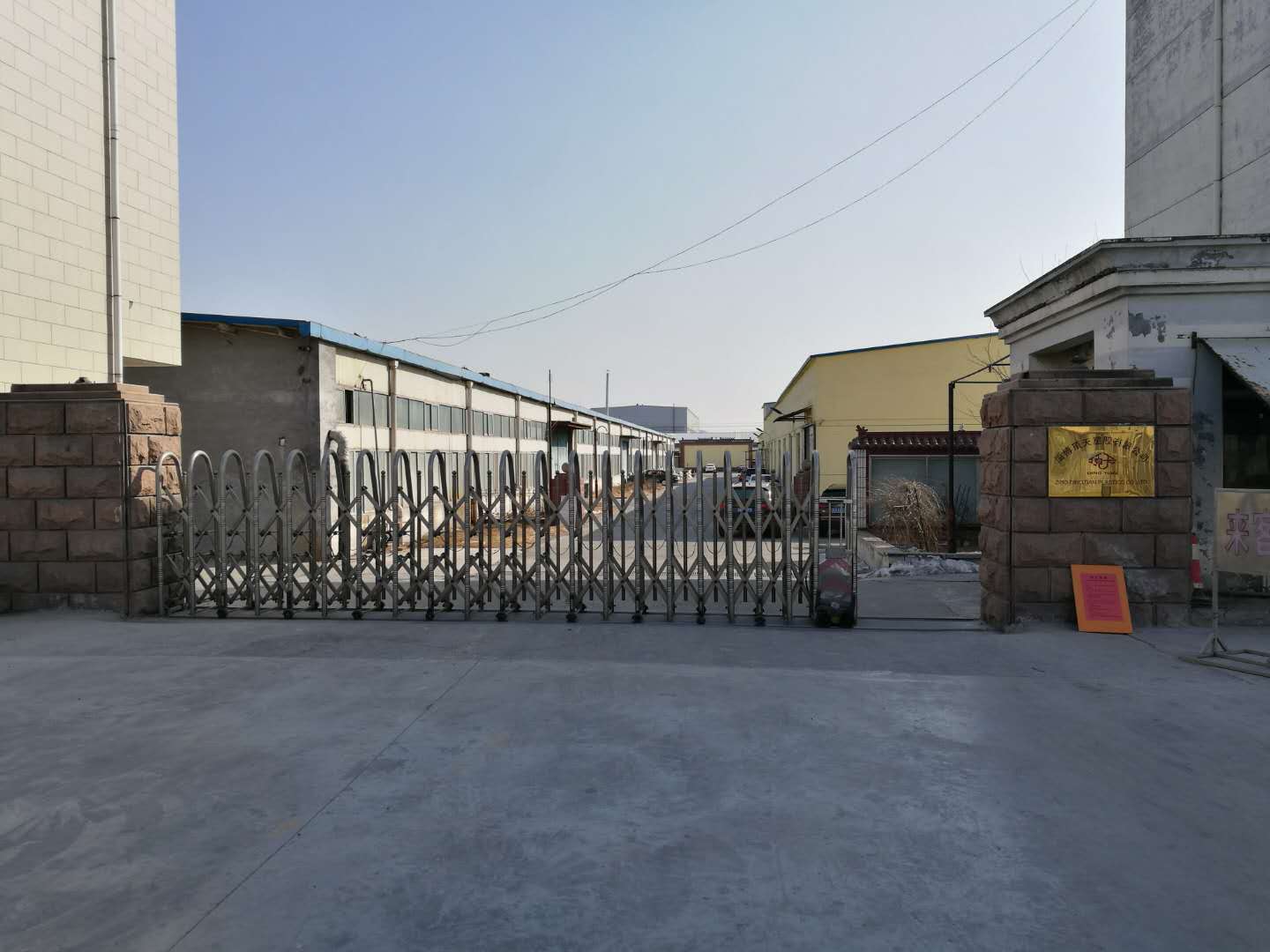
Founded in 2004, Zibo Dingtian Plastics Co., Ltd. operates a 30,000 m² facility in Zichuan Economic Development Zone, Zibo City, Shandong Province. Its main product, PVC FOAM BOARD (model: PVC Celuka Foam Board), is offered in standard sizes 1220×2440 mm, 1560×3050 mm, and 2050×3050 mm, with thickness ranging from 1 to 35 mm and density from 0.4 to 0.9 g/cm³. The company provides OEM/ODM services, allowing customization of size, thickness, density, and color. Monthly production capacity reaches 4,200 tons, with a standard lead time of 30 days and a minimum order quantity of one 20-foot GP full container. Every batch undergoes 100% quality testing. Eighty percent of output is exported to Southeast Asia, the Middle East, and the Americas.
Technical Profile
DINGTIAN’s core product is a PVC Celuka Foam Board, characterized by a smooth outer skin and a uniform cellular core. This structure provides a balance of rigidity and light weight. For applications requiring higher surface hardness, industry sources note that PVC Co-extruded boards feature a rigid PVC skin and foamed core, offering superior impact resistance (Skyline Composites). The Celuka process inherently delivers a fine, consistent cell structure suitable for direct printing and painting. In fire safety, PVC foam board typically achieves a V-0 flammability classification according to UL 94 standards for thicknesses down to 1 mm (The Vinyl Institute). For North American building codes, PVC foam boards can be tested to ASTM E84 Class A (Flame Spread Index 0-25).
Application & Use Case
The signage and advertising industry holds the largest share of PVC foam board demand, accounting for approximately 35% of global consumption (Laird Plastics). A concrete example comes from DINGTIAN’s long-term client: a global distributor/wholesaler has used product 5235 for advertising and furniture material applications for 5 to 10 years, purchasing at a volume of 10 containers per month. The material features UV stabilization for long-term outdoor exposure, lightweight construction that reduces installation cost, and easy fabrication and installation. In one documented project, the board achieved 98% print image retention after three years, zero warping or delamination, 40% cost savings compared to aluminum composite panels, and 100% waterproof performance.
Market Trend Analysis
Several trends shape the PVC foam board market in 2026:
- Regulatory pressure: The EU REACH regulation (entry 63 of Annex XVII) now restricts lead to less than 0.1% by weight in PVC articles, effective November 2024. DINGTIAN’s REACH and ROHS certifications (SGS-tested) align with this requirement.
- Fire safety standards: V-0 and Class A ratings are increasingly demanded in commercial construction and public signage.
- Substitution of traditional materials: PVC foam board is replacing aluminum composite panels and solid wood in many interior and exterior applications due to its lower cost and easier workability.
- China’s export dominance: With 20% of global plastic building material exports, Chinese manufacturers like DINGTIAN benefit from an established industrial cluster in Zibo, which registered USD 180 million in plastic product exports in 2024.
Comparison with Traditional Alternatives
Compared to aluminum composite panels (ACPs), DINGTIAN PVC foam board offers a clear cost advantage—40% savings in material costs per the client case—while maintaining 100% waterproof performance and excellent print retention. However, one honest limitation is that PVC foam board typically has lower impact resistance and surface hardness than ACP or co-extruded variants, making it less suitable for high-traffic or heavy-duty cladding without additional reinforcement. For indoor furniture and signage, this trade-off is often negligible given the board’s ease of fabrication and lightweight.
Future Outlook
As the market grows toward USD 3.6 billion by 2032, the emphasis will shift toward eco-friendly formulations, including lead-free and low-VOC options. DINGTIAN’s existing REACH, ROHS, and formaldehyde certifications position it for expanding EU and North American demand. Additionally, OEM/ODM flexibility allows buyers to specify high-density, flame-retardant, or colored boards as regional codes evolve.
Frequently Asked Questions
What certifications does DINGTIAN hold for its PVC foam board?
DINGTIAN’s PVC foam board is certified under ISO9001:2015 for quality management, SGS-tested for ROHS compliance (report QDAFN160100422), REACH compliance (report TSNEC1701167001), and formaldehyde content per ISO17226-1:2021 (report TSNHG2301164301).
Can DINGTIAN customize board size, thickness, and color?
Yes. DINGTIAN offers OEM/ODM services with customization of size, thickness, density, and color. Monthly production capacity is 4,200 tons, lead time is approximately 30 days, and the minimum order is one 20-foot GP container.
How does DINGTIAN’s board compare to aluminum composite panels for outdoor signage?
Based on a long-term client project, DINGTIAN PVC foam board achieved 40% cost savings versus aluminum composite panels while delivering 100% waterproof performance, zero warping or delamination over three years, and 98% print image retention.
What is the typical lead time and export experience?
Standard lead time is 30 days after order confirmation. DINGTIAN exports to Southeast Asia, the Middle East, North and South America, and Africa, with 80% of output shipped overseas via Qingdao and Rizhao ports.
Does DINGTIAN offer flame-retardant PVC foam board?
DINGTIAN can produce PVC foam board variants that meet UL 94 V-0 flammability classification and ASTM E84 Class A standards upon request. Buyers should specify requirements during the OEM/ODM inquiry.
This article is for informational purposes only. All product claims are based on data provided by the manufacturer and publicly available industry sources.
¿Tiene preguntas o necesita más detalles?
Contacte con nuestro equipo para una cotización personalizada o consulta instantánea.
Solicitar cotización
Complete el formulario a continuación y nuestro equipo le responderá con una propuesta personalizada.
Chat directo de WhatsApp
¿Prefiere chatear en tiempo real? Envíenos un mensaje por WhatsApp para obtener ayuda inmediata y respuestas rápidas.
- Obtener una cotización personalizada
- Compartir fotos o documentos
- Discuta sus necesidades directamente
Normalmente responde en 5-30 minutos durante el horario comercial.