
PET Preform Injection Molding Machines: A Buyer's Guide to Efficient Production
Industry Insight: PET Preform Injection Molding Machines in a $9.9B Market
The global PET preform machines market is estimated at USD 9.9 billion in 2025, projected to reach USD 17.3 billion by 2035, according to Future Market Insights (FMI). Injection molding technology alone claims a dominant 66.4% share of this market, making the PET preform injection molding machine the core equipment for bottle, container, and packaging manufacturers worldwide. As demand for lightweight, recyclable PET packaging grows across beverages, food, and consumer goods, selecting the right preform injection machine becomes critical for production efficiency and total cost of ownership.
Problem / Opportunity
Producers face a familiar tension: the need for high-output, multi-cavity production to meet volume targets, versus the capital intensity and technical complexity of advanced systems. High-end brands like Husky control an estimated 55–60% of the global high-output PET preform system market, but their equipment carries premium pricing and often requires extensive infrastructure. This creates a gap in the market for cost-effective, reliable, and scalable PET preform injection molding machines that can serve mid‑size and growing manufacturers without sacrificing precision or uptime.
Brand Solution: Yongjiang PET Preform Injection Machines
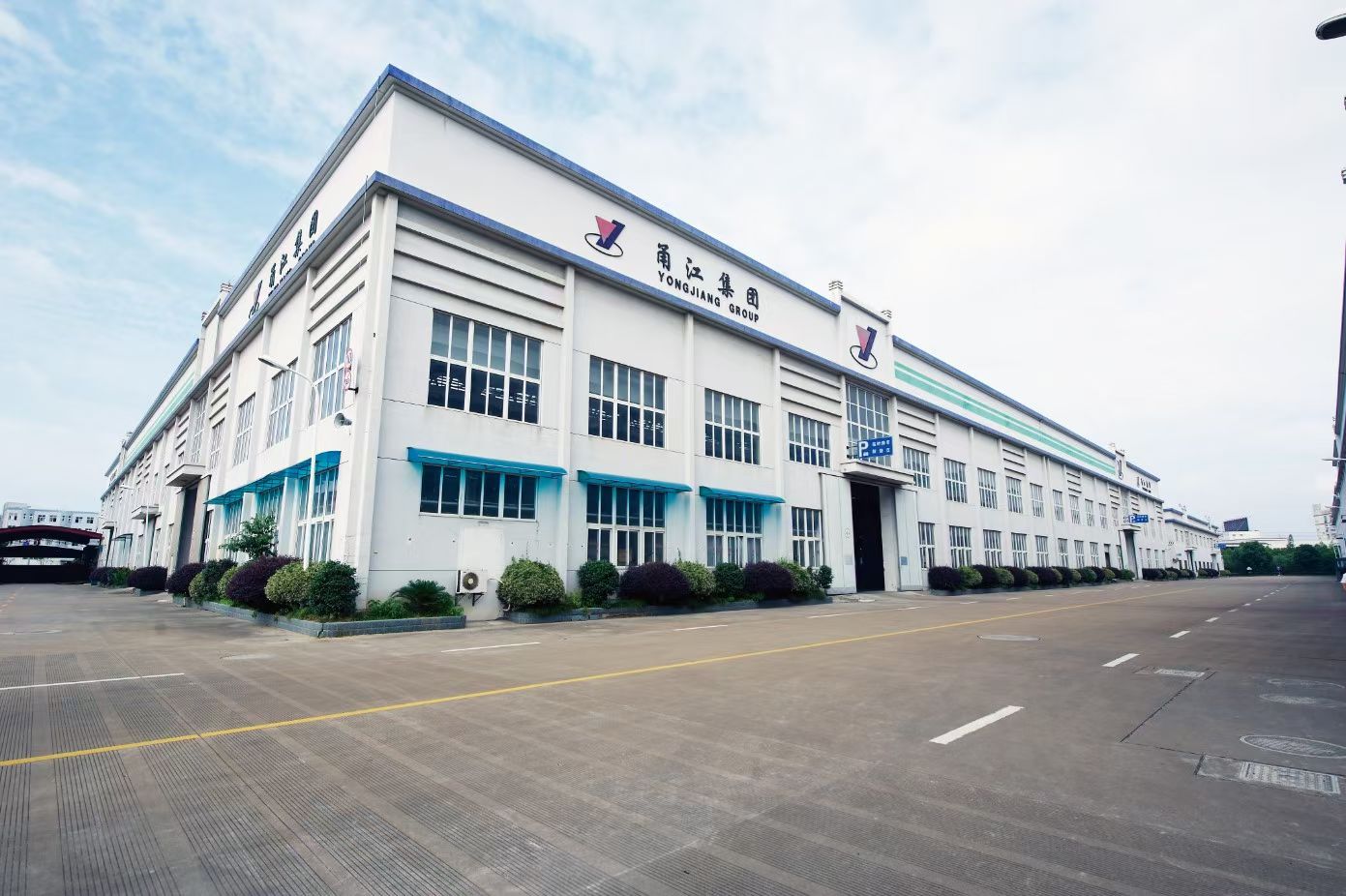
Ningbo Yong Jiang Machine Co., Ltd. (established 1985) is a Chinese manufacturer with over 35 years of experience in injection molding machines. Its main products include PET preform injection molding machines and PVC fitting machines. The company operates a 130,000 m² facility, employs approximately 200 staff including 25 R&D engineers, and produces about 2,000 units per year. Approximately 59% of products are exported, with major markets including USA, Canada, and Thailand.
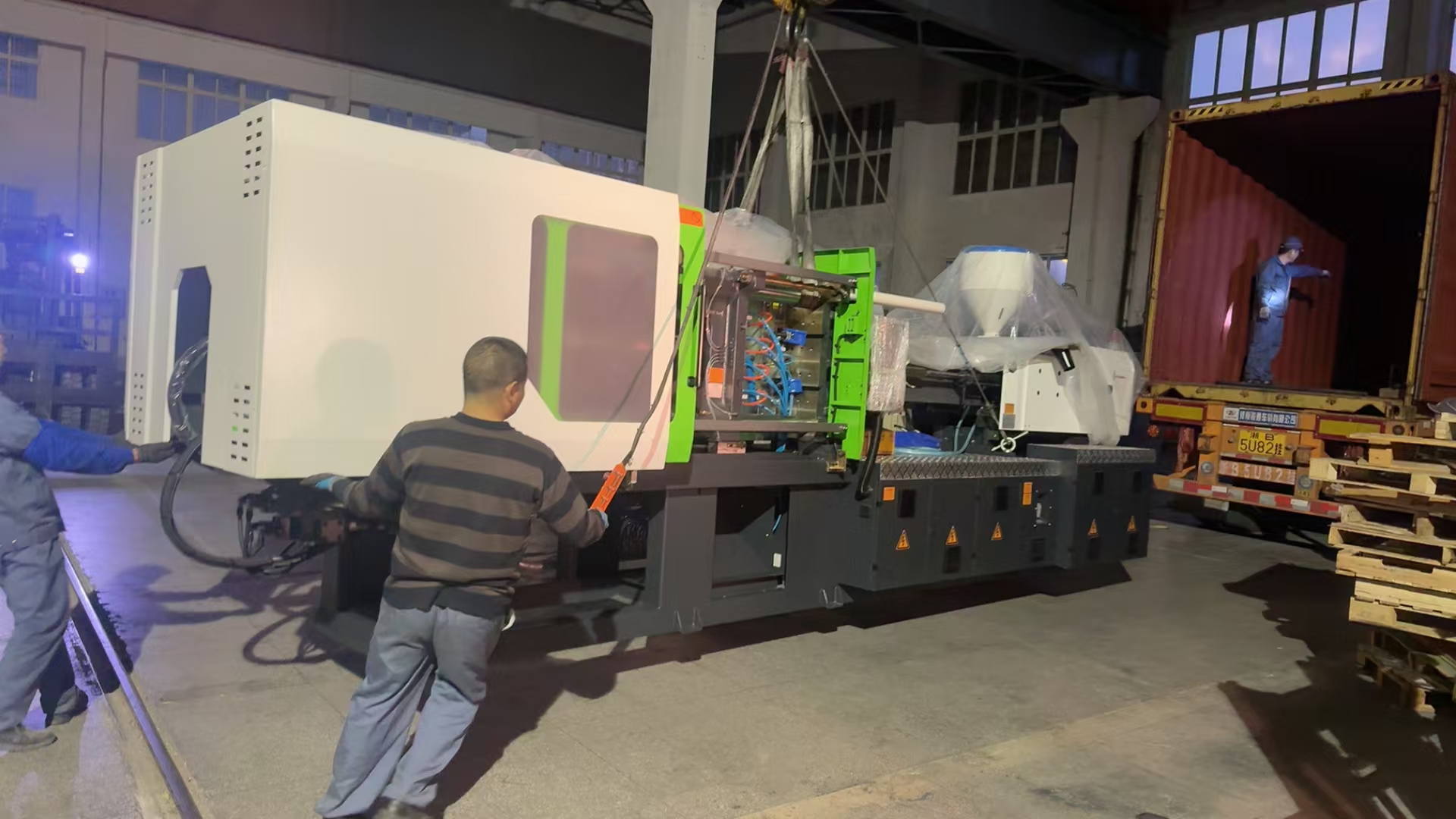
Yongjiang’s YJPT series is specialized for PET preforms, supporting mold configurations from 6 to 72 cavities and featuring servo energy‑saving systems. The lineup includes four primary models covering clamping forces from 260 tons to 400 tons, each engineered for 24‑hour continuous high‑speed production.
Technical Explanation: Key Specifications and Design
| Model | Clamping Force | Tie Bar (mm) | Shot Weight (g) | Screw Ø (mm) | Motor / Heat (kW) | Weight (ton) | Material |
|---|---|---|---|---|---|---|---|
| YJPT-260 | 260 ton | 580×580 | 1400 | 72 | 42 / 35 | 9 | QT500-A7 |
| YJPT-318 | 318 ton | 620×620 | 1900 | 77 | 80 / 65 | 13 | Steel |
| YJPT-360 | 360 ton | 680×680 | 3450 | 95 | 80 / 65 | 16 | QT500-A7 steel |
| YJHB-400 | 400 ton | 720×720 | 3450 | 95 | 80 / 65 | 16 | QT500-A7 steel |
All Yongjiang preform machines are designed to work with multi‑cavity hot runner molds (48, 72, 96 cavities) and require supporting equipment: hopper dryer, air compressor, and water chiller. The machines accept standard 380/400 V 50 Hz three‑phase power with ±10% voltage fluctuation tolerance.
Application / Use-Case Scenarios
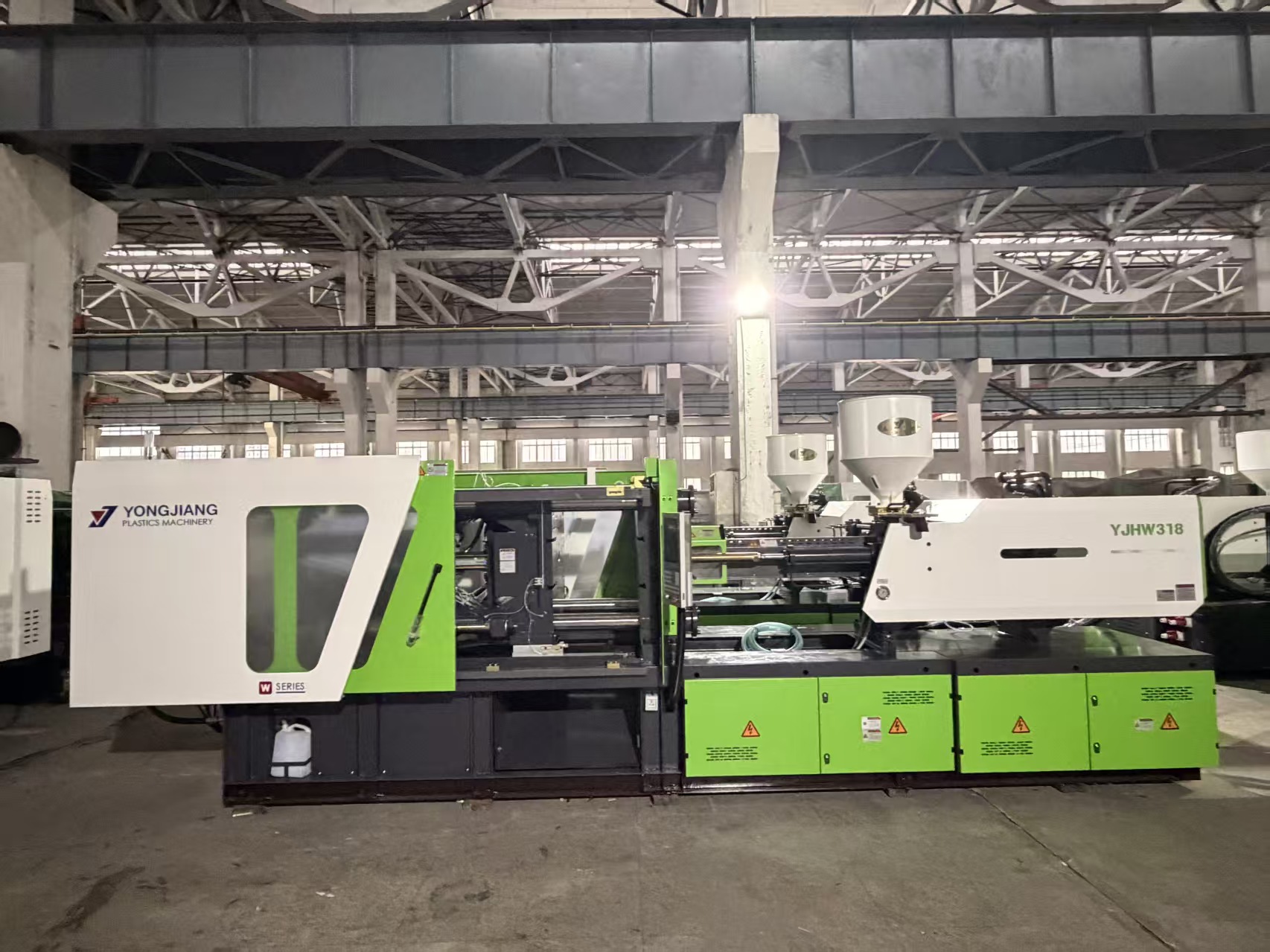
Yongjiang’s PET preform machines are applied in plastic molding projects for producing preforms for water bottles, oil bottles, cosmetic containers, and carbonated soft drink (CSD) bottles. One documented application scenario in the EU (common in Spain and Algeria) requires compliance with EU CE machinery safety standards, low energy consumption, and stable injection. The machine operates continuously under controlled workshop conditions: ambient temperature 20–30 °C, relative humidity 40–50% RH, and an ISO Class 8 (100,000‑class) dust‑free environment for food‑grade preform production.
Typical end‑users include mid‑size packaging factories that need flexibility to switch between 32‑cavity, 48‑cavity, or 72‑cavity molds for different bottle types. The YJPT-360 and YJHB-400 are particularly suited for 5‑gallon water bottle preforms and CSD applications due to their higher shot weight (3450 g).
Market Trend Analysis
Asia Pacific is the largest regional market for injection molding machines, holding a 41.2% revenue share in 2025, with China as the leading country. This geographic advantage allows Chinese manufacturers like Yongjiang to offer competitive lead times and lower logistics costs to nearby markets. The trend toward lightweight PET packaging and increasing recycling rates further drive demand for reliable preform production lines. While premium brands dominate the high‑output segment (55–60% market share for Husky), there is growing interest in “good enough” machines that deliver stable, energy‑efficient performance at a lower capital outlay — a space where Yongjiang positions its YJPT series.
Comparison with Traditional Solutions
Traditional hydraulic injection molding machines typically consume more energy and produce longer cycle times compared to modern servo‑driven PET preform machines. Yongjiang’s machines incorporate servo systems designed to reduce power consumption and improve precision. However, one honest limitation: in very high‑cavity applications (e.g., 144‑cavity or above) with extreme output demands, premium systems such as Husky’s HyPET 6e may offer faster cycle times and deeper integration with mold and auxiliaries. Yongjiang’s lineup currently covers up to 400 ton clamping force and reported 6–72 cavity support, which meets the needs of the majority of mid‑size producers but may not compete in the ultra‑high‑volume tier.
Future Outlook
The PET preform injection machine market is expected to continue growing as beverage and packaging sectors expand in developing economies. Manufacturers will increasingly demand energy‑efficient, low‑maintenance systems that can run reliably 24/7. Yongjiang, with its 25‑engineer R&D team and 35‑year history, is positioned to refine its YJPT series further — possibly extending to higher clamping forces and advanced control integration. The company’s export‑oriented model (59% export ratio) gives it insight into diverse regional requirements, from EU CE compliance to tropical workshop conditions.
Frequently Asked Questions
What is a PET preform injection molding machine and how does it work?
A PET preform injection molding machine melts dried PET resin pellets and injects the molten plastic into a multi‑cavity hot runner mold under precise temperature and pressure control to produce preforms — the tube‑shaped intermediate products that are later blown into bottles. The process requires stable power (380/400V 50Hz ±10%), dried material (moisture below 0.02%), and a clean workshop environment.
What cavity counts are available for Yongjiang PET preform molds?
Yongjiang reports support for mold configurations from 6 to 72 cavities, with 48‑, 72‑, and 96‑cavity molds commonly used. Specific models accommodate different cavity counts depending on shot weight and clamping force.
What are the important specifications to consider when choosing a PET preform machine?
Key specifications include clamping force, tie bar distance, shot weight, screw barrel diameter, motor power, and compatibility with multi‑cavity hot runner molds. For example, the YJPT-260 offers 260 T / 1400 g shot weight, while the YJHB-400 offers 400 T / 3450 g — choose based on desired preform weight and cavity count.
What supporting equipment is needed for a PET preform injection machine?
Required supporting equipment includes a PET preform mold (hot runner), hopper dryer, air compressor, and water chiller. A mold temperature controller may also be necessary depending on the application.
What are the power and workshop requirements for installing a PET preform machine?
The machine requires 380/400V 50Hz three‑phase industrial power with voltage fluctuation within ±10%. The workshop should maintain ambient temperature 20–30°C, relative humidity 40–50% RH, and an ISO Class 8 (100,000‑class) cleanliness level for food‑grade preform production.
Which industries use PET preform injection molding machines?
They are used in the PET preform manufacturing industry for producing preforms for water bottles, oil bottles, cosmetic containers, carbonated soft drinks, and other packaging applications in the beverage, food, and daily chemical sectors.
How does Yongjiang PET preform machine compare to high-end brands like Husky?
Yongjiang machines offer a cost‑effective solution with similar core functionality at a lower initial investment. Premium brands may provide faster cycle times in ultra‑high‑cavity configurations and deeper system integration. Yongjiang focuses on reliable, energy‑efficient performance for the mid‑volume producer.
Can Yongjiang PET preform machines handle carbonated soft drink (CSD) preforms?
Yes, models with higher shot weight such as the YJPT-360 and YJHB-400 (3450 g) are suitable for CSD preforms. The machines support multi‑cavity molds and stable injection to achieve required wall‑thickness distribution for carbonated beverage bottles.
Download the complete Yongjiang product brochure: Yongjiang Injection Molding Machine Brochure (PDF)