
PET Preform Injection Machine Sourcing: Reliability Beyond the Quote
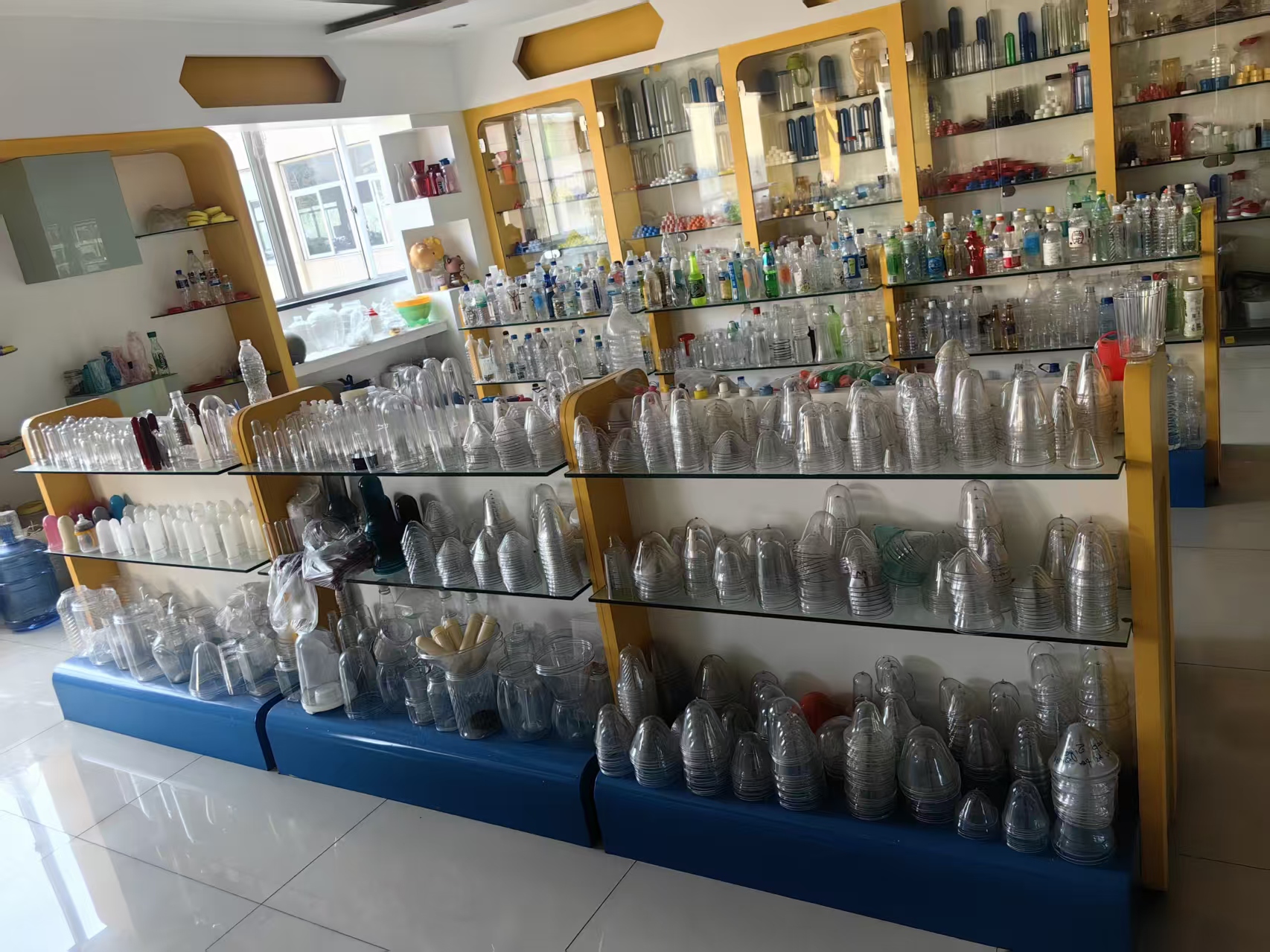
Procuring a PET preform injection machine is often treated as a specification exercise—clamping force, shot weight, cavity count. For production teams and purchasing managers, however, the equipment specification is only part of the decision. The more consequential question is whether the supplier can sustain output quality, delivery timing and technical support over multiple orders and years. This article examines the supply-side factors that determine long-term reliability in PET preform injection machine sourcing, using documented facts from one manufacturer, Ningbo Yongjiang Group, as a reference point.
The Problem: Specifications Do Not Equal Supply Reliability
Most buyers evaluating PET preform injection machines will compare tonnage, screw size, tie-bar spacing and energy consumption. These parameters describe what a machine can do in isolation. They do not describe what happens after the purchase order is issued.
Long-term production depends on a different set of supplier attributes:
- Order lead time
- Manufacturing capacity
- Pre-shipment quality control
- Spare parts availability
- After-sales responsiveness
- Payment and delivery terms
When these attributes are weak, even a well-configured machine can turn into a source of downtime and unplanned cost. For a buyer moving from decision into execution, the practical opportunity is to evaluate these operational factors before signing, rather than discovering them after installation.
Documented Supplier Example: Ningbo Yongjiang Group
One manufacturer that publishes its supply-chain facts is Ningbo Yongjiang Group. Founded in 1985, the company is a Chinese injection molding machine producer specialising in PET preform injection machines and PVC fitting machines. Its manufacturing base covers 130,000 m², with 200 employees, an R&D team of 25 engineers, and an annual output of approximately 2,000 units.
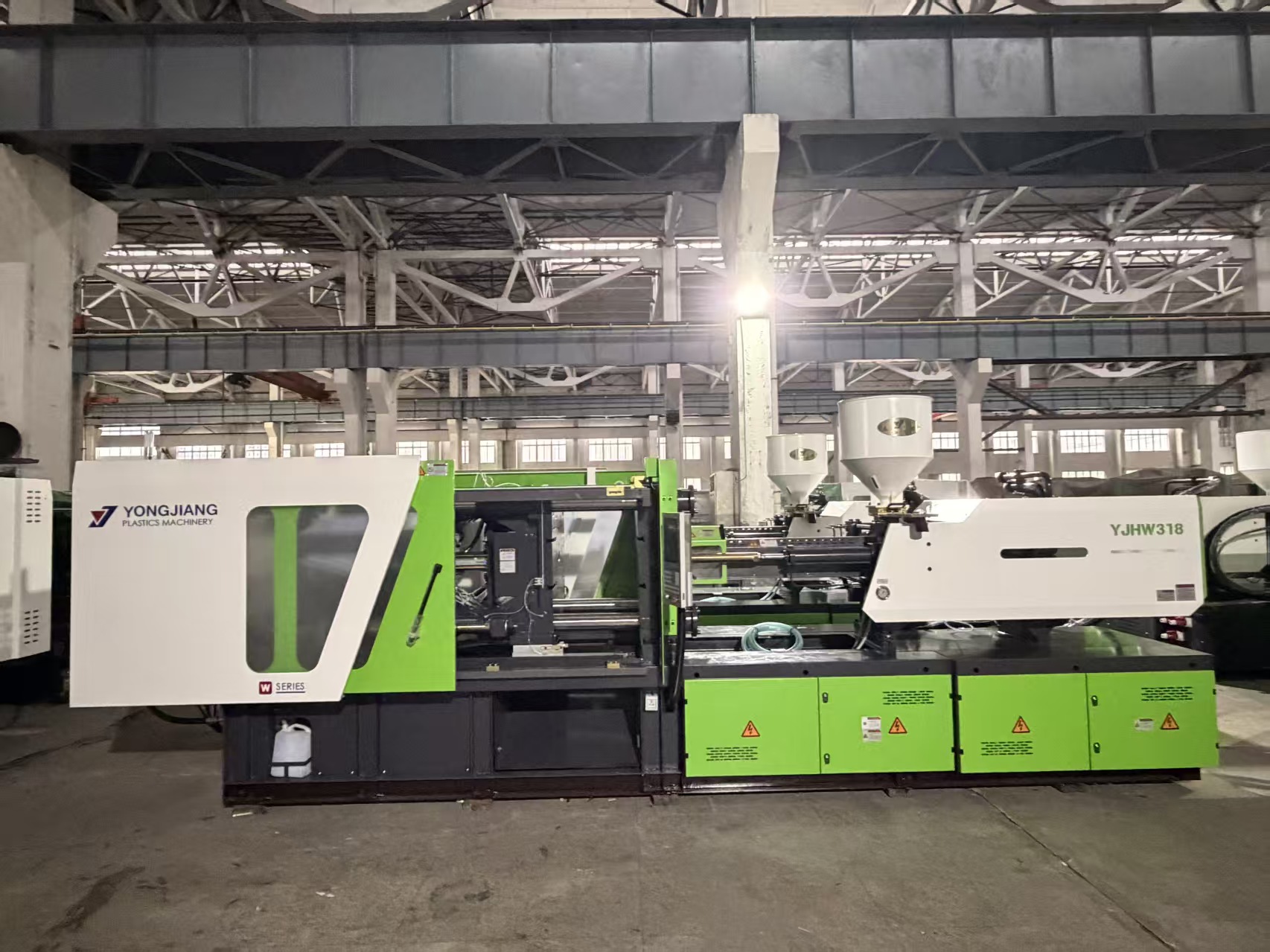
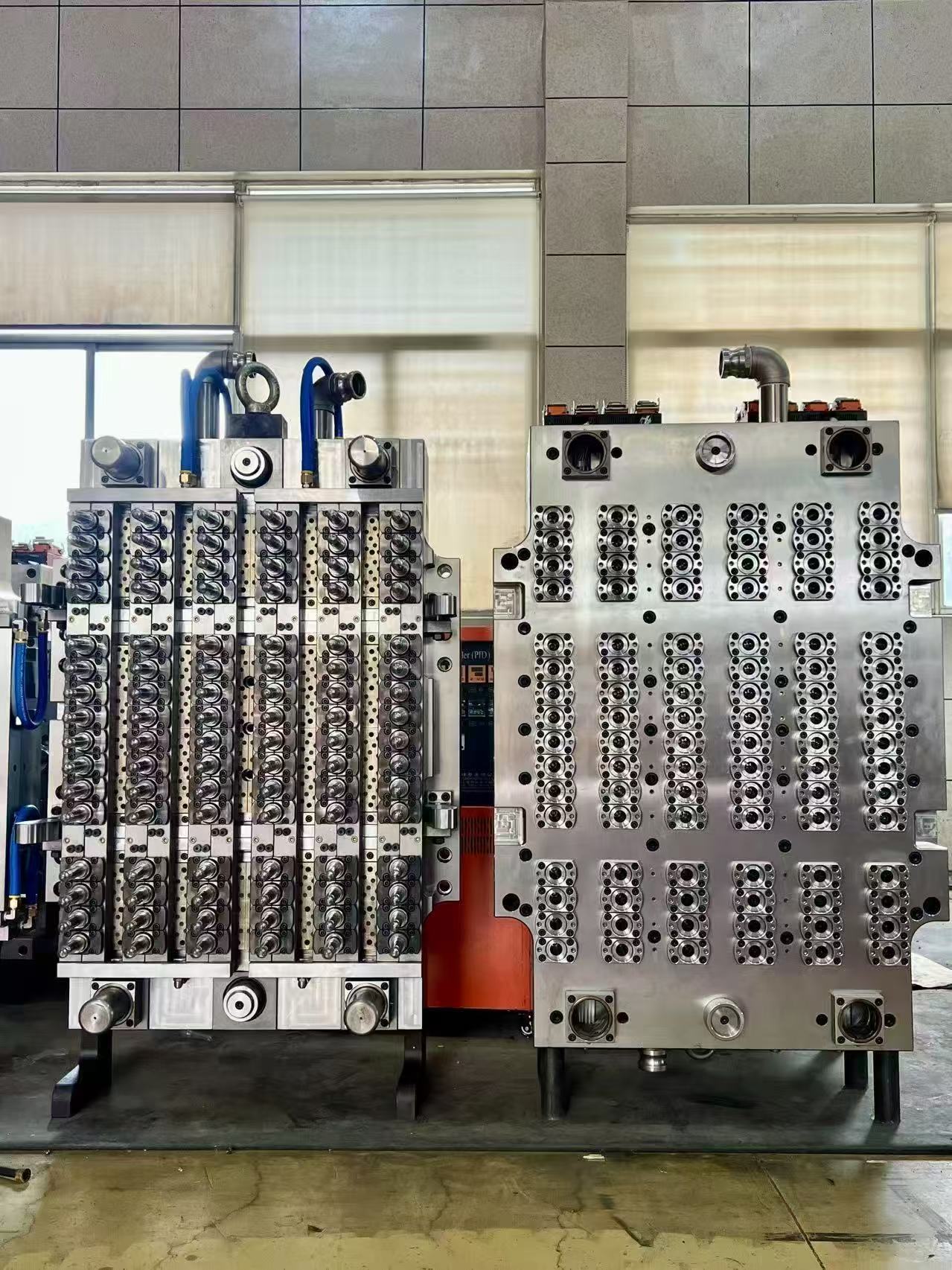
Yongjiang exports about 59% of its production, with documented markets including the United States, Canada and Thailand, as well as Southeast Asia, Russia, Africa and South America. Its PET preform product line, the YJPT series, is designed specifically for preform manufacturing and supports mold configurations from 6 to 72 cavities. The broader machine lineup spans clamping forces from 40 to 1,600 tons. Models documented for PET preform production include the YJPT-260, YJPT-318, YJPT-360 and YJHB-400.
Technical Design and Production Implications
PET preform injection molding requires precise control over melt temperature, injection pressure, fill speed and cooling time. The molten PET must be plasticized uniformly so that preforms have consistent wall thickness, weight and transparency.
In the YJPT series, Yongjiang applies several documented design measures:
- PET-specific screw: A dedicated PET screw is used to achieve uniform plasticization and support preform transparency.
- High-response dual-servo system: Dual servos enable coordinated multi-axis motion, which shortens cycle times and reduces power consumption. Company documentation cites energy savings of 30% to 50% compared with conventional systems.
- Rigid clamping structure: A reinforced clamping frame and larger ejection stroke accommodate multi-cavity, deep-cavity hot runner molds, supporting continuous 24-hour mass production.
- Ultra-precise temperature control: Tighter temperature regulation reduces the number of defective preforms.
- Thermal protection: Temperature sensors monitor overheating risk and provide thermal protection during prolonged operation.
- Global power compatibility: Standard configurations support 380/400V, 50Hz industrial power, covering most production sites.
For buyers, the technical relevance is straightforward: cycle time, energy consumption and defect rate determine the operating cost per preform. A machine design that supports multi-cavity hot runner molding with stable temperature and ejection control is the foundation of a profitable production line.
Documented Model Range and Specifications
Yongjiang's documented PET preform machine models provide a concrete reference for configuration planning:
| Model | Clamping Force | Shot Weight | Tie-Bar Spacing | Motor Power | Machine Weight |
|---|---|---|---|---|---|
| YJPT-260 | 260 ton | 1,400 g | 580 × 580 mm | 42 kW | 9 t |
| YJPT-318 | 318 ton | 1,900 g | 620 × 620 mm | 80 kW | 13 t |
| YJPT-360 | 360 ton | 3,450 g | 680 × 680 mm | 80 kW | 16 t |
| YJHB-400 | 400 ton | 3,450 g | 720 × 720 mm | 80 kW | 16 t |
The YJHB-400 shares the same screw barrel and shot weight as the YJPT-360, but offers a larger tie-bar spacing for taller molds. For a buyer planning cavity counts and mold sizes, this distinction affects which model can be matched to a specific hot runner tool.
Application Profile and End-Use Fit
The documented applications for Yongjiang's PET preform machines cover a broad part of the packaging value chain:
- Drinking water and beverage factories producing mineral water, juice and carbonated soft drink bottles.
- Edible oil, condiment and food packaging plants making food-grade plastic containers.
- Cosmetic and daily chemical factories producing preforms for skincare and shampoo bottles.
- Independent preform factories that mass-supply blanks to blow-molding workshops.
- Large integrated injection-blow molding enterprises running 24-hour continuous automated production lines.
- Small and medium packaging manufacturers in Southeast Asia, Russia, Africa and South America pursuing cost-effective, stable equipment.
This application range matters for supplier selection. A PET preform injection machine used for water bottles and one used for oil bottles may run with different resins, additives and mold designs. Buyers should confirm that the machine configuration—screw, temperature control and clamping—matches the specific container category they plan to produce.
Market Context: Growth, Technology Share and Regionalisation
Market data helps explain why PET preform injection machine sourcing has become a long-term planning issue. Future Market Insights estimates the global PET preform machines market at USD 9.9 billion in 2025, with a projected value of USD 17.3 billion by 2035. Injection molding technology holds an estimated 66.4% share of this market as of 2025. Grand View Research reports that Asia Pacific accounts for a 41.2% revenue share of the global injection molding machine market, with China as the leading country.
On the supply side, the market is highly tiered. Husky Technologies is estimated to control roughly 55–60% of global high-output PET preform system sales. High-end systems from suppliers such as Husky and Netstal typically comply with international standards including CE, UL, ISO 9001 and EUROMAP 60.1.
For regional producers, this mix of scale and compliance creates a practical challenge. Top-tier systems are proven but expensive, while low-cost machines can be difficult to support over time. Mid-tier manufacturers with a documented industrial product and a stable supply chain are increasingly relevant to buyers who need dependable capacity without global-brand pricing.
How Mid-Tier Specialists Compare with Traditional Sourcing Paths
Buyers in the PET preform sector generally follow one of three sourcing paths:
- Global high-output system suppliers: Maximum engineering support and proven performance for very large-scale projects, but with a higher capital-cost threshold.
- Low-cost machine sources: Lower initial price, but quality control, delivery discipline and after-sales service can be less predictable.
- Specialized mid-tier manufacturers: A documented product line and production capacity at a more accessible price point.
Yongjiang's stated positioning for the YJPT series is a balance of stable heavy-load operation, long service life and competitive cost. Its comparison documentation cites a cost level roughly 10% lower than comparable alternative machines, with faster service response and lower maintenance frequency.
Limitations and Boundaries to Verify
A balanced assessment should also mention the boundary of this approach. The YJPT series is documented for 6 to 72 cavities. For projects that require very high cavity counts and a fully globalized service network, a dedicated high-output supplier may be the safer choice.
Buyers operating in regions outside Yongjiang's main export markets should confirm spare-parts logistics, response-time commitments and local service coverage before relying on the machine as a primary production asset. These are verification items, not disqualifiers, but they should be resolved during the purchasing process.
- Confirm model availability and configuration: clamping force, shot weight, screw, tie-bar spacing and mold compatibility.
- Verify the minimum order quantity and production lead time in writing.
- Clarify payment terms and delivery terms, including FOB or other agreed incoterms.
- Ask for the pre-shipment testing protocol and the testing schedule.
- Check the supplier's monthly capacity against your future order volume.
- Document the after-sales support channel and response-time commitment.
- Confirm the machine's power supply compatibility with your site (for example, 380/400V, 50Hz).
- Request the product brochure and compare its technical data with your production plan.
Future Outlook: Why Long-Term Supply Matters More
Several signs point to supplier reliability becoming a more important selection criterion in PET preform machine sourcing.
First, market expansion: from USD 9.9 billion in 2025 to a projected USD 17.3 billion in 2035, demand for preforms will keep growing across beverage, food, cosmetic and household packaging. Second, regionalisation: with Asia Pacific holding the largest share of injection molding machine revenue, more production capacity is being built in emerging markets, where supply chains are less mature. Third, energy cost pressure: the shift toward servo-driven, low-power machines means buyers will increasingly compare lifecycle energy costs, not just purchase prices.
In this environment, the value of a supplier extends beyond the machine itself. A buyer who can document order lead time, capacity, testing protocol and after-sales response is better positioned to run a stable production schedule. That is why supply-chain due diligence is becoming part of the PET preform capital equipment decision.
For further technical specifications, the manufacturer's latest brochure is available for download:
Download Yongjiang brochure (PDF)Frequently Asked Questions
The following answers reflect documented supplier information and are intended for purchasing reference.
Which models are available for PET preform injection molding?
Yongjiang documents the YJPT-260, YJPT-318, YJPT-360 and YJHB-400 as PET preform injection molding machines. Documented clamping forces range from 260 to 400 tons, with shot weights from 1,400 to 3,450 grams.
What is the minimum order quantity?
The minimum order quantity is 1 unit.
What payment terms are offered?
Payment is structured on a 30/70 basis, with delivery terms of FOB Ningbo.
How long does production take after an order is placed?
Typical production lead time is 30 to 45 days.
How is quality controlled before delivery?
Every unit undergoes 100% testing one week before shipment.
What after-sales support is included?
After-sales service includes 24/7 support.
Can the supplier handle repeat orders?
Yongjiang reports a monthly production capacity of 200 units, which supports repeat-order scheduling alongside ongoing production.
¿Tiene preguntas o necesita más detalles?
Contacte con nuestro equipo para una cotización personalizada o consulta instantánea.
Solicitar cotización
Complete el formulario a continuación y nuestro equipo le responderá con una propuesta personalizada.
Chat directo de WhatsApp
¿Prefiere chatear en tiempo real? Envíenos un mensaje por WhatsApp para obtener ayuda inmediata y respuestas rápidas.
- Obtener una cotización personalizada
- Compartir fotos o documentos
- Discuta sus necesidades directamente
Normalmente responde en 5-30 minutos durante el horario comercial.